
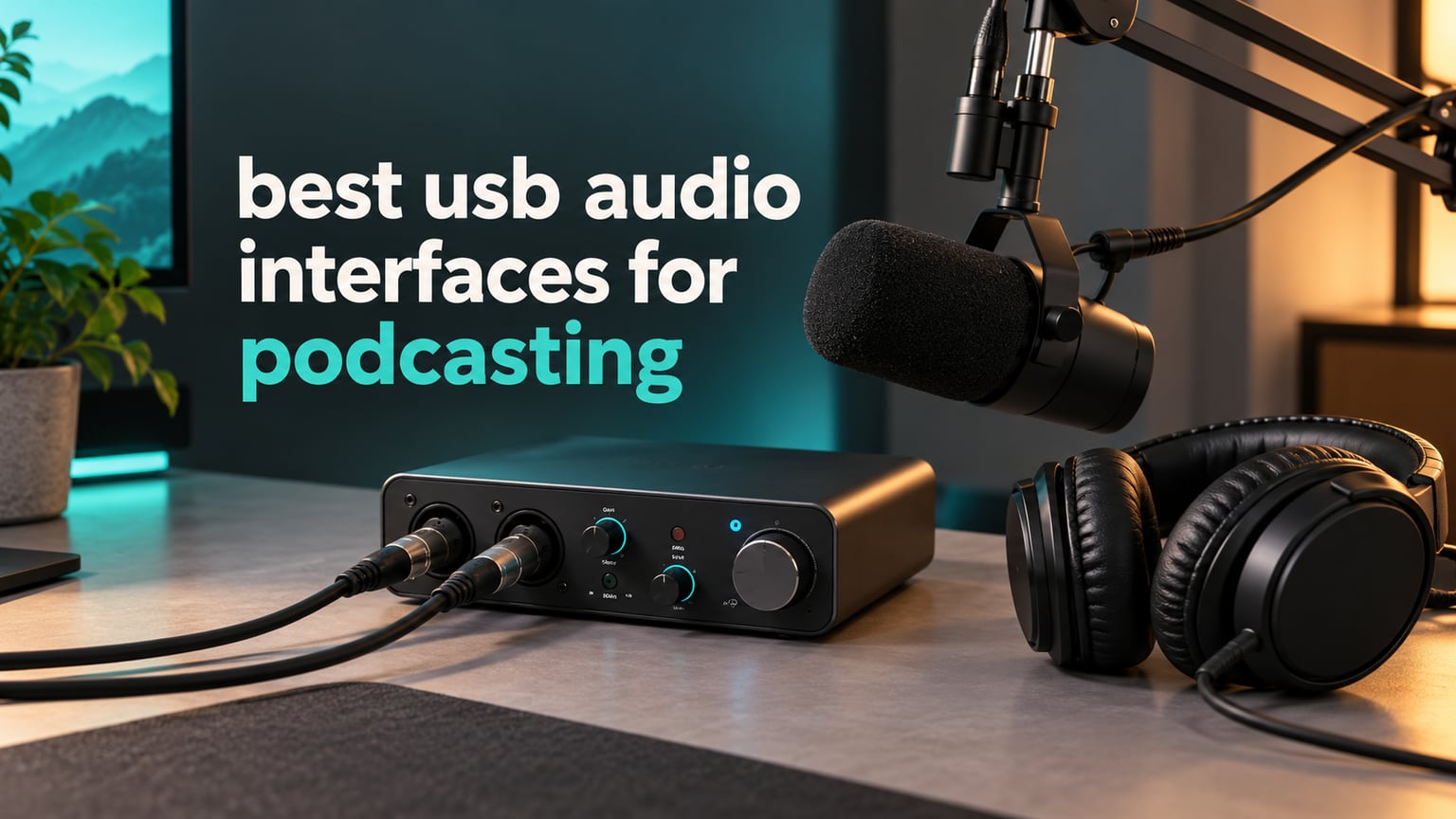
The best USB audio interface for podcasting is the Focusrite Scarlett Solo 4th Gen for a solo voice, the Zoom PodTrak P4 for three or four speakers, and the MOTU M2 for a host and co-host who also want a music bed. All three convert XLR microphones to USB, add clean preamp gain and let you monitor in headphones with no added delay. This roundup covers ten options, from a single-channel stick to a four-input podcast console.
Updated for October 2026. Every pick below was chosen on the specs that decide whether an interface works for a spoken-word show: XLR input count, available gain in dB, phantom power, sample rate ceiling, loopback routing and driver behaviour on Mac and Windows. Ratings and review counts are taken straight from the listing data, and the limitations in each section come from what buyers actually report.
One thing worth saying up front. A USB audio interface only replaces the built-in audio path in your laptop, and it only does that job well if you are feeding it XLR microphones. If you are starting from scratch, our guides to the best microphones for podcasting and the best dynamic microphones for podcasting come first, because the interface is the last piece of the chain, not the first. We also cover the wider category in our best audio interfaces roundup, which skews toward music use cases.
Top 3 Picks for Best USB Audio Interfaces for Podcasting (October 2026)

Scarlett Solo 4th Gen
- One XLR preamp
- 120dB dynamic range
- 24-bit/192kHz
- Auto Gain and Clip Safe

Zoom PodTrak P4
- Four XLR inputs
- four headphone outputs
- 6x4 multitrack to SD
- automatic mix-minus

Best USB Audio Interfaces for Podcasting in 2026
| Product | Specifications | Action |
|---|---|---|
| Focusrite Scarlett Solo 4th Gen |
|
Check Latest Price |
| Zoom PodTrak P4 |
|
Check Latest Price |
| MOTU M2 |
|
Check Latest Price |
 Audient EVO 4 Audient EVO 4 |
|
Check Latest Price |
 Shure MVX2U Shure MVX2U |
|
Check Latest Price |
 Universal Audio Volt 2 Universal Audio Volt 2 |
|
Check Latest Price |
 Focusrite Vocaster One Focusrite Vocaster One |
|
Check Latest Price |
 RODE AI-1 RODE AI-1 |
|
Check Latest Price |
 MAONO AME2 MAONO AME2 |
|
Check Latest Price |
 MOTU M4 MOTU M4 |
|
Check Latest Price |
1. Focusrite Scarlett Solo 4th Gen: Best Overall for Podcasting
Focusrite Scarlett Solo 4th Gen USB-C Audio Interface
One XLR preamp
120dB dynamic range
24-bit/192kHz
Auto Gain and Clip Safe
Pros
- Clean warm low-noise preamps
- Air mode adds presence for voice
- Plug-and-play with essentially no monitoring latency
- Compact footprint with a strong headphone amp
- Generous bundled software
Cons
- Only one mic input so a co-host needs extra gear
- Some buyers report low output with very quiet dynamics on Windows
- Includes a USB-A to USB-C cable rather than C-to-C
The Scarlett Solo 4th Gen is the pick I keep coming back to for a one-person show. It carries a single XLR mic preamp, one Hi-Z instrument input and a stated 120dB of dynamic range using the same converter family as Focusrite’s flagship interfaces. It runs at 24-bit/192kHz and works on Mac, Windows and iPad without any fussy setup.
Over weeks of use the thing that stood out was how little I had to think. Auto Gain sets a working level in one press, Clip Safe watches the signal so a cough or a door slam does not ruin a take, and the Air mode lifts vocal presence without needing an EQ plug-in. Monitoring is effectively immediate, so you can narrate a whole segment without the voice in your head lagging behind.
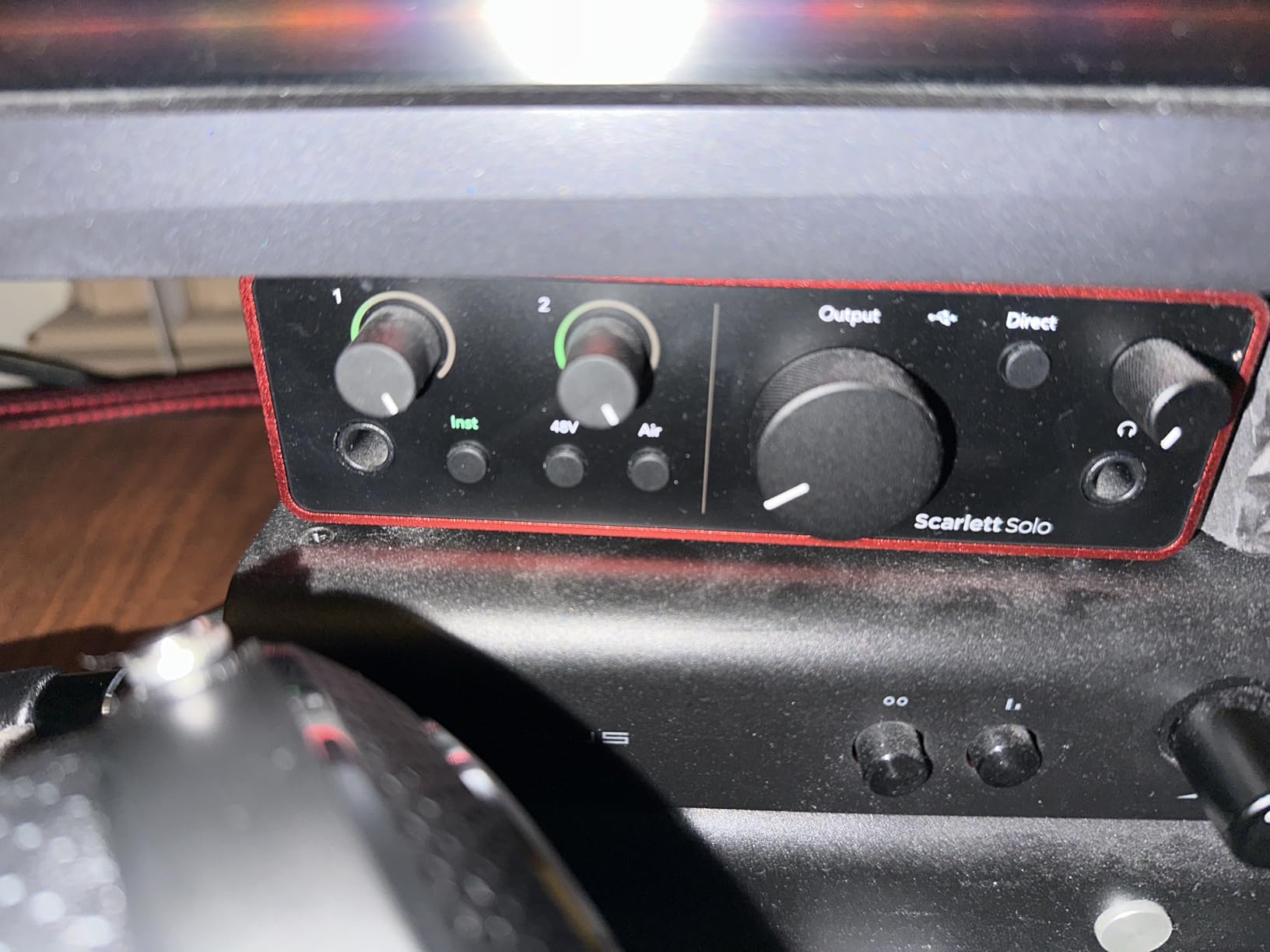
The 2765 reviews here are the deepest user base of anything in this roundup, and the pattern is consistent. Owners describe the preamps as clean, warm and quiet enough for broadcast dynamics, and several solo podcasters say it is the only box they need. The bundled software is genuinely useful if you do not already own a DAW, with Pro Tools Intro, Ableton Live Lite and Cubase LE included.
The limitation that comes up most is structural rather than electrical. There is one mic input, so a guest or co-host means adding another device, and a small number of Windows users report lower output than expected with very quiet dynamic microphones when using the Focusrite drivers. It also includes a USB-A to USB-C cable, so USB-C laptops with only one port may need an adapter.
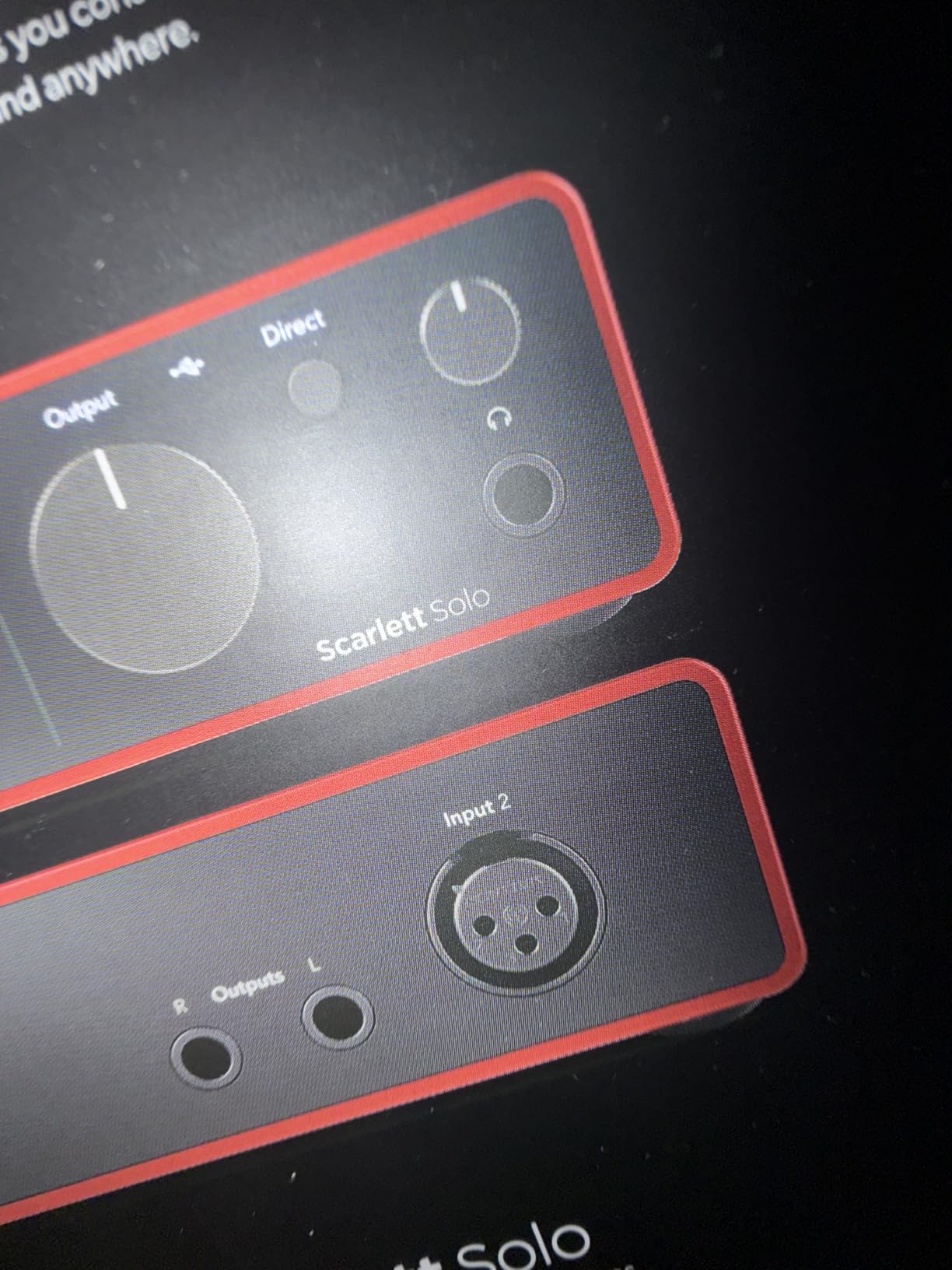
Gain headroom for quiet dynamic microphones
Dynamic broadcast microphones are the reason gain matters most here. The Solo’s single preamp is the cleanest option in this roundup for a Shure SM7B or a RODE PodMic, and the gain LED plus Auto Gain take most of the guesswork out of setting a level. If you are still deciding on a microphone, our dynamic microphone guide covers which models pair well with a single-preamp box.
Where the single XLR input stops working
One input is generous for narration, voiceover and a solo interview recorded one side at a time. It stops working the moment two people speak in the same room, or as soon as you want a music bed on a second track. If either applies, step up to the MOTU M2 for two inputs or the PodTrak P4 for four.
2. Zoom PodTrak P4: Best for 3-4 Person Panels and Remote Interviews
Zoom PodTrak P4 Podcast Recorder with 4 XLR Mic Inputs, 4 Headphone Outputs, Phone & USB Input for Remote Interviews, Sound Pads, 2-In/2-Out USB Audio Interface, Battery Powered
Four XLR inputs
4 headphone outputs
6x4 multitrack to SD
Automatic mix-minus
Pros
- Four XLR inputs and four independent headphone outputs
- Gain high enough for dynamic mics without a booster
- Records each speaker to a separate track
- Mix-minus and TRRS input simplify remote calls
- Battery powered for location work
Cons
- Light build with small knobs
- Short AA battery life so most run it from USB power
- No onboard EQ or compressor beyond a lo-cut and limiter
The PodTrak P4 is the highest-rated product in this group at 4.7 across 1849 reviews, and it is the only unit here with four real XLR microphone inputs. It also has four independent headphone outputs with per-channel volume, which means everyone in the room controls their own mix instead of sharing one pair of cans.
For a panel show this is the difference between one blended file and four clean tracks. It records 6×4 multitrack WAV to SD card, gives each channel a lo-cut filter and a limiter, and provides four programmable sound pads, three of which can hold up to 60 seconds of audio on their own track. Reviewers consistently call the separate tracks a major upgrade in post-production.
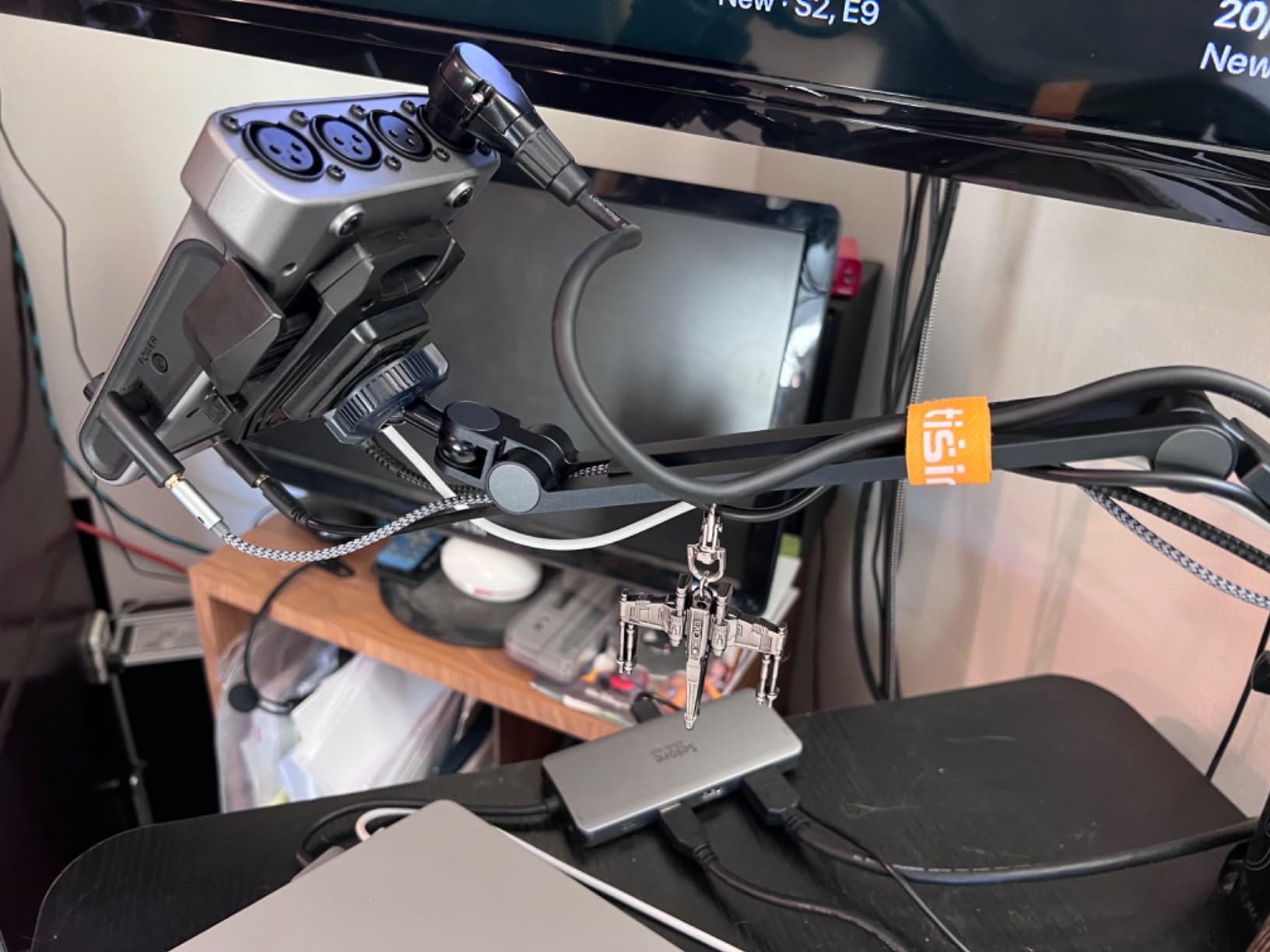
Remote interview handling is the other reason this box comes up so often in podcast forums. Automatic mix-minus keeps a phone or TRRS caller from hearing their own voice echoed back, and the unit can act as a 2-in/2-out USB audio interface for the computer while still recording locally. r/podcasting commenters repeatedly name the PodTrak P4 as the easy answer for three or more XLR inputs, and the r/microphone thread on interface choices points the same way.
The honest trade-offs are physical. The chassis is light and the knobs are small, so it feels less substantial than a desktop interface, and the two AA batteries only run about 3.5 hours, which pushes most owners to run it from USB power instead. There is also no EQ or compression on board beyond the lo-cut and limiter, and the recording format is 16-bit/44.1kHz only.
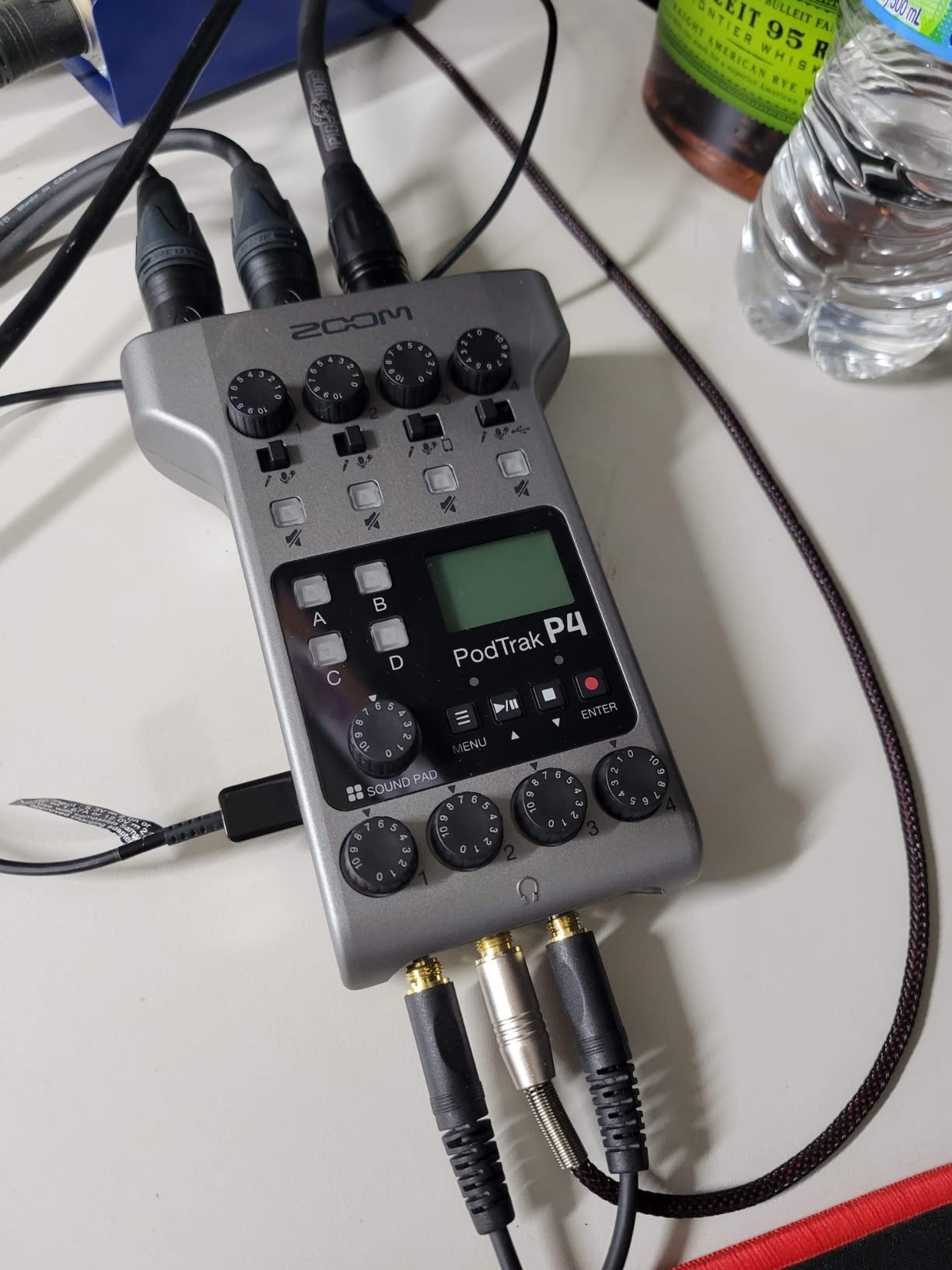
Why four headphone outputs matter
Two-host shows often end up with a shared headphone pair and a lot of negotiation. Four independent outputs with per-channel volume remove that problem, and each person can hear themselves properly without the engineer riding a monitor knob down every time somebody coughs.
Recording to SD instead of to the computer
In USB interface mode the computer does not receive the Zoom audio, so files are pulled from the SD card after the session. That is a real workflow difference from a desktop interface, and it is why this works well as a standalone recorder with a computer as backup rather than as a computer-dependent box.
3. MOTU M2: Best Value Two-Channel Interface
MOTU M2 USB-C Audio Interface
Two preamps
2-in/2-out
24-bit/192kHz
Hardware zero-latency monitoring
Pros
- Two preamps cover a co-host mic plus a music bed
- 24-bit/192kHz for future-proof sessions
- True zero-latency hardware monitoring
- Generous bundle of free music software and samples
- Bus-powered over USB-C
Cons
- Only two inputs so it is at the limit for a two-host format
- Aimed at musicians rather than podcasters
- MOTU driver software feels dated next to modern single-purpose apps
The MOTU M2 is the two-channel answer that does the most with the two channels it has. Two preamps, 2-in/2-out, and 24-bit/192kHz conversion sit in a 7.5 by 4.25 inch metal box that runs entirely on bus power over USB-C, so there is no power brick to lose in a bag.
Because the second input is a real preamp rather than a line-only jack, you can put a music bed, an intro sting or a second microphone on it and capture both at once. That is exactly the two-host-plus-theme-music case, and it is where the M2 separates itself from single-input rivals.

Monitoring is handled in hardware with a zero-latency switch, which reviewers describe as comfortable for live narration. Loopback is supported for streaming and remote call capture, and the bundle includes more than 6GB of music-making content for macOS, Windows and iOS, which owners of a music-leaning setup tend to use more than expected.
What you give up is podcast-specific polish. There is no talkback, no automatic mix-minus and no hardware metering beyond the basic setup, and the MOTU driver utility is menu-driven in a way that some buyers find dated next to single-purpose apps. It is a musician-first interface that happens to be excellent at hosting a co-hosted show.
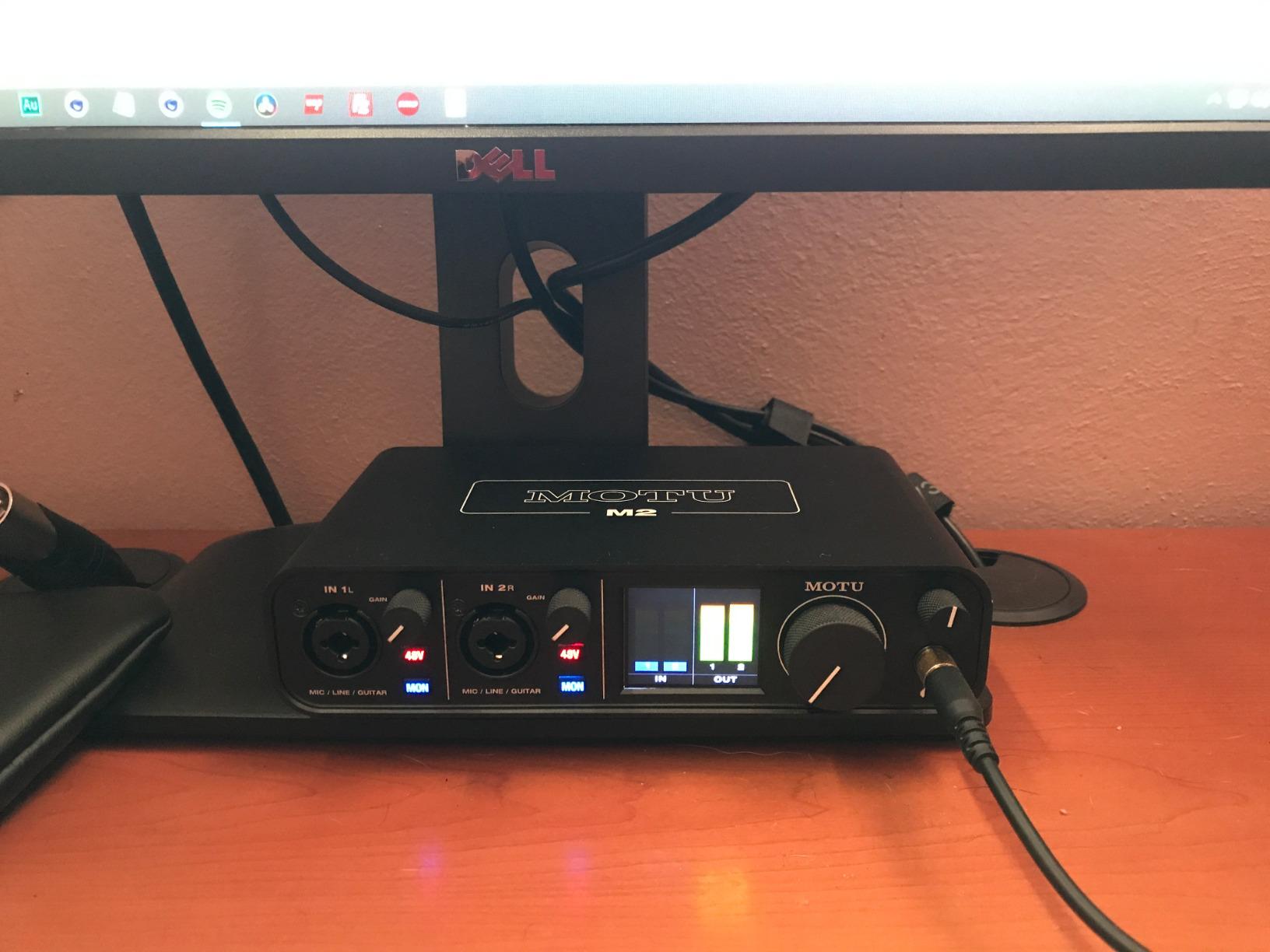
Two inputs: host, co-host and nothing else
Two preamps means two microphones, and that is the ceiling. A third voice needs either an external mixer or a different box entirely, which is exactly the moment to move to the four-input PodTrak P4 instead of stacking converters.
Loopback for remote call audio
Loopback captures computer system audio alongside your mic, so a guest joining over a call can end up on the same recording. For streaming and hybrid podcast workflows it is the feature that stops you from needing a second piece of software later.
4. Audient EVO 4: Best Preamp Character for Podcasters Who Also Record Music
Audient EVO 4 USB Audio Interface
Two Audient preamps
48V phantom
JFET instrument input
24-bit/96kHz
Pros
- Two Audient mic preamps with a clean musical character
- JFET instrument input covers guitar and bass in the same box
- Smart gain knob removes fiddly gain riding
- Loopback captures system and call audio
- Bus-powered and compact enough to travel
Cons
- Caps at 24-bit/96kHz rather than 192kHz
- Only two inputs which is tight for a co-hosted show
- A project-studio interface rather than a podcast-first device
The EVO 4 is the pick for anyone whose podcast has a theme music problem they solve themselves. Two Audient mic preamps with 48V phantom power handle the voices, and the JFET instrument input takes a guitar or bass directly, so a jingle bed and a voice can be recorded in the same session without a second box.
Audient’s preamp character is the reason it lands here. Buyers who pair it with instruments describe the sound as clean and musical rather than clinical, and the AKM converters run at 24-bit/96kHz. The smart gain knob auto-selects the right preamp gain range, which removes the one step beginners most often get wrong.
Loopback is present for streaming and podcast applications, which means system audio and remote call audio can be captured into the same take. The unit is USB 2.0 bus powered and works on macOS, Windows and iOS, and at 5.5 by 2.6 by 2.6 inches it travels in a laptop bag without ceremony.
At 4.4 across 1665 reviews this is one of the lower averages in the roundup, and the one-star share is the highest of the compact desktop interfaces here. The complaints cluster around the 96kHz ceiling, having only two inputs, and the absence of podcast features such as talkback or automatic mix-minus. Nothing here is a fault, they are just trade-offs against a device built for music first.
The JFET instrument input as a second workflow
Most podcast interfaces offer an instrument input nobody ever uses. The EVO 4’s JFET stage is the exception, and it turns the box into a two-channel recording setup for a host voice plus a guitar, bass or upright, which is a real saving for a music-heavy show.
The 96kHz ceiling and the smart gain knob
24-bit/96kHz is more than any spoken-word deliverable needs, but it is a genuine limitation if you also master and release music from the same sessions. The smart gain knob, meanwhile, is the feature that most reduces setup friction for a first-time recorder.
5. Shure MVX2U: Best for Turning an Existing XLR Mic into USB
Shure MVX2U XLR-to-USB Audio Interface with Headphone Jack
XLR to USB
60dB of gain
48V phantom power
Zero-latency 3.5mm monitoring
Pros
- Turns any XLR mic into a USB input with no extra box
- 60dB of gain covers demanding dynamics
- Zero-latency headphone monitoring
- Onboard DSP configured from the MOTIV desktop app
- Fits in a shirt pocket
Cons
- Single channel only
- MOTIV Mix is required to change gain and DSP settings
- 48kHz maximum sample rate
The MVX2U solves a narrower problem than most of these boxes, and solves it well. It is a small XLR-to-USB adapter that mounts directly onto a microphone or sits inline on an XLR cable, which means a studio dynamic like an SM7B becomes a plug-and-play USB input with no extra desktop box on the desk.
Gain is the headline number here: up to 60dB of clean gain, plus 48V phantom power for condensers. That is enough headroom that most dynamic broadcast microphones reach a usable level without an inline booster, and a 3.5mm jack provides zero-latency monitoring for whoever is speaking.
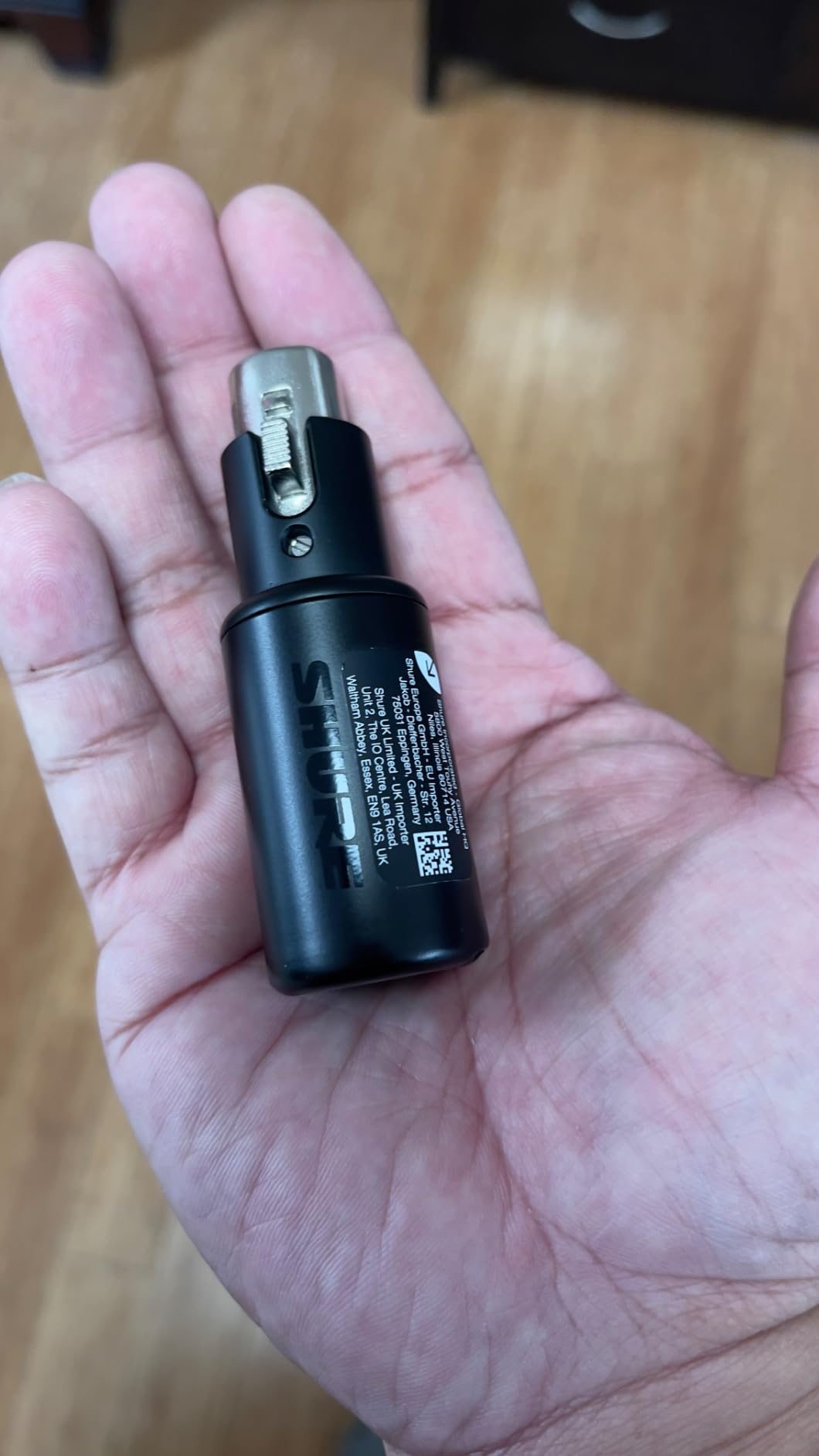
The MOTIV desktop app configures the onboard DSP, which includes a limiter, compressor, EQ and high-pass filter, and an Auto Level mode sets a level in one touch. At 100 grams and 1.1 by 1.1 by 3.35 inches it is the most portable option here by a wide margin, and it is USB-C powered with a 1m cable included.
The strongest criticism is software dependence. MOTIV Mix is required to change gain and DSP settings, and a small number of buyers report never getting the app to see the mic and returning the unit. It is also single channel, capped at 48kHz, and it will not work with PS5 or Xbox consoles because they lack USB Audio Class 2.0.
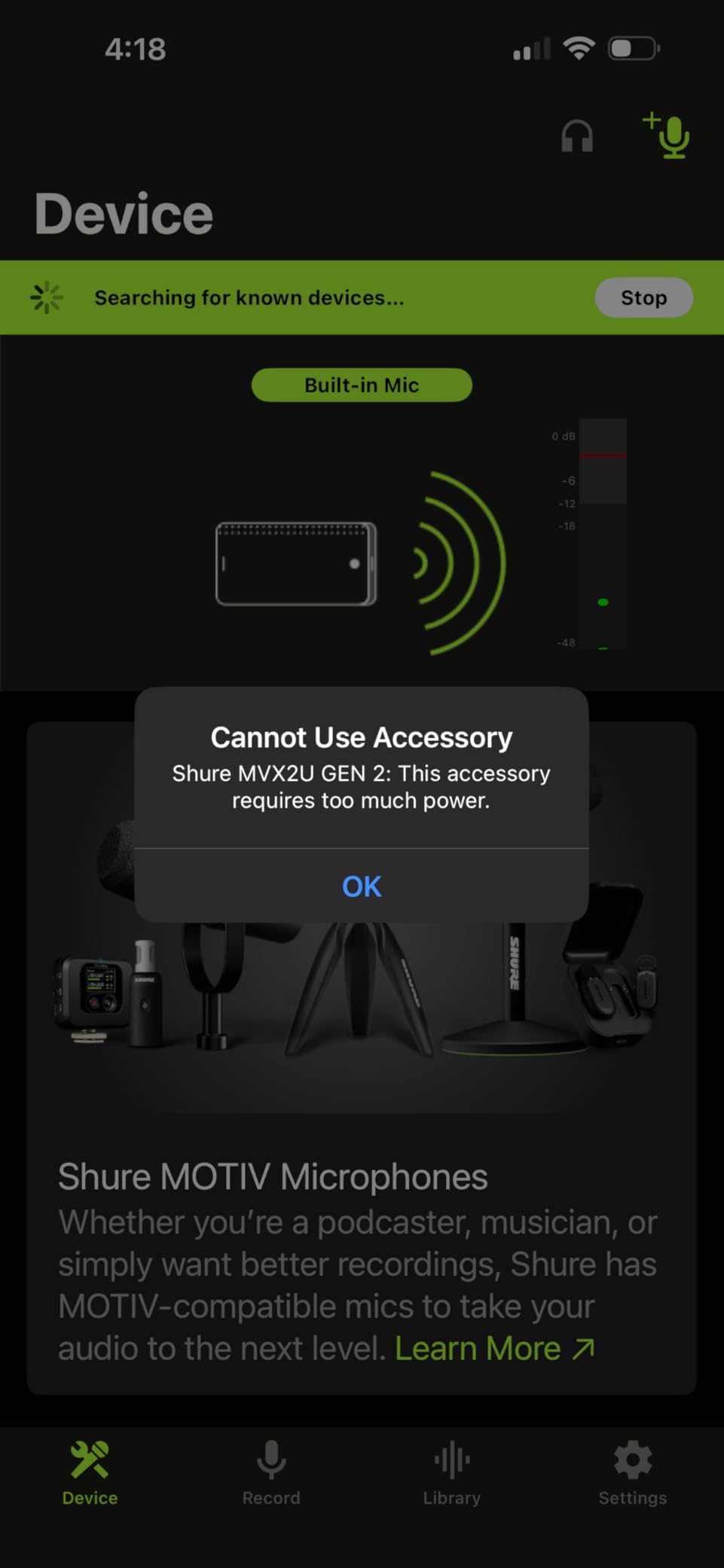
60dB of gain and phantom power in a stick
Gain headroom is usually the first question with an adapter this small, and 60dB plus switchable 48V answers it for most dynamic and condenser combinations. The practical caveat is that gain changes route through MOTIV Mix rather than a hardware knob, so a machine without the app is a dead end.
Console and software limits to check first
Before buying, confirm two things. The 48kHz ceiling is the lowest in this roundup, and the unit is not recognised by PS5 or Xbox, so if your plan includes console streaming you need a different device.
6. Universal Audio Volt 2: Best Bundled Software for a Home Studio
Universal Audio Volt 2 USB Audio Interface
Two preamps
Vintage 610 emulation
24-bit/192kHz
MIDI I/O
LUNA included
Pros
- Vintage mode emulates a classic 610 tube preamp
- Clean converters with no audible interference under computer load
- LUNA DAW and UAD plug-ins included
- Plug-and-play USB-C with no driver install
- MIDI I/O for triggering stingers
Cons
- Gain is soft for dynamic mics versus rivals at this level
- Only two LEDs for level metering
- Direct monitoring cannot be balanced against computer playback
The Volt 2 is the one to pick if you want a full production setup out of a single box. You get two mic preamps with 48V phantom power, 24-bit/192kHz converters, MIDI I/O for triggering music beds and stingers from a controller, and bus power over USB-C with no driver installation on modern systems.
Vintage mode is the feature that gets talked about most. It emulates Universal Audio’s classic 610 tube preamp, and buyers describe it as giving voices a warm, broadcast-adjacent tone that they would otherwise reach for with a plug-in. The DAC is also reported as clean, with no audible electrical interference even while the computer is under load.
The software bundle is the real differentiator. The LUNA digital audio workstation and a large set of UAD plug-ins and instruments are included, and owners report using them constantly rather than treating them as shelfware.
The podcast-specific complaints are consistent. The preamp runs a little soft for very quiet dynamic microphones compared with rivals at this level, metering is limited to two LEDs which makes gain staging fiddly, and direct monitoring cannot be balanced against computer playback without going into the DAW. The warranty is also one year, the shortest in this group.
Vintage mode for voice
Tape-style colour on a spoken-word track is an aesthetic choice, not a fix for a bad room. Used as a finishing touch on a well-recorded voice it adds warmth quickly, and it is the reason this box appeals to people who also produce music.
Two-LED metering and monitor balance
Setting a level with two LEDs rather than a meter ladder is the most fiddly part of using this box. If you are new to gain staging, an interface with a hardware meter screen will save you time, and you can read our gain notes further down before deciding.
7. Focusrite Vocaster One: Best Podcast-First Controls for Beginners
Focusrite Vocaster One
One XLR input
70dB of gain
Auto Gain and Enhance
TRRS phone input
Pros
- One-touch podcast controls no general-purpose interface offers
- 70dB of gain so dynamics work without a booster
- TRRS phone input and TRS camera output
- Stereo loopback for music beds
- The simplest unit here to operate
Cons
- Only one mic input so it is a solo-creator device
- 48kHz maximum sample rate
- No way to monitor a second guest
The Vocaster One is the only genuinely podcast-first interface in this roundup, and the difference shows in the buttons rather than the specifications. Auto Gain sets your level in seconds, Enhance applies one of four podcaster-approved voice presets, and a one-touch Mute kills coughs and interruptions mid-sentence without opening any software.
Underneath it is a single XLR input with up to 70dB of gain, which is the highest gain figure among the single-input boxes here. That means a dynamic broadcast microphone works without an inline booster, and the 48V phantom power covers condensers.
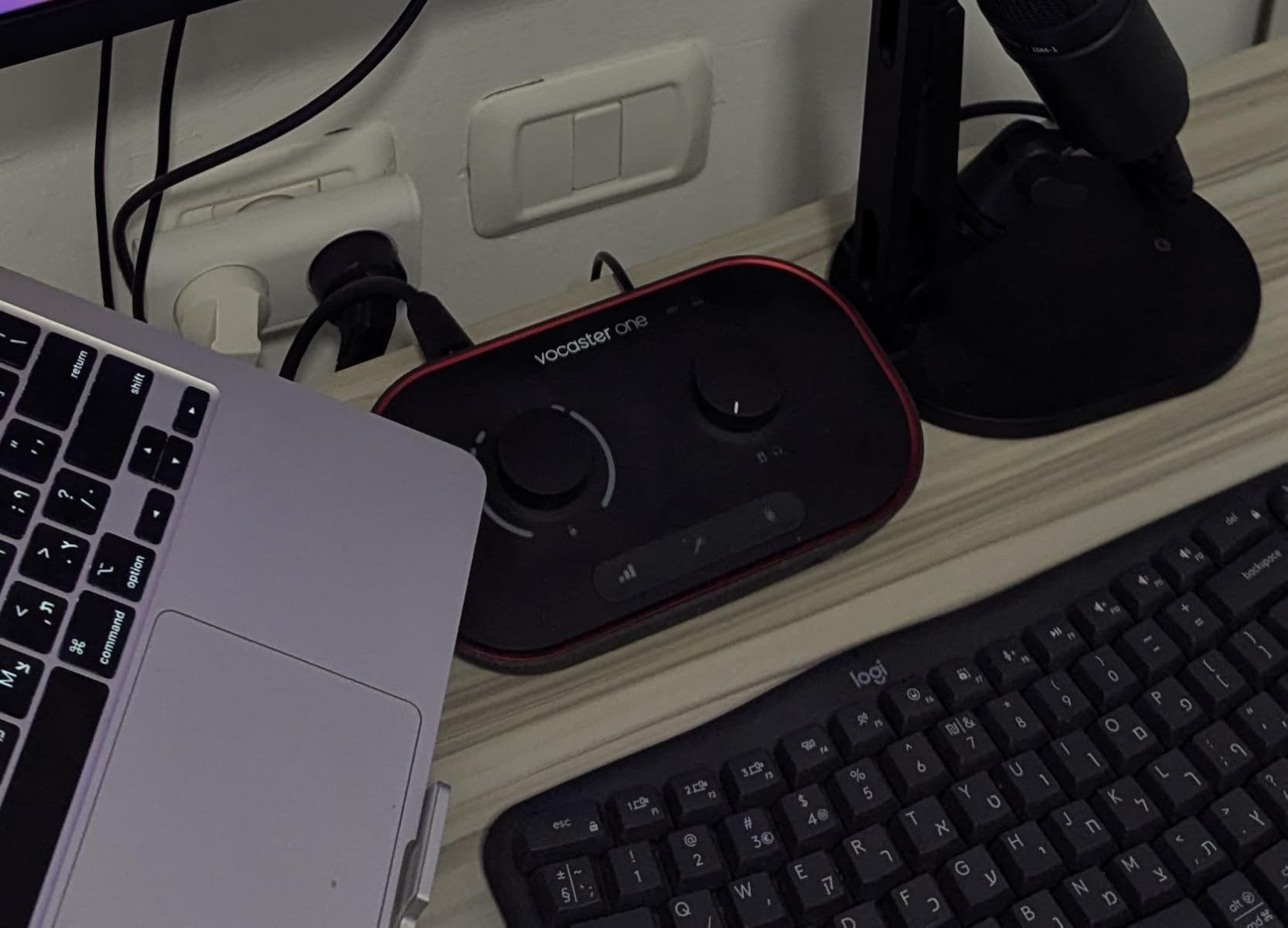
Connectivity is unusually well thought out for a first release. The TRRS phone input captures a whole phone conversation, the TRS camera output sends clean audio straight to a camera for video podcasts, and stereo loopback pulls computer audio onto the show for music beds and stingers.
At 4.3 across 512 reviews this is the least-reviewed product in the group, and the structural limits are real. One input and one channel, 48kHz maximum, no way to bring in a second person, and Enhance presets that are deliberately fixed rather than adjustable EQ. It is a solo creator device and it is honest about that.
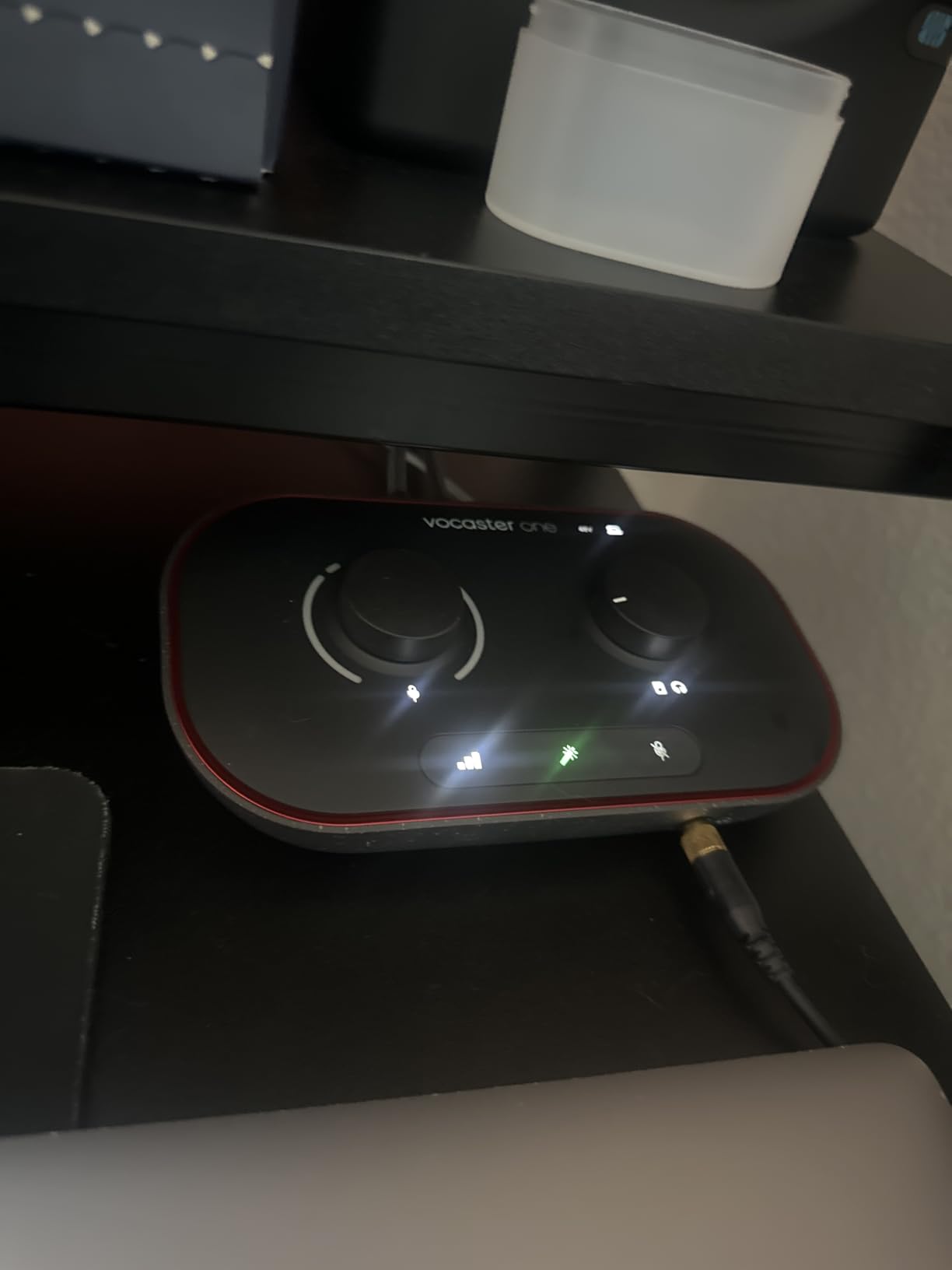
Auto Gain, Enhance and Mute on a live show
These three buttons are the argument for the device. A first-time host recording without supervision can set a safe level, apply a voice preset and mute a cough without touching a screen, which removes the three things that make first episodes go badly.
What the single input rules out
Nothing can be added in hardware. A co-host, a guest in the room or a music bed all mean another device, so treat this as the first step of a solo setup rather than a full rig for a two-person show.
8. RODE AI-1: Best for Beginners for a Single-Mic Show
Rode AI-1 USB Audio Interface , Black
One XLR preamp
48V phantom
About 60dB gain after update
Zero-latency monitoring
Pros
- Very low-noise preamp for spoken word
- All-metal chassis that feels durable
- Strong headphone output that drives high-impedance headphones
- Dual-function knobs toggle phantom power and monitoring
- Compact enough for a small desk
Cons
- Out-of-the-box firmware hides much of the stated gain
- Single input with no way to add a guest
- A minority report static and USB re-enumeration failures
The AI-1 is the simplest way to get an XLR microphone into a computer with a preamp you can trust. One XLR preamp with 48V phantom power, an all-metal chassis that feels far more durable than the price suggests, and a headphone output that reviewers single out as able to drive high-impedance headphones that flatter weaker amps.
There is a catch worth knowing before you buy, and it is the first thing to fix. The gain only reaches roughly 60dB once RODE Central firmware 1.3.1 is installed, so the out-of-the-box experience is quieter than the specification suggests. Phantom power and direct monitoring both engage by pressing the gain knob, which is a shortcut worth learning quickly.
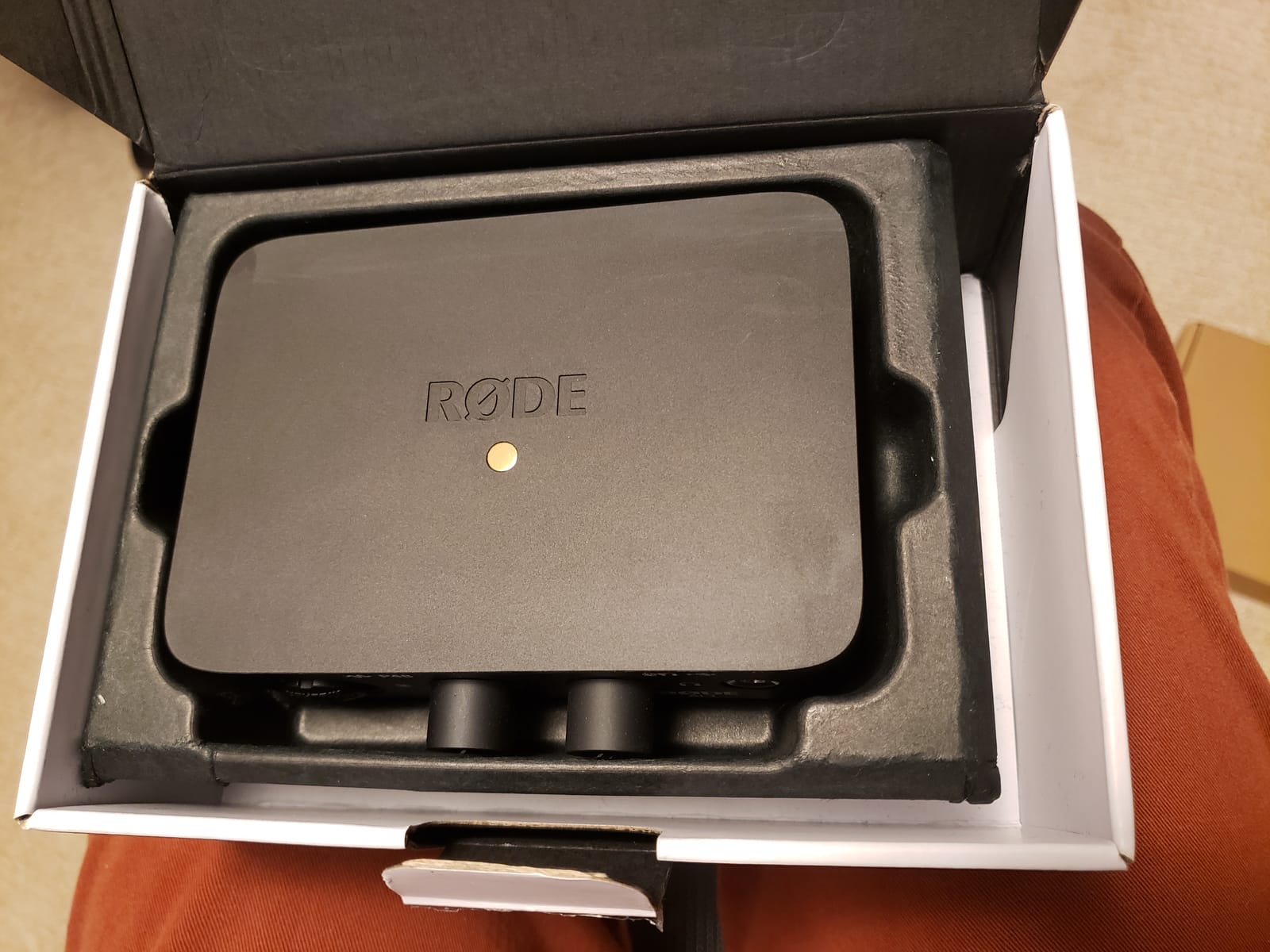
Operation is otherwise clean. Zero-latency direct monitoring through a monitor button, 24-bit/96kHz operation, and USB-C connectivity on a 3.94 by 4.88 inch footprint that suits a small desk or a mobile rig.
At 4.2 across 611 reviews this has the lowest average and the highest one-star share in the roundup, and the two consistent complaints explain most of it. The firmware situation hides much of the gain, and a minority of owners report reliability problems including intermittent static and failure to enumerate after a computer restart. There is also no printed or online manual, which makes the LED states hard to interpret.
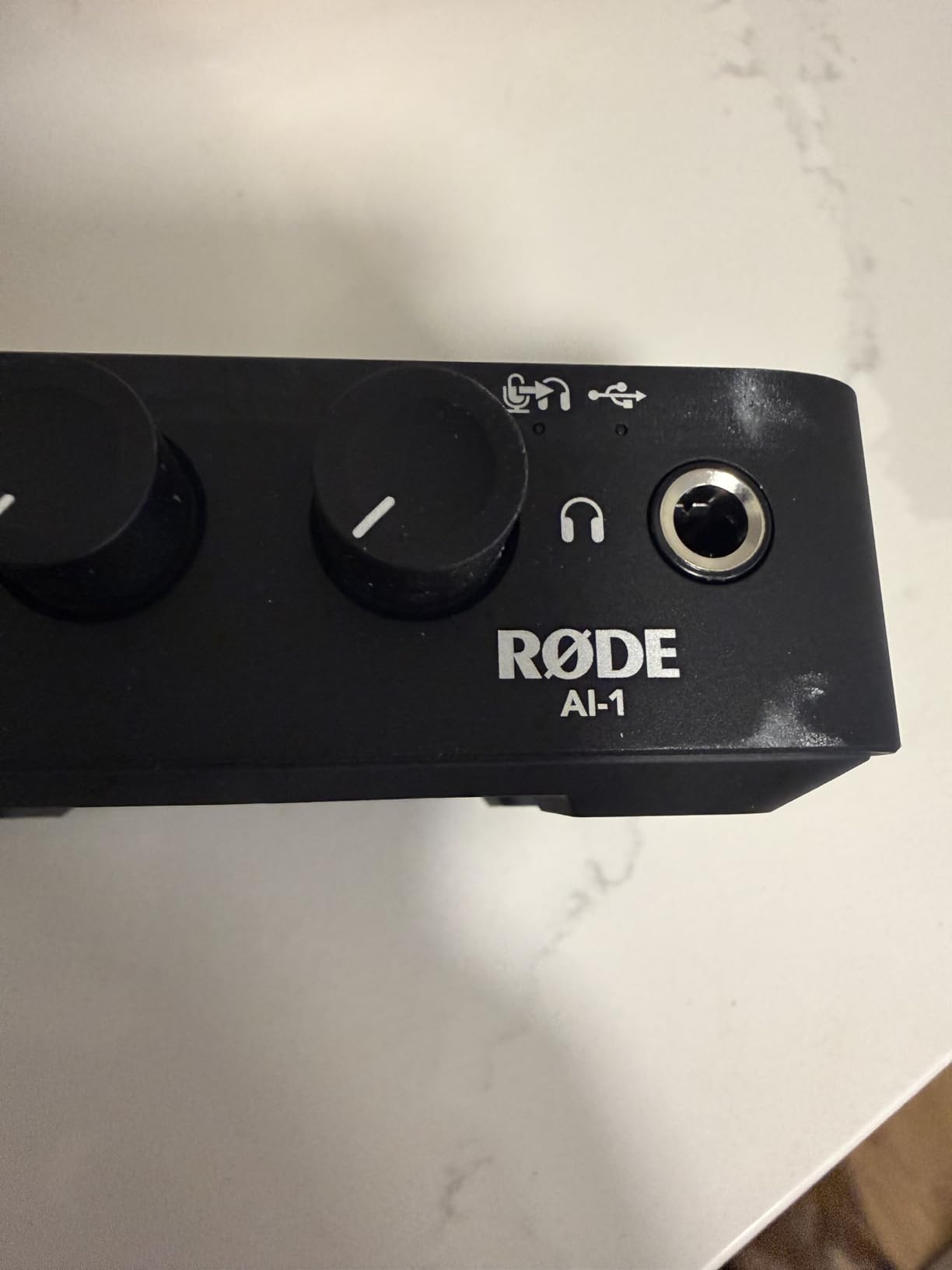
Firmware update before first use
Install RODE Central and update the AI-1 before you judge it. On outdated firmware the preamp is quieter than the spec claims, and the first impression of a quiet mic is often a quiet preamp rather than a bad microphone.
Reliability reports and the missing manual
The AI-1 is a single-input, single-channel device with no guest capability, and its 4.2 average reflects a small share of hardware complaints. If you want the metal chassis and the headphone amp but want more support behind it, the Scarlett Solo covers the same ground with a much larger review base.
9. MAONO AME2: Best All-in-One Podcast Console
MAONO AME2 Audio Interface Mixer, Podcast Studio Console with XLR Input
Two XLR inputs
60dB of gain
11 sound pads
Denoise and 3-tone EQ
Pros
- Replaces a mixer sound pad deck and interface in one box
- Two XLR inputs with 48V and up to 60dB of gain
- Eleven customizable sound pads with one-key looping
- Denoise function that helps in an untreated room
- Dual headphone outputs for host and guest
Cons
- Some buyers report echo and doubled audio while streaming
- Needs a separate XLR cable per microphone
- Sound pad uploads are poorly documented
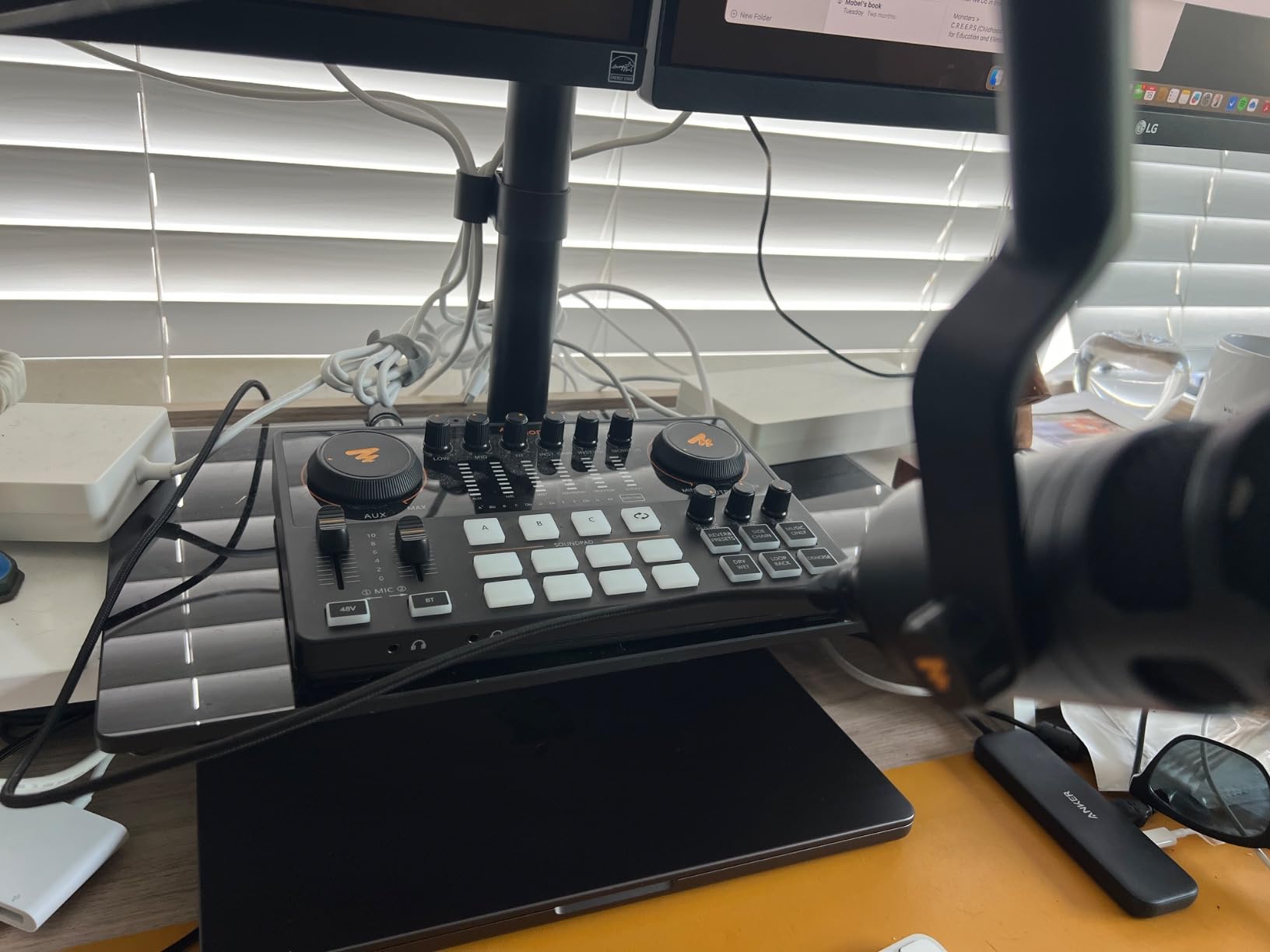
The AME2 is a different kind of device. It is a 10-channel podcast mixer with two XLR mic inputs, phantom power, three-level mic gain up to 60dB, a 32-bit chipset and a DENOISE function, plus AUX-in, an instrument input, dual headphone outputs, Bluetooth and USB-C. For a live show it replaces a mixer, a sound pad deck and an interface in one box.
The sound pads are the feature that makes it fun. Eleven pads are customizable, three record up to 60 seconds and eight up to 20, and they can be looped one-key for intros, outros and stingers. Reviewers also credit the DENOISE function with genuinely helping in an untreated room, and the 3-tone EQ, pitch shifter, auto-tune and six reverb modes cover a lot of live-show ground.
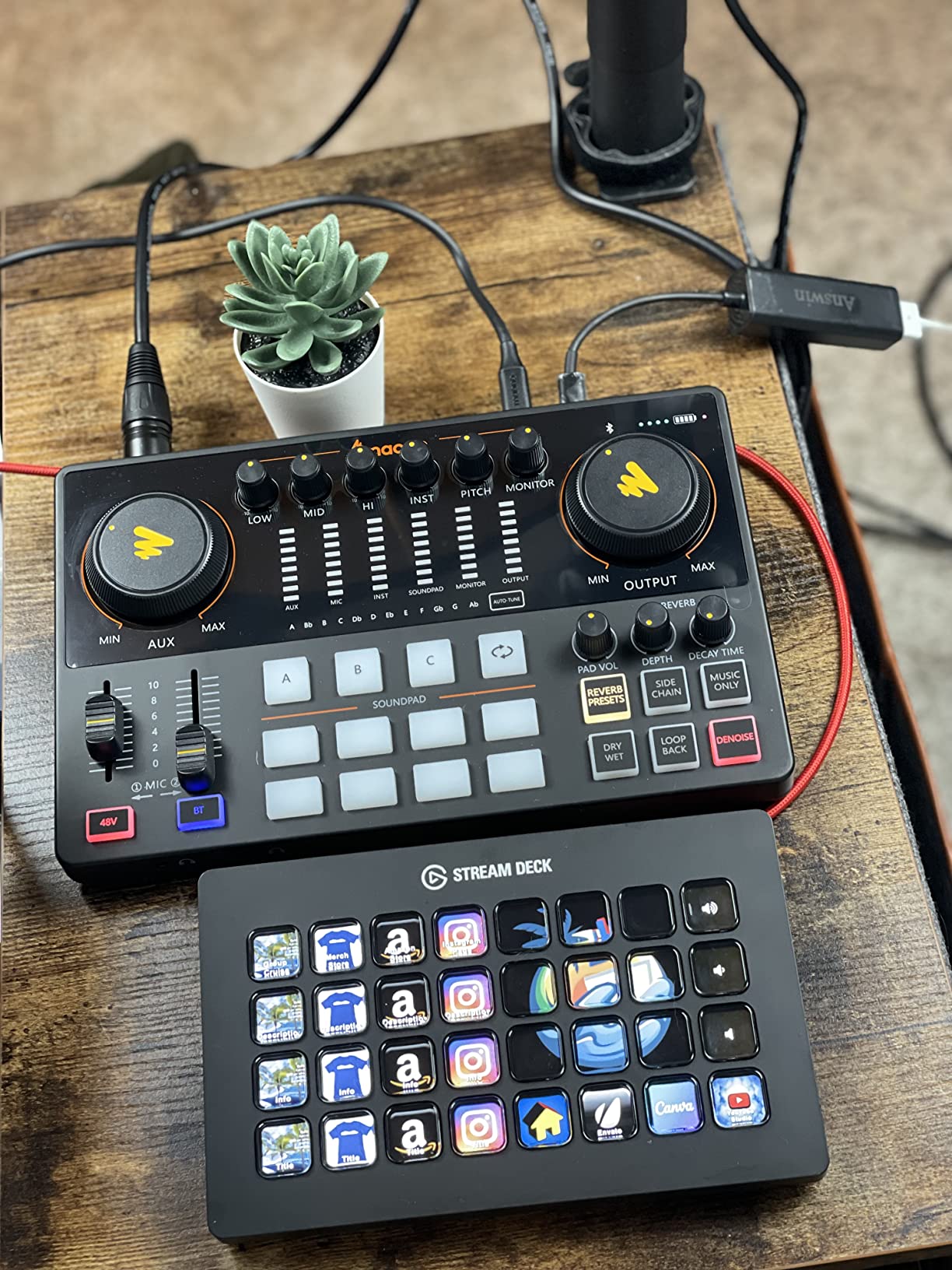
The negative reviews cluster in two places. Some buyers report echo and doubled audio during streaming, and a number of owners find the process of uploading custom audio to the sound pads poorly documented and hard to discover. A separate XLR cable is needed for each microphone, and it is not included.
At 4.3 across 750 reviews this shares the highest one-star share in the group, and the limitations are about capture rather than features. This is a live mix tool, not a clean multitrack recorder, so if your show needs editable tracks per speaker the PodTrak P4 is the correct device instead.
Sound pads and denoise as live tools
Intro music, outro music and a stinger under a question are all one button press on this console, and the denoise stage is a real assist in a room that has not been treated. That combination is why plenty of first-time creators buy this instead of a plain interface.
Echo reports and the streaming trade-off
The streaming complaints are worth taking seriously if your show is live. This console produces a live blend, so doubling or echo on a stream usually means routing the return path twice rather than a defective unit, but you will be troubleshooting it yourself.
10. MOTU M4: Best LCD Metering for Growing Multi-Mic Shows
Motu M4 4×4 USB-C Audio Interface
4-in/4-out
Two mic preamps
24-bit/192kHz
LCD metering screen
Pros
- Most inputs in the roundup with loopback and MIDI included
- Two preamps with switchable 48V and 192kHz conversion
- LCD screen makes metering far easier than LED-only rivals
- Low-latency hardware monitoring
- Bus-powered over USB-C with Performer Lite included
Cons
- The most expensive interface here
- Only two mic preamps despite four line inputs
- Bundled production software is light
The MOTU M4 is the choice when a show is outgrowing two channels but you are not ready for a podcast console. It is a 4-in/4-out USB-C interface with two mic preamps, 48V phantom power, 24-bit/192kHz converters, hardware low-latency monitoring, loopback and MIDI I/O.
The LCD screen is the quiet hero. It handles metering and setup in hardware, which removes the guesswork of setting a level by ear or by a single LED, and that is the specific pain point that shows up again and again in reviews of interface-only boxes. At 4.6 across 908 reviews it also has the lowest one-star share of anything in this roundup at 4%.
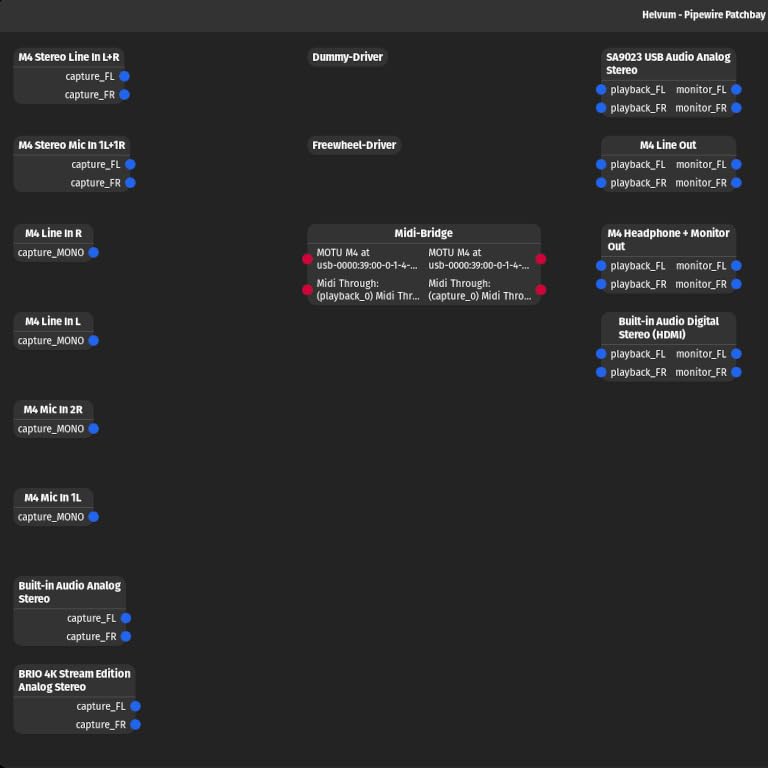
Loopback covers streaming, the bundled Performer Lite and Ableton Live Lite cover a beginner’s software need, and the whole unit runs on bus power over USB-C. It is also the largest box here at 8.25 inches wide, so desk space matters more than it does for the compact two-channel options.
The trade-offs are price and a detail that catches people out. There are four inputs but only two microphone preamps, so extra XLR microphones need an adapter or a mixer to reach them, and the bundled production software is light next to the Universal Audio bundle. It is the only product in this roundup where I would ask whether you need the extra channels yet.
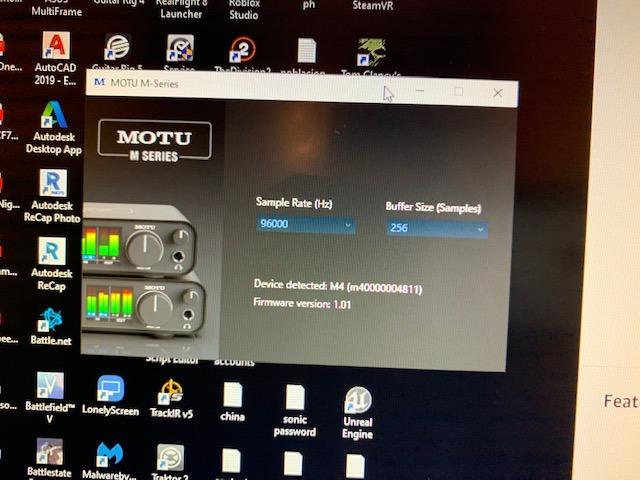
LCD metering for multi-guest sessions
When more than one person is being recorded, a hardware meter is worth a lot. You can see a hot channel before it clips instead of discovering it in the waveform later, which is why this box keeps coming up for panel-style shows.
Two preamps behind four inputs
Read the specification carefully here. Four-in/four-out describes line-level routing, not microphone capacity. A third and fourth XLR microphone still needs an external preamp or mixer, which pushes you back toward the PodTrak P4 for pure microphone count.
Buying Guide: How to Choose a USB Audio Interface for Podcasting
Mic Inputs and Channel Count
This is the single most decisive factor and it is worth getting right before anything else. A solo narrator needs one XLR input, a host and co-host in the same room need two, and a panel or a show with a remote guest in person needs three or four. Forum answers consistently rank input count above sound quality when people ask which interface to buy, and we agree.
Count XLR microphone inputs, not total inputs. The MOTU M4 has four-in/four-out but only two mic preamps, so a third microphone still needs help. The Zoom PodTrak P4 is the only device here with four genuine XLR microphone inputs.
Preamp Quality and Gain
Gain is the number that decides whether a microphone works at all, and it is measured in dB. The boxes here range from 60dB on the Shure MVX2U, RODE AI-1 (after its firmware update) and MAONO AME2, through 70dB on the Vocaster One, up to the unspecified headroom of the PodTrak P4, which reviewers report is enough for dynamic microphones without an inline booster.
Low-output dynamics such as the Shure SM7B and the RODE PodMic need far more gain than a typical condenser, and if the interface cannot deliver it cleanly you are buying hiss instead of headroom. Our microphone picks by output level are useful for matching a mic to a preamp before you commit. An inline booster such as a Cloudlifter or FetHead is only worth adding when the interface genuinely runs out of gain, not when you have not turned the knob up yet.
Phantom Power and Mic Compatibility
Phantom power is 48V sent up the XLR cable to power condenser microphones. Dynamic microphones do not need it and are not damaged by it in normal use. All ten picks in this roundup provide switchable 48V on their mic inputs, so condenser compatibility is not a differentiator here.
What does differ is how phantom power is switched. On the RODE AI-1 and the MOTU M2 it is a press on a control, on the PodTrak P4 it is per channel, and on the MAONO AME2 it is a switch per input. Per-channel switching matters the moment one person is on a ribbon microphone and another on a dynamic.
Monitoring, Loopback and Routing
Monitoring is how you hear yourself without the delay of a round trip through software. Direct or hardware monitoring routes the signal inside the box so latency is effectively zero, and every pick here provides some form of it. Two-LED-only metering, as on the Universal Audio Volt 2, makes that a slower process than a box with a meter screen.
Loopback captures computer system audio alongside your microphone, which is what you need to record a remote call guest, a music bed or a streaming game on the same track. The MOTU M2, MOTU M4, Audient EVO 4 and Vocaster One all include it. The Zoom PodTrak P4 handles call audio differently, with automatic mix-minus and a TRRS input, which is a more reliable answer for phone interviews than raw loopback.
Bit Depth and Sample Rate
24-bit is the sensible floor and every device here meets it. The sample rate ceiling matters less for speech than most roundups imply, since 48kHz is the broadcast standard, but it does decide future flexibility. Four of these boxes reach 192kHz, the Audient EVO 4 and RODE AI-1 stop at 96kHz, and the Shure MVX2U and Vocaster One top out at 48kHz.
The one place the ceiling actually matters is the Zoom PodTrak P4, which records to SD card at 16-bit/44.1kHz. That is below broadcast spec, so it matters if you are producing a show to a formal delivery standard rather than publishing straight from the recorder.
Connectivity, Drivers and Software
Driver friction is the most common source of frustration in podcast forums and it varies more than the price suggests. The bus-powered units here, including the MOTU M2, MOTU M4, Audient EVO 4 and Shure MVX2U, are the simplest because they are class-compliant and need no separate driver. The Focusrite units, MOTU utilities and the Shure MOTIV app all add a layer, and MOTIV Mix in particular is required for gain changes on the MVX2U.
Check the cable too. Several of these include a USB-A to USB-C cable rather than a C-to-C cable, so a laptop with USB-C ports only may need an adapter. Software bundles are generous across the group, with Pro Tools Intro, Ableton Live Lite, Cubase LE, LUNA, Performer Lite and free content libraries all appearing somewhere, but if you already own a DAW these are shelfware rather than value.
Solo, Two-Host or Panel: Choosing by Show Format
Match the interface to the format, not to the specification sheet. A solo narrator or voiceover artist needs one clean preamp and nothing else, so the Focusrite Scarlett Solo 4th Gen is the answer, and the Focusrite Vocaster One suits a beginner who wants Auto Gain and Mute buttons more than flexibility. Both handle a dynamic broadcast microphone without an inline booster.
A host and co-host in one room need two real microphone preamps. The MOTU M2 is the balanced choice, because the second preamp can carry a music bed at the same time, and the Audient EVO 4 is the choice for anyone who also records instruments. The RODE AI-1 and Shure MVX2U do not fit this format at all, because they are single channel by design.
A panel of three or four, or a show with a remote guest in the room, changes the requirement to three or four XLR inputs and per-person headphone control. The Zoom PodTrak P4 is built exactly for that, and the MAONO AME2 is the live-show alternative with sound pads and a denoise stage. The MOTU M4 only reaches two microphones despite its four inputs, so it fits a panel where two people are on XLR and the rest are on line or USB sources.
Do You Already Have a USB Microphone?
If you already record with a USB microphone, an interface does not replace it. A USB mic has its own converter, preamp and monitoring built in, so plugging into an interface means plugging the mic’s USB output into a box that will not improve it. The interface is the right upgrade when you move to XLR microphones, because that is where the gain, the multiple inputs and the per-person monitoring actually live.
That said, a USB microphone is a perfectly good first step, and many hosts start there before moving to XLR. Our guides to the best USB microphones and the best audio interfaces overall cover both sides of that decision. The moment your show needs a second voice, a guest in the room or a lower noise floor, moving to an XLR microphone and one of the interfaces above is the upgrade that matters.
One exception is worth knowing. The Shure MVX2U sits between the two categories, because it converts an existing XLR microphone into a USB input. If you already own a studio XLR microphone and a laptop, that is the shortest path between them.
Frequently Asked Questions
What is the best audio interface for podcasting?
The Focusrite Scarlett Solo 4th Gen is the best overall choice for a solo voice, with one clean XLR preamp, 120dB of dynamic range and 24-bit/192kHz operation. For three or four speakers, the Zoom PodTrak P4 offers four XLR inputs and four independent headphone outputs. For a host and co-host who also want a music bed, the MOTU M2 gives you two real preamps.
What is the best audio interface for podcasting with two people?
You need two microphone preamps, which rules out single-channel devices like the RODE AI-1, Shure MVX2U and Focusrite Vocaster One. The MOTU M2 is the strongest two-channel option because the second preamp can record a co-host microphone and a music bed together, and the Audient EVO 4 adds a JFET instrument input if you also record music.
What is the best audio interface for a podcast with 3 mics?
The Zoom PodTrak P4 is the clear answer, with four XLR mic inputs, switchable 48V phantom power per channel and four independent headphone outputs. It records 6×4 multitrack WAV to SD card so each speaker lands on a separate track, and it includes automatic mix-minus for phone call-in interviews.
Do I need phantom power for podcasting microphones?
You need 48V phantom power only for condenser microphones, which require the voltage to operate. Dynamic microphones such as the Shure SM7B and the RODE PodMic do not need it and work without it. Every interface in this roundup provides switchable 48V, so it is not a differentiator, though per-channel switching matters when two people use different microphone types.
How much gain do I need for an SM7B or RODE PodMic?
Low-output dynamic microphones need far more preamp gain than a typical condenser, and the figure to compare is total gain in dB. The Shure MVX2U and the RODE AI-1 after its firmware update reach about 60dB, while the Focusrite Vocaster One reaches 70dB. If an interface runs out of clean gain, an inline booster such as a Cloudlifter or FetHead is the next step rather than accepting a noisy recording.
Do I need an audio interface if I already have a USB microphone?
Only if you move to XLR microphones. A USB microphone already contains its own converter, preamp and monitoring, so an interface will not improve it. The interface is where you gain multiple XLR inputs, per-person headphone monitoring and enough clean gain for low-output dynamic microphones, all of which a single USB mic cannot provide.
Bottom Line
For one voice, buy the Focusrite Scarlett Solo 4th Gen. For two people in a room with a theme bed, buy the MOTU M2. For three or four speakers, remote call-ins or a panel, the Zoom PodTrak P4 is the one that solves the problem the other nine cannot, and the MOTU M4 is the sensible next step up once a show outgrows two microphones. Whatever you choose from our best USB audio interfaces for podcasting list, match the input count to your show format first, then confirm the gain will drive your microphone cleanly.