
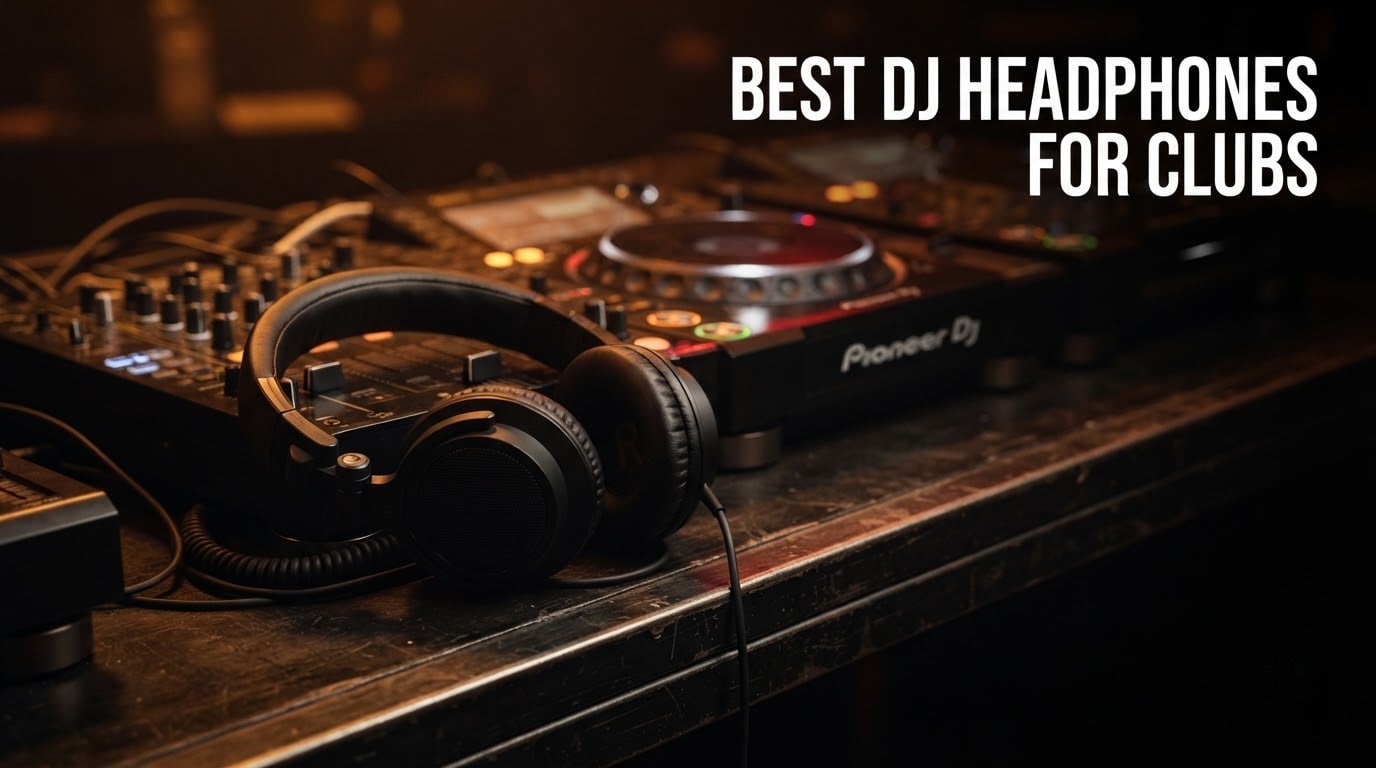
Most professional DJs reach for a closed-back, wired, on-ear pair like the Sennheiser HD 25, with the Pioneer DJ HDJ series and the Audio-Technica ATH-PRO5X close behind. Those three cover the overwhelming majority of club booths because they isolate well, run loud without distorting, swivel a cup out of the way for one-ear cueing, and take a beating for years.
That matters because a club booth is the hardest listening environment in DJing. You are cueing the next track at volume while a PA pushes hundreds of decibels of low-mid energy through the room, the lighting rig is cooking the deck, and four hundred people are moving around in front of you. Headphones that sound wonderful at home can be useless in that room, and headphones that feel great after twenty minutes can fall apart after twenty sets.
We compared ten pairs that regularly show up in booths, from the club standard on-ear models to the over-ear flagships and one dedicated mono single-ear tool. We looked at isolation, maximum output, driver size, impedance, weight, cable termination and how easily each one can be repaired when something finally gives. The list below is the best DJ headphones for clubs in 2026, ranked for booth work first and everything else second.
One note on timing: this roundup was last checked in October 2026, and every specification quoted comes from the manufacturer data for that model. Where reviewers disagree on a pair, we say so rather than picking the flattering side.
Top 3 Picks for Best DJ Headphones for Clubs in 2026
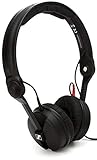
The HD 25 takes the top slot because nothing else in this list is as easy to keep alive. Long-serving owners report lifespans measured in decades, because the cable, the pads and the headband parts are all replaceable and the 140 g weight is the lowest here.
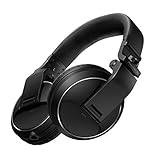
The HDJ-X5 is the value pick, and the only over-ear in the group that is genuinely easy on the budget while still swiveling for one-ear cueing. The HDJ-X7 is the premium step-up for touring DJs who want 50 mm drivers and a metal build that shrugs off road handling.
Best DJ Headphones for Clubs at a Glance (October 2026)
| Product | Specifications | Action |
|---|---|---|
| Sennheiser HD 25 |
|
Check Latest Price |
 Pioneer DJ HDJ-X5 Pioneer DJ HDJ-X5 |
|
Check Latest Price |
 Pioneer DJ HDJ-X7 Pioneer DJ HDJ-X7 |
|
Check Latest Price |
 Technics EAH-DJ1200 Technics EAH-DJ1200 |
|
Check Latest Price |
 Pioneer DJ HDJ-X10 Pioneer DJ HDJ-X10 |
|
Check Latest Price |
 AIAIAI TMA-2 DJ AIAIAI TMA-2 DJ |
|
Check Latest Price |
 Numark HF175 Numark HF175 |
|
Check Latest Price |
 Reloop RHP-10 Mono Reloop RHP-10 Mono |
|
Check Latest Price |
 Audio-Technica ATH-PRO5X Audio-Technica ATH-PRO5X |
|
Check Latest Price |
 Rode NTH-50 Rode NTH-50 |
|
Check Latest Price |
How We Tested These DJ Headphones
We did not run a laboratory. We compared published specifications against what owners report after real booth hours, and we weighted the things that actually decide whether a pair survives a club career.
First, isolation and headroom. A pair that cannot stay clean at high volume in a loud room is out, no matter how it scores on a desk. That means checking sensitivity ratings, impedance, and whether owners report audible distortion when they push it.
Second, one-ear monitoring. Almost every club set uses it, so a pair without a swiveling or liftable cue cup is a real compromise. We noted which designs swivel freely and which do not move at all.
Third, build and repairability. We looked at declared materials, cable termination, whether the cable detaches, and whether the ear pads and headband are user-replaceable. For a pair that gets dropped, sweated on and checked at airports, this decides the second purchase.
Fourth, comfort over a long set. Weight alone tells you very little. An on-ear pad pressing on the ear cartilage for four hours is a different problem from a heavy over-ear sitting on the head, and head shape matters more than the number on the box.
Fifth, honesty about weaknesses. Every product here has at least one complaint that shows up repeatedly in owner feedback, and we put those in the cons list rather than burying them.
1. Sennheiser HD 25 – Best Overall for Club Booth Cueing
Sennheiser Pro Audio Professional HD 25 On-Ear DJ Headphones Black
On-ear
70 ohm
120 dB sensitivity
140 g
16 Hz to 22,000 Hz
Pros
- Extremely light at 140 g
- Handles very high sound pressure levels
- Clear mids and highs for cueing
- Detachable single-sided cable
- Nearly every part is replaceable
Cons
- Small cups can press on the ears in long sessions
- Clamp feels tight until the headband is stretched
- Supplied pads are basic and often replaced
- Virtually no soundstage
I have owned HD 25s on and off for years, and the reason they keep coming back is not sound quality in the abstract. It is that the pair can be repaired in five minutes with a screwdriver and a spare part, and the press is gentle on your head at 140 g. Nothing else in this list is lighter.
The 70 ohm impedance and 120 dB sensitivity combination is the practical headline. It means the pair stays clean and loud off a mixer’s headphone output without a separate amplifier, which is exactly what you want when the booth is already at 105 dB and the cue needs to punch through it.
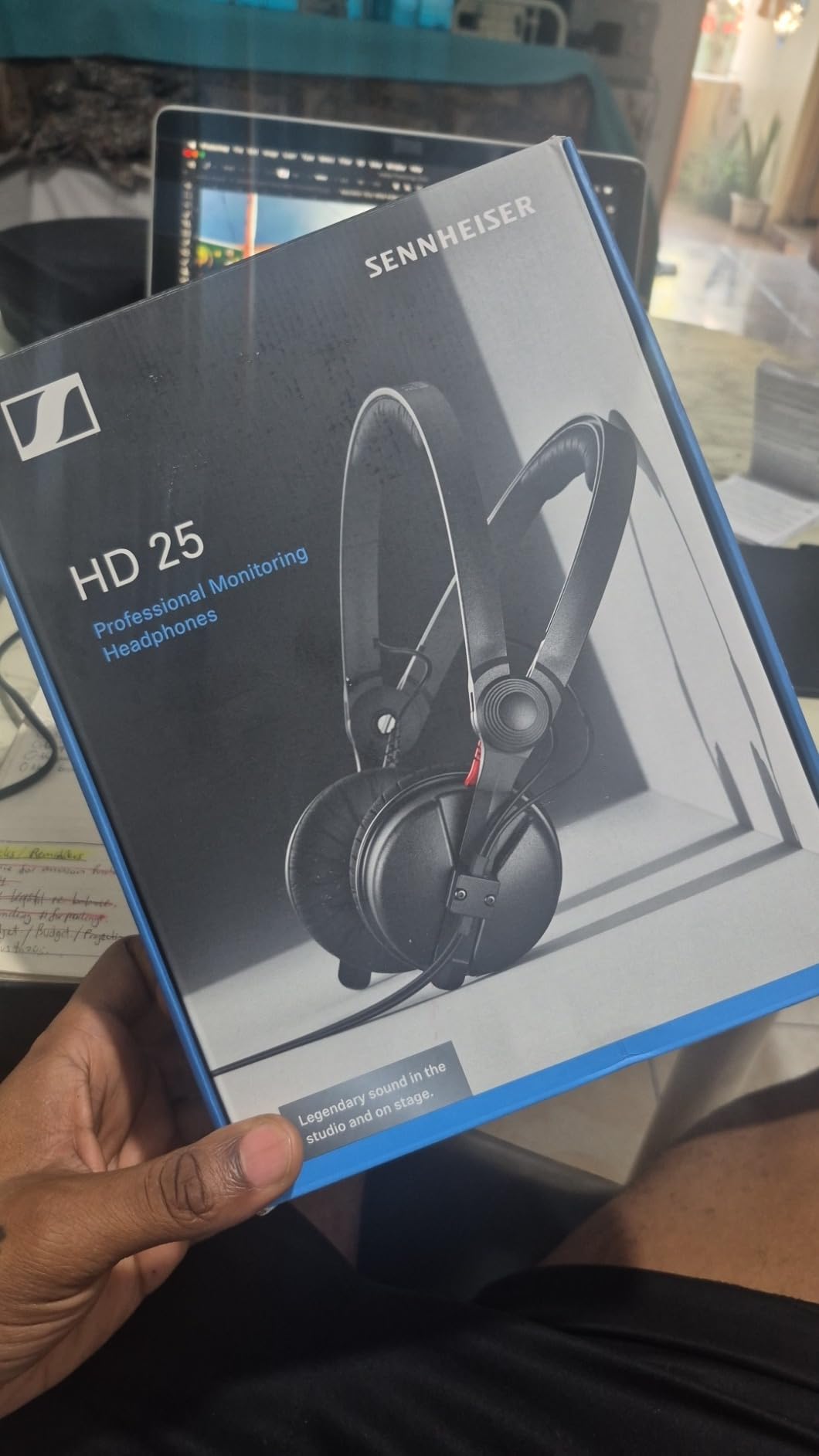
The signature is mid and high forward, with bass that is present but not trying to impress you. For cueing that is the correct bias. The incoming kick and the vocal both sit forward, so you can find the phrase break without waiting for the low end to become obvious.
On the r/DJs headphone threads, this is the pair that gets recommended to people replacing an old set, and the recurring note is that owners have swapped pads and cables rather than replaced the whole headphone. One long-term owner described an AIAIAI TMA-2 DJ as muddy with little clarity next to them, which is exactly the trade the HD 25 makes deliberately.
How the Clamp and Small Cups Will Affect You
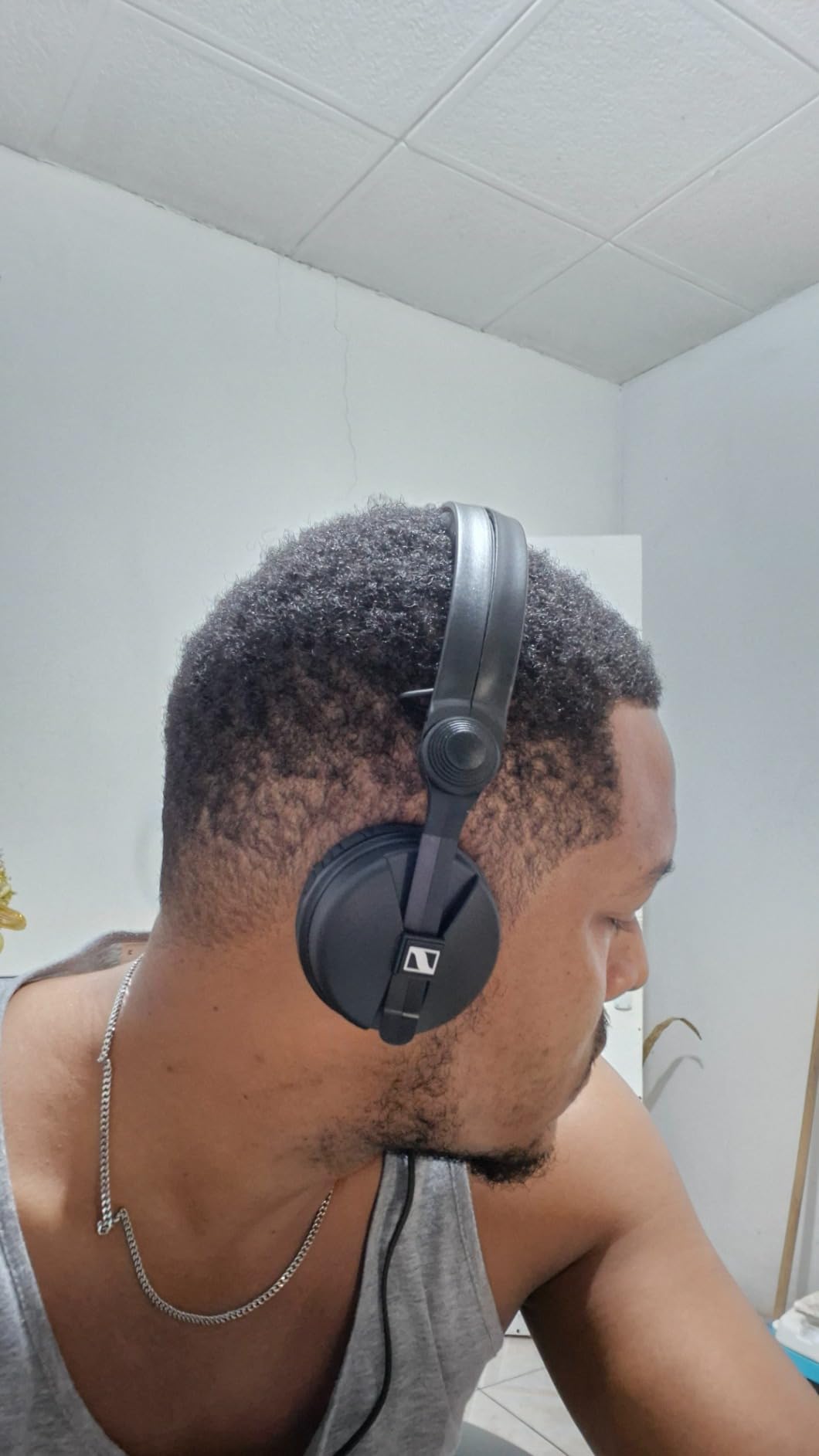
Here is what to check before you commit. The clamp is firm straight out of the box, and several owners describe stretching the headband over a large book for a day to settle it. If your head is narrow, that settling matters a lot more than the weight figure suggests.
The cups are also genuinely small. On-ear pressure, not headband weight, is the most common complaint in owner feedback, and it shows up on head shapes that sit well in over-ear designs. If you already know you get sore ears from on-ear cans, test these against a pair like the ATH-PRO5X before buying blind.
Should You Buy the HD 25 or an Over-Ear Instead?
Soundstage is minimal, which means these are poor casual listening headphones. That is a fine trade for a working tool, but if you plan to use the same pair for long mixes on a sofa, pick something else.
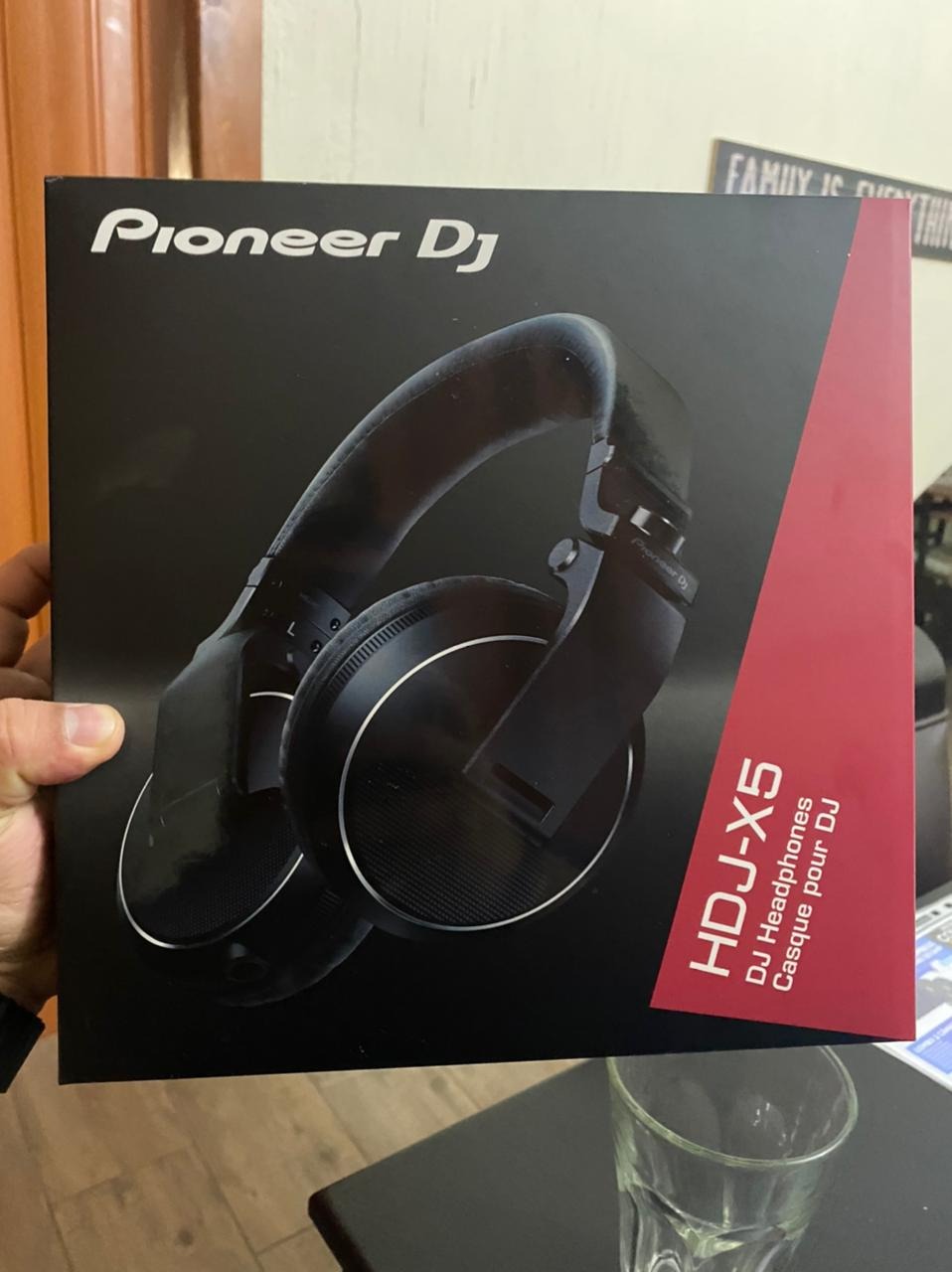
2. Pioneer DJ HDJ-X5 – Best Value Club Headphones
Pioneer DJ HDJ-X5 Professional DJ Headphones – Black
Over-ear
40 mm drivers
32 ohm
102 dB
2.1 lb
Pros
- Very loud output for cueing
- Swiveling cups for one-ear monitoring
- Good passive isolation
- Solid bass with clear mids and highs
- Comfortable over long sessions
Cons
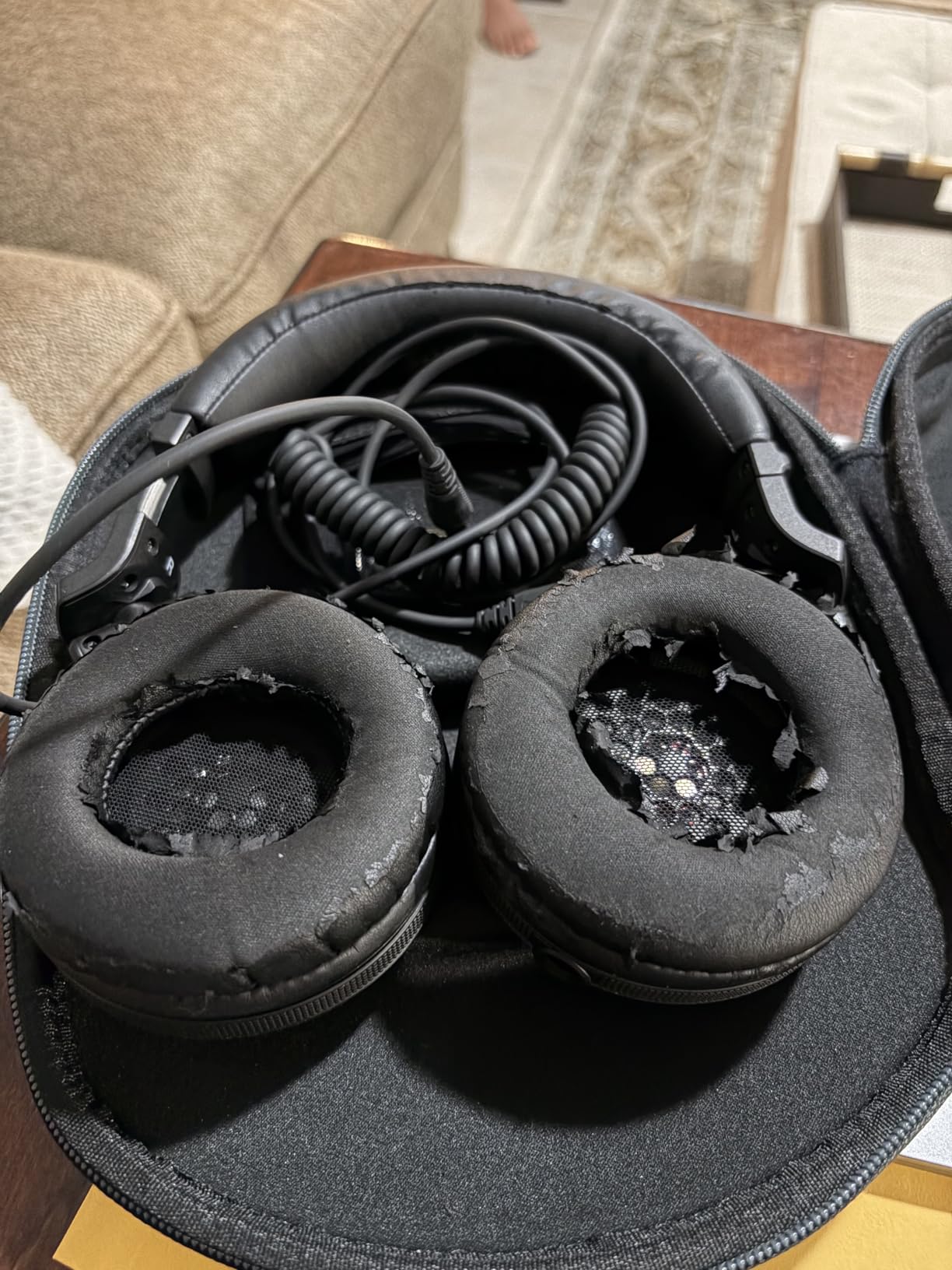
- Predominantly plastic build with a weak swivel pivot
- Strong clamping can feel on-ear rather than over-ear
- Bass-forward voicing suits clubs not critical mixing
- Soft carrying case rather than a hard shell
The HDJ-X5 is the pair I recommend to anyone starting out who plans to play out rather than practise at home. It does the two booth jobs well: it is loud, and it swivels. The 32 ohm impedance means any controller or mixer drives it comfortably with no extra hardware.
It is an over-ear design with 40 mm dynamic drivers, so the pads seal better around the ear than a true on-ear cup. In a bar with a modest system, that seal is the difference between hearing your cue and guessing at it.
Owners consistently praise the output level and the isolation, and they consistently complain about the plastic. Several reviewers report the swivel pivot or the earcup mount cracking within roughly a year of touring use, and that is the single most important thing to know about this pair.
For a bedroom and a few local bookings, it is the right tool. For someone who flies monthly, I would step up to the HDJ-X7 instead, where the same swivel concept is supported by a metal-reinforced build.
Can the Plastic Build Handle Regular Touring?
Two smaller things to check. The clamping force is firm enough that some wearers describe it as sitting on the ear rather than around it, which is a common on-ear complaint wearing an over-ear shell. And the included case is a soft bag, so it will not take a baggage conveyor on its own.
If your schedule is a handful of local bars a month, the plastic is a fair trade for the price. If it is a monthly flight, the failure mode is a snapped swivel in an airport queue, and the repair cost is close to buying the step-up model again.
HDJ-X5 or HDJ-X7 for Your Situation
Sonically it is bass-forward. That is useful in a club and wrong for reference mixing, so if you also produce, keep a neutral pair on the shelf.
Between the two Pioneer models, the decision is simple: buy the X5 for a fixed room and a lot of practice hours, and the X7 for anything that involves a road. Both swivel, which is the feature you should not compromise on.
3. Pioneer DJ HDJ-X7 – Most Versatile for Touring DJs
Pioneer DJ HDJ-X7 Professional Over-Ear DJ Headphones, 50 mm, Black
Over-ear
50 mm drivers
36 ohm
312 g
5 Hz to 30,000 Hz
Pros
- Clear and accurate monitoring for cueing
- Strong booth isolation
- Road-tested durable build
- Swiveling cups for one-ear use
- Detachable replaceable cable
Cons
- Heaviest mid-weight option at 312 g
- Costs more than 40 mm entry models
- Cable plugs in on one side only
The HDJ-X7 is what I consider the safest booth purchase for a working DJ. It is a 50 mm over-ear with a stainless steel reinforced build, a detachable cable, and a 5 Hz to 30,000 Hz range that keeps the low end present without smearing it.
At 36 ohm it is efficient enough to run off standard mixer output, and 649 owners have left ratings on it, which is a lot of real booth time for a product at this level.
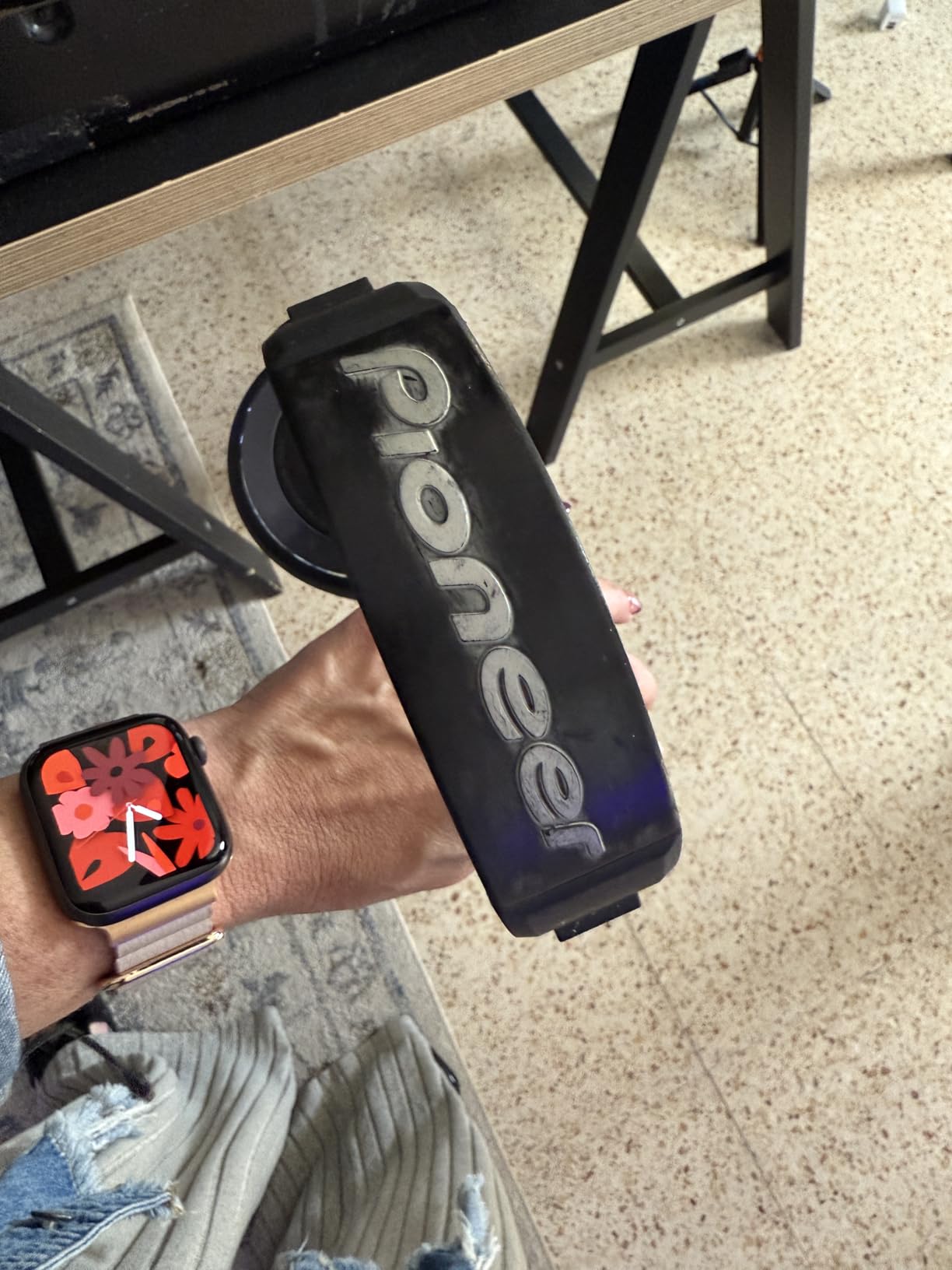
In r/Beatmatch, users describe the HDJ-X7 as heavy but super resistant, and that is an accurate summary. The weight is a real consideration over a four-hour festival set, but the build is the one you want when the pair lives in a flight case and gets assembled in a car park in the rain.
The swivel earcup is the standard Pioneer one. It rotates far enough to rest a cup against the neck while you line the track up, which is the posture most club DJs actually work in.
Getting Used to a 312 g Over-Ear Fit
One honest warning: if you are used to an on-ear pair and switch to this, the sense of pressure on your head is completely different. Give it a full set before deciding it is heavy, because the comfort profile changes once the pads settle.
Distribute the weight in your own case. A loose fit lets the cups migrate through a long set and breaks the seal you are relying on for isolation, so a snug headband is doing more work here than it would on a lighter on-ear pair.
Where the One-Sided Cable Actually Matters
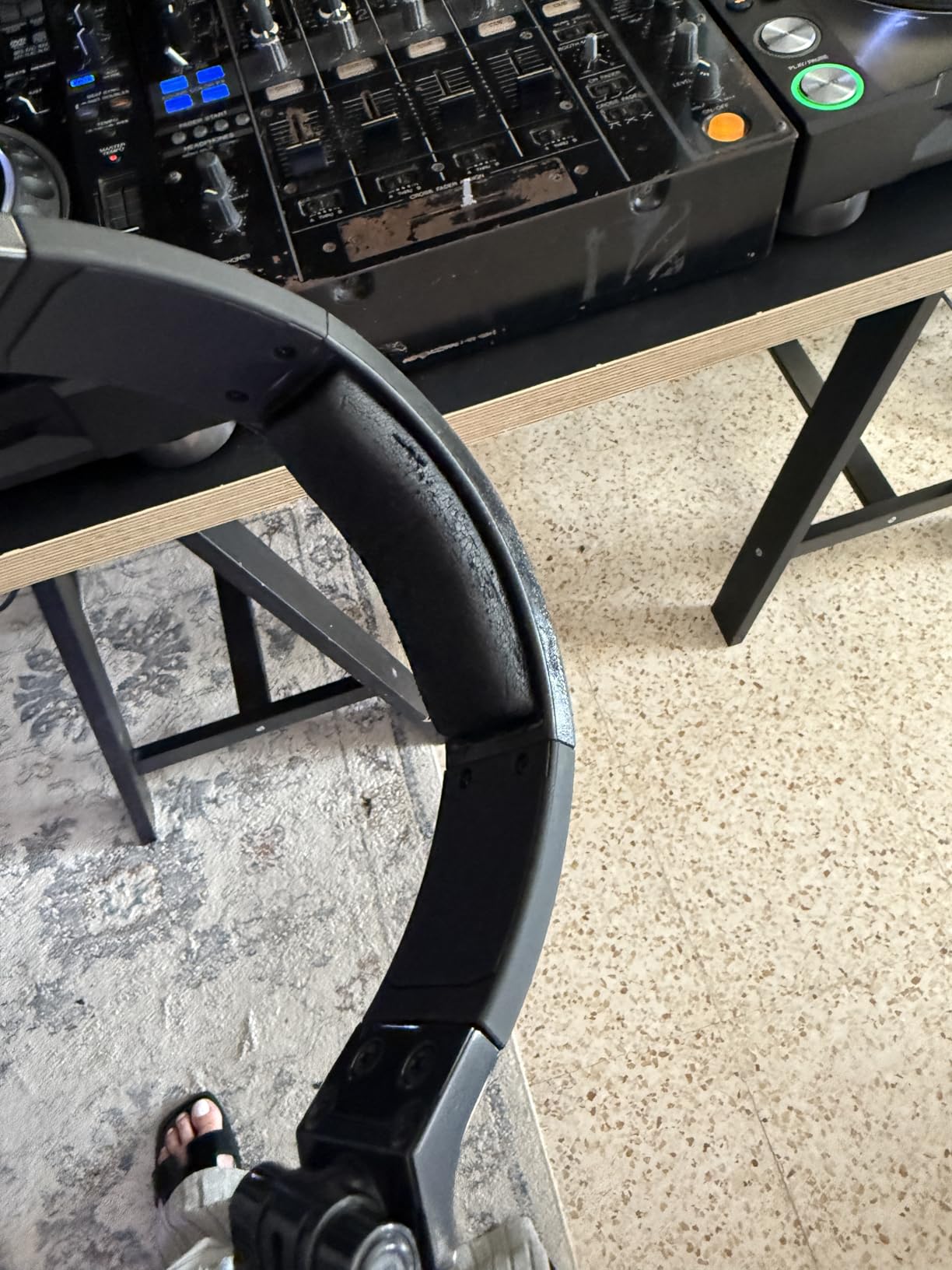
The cable attaches on one side only. That is a deliberate design choice to keep the cable out of the way, and it does mean you cannot plug the spare cable in on the other cup if your mixer cable routing demands it.
Check your rig layout before buying. If your mixer sits to your right and your headphone jack is fixed on the left, a one-sided cable is a small daily annoyance that you will notice every single set.
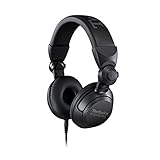
4. Technics EAH-DJ1200 – Best for Locking Cables and Touring
Technics Professional DJ Headphones with 40mm CCAW Voice Coil Drivers, 270° Swivel Housing and Locking Detachable Cord; Lightweight, Foldable High Input – EAH-DJ1200 (Black)
On-ear
40 mm CCAW
45 ohm
233 g
Locking detachable cord
Pros
- Locking detachable cord resists unplugging
- 270 degree lockable swivel housing
- 40 mm CCAW drivers stay clean at volume
- Lightweight and foldable for transport
- Coiled and straight cables plus adaptor included
Cons
- On-ear pressure over extended sets
- 45 ohm needs a decent output source
- No hard protective case
The Technics wins on cable engineering, and in a club that is not a minor feature. A locking detachable cord with a 270 degree lockable swivel housing is a genuinely different level of insurance against a cable working loose in the middle of a transition, and the box includes a 1.5 m coiled cord, a 1.2 m straight cord and a 6.35 mm adaptor.
The 40 mm CCAW voice coil drivers are rated at 2500 mW of high-durability input, which is a large headroom figure for a pair this size. Owners report clean, balanced sound at high volume with no sense of strain.
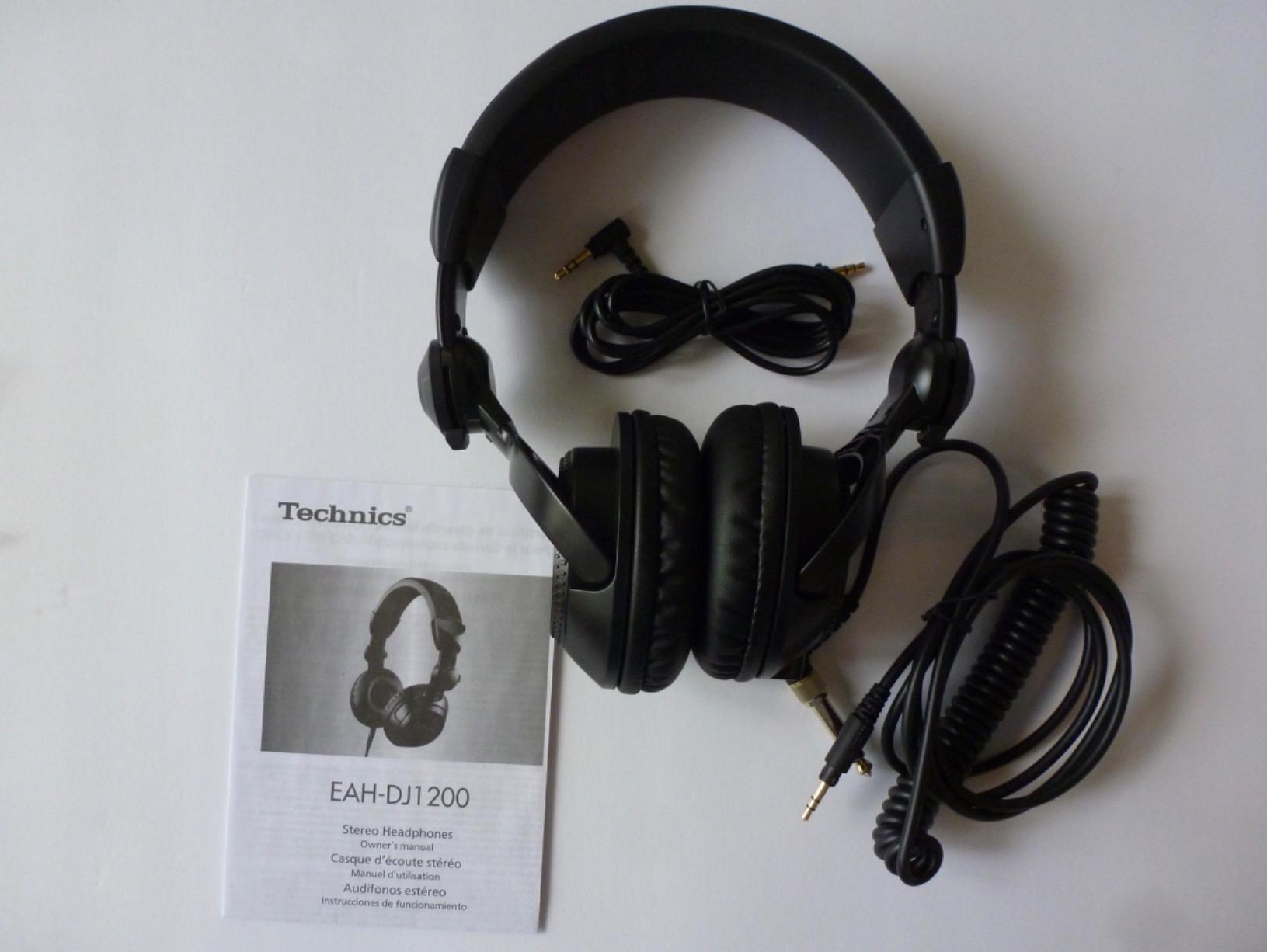
At 233 g it is heavier than the HD 25 but far lighter than the over-ear flagships, and it folds flat for transport. For a DJ who moves between rooms with a bag rather than a flight case, that is a practical balance.
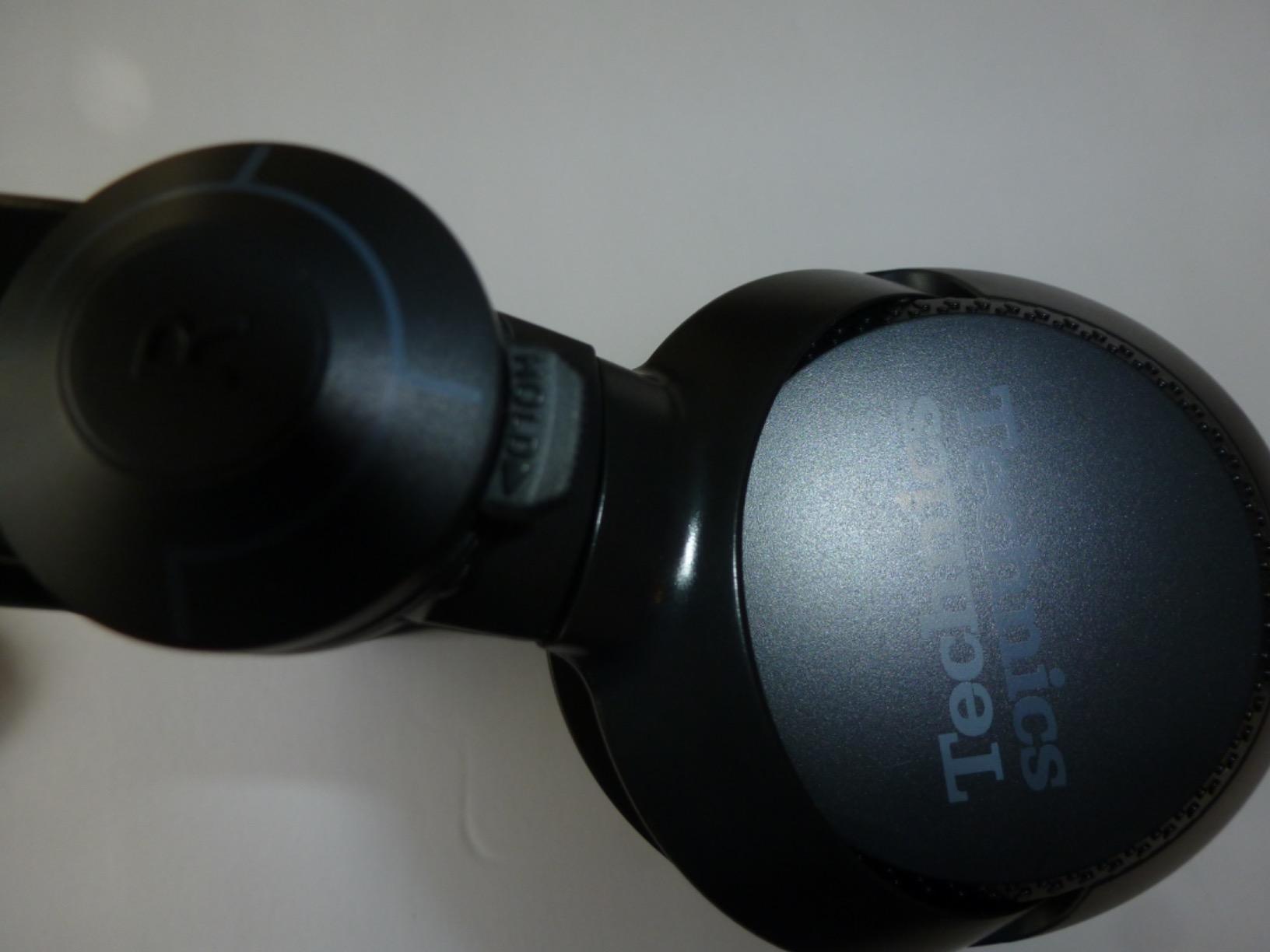
The pads are soft synthetic leather, chosen by the manufacturer to slow deterioration from sweat and everyday use. That is a sensible material choice for club work, where a pair gets sweated on every weekend.
What 45 Ohm Means for Your Signal Chain
The main drawback is the same one that applies to most on-ear designs: the cup can press on the ear over an extended set. The 45 ohm impedance is also higher than most rivals here, so if you are feeding it from a phone or a small controller rather than a mixer, output will be lower.
Any booth mixer with a headphone out will drive it without complaint. It is laptop setups and phone-based practice sessions where you will reach for the volume control first, and that is a fair thing to know before you commit.
Budgeting for a Case and Spare Cables
There is no hard case in the box, only a soft pouch. For touring, budget for a case, because the foldable design will not protect the pads from a checked bag on its own.
Set aside the cost of a second cable when you work out the total. The locking connector is the feature you are paying for, and having a spare already attached means a snag in a club never becomes a silent second.
5. Pioneer DJ HDJ-X10 – Best for Low-End Detail in Loud Shows
Pioneer DJ HDJ-X10 Flagship Over-Ear DJ Headphones, 50 mm, Silver
Over-ear
50 mm drivers
32 ohm
6.35 mm jack
3.2 lb
Pros
- Highest rated in this group at 4.8 stars
- 50 mm drivers with real low-end detail
- Extra clarity in the low end for live shows
- Refined build with a leather case
- Reliable XLR-style 4-pin connection
Cons
- The most expensive pick here
- Ear pads are not easily user-replaceable
- Some owners find maximum volume lower than older HDJ1000 models
The HDJ-X10 is the flagship, and at 4.8 stars from 376 owners it has the highest rating of any pair in this roundup. The 50 mm drivers deliver the extra low-end clarity that owners single out as the step up from the X7, which matters when you are cueing in front of a large system.
It connects through a 6.35 mm jack with a reliable XLR-style 4-pin cable and separate ground wires, so the connection is a proper one-piece plug rather than a loose 3.5 mm into a socket. On a flagship pair, that level of detail is consistent.
Build quality is the other argument. A refined solid design, a nano coating on the cups, and a leather carrying case make this the pair that feels like equipment rather than an accessory. The listed weight of 3.2 lb is the heaviest in the group, so comfort over a long set depends on head shape and pad contact.
It is also listed as water resistant, which is not nothing when the booth roof leaks.
Is the Flagship Price Worth the Step Up?
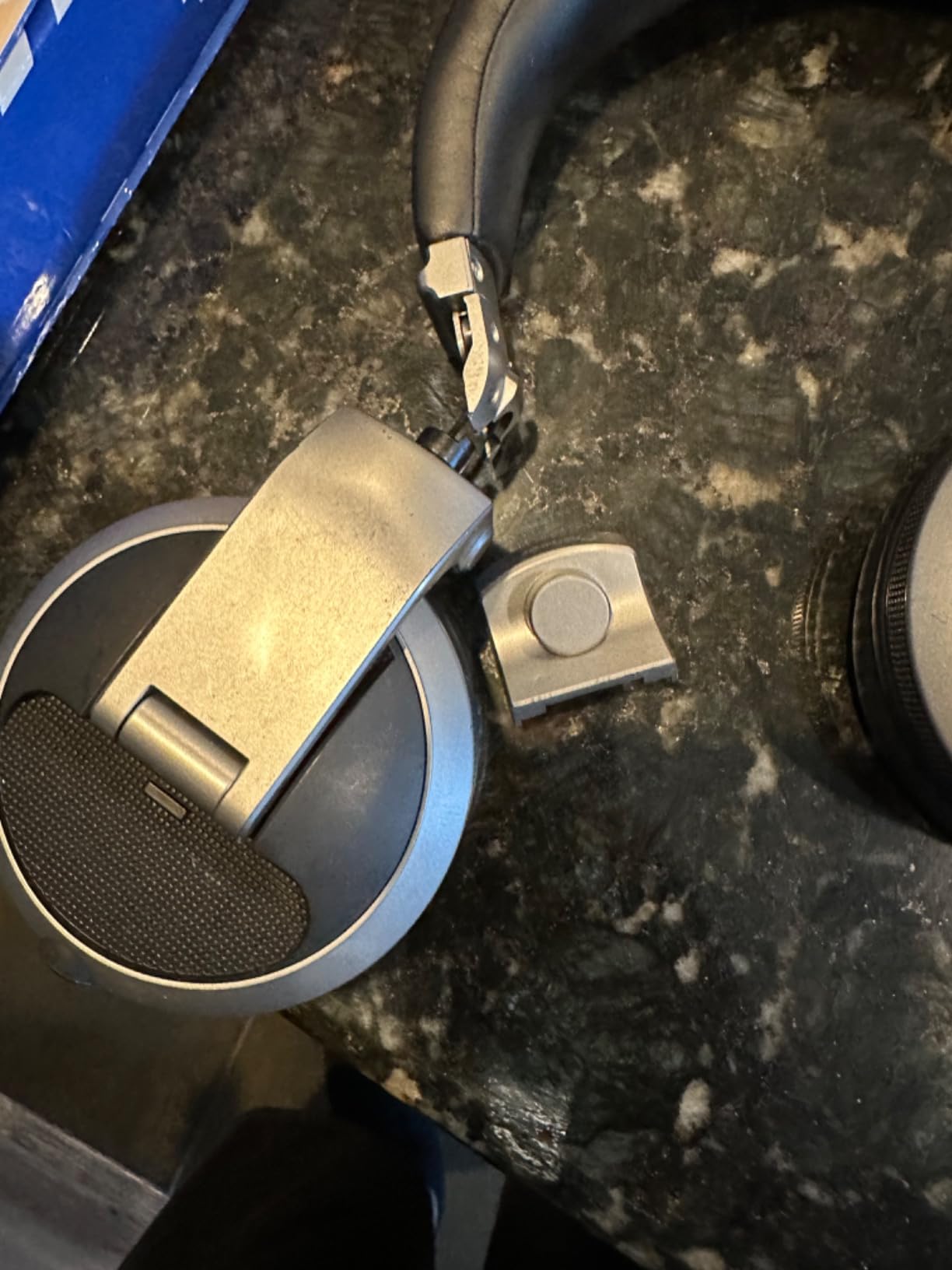
Two honest weaknesses. First, the ear pads are not easily user-replaceable, which is a genuine drawback for a pair that costs this much and will eventually need new pads after years of club work. Second, a minority of owners feel the maximum volume is slightly lower than older HDJ1000-series models, which is worth knowing if you move very loud systems.
Run the numbers on your own use rather than the spec sheet. If you play large systems where low-end definition decides your transitions, the upgrade is doing real work. If you play smaller rooms, the X7 gives you most of the monitoring advantage for considerably less.
Replacing Ear Pads on the HDJ-X10
At flagship pricing, the return over the X7 is real but not dramatic. I would buy this if the pair will be your main gigging tool for years, and think hard if it is a second pair.
Before you buy, confirm you are comfortable with pads that age rather than get swapped. The same money spent on a model with user-replaceable pads can keep the pair alive indefinitely, which matters if club work is a long-term plan rather than this season.
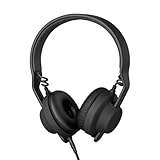
6. AIAIAI TMA-2 DJ – Best for Punchy Bass and Modularity
AIAIAI TMA-2 DJ Wired On-Ear DJ Headphones, Punchy Bass, Black, Isolation
On-ear
40 mm bio-cellulose
32 ohm
117 dB
190 g
Pros
- Punchy bass-forward drivers cut through loud rooms
- Memory foam PU leather cushions give strong isolation
- Reinforced headband and silicone head pad
- Modular design makes parts easy to replace and upgrade
- Speaker units made from recycled plastic
Cons
- Bass-heavy voicing is not reference-flat
- On-ear fit can fatigue the ears over very long sets
The TMA-2 DJ is the one to buy if you want to hear the low end more than most reviewers want you to. The 40 mm bio-cellulose driver and the internal vent are tuned for intense low-end dynamics, and at 117 dB sensitivity with 32 ohm impedance it is both loud and easy to drive.
The isolation is a real strength. Memory foam on-ear cushions wrapped in soft PU leather block a surprising amount of room noise for an on-ear design, and that is the specification that matters most in a club.
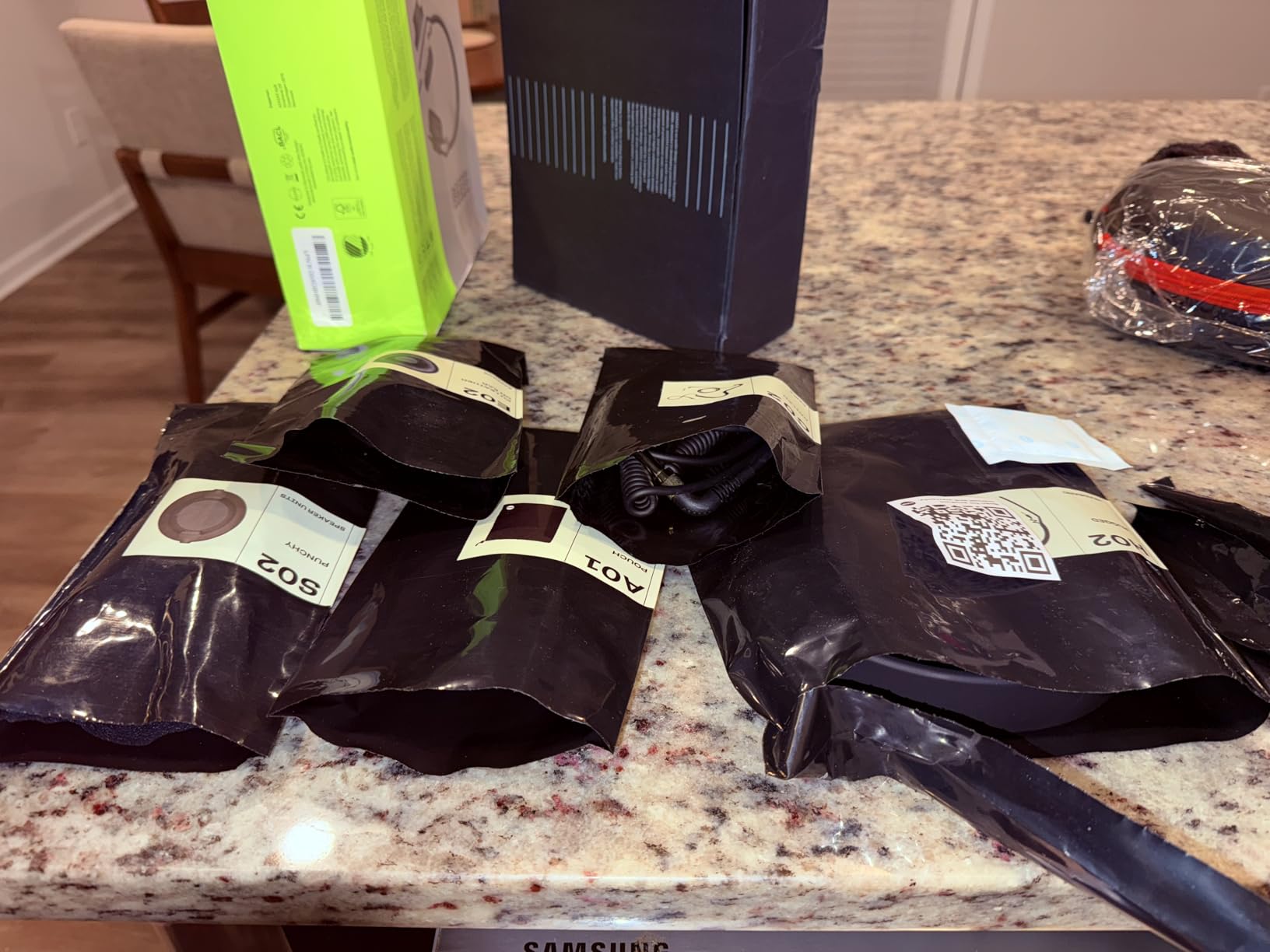
The modularity is the quiet star. Individual parts of the TMA-2 DJ are easy to customise, replace and upgrade, so instead of retiring a broken pair you replace the failed component. For a working DJ, that changes the ownership maths completely.
Durability details are deliberate too: a reinforced headband, an injection moulded silicone head pad for grip, and speaker units made from 100 percent recycled plastic.
Bass-Forward or Neutral Monitoring?
Now the honest part, and it is not small. The bass-forward voicing is the most common complaint in owner feedback, particularly from people who want flatter monitoring. On the r/DJs comparison threads, a long-serving HD 25 owner described the TMA-2 DJ as muddy with little clarity, and that criticism is fair if your genre and system reward detail rather than weight.
Decide what you are using the pair for before you buy. Beatmatching and low-end-heavy genres in a room with a big system is exactly the brief the TMA-2 DJ was voiced for. Fine-grained mixing and checking whether a transition is clean is where a neutral pair wins.
What Modularity Changes About Ownership
It is also an on-ear design at 190 g, so the same ear pressure question applies as with the HD 25, just with slightly more mass on the head.
That repairability is the part that outlasts the sound signature. Even if the voicing is not for everyone, being able to replace a headband, a pad or a driver unit turns a dead pair into a spare part instead of a write-off, and no other model in this list offers it at this weight.
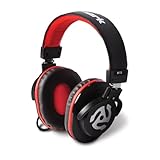
7. Numark HF175 – Budget Pick for Home Practice
Numark HF175 Closed-Back DJ Headphones
On-ear
40 mm neodymium
32 ohm
0.28 kg
Fixed 3 m cable
Pros
- Lowest barrier to entry in the group
- 40 mm neodymium drivers are clear and powerful
- Closed back with swiveling ear cups
- Padded cushions and adjustable steel headband
- 3 m cable plus 3.5 mm and 6.35 mm adapters
Cons
- Sound and isolation are entry-level
- Cable is fixed and not replaceable
- On-ear pads are less isolating than true over-ear
The HF175 is the honest answer for someone learning on a controller at home. Forty millimetre neodymium drivers, a closed back with swiveling ear cups, padded cushions and an adjustable stainless steel headband cover every requirement of beatmatching without pretending to be a studio tool.
It includes a 3 m cable and both 3.5 mm and 6.35 mm adapters, so nothing else needs buying. At 32 ohm it drives off anything with a headphone output.
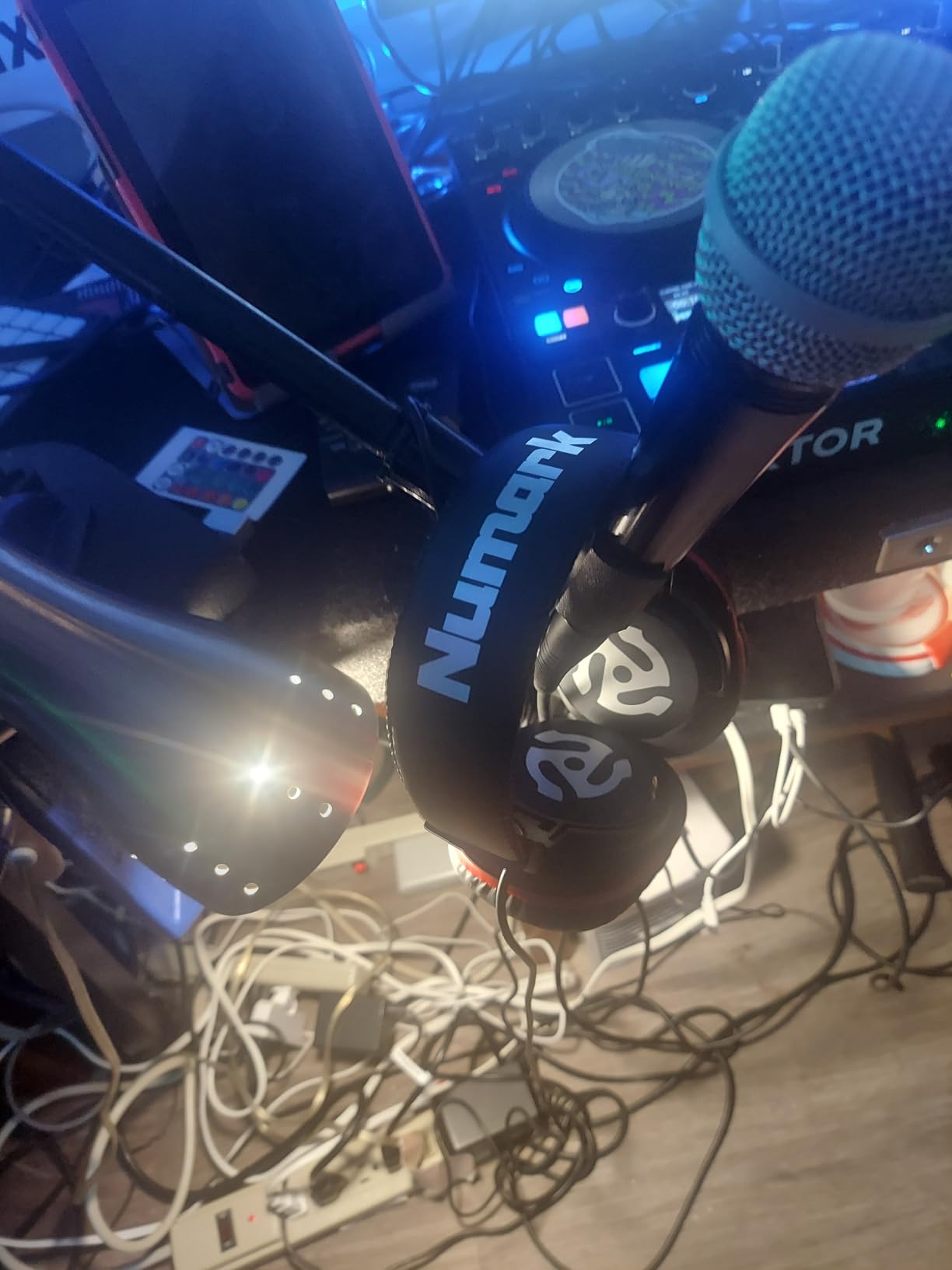
928 owners have rated it, and the feedback pattern is consistent: people like the cushions and the adjustable headband, and they treat the sound and isolation as entry-level rather than disappointing. That is a fair description of what you are buying.
It is a genuinely useful first pair, and the swiveling cup is a feature you should insist on even at this level, because it teaches the one-ear cueing habit from day one.
What a Fixed Cable Costs You Later
The fixed cable is the limitation to think about. Once the cable fails at the cup, the pair is finished, and a fixed cable is also the first thing to break when a bag gets dropped or yanked. Every other recommendation in this list uses a detachable cable for that reason.
Weigh that against the entry price. For a first pair used at a desk, a cable failure is an inconvenience you replace once. For a working pair, it is the moment the whole purchase stops making sense.
Is the HF175 Enough for Club Play?
The on-ear pads will not isolate like a true over-ear. Fine in a bedroom, marginal in a room with a playing system.
If you are still learning, this is a sensible place to spend money because the skill you are buying is the cueing habit, not the monitoring. When you start playing out regularly, an over-ear with a real seal will pay for itself in cues you can actually hear.
8. Reloop RHP-10 Mono – Best for Single-Ear Club Monitoring
Reloop RHP 10 Mono One-Ear Headphone with 50mm Neodymium Driver
Mono single-ear
50 mm neodymium
24 ohm
431 g
XLR connection
Pros
- Purpose-built one-ear monitoring design
- Large 50 mm driver with solid output and bass
- Swivel cup with water resistant faux leather pads
- Ergonomically padded handle and compact shape
- Sturdy XLR connection
Cons
- Mono only
- not suitable for stereo listening or mixing
- Heaviest design here at 431 g
- XLR termination needs an adapter for 3.5 mm sources
The RHP-10 Mono is the most unusual pick in the list and the one that divides opinion most sharply. It is a single-ear headphone: one cup, one side, one driver. That is a deliberate club tool, not a compromise, and the 50 mm neodymium driver inside it delivers more output and more bass than you would expect from a mono housing.
It is rated lowest in this group at 4.2 stars from 614 owners, and the reason is structural. A mono headphone cannot be used for stereo music listening or for mixing two tracks against each other, so it is a gigging tool rather than a practice tool.
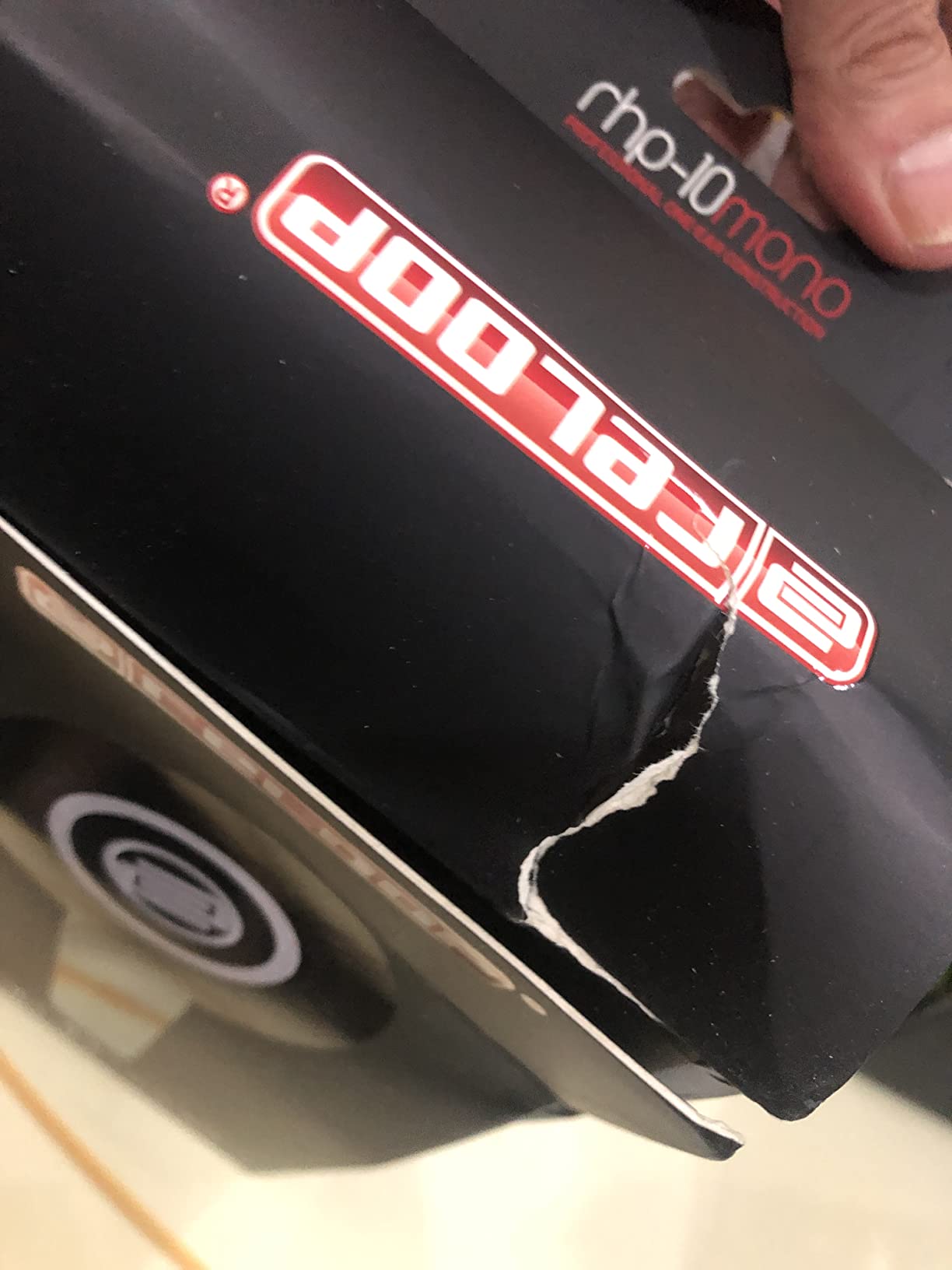
Where it does excel is durability. A swivel-mounted cup with water resistant faux leather pads, an ergonomically padded handle, and a sturdy XLR connection to the head cup. At 431 g it is the heaviest design here, and that weight sits on a single side of your head, so it is not a pair you want on for four hours.
Because the cup is mono, there is no second ear to cover and no second earcup to swivel. Some club DJs find that removes the whole awkward posture of the traditional cue position.
XLR Termination and Source Compatibility
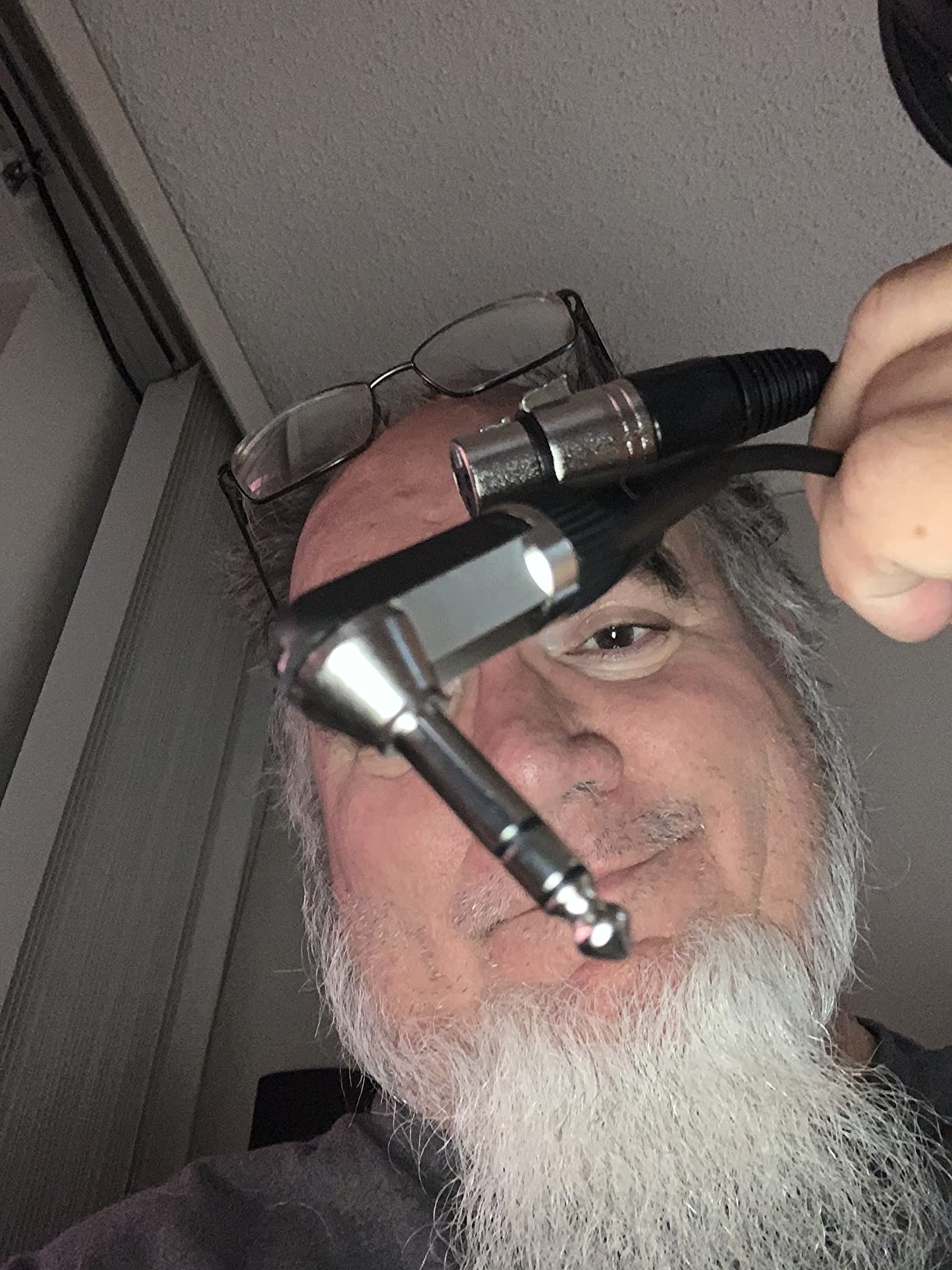
Two practical warnings. The XLR termination means you need an adapter or a XLR-equipped mixer, because it will not plug into a standard 3.5 mm output. And at 24 ohm it is the most efficient design here, which is good, but the single 50 mm driver still does all the work.
Check the back of your gear before ordering. A club mixer with a quarter-inch or XLR headphone out is ideal, and anything from a phone needs an adaptor in the chain, so factor that into whether it is worth the trade.
Should You Really Buy a Mono Headphone?
My advice: consider it only if you mix strictly from one ear and gig regularly. Everyone else should look at the over-ear or on-ear stereo options.
It also earns its rating gap for a reason worth repeating. A mono housing gives up the ability to blend two tracks and to check a mix in stereo, so the only workflows it improves are the ones that use it as a single-ear cue monitor all night.
9. Audio-Technica ATH-PRO5X – Best for Accurate Reference Monitoring
Audio-Technica ATH-PRO5XWH Professional Closed-Back Dynamic Over-Ear DJ Monitor Headphones, White
Over-ear
87 ohm
1500 mW max input
1.1 lb
Locking cables
Pros
- Accurate near-neutral monitoring many DJs prefer
- Very light at 1.1 lb with little head pressure
- Locking detachable coiled and straight cables
- 1500 mW max input for loud clean playback
- Good isolation from closed-back over-ear pads
Cons
- 87 ohm needs a reasonably powerful source
- Bass is present but lighter than older ATH-PRO500
- No carrying case in the box
- Plastic ear cup support struts are a weak point
The ATH-PRO5X is the pick for a DJ who also mixes or produces, and it is the one reviewers in this group most often describe as accurate. The sound is close to neutral, which is the opposite of a club signature and exactly what you want when you are checking whether a transition actually works.
At 1.1 lb it is one of the lighter over-ear options, and the closed-back over-ear pads sit around the ear rather than on it, so the ear pressure that dominates feedback on on-ear designs is largely absent here.
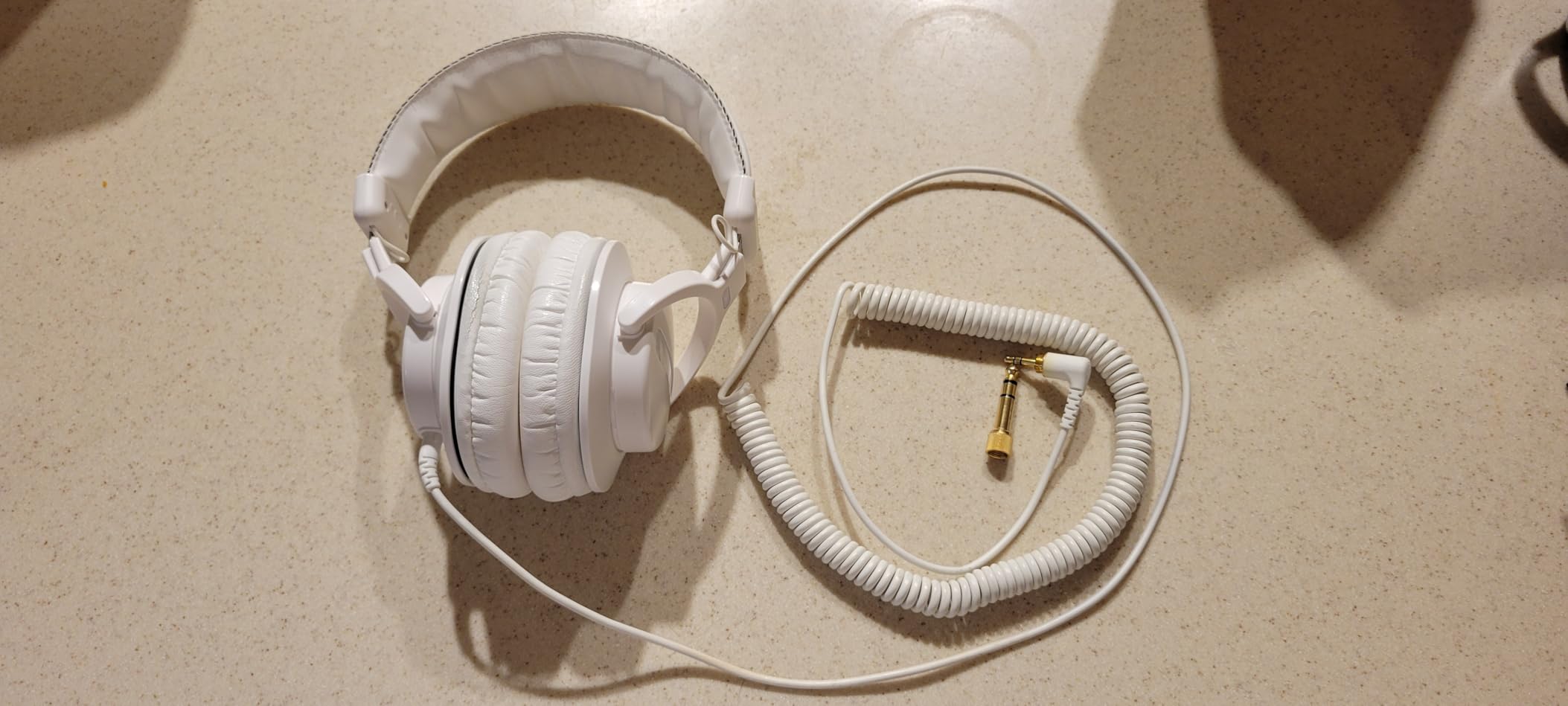
It ships with detachable locking cables: a 1.2 m to 3.0 m coiled lead and a 1.2 m straight lead, plus a quarter inch screw-on adapter. The maximum input power of 1500 mW means it handles loud playback without distorting, which is a meaningful spec in a booth.
Two years of end-user warranty coverage is also the longest in this roundup apart from the Rode.
What 87 Ohm Means for Your Setup
The catch is impedance. At 87 ohm, this is by far the highest in the group, and it needs a reasonably powerful output to get volume. Feed it from a decent mixer and it is excellent. Feed it from a phone and it will sound quiet and flat.
That single specification decides where the pair belongs. If your monitoring always comes through a club or studio mixer, the impedance is irrelevant and you get the most accurate monitoring in this list for the money.
Is the PRO5X a Club Tool or a Studio Tool?
Owners also note that bass is present but less pronounced than on the older ATH-PRO500, and several flag the plastic ear cup support struts as the part most likely to fail eventually.
It is a genuine two-role pair rather than a compromise. Used at the booth it is comfortable and accurate, and at the desk it is closer to neutral than anything else here, so a DJ who crosses both worlds gets a single pair that does both jobs well.
10. Rode NTH-50 – Best Warranty for Working DJs
RØDE NTH-50 Professional On-Ear Wired DJ Headphones | Durable, Comfortable
On-ear
32 ohm
102 dB
220 g
Lifetime warranty
Pros
- Flat and wide frequency response
- Outstanding passive noise isolation
- Detachable locking cable that attaches either side
- Lightweight aluminium build
- Backed by a lifetime warranty
Cons
- Ear cups do not swivel
- On-ear clamping can get uncomfortable after 3+ hours
- Bass is lighter than club-oriented alternatives
- No spare straight cable in the box
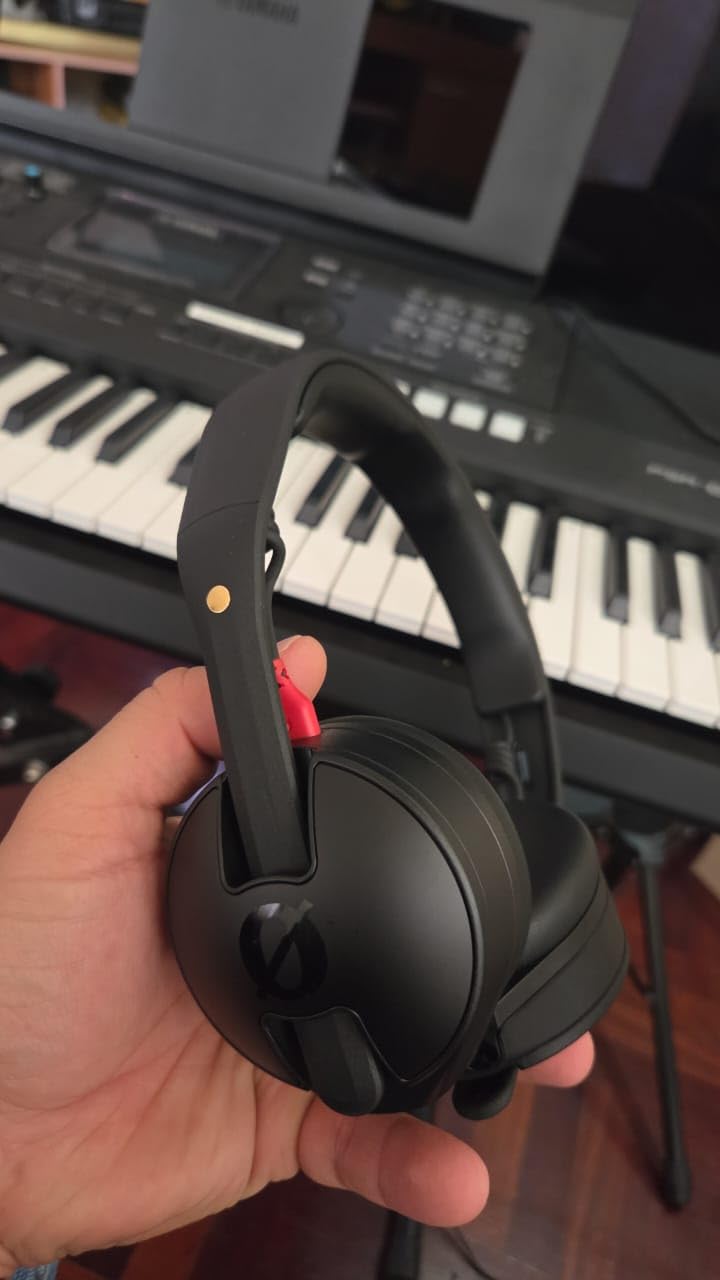
The NTH-50 is the newest and most interesting pick here, and experienced DJs who came from Pioneer HDJ, Sennheiser HD 25 and Audio-Technica pairs rate it highly. The sound is flat and wide rather than club-heavy, and the passive isolation is described as outstanding for an on-ear design.
The build is aluminium and fabric foam at 220 g, which keeps it light without feeling cheap. The detachable locking cable can attach on either side, a feature no other pair in this roundup offers, so your cable routing is not fixed by the cup position.
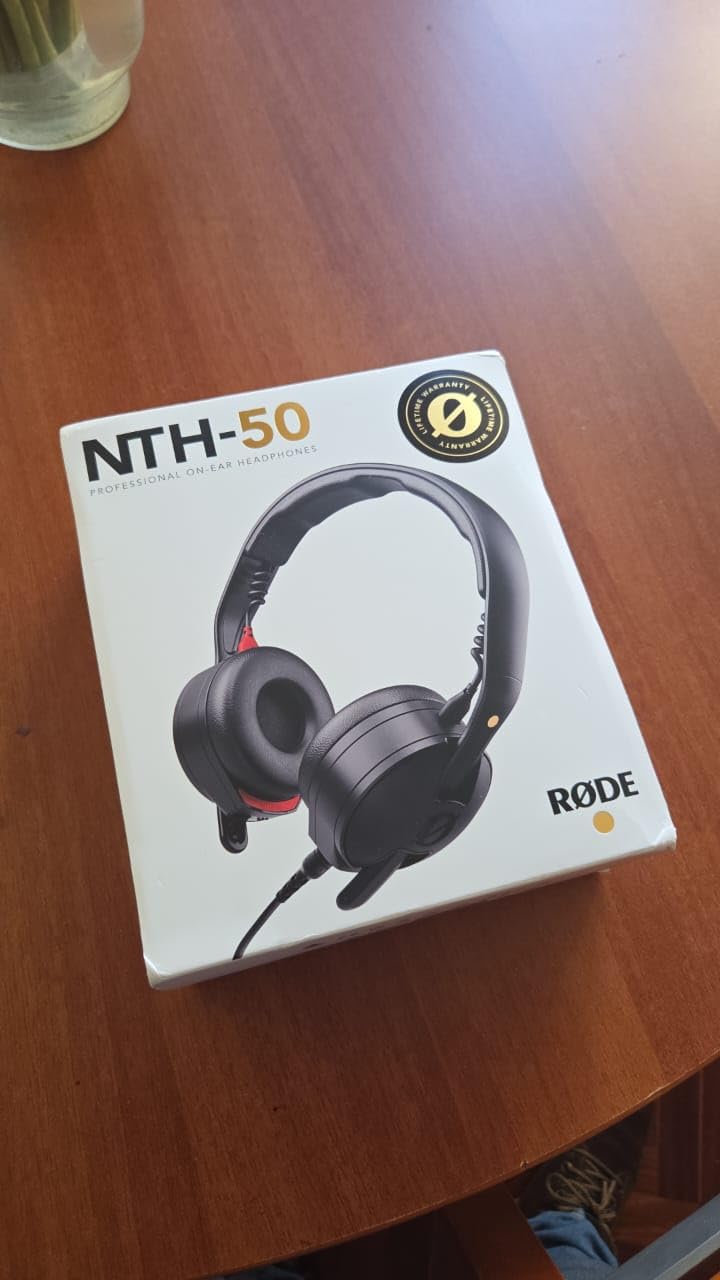
Then there is the warranty. A lifetime warranty, designed and made in Sydney, changes the calculation for a working DJ. It is the one specification on this list that keeps reducing the cost of the second pair.
Sonically, a custom 40 mm driver sits in a resonant chamber designed to deliver balanced bass while keeping the midrange and treble clear. That is a different balance from the TMA-2 DJ, and closer to what the ATH-PRO5X does.
Can You Work One-Ear Without a Swivel?
The significant drawback for club work is that the ear cups do not swivel. One-ear monitoring is possible by lifting or pulling the whole headphone aside, but it is less fluid than on a true DJ design, and club DJs who rely on that swivel are the ones most likely to be disappointed.
This is the decision point, so test it if you can. Some DJs work perfectly well lifting the whole pair aside, and others find the interruption breaks their concentration mid-set, and the gap between those two experiences is the whole buying case.
Is the Lifetime Warranty Worth the Trade-Offs?
There is also no spare straight replacement cable in the box, and on-ear clamping still becomes noticeable past three hours. If you rotate an earcup, this is not your pair.
For a DJ who mixes from one position, plugs in from either side, and plans to keep one pair for a long time, the warranty and the isolation add up to the best long-term value on this list despite the missing swivel.
How to Choose DJ Headphones for a Club Booth
Closed-back, always. Open-back designs leak sound in both directions, which is unusable in a booth and pointless in a club. Every one of the ten picks here is closed or closed-back. Consumer active noise cancelling headphones are a different problem again: the processing alters the sound you are cueing against, which defeats the point of a reference tool.
On-ear versus over-ear is a comfort decision, not a quality decision. On-ear designs are lighter, cheaper and more standard in clubs. Over-ear designs isolate better and avoid ear pressure but sit heavier on your head. The most common complaint in owner feedback, particularly on the HD 25 and the AIAIAI, is ear pressure rather than weight, and that is a head shape issue no spec sheet can predict.
One-ear monitoring is not optional. The classic booth posture is one cup pressed to the ear, the other rotated away so the PA and the room become the reference. That means a swiveling or liftable earcup. The Numark, Pioneer and Technics models here all do it. The RODE NTH-50 does not, and the Reloop RHP-10 Mono sidesteps the problem by only having one cup.
Impedance decides whether you need an amp. Most DJ mixers and controllers have a headphone output built for these. At 32 to 45 ohm, all ten picks drive easily. The Sennheiser HD 25 at 70 ohm is still fine from a mixer, and the Audio-Technica ATH-PRO5X at 87 ohm is the one in this list that noticeably rewards a stronger source.
Sensitivity and max SPL matter more than bass extension. You are not listening to the track, you are locating the first beat and checking the level. The HD 25 at 120 dB sensitivity, the TMA-2 DJ at 117 dB and the Reloop at 109 dB all have headroom for that job.
Wired beats wireless, and the reason is latency. Bluetooth adds a delay between the track starting in your mixer and arriving at your ear. Even a good codec in the 100 to 200 millisecond range is enough to make beatmatching by feel feel wrong, and dropouts in a crowded RF environment are a real risk. Wireless is fine for listening on the way to the venue. It is not the right tool for the booth, which is why every pick in this roundup is wired.
A club PA is not a home system. Club and festival systems often play in mono or roll off the low end, which is why owners report that a track sounds different in a booth than it does at home. Practise knowing your material on a decent PA, and do not judge a mix purely by a near-field monitor at low level. If you want club-feel practice at home, our notes on DJ mixers and DJ turntables cover the rest of the setup.
Budget for repairs, not just the headphone. Earpads and cables are consumables in club work. A detachable cable, a lockable connector, and user-replaceable pads are what keep a pair alive, and they are worth more than any small improvement in frequency response. Keep a spare cable in your bag before you need one.
Consider sweat and transport. Synthetic leather or PU leather pads tolerate sweat better than cloth, and a foldable design with a case survives a flight case far better than a fixed one. The HDJ-X10 and Reloop RHP-10 are both listed as water resistant, which is a minor but real advantage in an outdoor booth.
Match the pair to your role. Club residents and festival slots need isolation, headroom and repairability. Home practice and beatmatching need a swivel and a readable low end. DJs who also produce need a neutral signature, which is why the ATH-PRO5X and the RODE NTH-50 earn their place on this list even though neither is a club-first tool.
Whatever you pick, pair it with sensible limits. Club monitoring is loud by nature, and keeping headphone levels moderate while relying on isolation to do the work is the healthier habit. Our picks for DJ controllers and DJ mixers are worth reading alongside this list if you are building a full rig.
Frequently Asked Questions
What headphones do most professional DJs use?
Most professional DJs use closed-back wired headphones with high isolation, one-ear monitoring and a detachable cable. The Sennheiser HD 25 is the club standard most working DJs carry, the Pioneer DJ HDJ series is the most common alternative, and the Audio-Technica ATH-PRO5X is the pick for DJs who also mix or produce.
Are wireless DJ headphones good for clubs?
Not for beatmatching. Bluetooth adds delay between the mixer output and your ear, commonly in the range of 100 to 200 milliseconds, and that offset is enough to make a manual beatmatch feel wrong. Crowded venues also bring radio interference and dropouts. Wireless is convenient for travel and practice, but the booth still calls for a wired connection.
Why do DJs cover one ear?
A DJ needs the club PA and the crowd to be the reference for the track currently playing, so the incoming track is cued in one ear only. The classic booth posture is one earcup pressed to the ear and the other rotated away on a swivel hinge. Once the line is cued, the cup flips down and the room takes over.
Is the Sennheiser HD 25 better than the Audio-Technica ATH-PRO5X for DJing?
For club cueing, the HD 25 wins on weight, sensitivity at 120 dB and repairability over decades. The ATH-PRO5X wins on comfort, since its over-ear pads avoid ear pressure, and on a more neutral sound for mixing. Pick the HD 25 for the booth and the ATH-PRO5X if you produce, or run the HD 25 for long sets.
Do DJ headphones need a headphone amp?
Usually not. Every pick in this roundup is designed around a mixer or controller headphone output. The exception is the Audio-Technica ATH-PRO5X at 87 ohm, which is noticeably quieter from a phone or a small device and benefits from a stronger source. The Audio-Technica ships with a quarter inch adapter for direct connection to gear.
Conclusion: Which DJ Headphones Should You Take Into the Booth?
If you want the single safest answer, take the Sennheiser HD 25 into the booth. At 140 g it is the lightest pair here, its 120 dB sensitivity stays clean in a loud room, and nearly every part of it can be replaced, which is why owners keep the same pair for years instead of buying new ones.
Step up to the Pioneer DJ HDJ-X7 if you tour regularly and want a metal build with 50 mm drivers, or to the HDJ-X10 if you play large systems and want the best low-end detail available in this roundup. Pick the Technics EAH-DJ1200 if cable failures have cost you sets before.
Buy the Audio-Technica ATH-PRO5X if you produce as well as play, the RODE NTH-50 if you want a lifetime warranty and a flat sound, and the AIAIAI TMA-2 DJ if you want punchy low end and a fully modular build. These are the best DJ headphones for clubs in 2026 for a reason, and each one answers a different booth problem.