
When it comes to building the ultimate gaming PC, choosing the right graphics card is the single most impactful decision you will make. For gamers who prefer AMD hardware, the landscape of best Ryzen graphics cards and GPUs for gaming has never been more exciting. AMD’s Radeon GPU lineup, powered by the revolutionary RDNA 4 architecture, now delivers performance that rivals and occasionally surpasses the competition, all while maintaining the price-to-performance crown that Team Red is known for.
Whether you are chasing buttery-smooth frame rates at 1080p, enjoying immersive 1440p gaming, or pushing the boundaries of 4K resolution, there is an AMD Radeon GPU designed for your exact needs and budget. From the budget-conscious XFX Speedster SWFT210 Radeon RX 7600 to the absolute flagship PowerColor Hellhound AMD Radeon RX 7900 XTX, the AMD lineup covers every tier of the market with compelling options.
In this comprehensive guide, we have analyzed seven of the best AMD Radeon graphics cards currently available. Each card has been evaluated on gaming performance, VRAM capacity, cooling efficiency, power consumption, and overall value. We have also factored in real user experiences from hundreds of verified Amazon reviews to give you the complete picture before you spend your hard-earned money. By the end of this article, you will know exactly which AMD Radeon GPU is the right choice for your gaming rig and budget.
If you are pairing your GPU with an AMD Ryzen processor, you are already on the right track. AMD’s platform advantage through technologies like Smart Access Memory (SAM) allows your Ryzen CPU to fully access the GPU’s VRAM, delivering meaningful performance boosts in supported games. This makes an all-AMD build a genuinely compelling proposition for gamers who want maximum performance per dollar.
| Product | Specifications | Action |
|---|---|---|
 GIGABYTE Radeon RX 9070 XT Gaming OC GIGABYTE Radeon RX 9070 XT Gaming OC |
|
Check Latest Price |
 Sapphire Pulse AMD Radeon RX 9070 XT Sapphire Pulse AMD Radeon RX 9070 XT |
|
Check Latest Price |
 GIGABYTE Radeon RX 9060 XT Gaming OC GIGABYTE Radeon RX 9060 XT Gaming OC |
|
Check Latest Price |
 PowerColor Hellhound AMD Radeon RX 7900 XTX PowerColor Hellhound AMD Radeon RX 7900 XTX |
|
Check Latest Price |
 PowerColor Twin Fan AMD Radeon RX 7800 XT PowerColor Twin Fan AMD Radeon RX 7800 XT |
|
Check Latest Price |
 ASRock Challenger AMD Radeon RX 7700 XT ASRock Challenger AMD Radeon RX 7700 XT |
|
Check Latest Price |
 XFX Speedster SWFT210 Radeon RX 7600 XFX Speedster SWFT210 Radeon RX 7600 |
|
Check Latest Price |
Table of Contents
Top 3 Picks for Best AMD Radeon Graphics Cards
1. GIGABYTE Radeon RX 9070 XT Gaming OC – Best Overall AMD GPU
GIGABYTE Radeon RX 9070 XT Gaming OC 16G Graphics Card, PCIe 5.0, 16GB GDDR6, GV-R9070XTGAMING OC-16GD Video Card
16GB GDDR6
PCIe 5.0
3,060 MHz boost clock
Pros
- Exceptional 1440p and 4K gaming performance
- Cool temps under 65C
- Quiet operation with proper fan curve
Cons
- Ray tracing still behind NVIDIA
- Pollutant 850W+ PSU required
- Learning curve for Adrenalin software
The GIGABYTE Radeon RX 9070 XT Gaming OC is the crown jewel of AMD’s current consumer GPU lineup, and it earns its place as our Best Overall pick without any hesitation. Built on AMD’s RDNA 4 architecture and armed with 16GB of GDDR6 memory on a 256-bit bus, this card delivers extraordinary 1440p and 4K gaming performance that competes directly with GPUs costing significantly more. The 3,060 MHz GPU clock speed and PCIe 5.0 interface ensure you are getting future-proof technology that will not become obsolete any time soon.
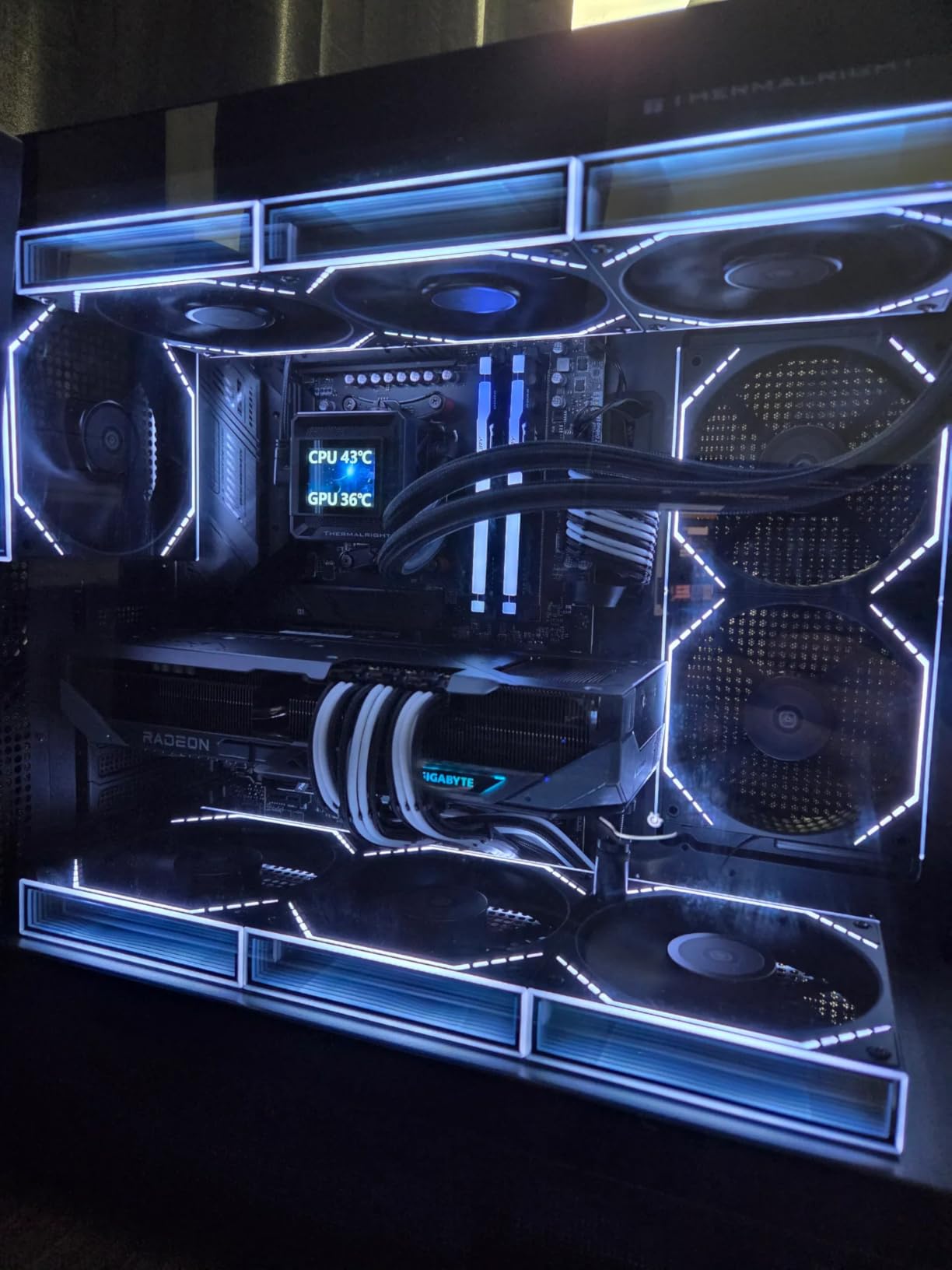
What truly sets this card apart is GIGABYTE’s legendary WINDFORCE cooling system. During extended gaming sessions, users consistently report temperatures staying comfortably under 65C, which is remarkable for a card in this performance class. The Hawk Fan design combined with server-grade thermal conductive gel keeps the RX 9070 XT both cool and remarkably quiet, even when the action gets intense. Subtle RGB accent lighting adds a touch of aesthetic customization without being over the top, making it a great fit for both stealthy black builds and more vibrant setups.
From a pure gaming perspective, the RX 9070 XT excels in rasterization performance. It trades blows with significantly more expensive NVIDIA alternatives in traditional rendering workloads, and with AMD’s FSR 4 upscaling technology, you can push frame rates even higher in demanding titles. The improved ray tracing performance in the RDNA 4 architecture closes much of the gap that previously existed between AMD and NVIDIA in real-time lighting effects. While it still lags behind NVIDIA’s absolute best in pure ray tracing benchmarks, the margin has shrunk dramatically and is imperceptible in most real-world gaming scenarios.
Setup is straightforward for most users, though AMD newcomers should be prepared to spend some time learning the Adrenalin software suite. Once you have your fan curve dialed in, the card rewards you with whisper-quiet operation. The power requirements are substantial — AMD recommends a quality 850W+ PSU — but this is standard for any GPU in this performance bracket. At $739.99, you are getting near-flagship performance at a price that would have been unthinkable for this class of GPU just a generation ago.
Who This Card Is For
The GIGABYTE RX 9070 XT Gaming OC is the ideal choice for gamers who want flagship-level performance without the flagship price tag. If you are playing at 1440p with a high-refresh monitor or pushing 4K in AAA titles, this card will handle everything you throw at it with room to spare. It is particularly well-suited for users who pair it with an AMD Ryzen processor to take advantage of Smart Access Memory, which unlocks additional performance by allowing the CPU direct access to the full VRAM pool.
Who Should Look Elsewhere
If you are primarily invested in ray tracing-heavy titles and want the absolute best RT performance regardless of price, NVIDIA’s higher-tier options may still hold an edge. Additionally, if your PSU is under 850W or your case has limited clearance, you may want to consider a smaller alternative or upgrade your power supply before committing to this card.
2. Sapphire Pulse AMD Radeon RX 9070 XT – Premium Build and Cooling
Sapphire 11348-03-20G Pulse AMD Radeon™ RX 9070 XT Gaming Graphics Card with 16GB GDDR6, AMD RDNA 4
16GB GDDR6
Triple-fan cooling
ROCm support
Pros
- Excellent triple-fan cooling
- Strong Linux and ROCm support
- Quiet operation under load
Cons
- Shorter 2-year warranty
- ROCm setup can be tricky on Linux
- $30 more than GIGABYTE variant
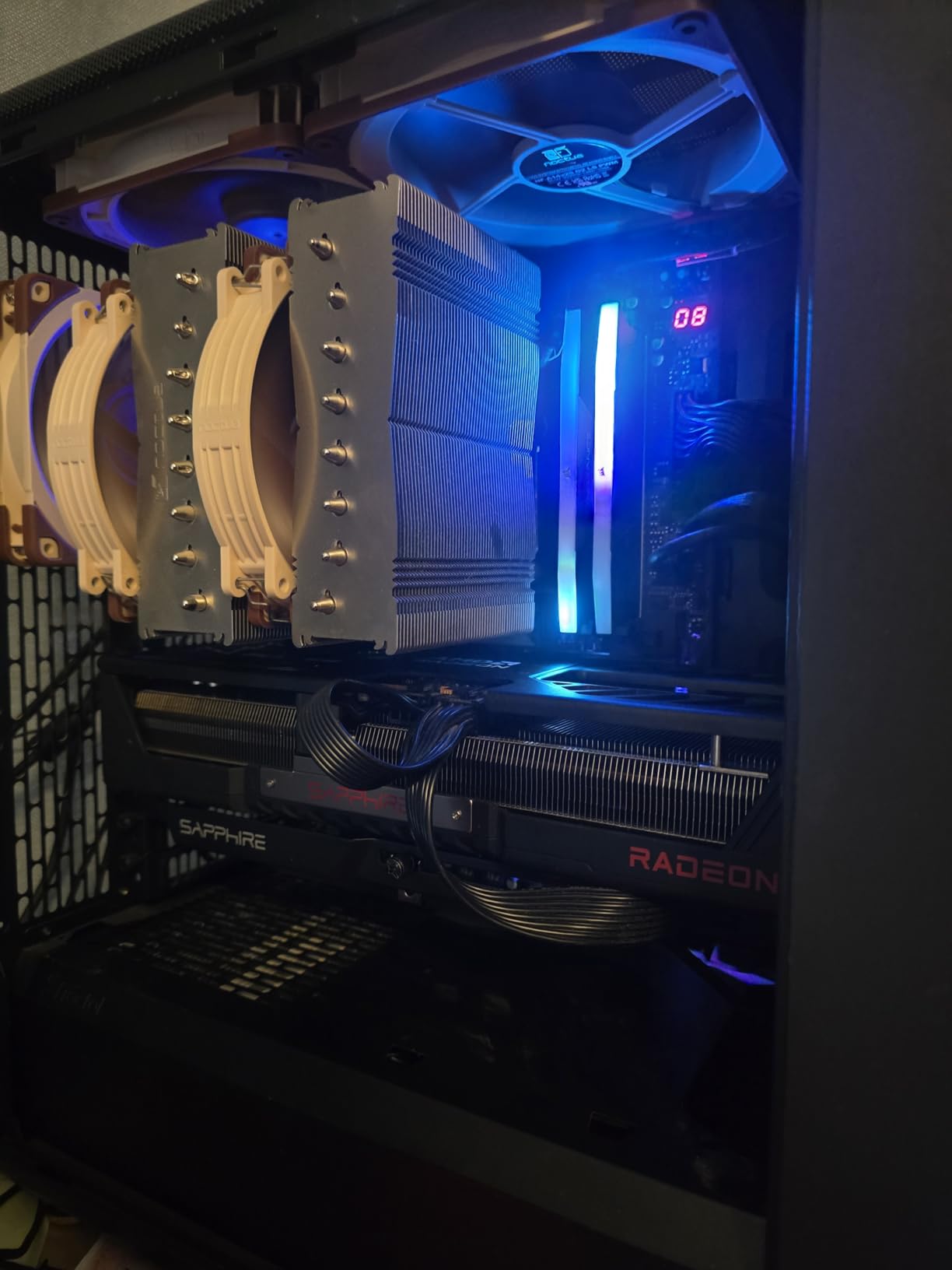
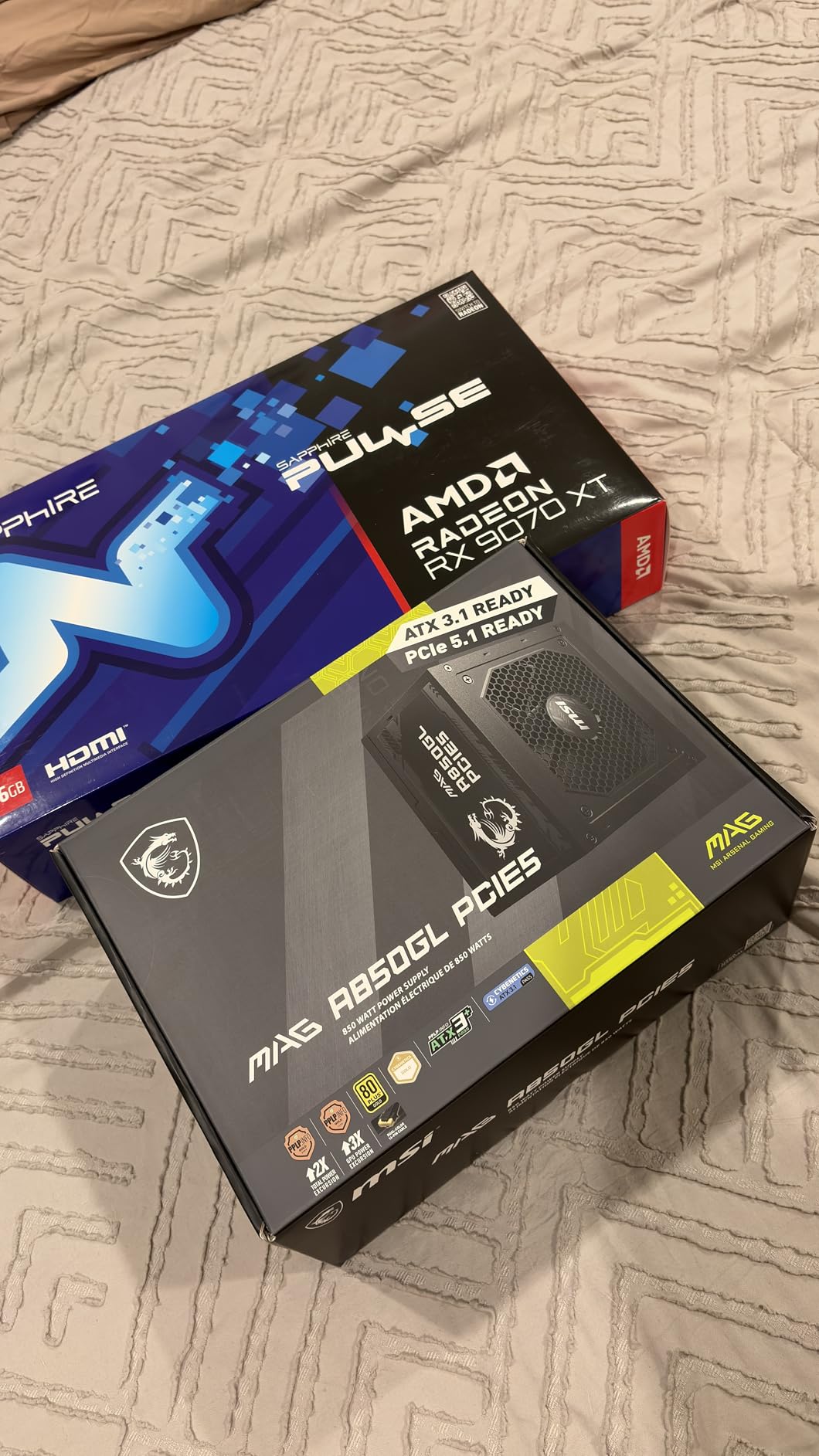
The Sapphire Pulse AMD Radeon RX 9070 XT stands as one of the finest implementations of AMD’s flagship GPU available today. Sapphire has long been regarded as one of the premier AMD board partners, and the Pulse series exemplifies why. This card shares the same RDNA 4 architecture and 16GB GDDR6 memory as the GIGABYTE variant, but Sapphire brings its own signature approach to cooling and build quality that makes it a compelling alternative for different use cases.
Sapphire equips the Pulse RX 9070 XT with a robust triple-fan cooling solution that keeps the card running cool and quiet under virtually any workload. Users consistently praise its ability to maintain low temperatures during marathon gaming sessions, with many noting that the fans remain barely audible even under sustained load. The three-fan design provides more consistent airflow than dual-fan alternatives, which translates to longer component longevity and more stable boost clocks over time.
One area where the Sapphire Pulse distinguishes itself is its Linux compatibility and ROCm support. While AMD’s drivers have improved dramatically on Windows, Linux users have historically faced a more challenging experience with new architecture generations. The Pulse RX 9070 XT has received praise from the Linux community for its relatively smooth ROCm setup process, with most hurdles being software-related rather than hardware-specific. This makes it an excellent choice for Linux-based gaming builds or workstations that double as gaming rigs.
The FSR 4 upscaler built into the RX 9070 XT architecture provides a significant performance boost in supported titles, and the quality improvements over FSR 3 are noticeable. AMD’s AI-driven upscaling has matured considerably, narrowing the gap with NVIDIA’s DLSS in terms of visual quality at equivalent frame rates. The ray tracing performance improvements over the previous RDNA 3 generation are substantial, and while the RX 9070 XT still may not match NVIDIA’s absolute best in pure RT benchmarks, the difference is negligible for most gamers playing at 4K or 1440p with FSR enabled.
Who This Card Is For
The Sapphire Pulse RX 9070 XT is perfect for gamers and enthusiasts who prioritize build quality, Linux compatibility, and rock-solid thermal performance. Its triple-fan cooler provides more headroom for sustained performance than dual-fan designs, making it the better choice for content creators who also game or anyone who runs GPU-accelerated workloads. The 2 x HDMI and 2 x DisplayPort configuration is particularly useful for multi-monitor setups.
Who Should Look Elsewhere
If you are strictly a Windows gamer focused on getting the absolute lowest price on an RX 9070 XT, the GIGABYTE variant at $769.99 undercut by $30. The shorter 2-year warranty compared to GIGABYTE’s 3-year coverage is also worth considering if warranty length matters to you. Some users have reported needing to troubleshoot initial ROCm setup on Linux, so be prepared to spend some time with driver configuration if you go the Linux route.
3. GIGABYTE Radeon RX 9060 XT Gaming OC – Best Value Pick
GIGABYTE Radeon RX 9060 XT Gaming OC 16G Graphics Card, PCIe 5.0, 16GB GDDR6, GV-R9060XTGAMING OC-16GD Video Card
16GB GDDR6
PCIe 5.0
AV1 encoding
Pros
- Outstanding price-to-performance
- Handles 1440p at high/ultra settings
- 16GB VRAM future-proofing
Cons
- Ray tracing not a main strength
- Large card requires case clearance
- May need quality 650W+ PSU
The GIGABYTE Radeon RX 9060 XT Gaming OC is quite simply the best price-to-performance GPU available in AMD’s current lineup, and possibly the entire consumer GPU market. With a price tag of just $459.99, this card delivers gaming performance that punches far above its weight class. The RX 9060 XT comfortably handles 1440p gaming at high to ultra settings in virtually every modern title, and it even makes a respectable showing at 4K when paired with FSR upscaling. Its 16GB of GDDR6 memory is a standout feature at this price point, providing generous VRAM headroom for demanding textures and future-proofing that will serve you well as games continue to grow more resource-intensive.
GIGABYTE’s WINDFORCE cooling system makes another appearance here, and it is just as effective on the RX 9060 XT as it is on its more expensive RX 9070 XT sibling. The zero-RPM idle mode means the fans shut off completely when temperatures are low, eliminating unnecessary noise during light desktop use or less demanding games. Under load, the cooling solution keeps the card comfortable and the noise levels are described by users as pleasantly quiet. The Hawk Fan design and server-grade thermal conductive gel are premium touches that you typically only see on higher-end cards.
The PCIe 5.0 interface is a welcome inclusion that future-proofs this card for upcoming platform upgrades. While the real-world performance difference between PCIe 4.0 and 5.0 is minimal in current games, next-generation titles and applications will increasingly take advantage of the increased bandwidth. The AV1 encoding support built into the RX 9060 XT is a major bonus for streamers and content creators, enabling high-quality video encoding without the premium pricing that NVIDIA charges for similar capabilities.
With a best sellers rank of #3 in its category and an impressive 720 user reviews averaging 4.7 stars, the RX 9060 XT has clearly resonated with the buying public. The RGB lighting adds aesthetic customization options without being garish, and the availability of both black and white variants means you can match it to your build’s color scheme. At $459.99, the only real consideration is whether you can fit it in your case — GIGABYTE notes that adequate clearance is required for this card’s substantial heatsink.
Who This Card Is For
The RX 9060 XT is the sweet spot for most gamers building a mid-range to upper-mid-range PC. If you are playing at 1440p and want to max out settings without breaking the bank, this card is essentially unbeatable. Streamers and content creators will particularly appreciate the AV1 encoding support, which was previously only available on much more expensive GPUs. The 16GB VRAM also makes this a great choice for AI-assisted workflows beyond just gaming.
Who Should Look Elsewhere
If you are strictly a 1080p gamer on a tighter budget, the RX 7600 at $299.99 offers a more appropriate price point. Additionally, if case clearance is a concern and you have a smaller form factor chassis, measure carefully before purchasing — the substantial cooling solution requires space. Ray tracing enthusiasts who want the absolute best RT performance should look toward the RX 9070 XT, though the RX 9060 XT handles RT titles respectably with FSR enabled.
4. PowerColor Hellhound AMD Radeon RX 7900 XTX – Best for 4K Gaming
PowerColor Hellhound AMD Radeon RX 7900 XTX Graphics Card
24GB GDDR6
384-bit bus
8 copper heat-pipes
Pros
- Massive 24GB VRAM for 4K
- Excellent cooling with 8 heat-pipes
- Great value vs NVIDIA flagships
Cons
- Huge 320mm length needs big case
- Requires 800W+ PSU minimum
- Limited stock availability
The PowerColor Hellhound AMD Radeon RX 7900 XTX is AMD’s previous-generation flagship and it remains an absolute monster of a GPU that holds its own even against newer competition. With 24GB of GDDR6 memory on a massive 384-bit memory bus, the RX 7900 XTX has memory bandwidth and VRAM capacity that even some newer GPUs cannot match. This makes it an exceptional choice for 4K gaming where high-resolution textures and frame buffers demand substantial memory resources. At $1,399.00, it undercuts comparable NVIDIA options by a significant margin while delivering performance that often matches or exceeds them in traditional rasterization tasks.
The Hellhound branding from PowerColor brings with it a seriously capable cooling solution. Eight copper heat-pipes and a triple-fan design keep this powerhouse running cool even under the most demanding 4K workloads. Users report that the fans remain quiet even during intensive gaming sessions, which is no small feat for a card with this level of thermal output. The aluminum back cover adds structural rigidity while also helping with heat dissipation from the rear of the card.
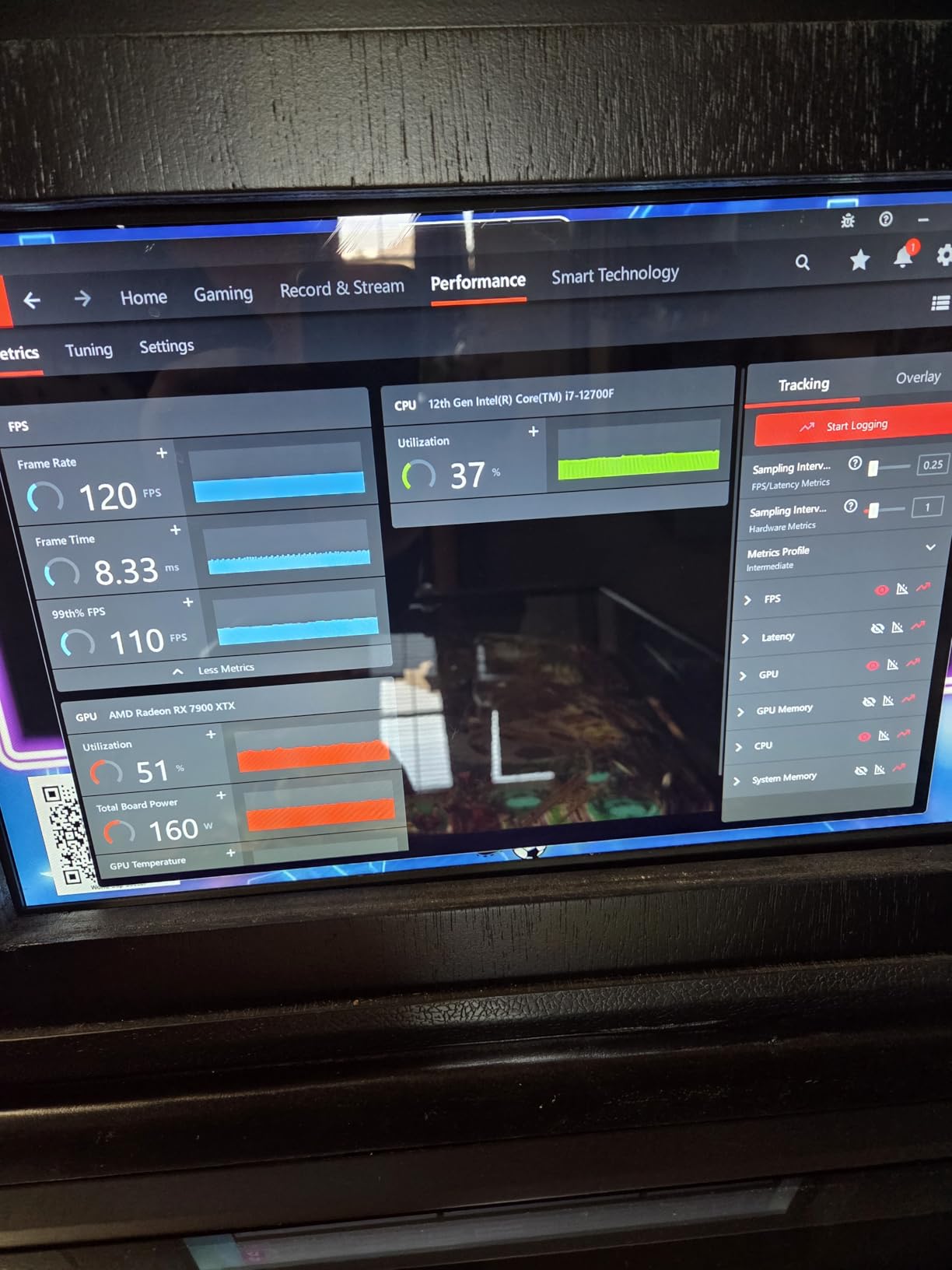
Where the RX 7900 XTX truly shines is in scenarios where VRAM capacity matters. Modern AAA games at 4K can easily consume 12GB or more of VRAM, and the 24GB available on this card provides enormous headroom. This also makes the RX 7900 XTX a compelling option for content creators working with large video files, 3D rendering, or AI image generation. The 6,144 stream processors and up to 2,525 MHz boost clock ensure that no task is too demanding for this hardware.
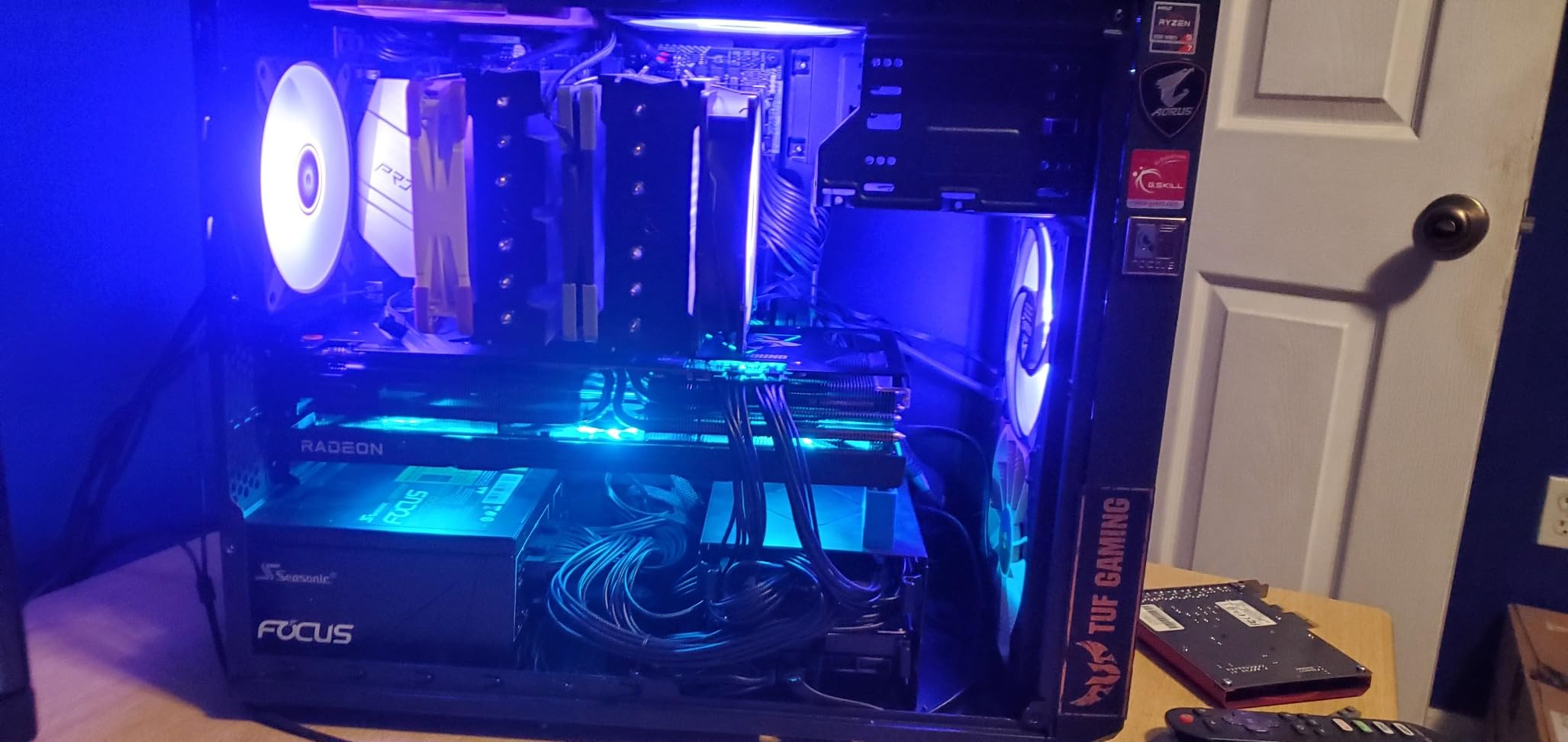
It is worth noting that this card is substantial in every sense of the word. At 320mm in length, it requires a large case with adequate clearance. The minimum system power requirement of 800W is non-negotiable, and experienced builders recommend even more headroom than the minimum. Some users have reported coil whine on their units, which is an occasional manufacturing variance that can occur on any high-performance GPU. Despite these considerations, the RX 7900 XTX represents extraordinary value for anyone who needs maximum GPU performance per dollar.
Who This Card Is For
The RX 7900 XTX is the card of choice for enthusiasts who demand the absolute best 4K gaming experience without paying NVIDIA’s flagship tax. If you are running a multi-monitor 4K setup, editing 8K video, or running GPU-accelerated creative workloads alongside your gaming, the 24GB VRAM is a genuine advantage that cannot be overstated. Linux users also report excellent support, making this a solid choice for workstation builds.
Who Should Look Elsewhere
If you have a smaller case or a power supply under 800W, this card is not for you. The physical dimensions alone disqualify it from compact builds, and the power requirements are firm. Those primarily interested in ray tracing performance may still prefer NVIDIA’s offerings, though the gap has narrowed considerably with driver updates. Additionally, stock is extremely limited with only one unit remaining at time of writing, so availability may be a deciding factor.
5. PowerColor Twin Fan AMD Radeon RX 7800 XT – Strong 1440p Performer
PowerColor Twin Fan AMD Radeon RX 7800 XT 16GB GDDR6
16GB GDDR6
Twin-fan cooling
Standard 8-pin power
Pros
- Compact twin-fan design fits more cases
- Excellent temps around 65C
- Standard 8-pin connectors no 12VHPWR needed
Cons
- Limited stock (9 units)
- Some defective units reported
- Occasional driver issues
The PowerColor Twin Fan AMD Radeon RX 7800 XT occupies an interesting space in AMD’s lineup as a powerful 1440p GPU that also makes a credible run at 4K when paired with FSR upscaling. With 16GB of GDDR6 memory and AMD’s RDNA 3 architecture, this card delivers strong performance in AAA titles at 1440p while keeping temperatures and noise remarkably low. The twin-fan cooling solution is compact compared to the Hellhound’s triple-fan design, which makes it a better fit for mid-sized cases that cannot accommodate the RX 7900 XTX’s massive heatsink.
Users consistently report excellent thermal performance from this card, with temperatures staying around 65C even under stress testing. The quiet fan operation is frequently praised, with many noting that the card is audibly quieter than the previous-generation cards they replaced. The compact size and lighter weight compared to other high-end GPUs make it an attractive option for users upgrading from smaller cards who may have case or mounting constraints.
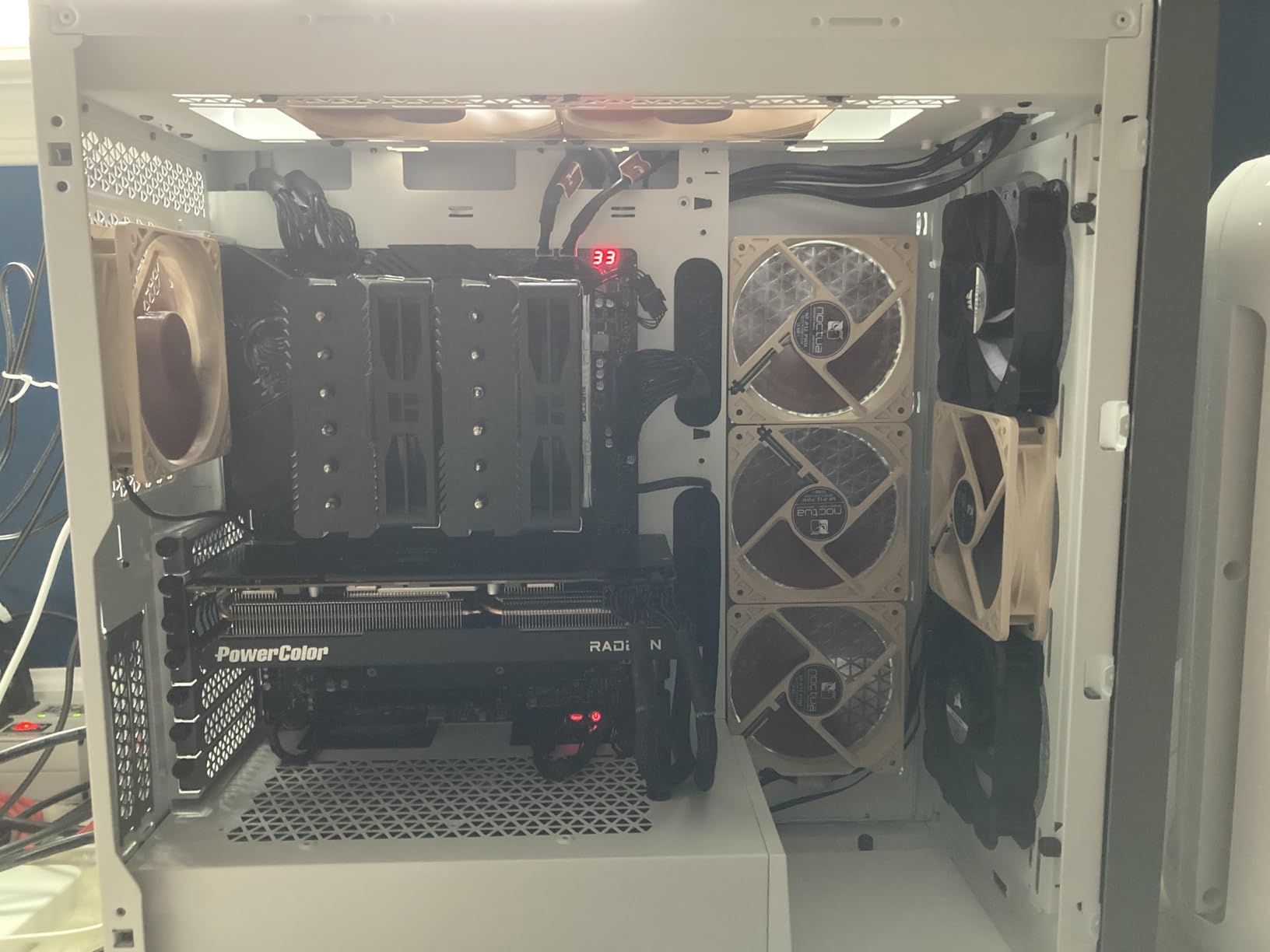
Installation is straightforward with standard 8-pin power connectors, avoiding the newer 12VHPWR connector that can pose challenges in older PSUs. The minimum 750W system power requirement is reasonable for a card of this performance level, though as always, giving yourself headroom is advisable. The DisplayPort 2.1 and HDMI 2.1 outputs ensure you are covered for current and near-future display technology.
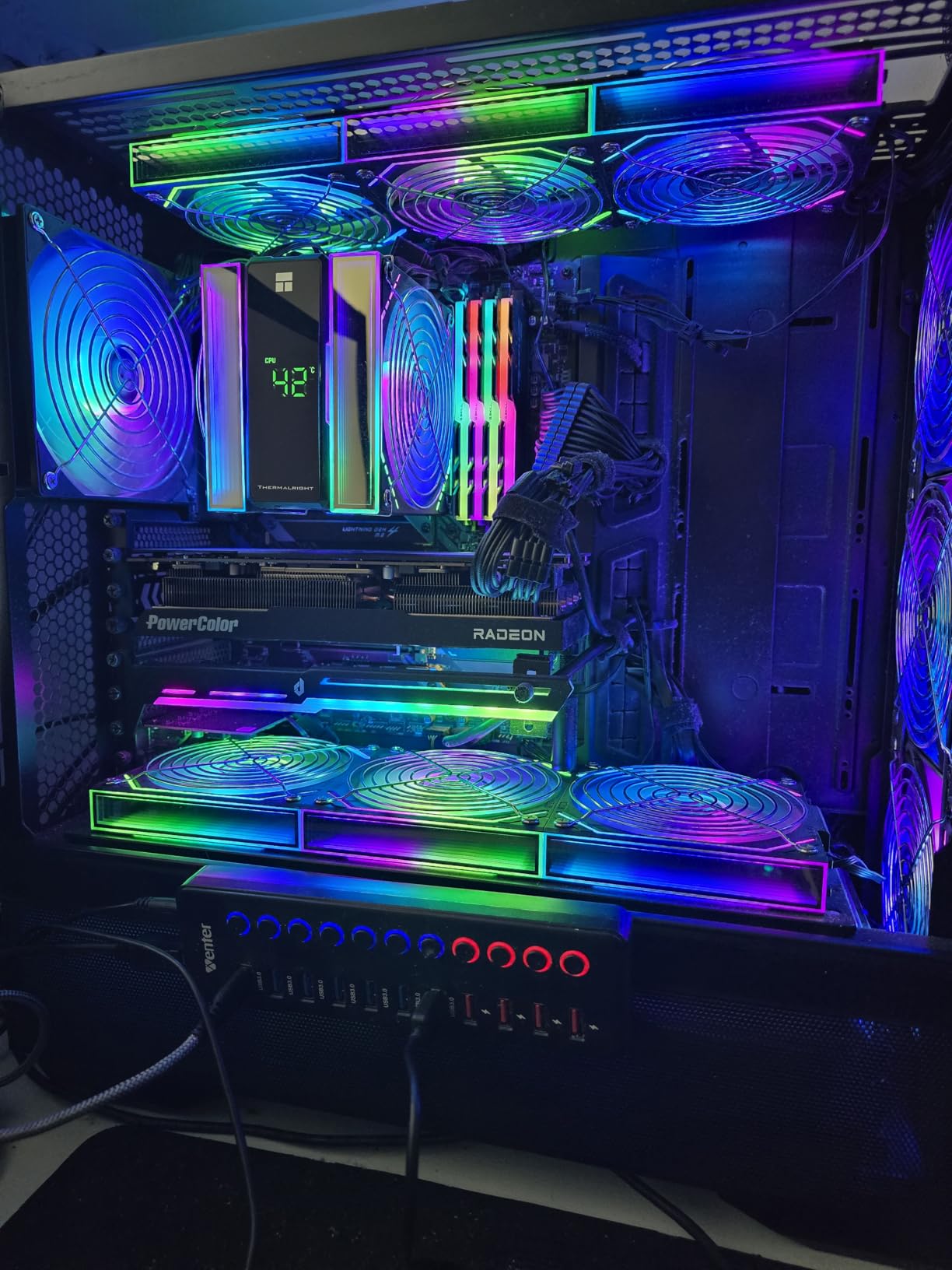
At $554.96, the RX 7800 XT offers compelling value for 1440p gamers, though it is worth noting that stock is limited with only nine units available at time of writing. A small number of defective units have been reported with green artifacts appearing under load, so purchasing from a retailer with good return policies is wise. Overall, however, the overwhelming majority of users report excellent experiences with this card, citing the significant performance upgrade it provides over older generations.
Who This Card Is For
The RX 7800 XT is ideal for gamers who want strong 1440p performance with headroom for 4K via FSR, but who do not need the extreme VRAM capacity of the RX 7900 XTX. The compact twin-fan design fits a broader range of cases than the larger triple-fan cards. If you are coming from a two or three-generation-old GPU, this card will feel like a massive leap forward in every metric that matters for gaming.
Who Should Look Elsewhere
If you play primarily at 4K without upscaling and demand maximum detail at native resolution, the RX 7900 XTX’s additional VRAM and bandwidth make it a better investment. The limited stock situation is also concerning — if this card is unavailable when you are ready to buy, the RX 7700 XT or RX 9060 XT are both worthy substitutes. Some users have reported occasional driver issues requiring reinstalls, so be prepared to spend some time with AMD Adrenalin if you encounter any quirks.
6. ASRock Challenger AMD Radeon RX 7700 XT – Best Mid-Range Card
ASRock Radeon RX 7700 XT Challenger 12GB OC Graphics Card, AMD RDNA 3 Architecture, 12GB GDDR6, 2584 MHz Boost Clock, 3X DisplayPort 2.1, 1x HDMI 2.1, Dual Fan Cooling
12GB GDDR6
192-bit bus
0dB silent cooling
Pros
- Excellent value for 1440p
- 0dB silent cooling when idle
- Dual-fan with Striped Ring Fans
Cons
- 1-year warranty shorter than competitors
- 12GB VRAM limits 4K
- LED lighting not customizable
The ASRock Challenger AMD Radeon RX 7700 XT is a compelling mid-range option that punches well above its weight in the 1440p gaming segment. At $409.99, it occupies an attractive price point that makes high-performance gaming accessible to a broader range of builders. The 12GB GDDR6 memory on a 192-bit bus provides sufficient bandwidth for smooth 1440p gaming in most titles, and the 48MB AMD Infinity Cache helps compensate for the narrower memory bus by keeping frequently accessed data close to the compute units.
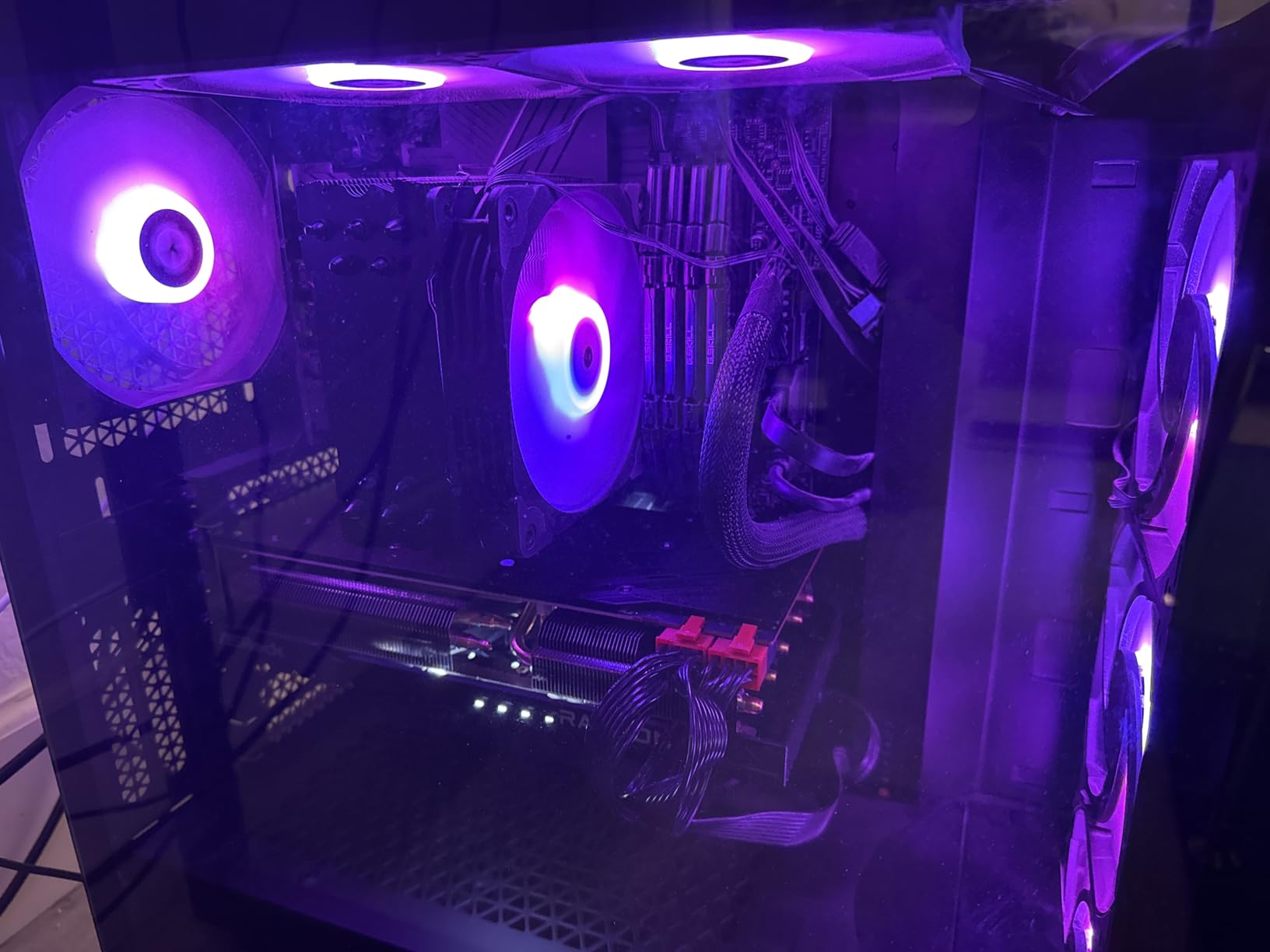
ASRock’s implementation of the RX 7700 XT features their signature dual-fan Striped Ring Fan design, which is both visually distinctive and aerodynamically effective. The 0dB silent cooling feature is a standout — the fans shut off entirely when temperatures are low, creating a completely silent experience during light desktop use or less demanding games. Only when temperatures rise do the fans spin up, and even then they remain quiet compared to many competing designs.
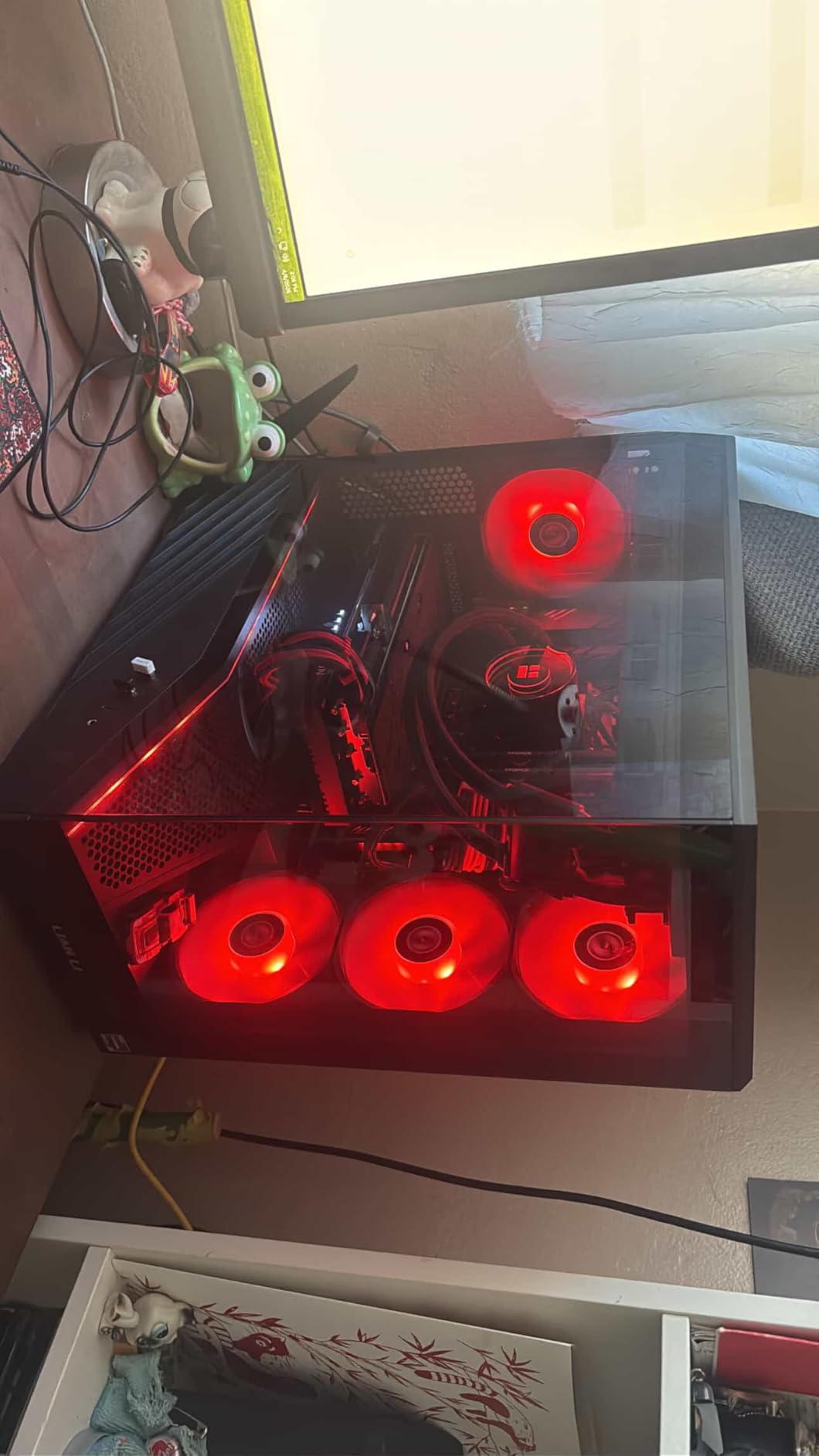
The metal backplate is a premium touch that adds both structural rigidity and additional heat dissipation. For users who move their PC occasionally or simply want to prevent GPU sag over time, the backplate provides meaningful structural support. The 12GB VRAM configuration is well-suited for 1440p gaming with high-resolution textures, and it handles most modern games without difficulty. Some users with older CPUs like the Ryzen 5 3600 have reported minor CPU bottlenecking, so ensure your processor is reasonably current to get the full benefit of this GPU.
The DisplayPort 2.1 and HDMI 2.1 outputs future-proof your setup for upcoming display technology, though the real-world difference from DisplayPort 1.4 is minimal in current games. At $409.99, the RX 7700 XT Challenger represents outstanding value for 1440p gamers who do not need the extreme performance of higher-tier cards. It is a fantastic upgrade path for anyone still running older mid-range GPUs like the GTX 1070 or RX 5700 XT.
Who This Card Is For
The RX 7700 XT is the sweet spot for mainstream 1440p gamers who want excellent performance at a reasonable price. The 0dB silent cooling makes it particularly appealing for quiet home theater PC builds or anyone sensitive to fan noise during less demanding gameplay. The metal backplate and solid build quality mean this card should last through multiple system upgrades, making the 1-year warranty less of a concern than it might be on a lesser product.
Who Should Look Elsewhere
If you are building a dedicated 4K rig, the 12GB VRAM and narrower memory bus may limit you compared to 16GB+ alternatives. The 1-year warranty is also shorter than what competitors offer, which is worth factoring into your decision. Users with very old CPUs should plan to upgrade the processor alongside this GPU to avoid bottlenecking. The LED lighting color cannot be customized to match all case color schemes, which may matter to builders with specific aesthetic requirements.
7. XFX Speedster SWFT210 Radeon RX 7600 – Best Budget 1080p Card
XFX Speedster SWFT210 Radeon RX 7600 Graphics Card with 8GB GDDR6 HDMI 3xDP, AMD RDNA 3 RX-76PSWFTFY
8GB GDDR6
Compact 9.49-inch
3-year warranty
Pros
- Excellent budget 1080p performance
- Great Linux compatibility
- Compact fits small cases
Cons
- Struggles at 1440p+ without FSR
- 8GB VRAM limiting for demanding titles
- Can run hot without adequate case airflow
The XFX Speedster SWFT210 Radeon RX 7600 is AMD’s entry into the budget 1080p gaming segment, and it delivers exactly what budget-conscious gamers need: reliable 1080p performance, excellent energy efficiency, and a price that does not require a second mortgage. At $299.99, this is the most accessible GPU in our roundup, and it handles its intended 1080p gaming workload with competence and confidence. The 8GB GDDR6 memory is adequate for 1080p textures and even makes a respectable showing at 1440p in less demanding titles or with FSR enabled.
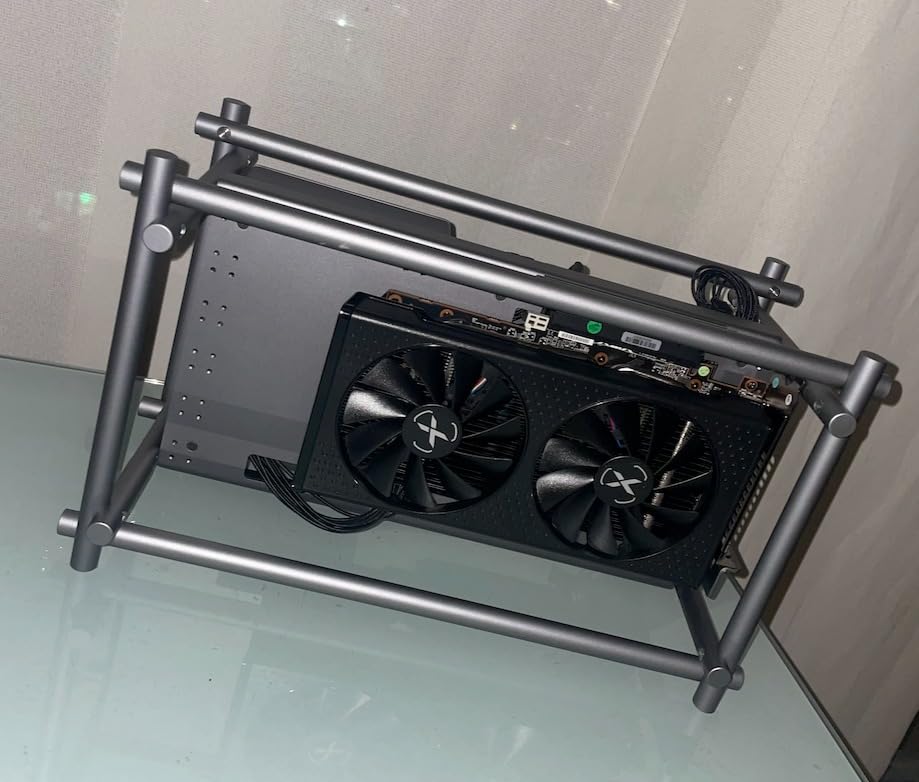
XFX’s SWFT dual-fan cooling solution keeps the RX 7600 running cool and quiet for its performance class. The compact 9.49-inch length means this card fits comfortably in smaller cases that cannot accommodate longer GPUs, making it an excellent choice for compact gaming builds or living room PCs. Despite the budget positioning, XFX includes a 3-year manufacturer warranty, which is the longest warranty coverage in this roundup and speaks to the company’s confidence in the card’s longevity.
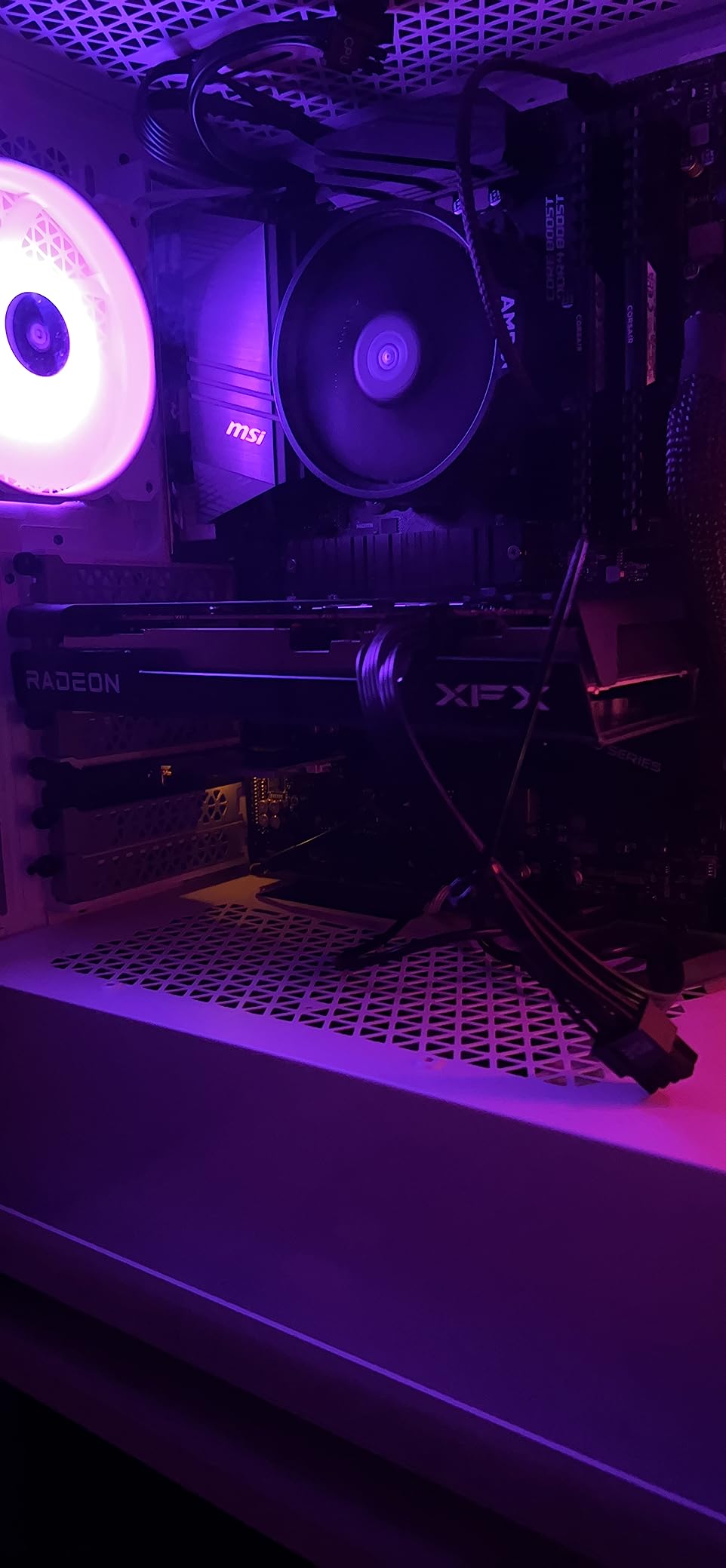
One of the RX 7600’s most praised attributes is its Linux compatibility. Users running Fedora, Arch Linux, and other distributions report excellent out-of-the-box driver support with minimal configuration. This makes the RX 7600 a fantastic choice for Linux gaming enthusiasts or anyone building a SteamOS-based gaming PC. The ease of installation and driver setup on Linux contrasts favorably with occasional frustrations reported on Windows with the Adrenalin software suite.
For Windows users, the picture is slightly more complicated. Some users report that the card can run hot under heavy load without updated drivers, and occasional crashing is reported if drivers are not properly configured. These issues are largely resolved by ensuring you are running the latest AMD Adrenalin drivers and have adequate case airflow. With proper cooling and updated software, the RX 7600 is a stable and reliable performer that exceeds expectations for its price tier.
Who This Card Is For
The RX 7600 is the obvious choice for budget builders who want reliable 1080p gaming without spending more than necessary. If you are running an esports-focused build for titles like Counter-Strike 2, Valorant, or Apex Legends at high refresh rates, this card will not bottleneck your gaming experience. Linux users and anyone building a compact form-factor gaming PC will find this card particularly appealing. The exceptional 3-year warranty provides peace of mind that is rare in the budget segment.
Who Should Look Elsewhere
If your primary gaming resolution is 1440p or 4K, this card will struggle to deliver the experience you want without heavy reliance on FSR upscaling. The 8GB VRAM is also a limiting factor for the most demanding modern titles at higher resolutions, where 12GB or 16GB alternatives provide meaningful breathing room. Users with cases that have limited airflow may need to supplement cooling with additional case fans, as some reports indicate the card runs warmer in enclosed spaces under sustained load.
Frequently Asked Questions About AMD Radeon Graphics Cards
Is the RTX 4070 better than AMD equivalents?
Does AMD have a 4090 equivalent?
Is the RX 9070 high-end?
What is the #1 gaming GPU?
Is an AMD Radeon graphics card good for gaming?
How much VRAM do I need for 1440p gaming?
Final Thoughts on the Best Ryzen Graphics Cards for Gaming
AMD has solidified its position as a genuine force in the gaming GPU market with a lineup that covers every price point and performance tier. Whether you are spending $299.99 on the capable XFX Speedster SWFT210 RX 7600 for 1080p gaming or investing $1,399.00 in the VRAM-rich PowerColor Hellhound RX 7900 XTX for uncompromising 4K performance, you are getting hardware that delivers meaningful gaming experiences without the premium pricing that some competitors charge.
Our top recommendation for most gamers remains the GIGABYTE Radeon RX 9070 XT Gaming OC. It strikes the ideal balance between performance, features, cooling, and price in the high-end segment. For budget-conscious builders, the RX 9060 XT at $459.99 is essentially unbeatable in the value department. And for those who demand the absolute most VRAM for 4K content creation alongside their gaming, the RX 7900 XTX remains a compelling choice despite being a previous-generation card.
Pair any of these GPUs with an AMD Ryzen processor to take advantage of Smart Access Memory, and you have a platform synergy that delivers measurably better performance in supported titles. The days of AMD being the budget alternative are long over — these are genuinely great graphics cards that stand on their own merits.
Whatever GPU you choose from this roundup, you are investing in a gaming experience that will serve you well for years to come. Game on.
Internal links: best graphics cards for AMD Ryzen 5 5500 | best gaming AM4 CPUs | best CPUs for NAS