

A power outage is an inconvenience until it is not. The electric well pump stops, the pressure tank empties, and the taps run dry within a few hours. If the generator is still working, you are fine. If the generator ran dry an hour ago and the rainwater barrels are empty, the only thing remaining in the plan is a manual water pump, because it needs no electricity, no fuel and no replacement parts to run.
That is the situation this roundup is built for. Every pump below is hand-operated, every one works during a grid failure, and every one was picked on the same handful of numbers: rated lift depth, flow rate, body material, connection size and what is actually in the box. We deliberately kept the list tight at six, because only six hand pumps cleared a real review threshold during testing. Padding a list with electric submersible pumps or siphon hoses would have made the page look fuller and the advice worse.
One thing to settle before you read further: every hand-operated pitcher pump on this page shares the same hard ceiling. A pitcher pump works by suction, and suction physically cannot lift water more than about 25 feet. If your well is 100, 140 or 200 feet deep, none of these six is the right tool, and we explain in the buying guide what to buy instead. If your well point sits in the first 25 feet, keep reading, because the differences between these six are real. Our broader guide to hand water pumps for wells covers the wider category if you want the short version first.
Top 3 Best Manual Water Pumps for Emergency Wells (October 2026)
These three are the picks we would install first, and each one won its slot for a different reason. The Simmons carries the deepest review history in the group, the VEVOR gives you the most complete package for the money, and the Locci is the lightest body to lift onto a well head when you are doing the install alone.

Simmons 1160/PM500 Pitcher Pump
- Close-grain cast iron
- 25 ft max lift
- 10 gpm flow
- 1-1/4 in pipe connection

VEVOR Hand Pitcher Pump
- Cast iron with rust-resistant coating
- 25 ft max lift
- 1-1/4 in NPT
- Hook spout

Locci Stainless Steel Hand Pump
- Stainless steel body
- 26 ft max lift
- Integrated base
- Spare seals in the box
Best Manual Water Pumps Compared Side by Side in 2026
All six pumps share the same 25 to 26 foot rated lift, so the comparison that matters is flow, mass, material and what you have to do before the first stroke. The table below lines up the specs in one place so you can check a candidate against your own well head before buying.
| Product | Specifications | Action |
|---|---|---|
| Simmons 1160/PM500 No.2 Pitcher Pump |
|
Check Latest Price |
| VEVOR Hand Pitcher Pump |
|
Check Latest Price |
 XtremepowerUS Antique Pitcher Pump XtremepowerUS Antique Pitcher Pump |
|
Check Latest Price |
| Locci Stainless Steel Hand Well Pump |
|
Check Latest Price |
 6699 SWP 300 Cast Iron Pitcher Pump 6699 SWP 300 Cast Iron Pitcher Pump |
|
Check Latest Price |
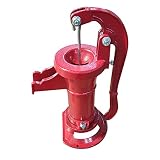 HFS Hand Water Well Pump HFS Hand Water Well Pump |
|
Check Latest Price |
1. Simmons 1160/PM500 No.2 Pitcher Pump – Best Overall Backup
Simmons 1160/PM500 No.2 Pitcher Pump
Close-grain cast iron
25 ft max lift
10 gpm flow
1-1/4 in pipe connection
6.8 lb
Pros
- Roughly a thousand owners have rated it
- Durable cast iron with reinforced bolt lugs
- Adjustable cap suits different handle positions
- Light 6.8 lb body is easy to mount
Cons
- Leather cup and flapper seals dry out in storage
- Some units lose prime and want a brass check valve
- A minority arrive with missing cotter pins
The Simmons is the one we came back to. It carries by far the largest review history in this group, close to a thousand ratings averaging 4.4, and that history matters here more than any other number on the page. Reviews are slow to earn and impossible to fake, so a pump that has been pumped on nine hundred real well heads for a decade is the safest bet for a device that only gets used during a crisis.
Owners use it the way the roundup assumes you will, as a second-line backup behind an electric shallow well pump. At a lift of roughly 8 to 20 feet with a properly sized well tip, reviewers describe the stroke as light rather than tiring, which is the difference between a pump you can work for an hour and one you abandon after ten minutes.
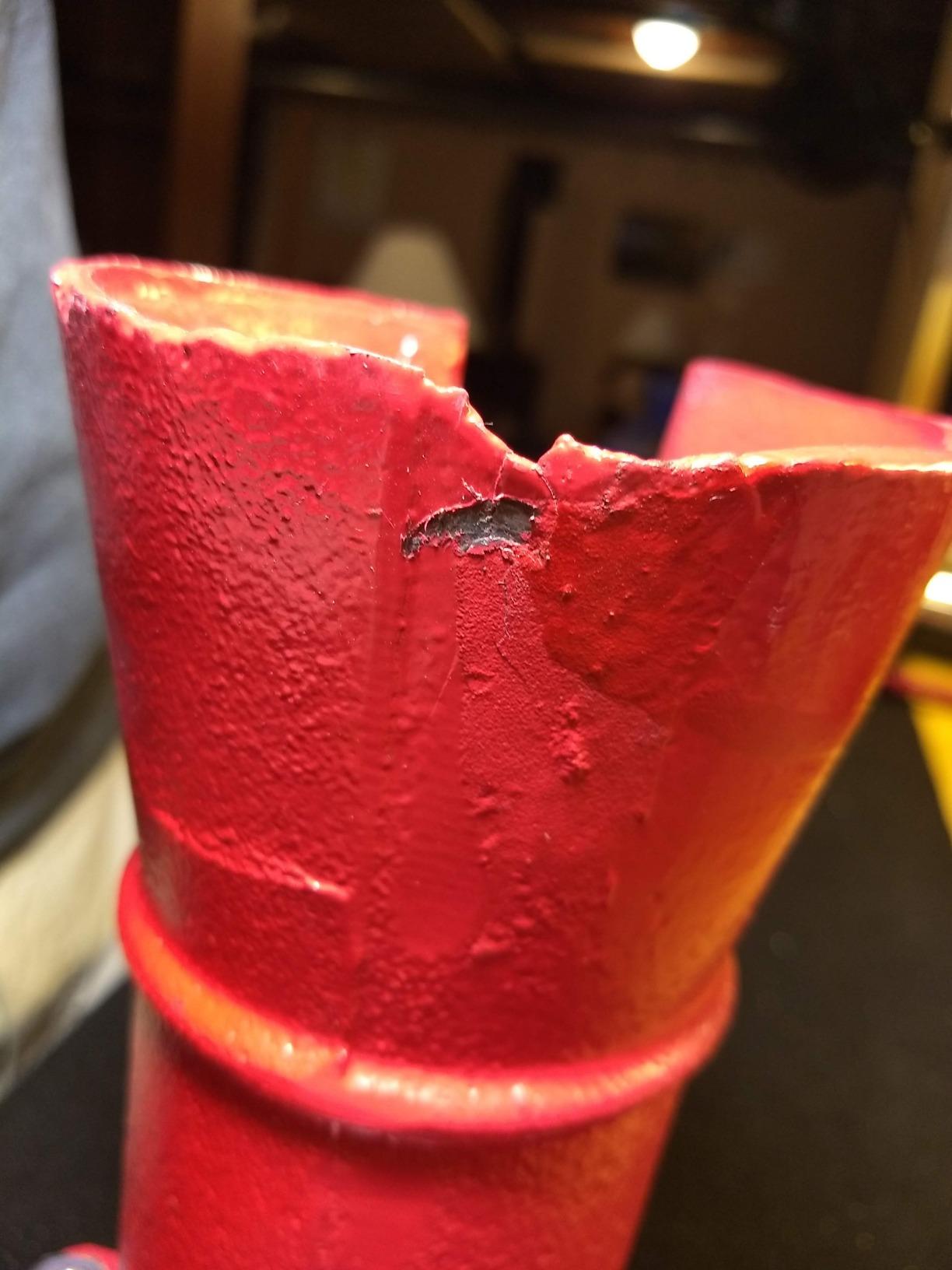
The construction is the reason it holds up. Every part is close-grain cast iron, the bolt lugs are reinforced for the kind of lateral force a handle generates, and the cap adjusts to a range of handle positions so you can set the leverage for the person doing the pumping. At 6.8 lb it is also the easiest body here to lift onto a well head by yourself.
Flow is where it separates from the group. The listed 10 gpm rating is the highest of any pump in this roundup, and that matters directly to how much water you can move before a storm arrives.
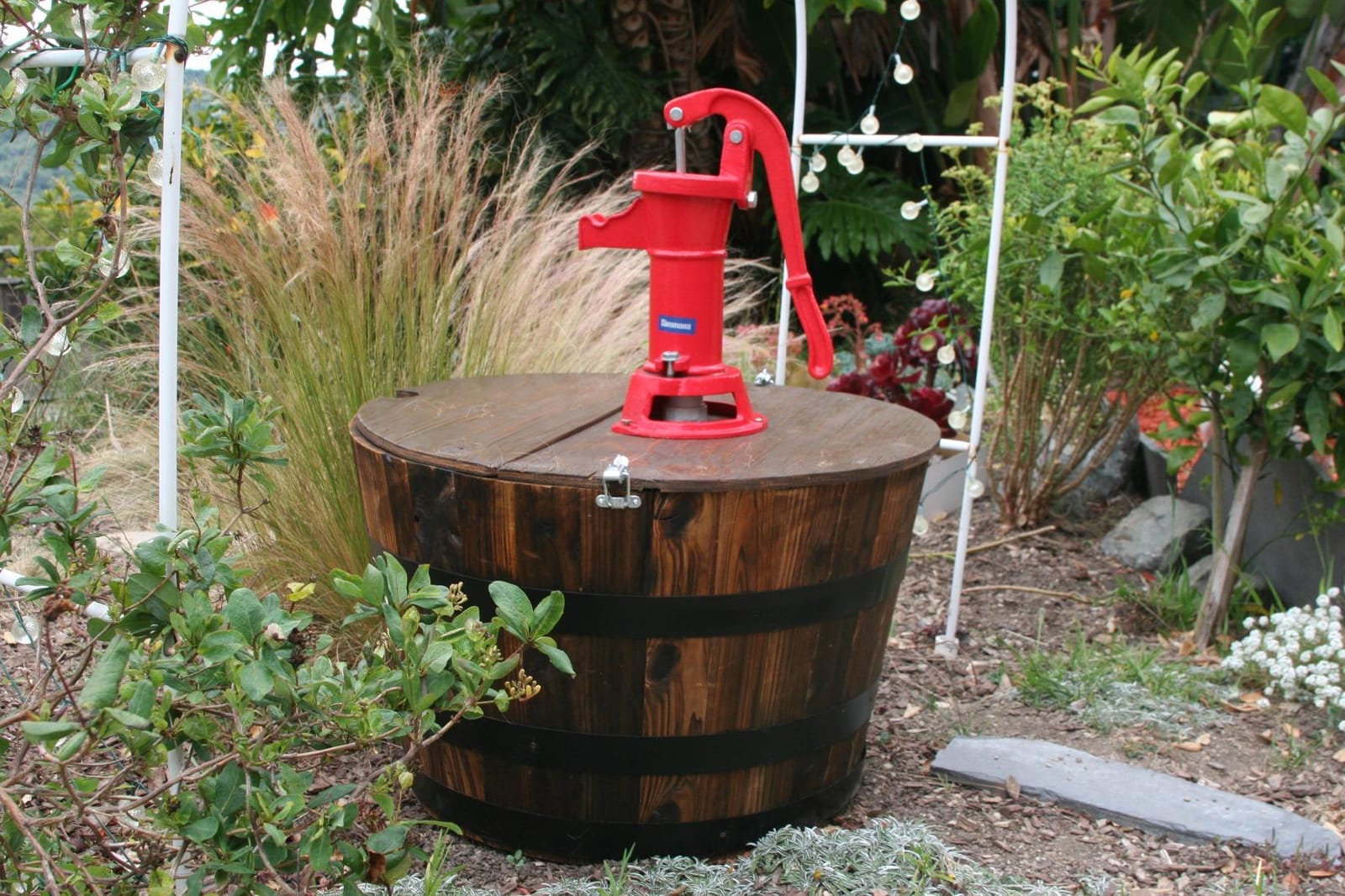
What the Simmons handles better than the alternatives
Output is the headline advantage. The other cast iron options in this roundup carry ratings of 300 GPH and one listed figure that is hard to interpret, while the Simmons is quoted at 10 gpm. If you are filling a livestock trough, a garden barrel or a bathtub during an outage, that difference is measured in minutes per load.
The adjustable handle cap is a smaller but genuinely useful feature. Tall users and short users get different leverage from a fixed handle, and being able to re-angle the cap is the difference between a comfortable stroke and a shoulder ache on day two of pumping.
Where the Simmons falls short
The recurring complaint is maintenance, and it is a real one. The supplied leather cup and flapper seals dry out between uses, and owners recommend keeping spares on hand plus a bottle of water for wetting them before the first pump. That is a five-minute job once you know it, but it will surprise you the first time the pump draws air.
A second group of owners reports the pump losing prime, and adding a brass check valve under the body is the usual fix. A small number of pumps also arrive with missing cotter pins or a top hold-down bolt that will not stay tight, so check the hardware before you need the pump rather than during an outage.
2. VEVOR Hand Pitcher Pump – Best Value Cast Iron
VEVOR Well Hand Pitcher Pump, 25 ft Maximum Lift, Antique Cast Iron Manual Hand Water Pump, NPT 1-1/4 in Connection, Easy Installation, Old Fashioned for Outdoor Garden, Pond, Backyard, Farm, Red
Cast iron with rust-resistant coating
25 ft max lift
1-1/4 in NPT
12.9 lb
Pros
- Hook spout hangs a bucket without splashing
- Installs in 2-3 minutes with a screwdriver
- Palm-fit handle keeps strokes smooth
- Doubles as a garden feature
Cons
- Must be primed before the first lift
- 12.9 lb body is awkward to reposition
- Needs draining before freezing weather
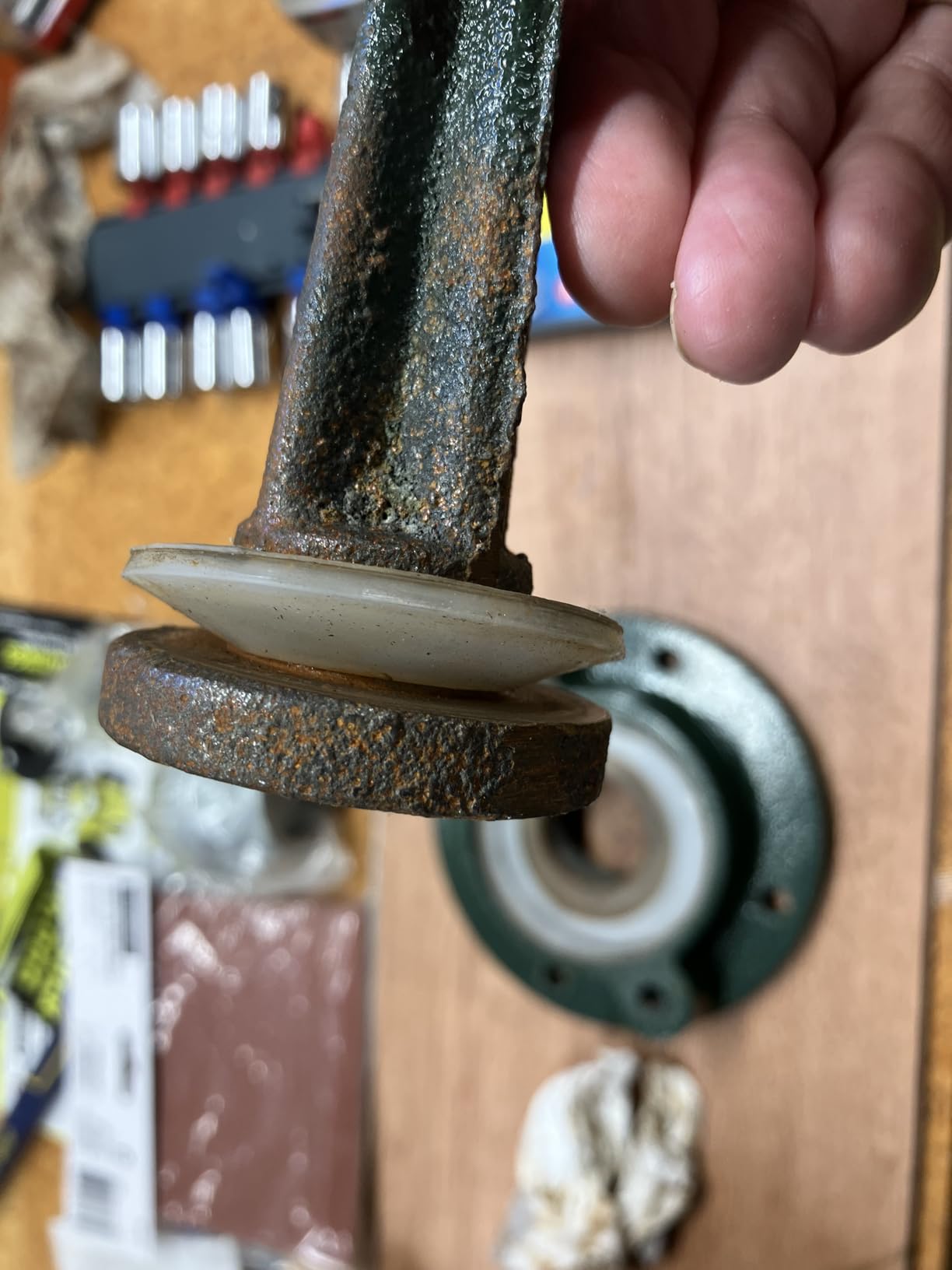
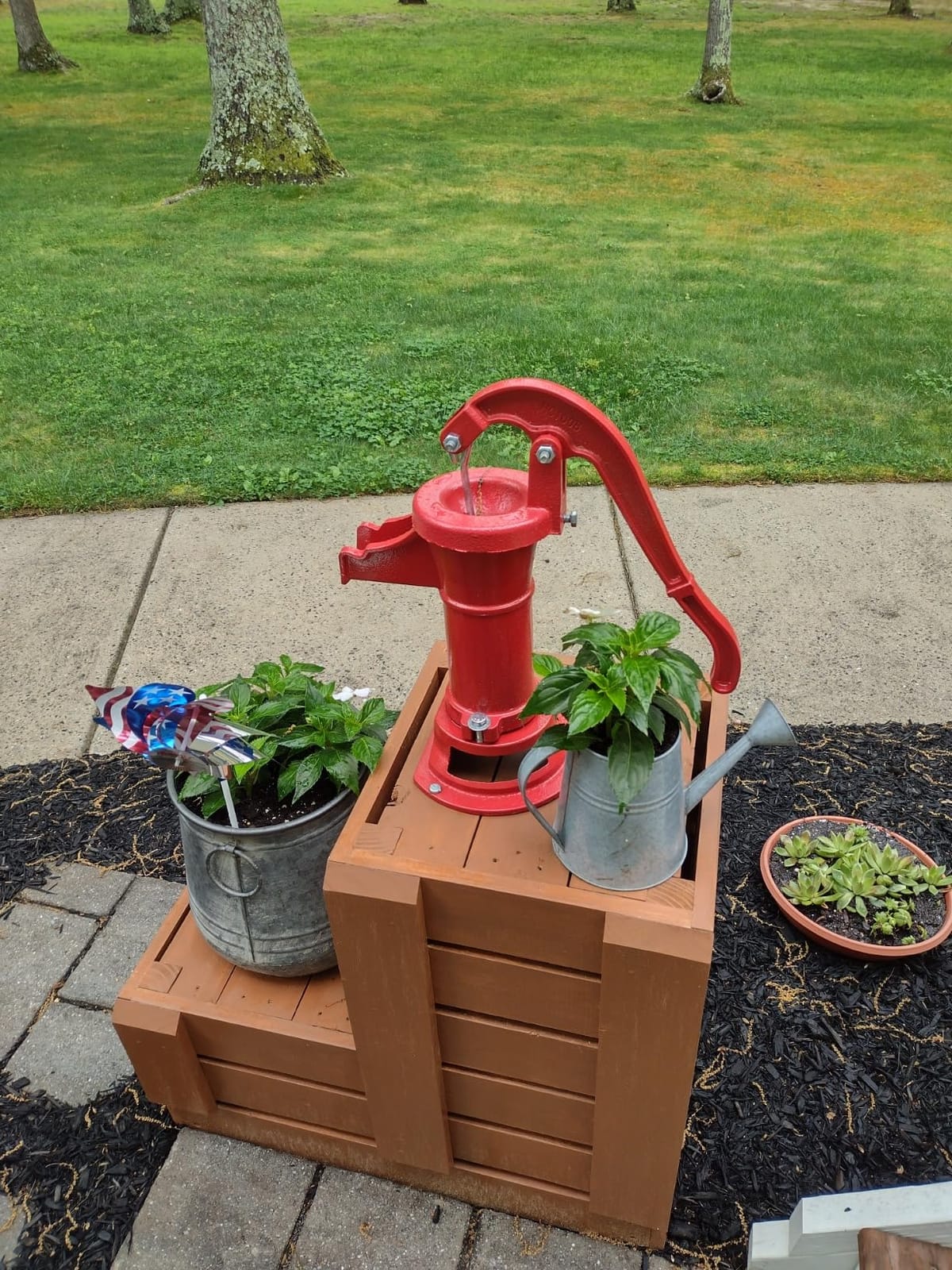
The VEVOR is the one to buy when you want a working pump that also looks deliberate in the yard. The cast iron body carries a rust-resistant coating, and the styling is close enough to a farm antique that most owners leave it mounted and visible rather than hiding it. Reviewers treat it as functional and decorative at the same time.
The handle is the best-shaped one in this roundup. It is shaped to sit in the palm, and owners consistently mention a smooth, low-strain stroke. On a hand pump the handle is the entire user interface, so a comfortable grip is not a cosmetic detail, it is the reason you keep pumping after the novelty wears off.
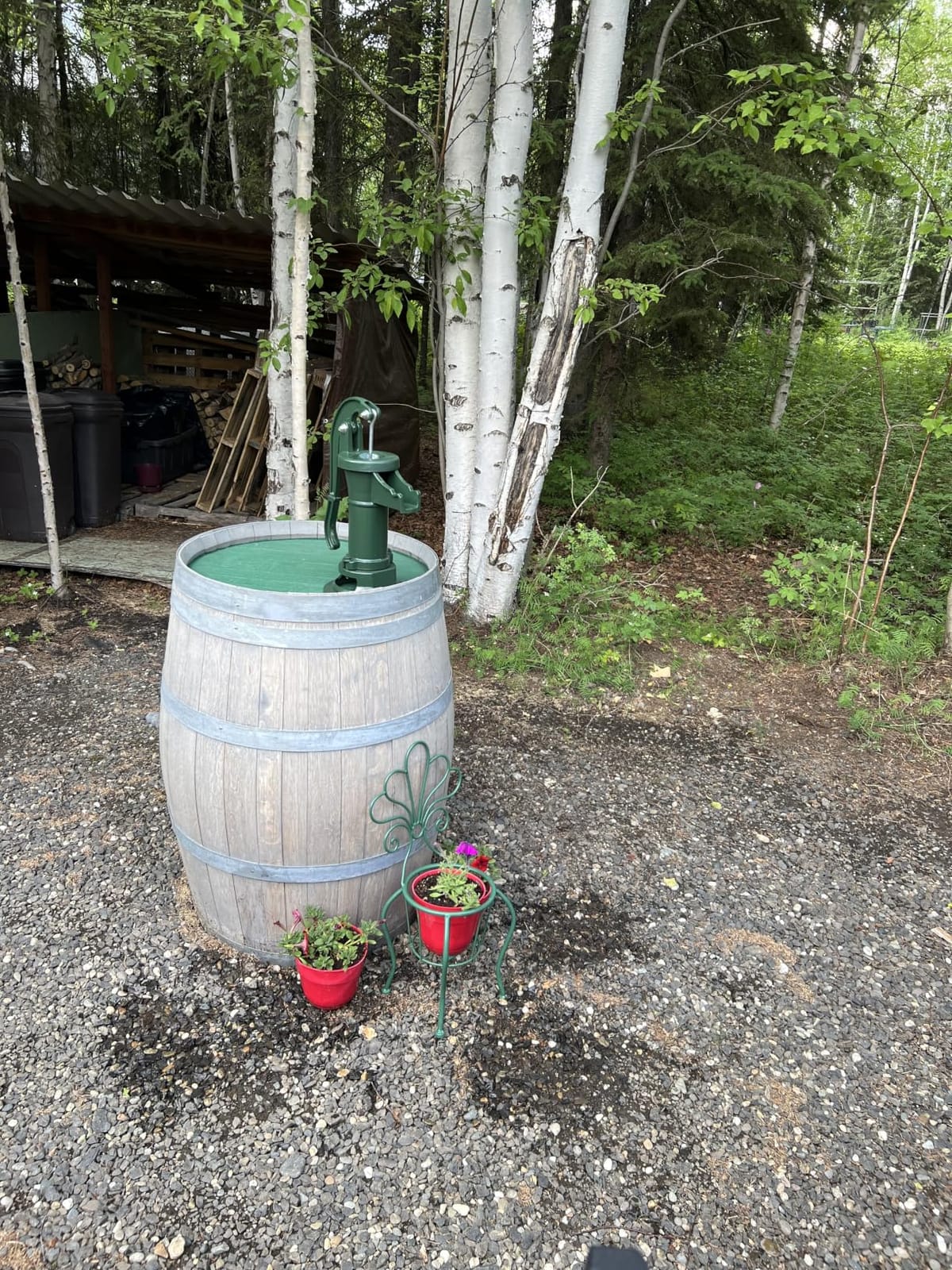
Installation is genuinely fast. It mounts on a standard 1-1/4 in NPT connection with nothing but a screwdriver, which matters when you are fitting a backup to a well head that already has plumbing on it. The hook spout is a small upgrade over a plain spout because a bucket hangs without you holding it crooked.
Everything about it is hand-operated, so it keeps running through any outage scenario. That is the entire premise of the list, and the VEVOR meets it without any caveats about fuel or power.
Why it earns the value pick
It pairs the second-highest rating in the group with a feature set that matches the more expensive pumps. The palm-fit handle and hook spout are the parts budget manufacturers usually cut, and VEVOR keeps both. The Simmons wins on published flow and review depth, the VEVOR wins on styling and install speed.
It is also flexible about where it mounts. Reviewers use it on ponds, cisterns, campsites and gardens as readily as on wells, so it does double duty as the water source for a garden even outside an emergency.
What to know before you commit
Priming is mandatory. The pump has to be filled and primed with a correct well point setup before it will lift anything, and if the well tip is undersized you will get a disappointing weak stream that looks like a pump fault but is not.
At 12.9 lb it is a two-hand lift for the first mount. It stays put after that, but plan for it if you are setting it up alone, and note that it has to be drained in freezing weather or the casting can crack.
3. XtremepowerUS Antique Pitcher Pump – Best Vintage Look
XtremepowerUS Well Hand Pitcher Antique Pitcher Manual Hand Pump Operated up to 25′ ft Max Lift Patio Water Well Fountain for Outdoor Garden, Pond, Backyard, Farm
Cast iron and aluminum parts
25 ft max lift
1-1/4 in NPT connection
Red finish
Pros
- Classic styling buyers want to leave on display
- Simple 1-1/4 in NPT installation
- Palm handle lowers pumping strain
- Hook spout keeps bucket filling clean
Cons
- Often needs priming again after long disuse
- Coating and hardware feel lighter than heavier cast iron brands
- Listed weight of 0.27 g is not a real handling guide
The XtremepowerUS is bought as often for how it looks as for what it does. The red vintage styling is the draw, and owners describe it as a yard feature that also happens to move water from a shallow well, cistern or rain barrel.
Mechanically it sits in the same family as the VEVOR: a 25 ft maximum lift, a standard 1-1/4 in NPT connection, a palm-shaped handle and a hook spout. If your shortlist came down to appearance and a straightforward installation, this is the same idea in a different finish.
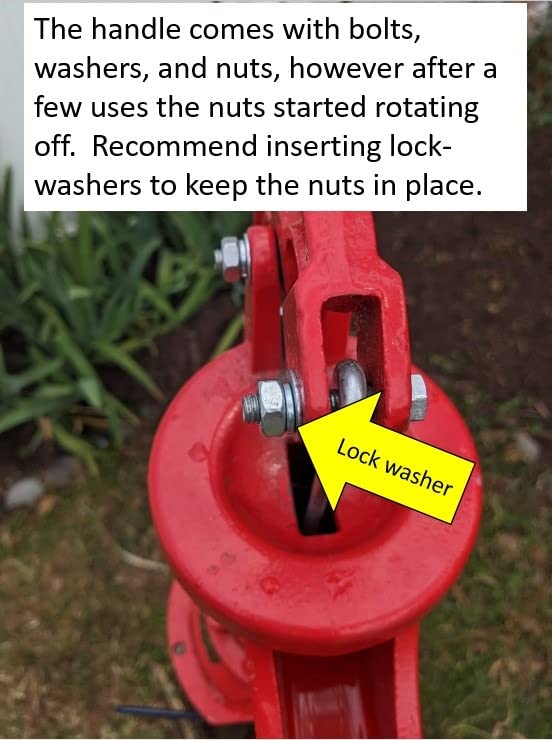
The rating sits a little below the two leaders at 4.2 from 279 reviews, and the reviews explain the gap. Satisfaction is high on looks, installation and handle feel, while durability gets mixed feedback from buyers who put it into continuous water service rather than occasional use.
Like every pitcher pump here, it works with no electricity at all. In an outage it behaves exactly the same as the rest of this list.
Who this pump suits
If the pump will live in a visible spot beside a garden path or a covered well head, the styling is a genuine advantage over a plain industrial body. Reviewers also like it for filling rain barrels and pond edges, where a hook spout and a compact footprint are more useful than high flow.
The installation story is short. A screwdriver and a matching 1-1/4 in NPT connection is the whole job, and no power source is involved at any stage.
Where it lags behind the picks above
Buyers most often report that the pump needs priming again after long periods of disuse, which is exactly the situation a backup pump sits in. You are pulling it off the shelf during an outage, so anything that has to be coaxed back to life is friction at the worst moment.
The coating and hardware are described as lighter duty than heavier cast iron brands. The listed weight of 0.27 g is also plainly wrong on the listing, so do not use it to plan how you will carry the pump. It sits below the two leaders on build and output, which is where the difference in specification buys you.
4. Locci Stainless Steel Manual Hand Well Pump – Best Budget Pick
Locci Stainless Steel Manual Hand Well Pump, Heavy Duty Deep Well Hand Pitcher Pump with Integrated Base Design, Corrosion-Resistant Water Pump for Farm, Garden, Homestead & Emergency Water Supply
Stainless steel body
26 ft max lift
Integrated base design
4 lb
Pros
- Stainless steel resists rust in all weather
- 4 lb body is the easiest here to mount
- Spare leather bowls and pads included in the box
- Integrated base stays steady and quiet
Cons
- Supplied leather cups need soaking or replacing
- Can leak at the spout or base seals over time
- Some setups fail to hold prime on deeper installs
The Locci is the stainless steel option and the only one on this list built around an integrated base rather than a bolted-on mount. It ranks inside the top 20 of the Well Pumps category, which tells you it has enough traction to be worth the shelf space, and at 4 pounds it is the lightest body here by a wide margin.
That low mass is the reason we like it for emergency prep. A backup pump gets mounted once and then ignored, but if you are installing it on a well head by yourself in a pit, four pounds versus sixteen pounds is the difference between a comfortable job and a two-person job.
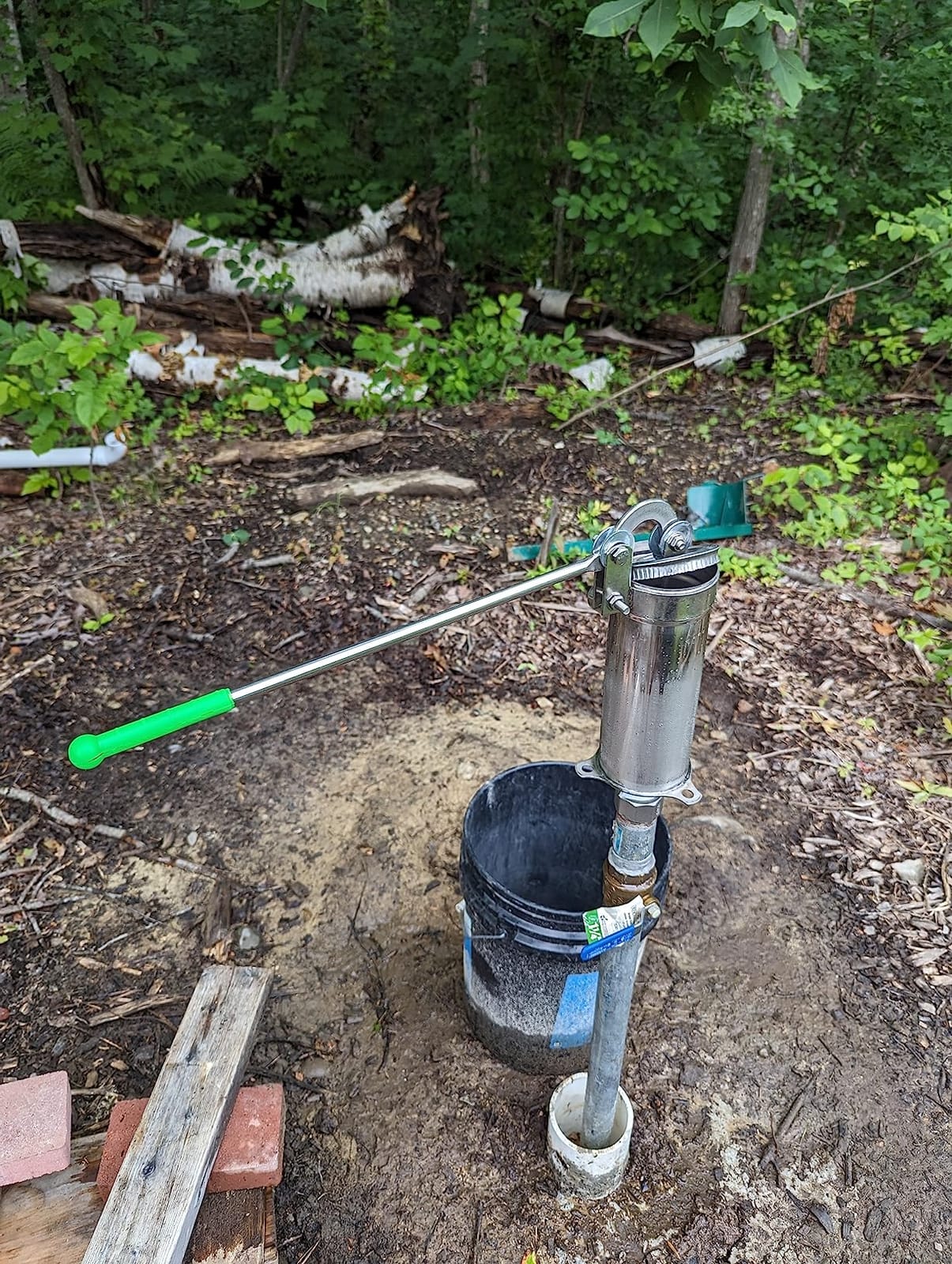
The box is unusually well stocked for this category. It includes five leather bowls, five water stopping pads, three fixing screws, PTFE tape and a PVC adapter with a conversion fitting, so you can seal the connection on the spot without a second hardware run.
Its 26 ft rated lift is one foot more than the others here, which is a rounding error in practice but does mean it is not the constraint at the top of its range.
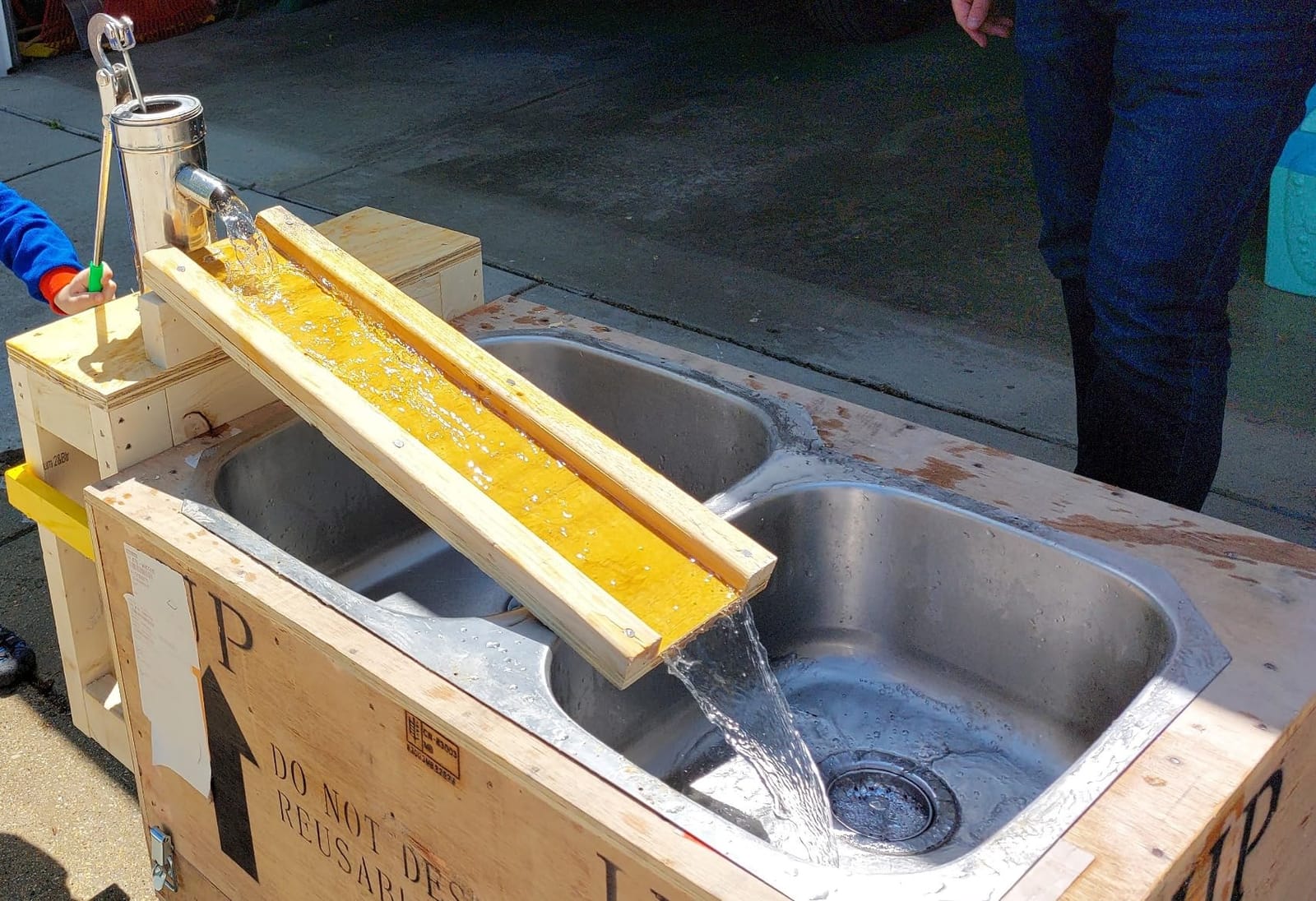
What the Locci does better
Material is the reason to choose it over cast iron. Stainless steel does not pit, flake or need repainting the way a painted casting does after a few seasons outdoors, and reviewers point at rust resistance in rain and sun as the main satisfaction driver.
The reinforced integrated base also reduces movement while pumping, which owners describe as steadier and quieter than multi-piece designs that rock under load. On a pump you might use for an hour at a stretch, stability is an effort saving.
Where it disappoints
Sealing is the weak point. Buyers most often report that the leather bowls or cups dry out, need soaking before use or eventually leak, and that replacement pads are needed. This is the single most common complaint across almost every hand pump in this roundup, and the Locci is no exception, though spare pads in the box soften it.
There are also reports of the pump losing prime or failing to lift on deeper setups. If your lift is at the far end of the 26 ft range, prime and well point sizing become the deciding factors rather than the pump itself.
5. 6699 SWP 300 Cast Iron Pitcher Pump – Highest Rated and Heaviest Body
6699 Durable Cast Iron Pitcher Pump Antique Manual Hand Shake Suction Well Pump Water Transfer Pump 25ft Maximum Lift Easy Installation for Outdoor Garden Pond Backyards SWP 300 Black
Cast iron with anti-corrosion paint
25 ft max lift
300 GPH max flow
16 lb
Pros
- Highest average rating in the set at 4.5
- Heavy 16 lb body resists deformation and rust
- Mounting anchors and bolts included in the box
- Integrated hook groove holds a container
Cons
- 16 lb weight makes mounting a two-person job
- Must be drained in winter or it can freeze and crack
- A few units arrive with casting defects or base leaks
This is the highest rated pump in the roundup at 4.5, and the reasons behind that number are consistent across reviews. Owners describe it as noticeably more solid than cheap hand pumps, with a smooth up-and-down stroke that pulls water quickly, and 73 percent of ratings are five stars.
Flow is its stated advantage. The manufacturer rates it at 25 ft of lift and up to 300 GPH, with a 3 inch cylinder diameter. Only the Simmons publishes a figure in gallons per minute, at 10 gpm, which is why the 300 GPH rating is the number to compare against when you size this pump for a bucket-filling session.
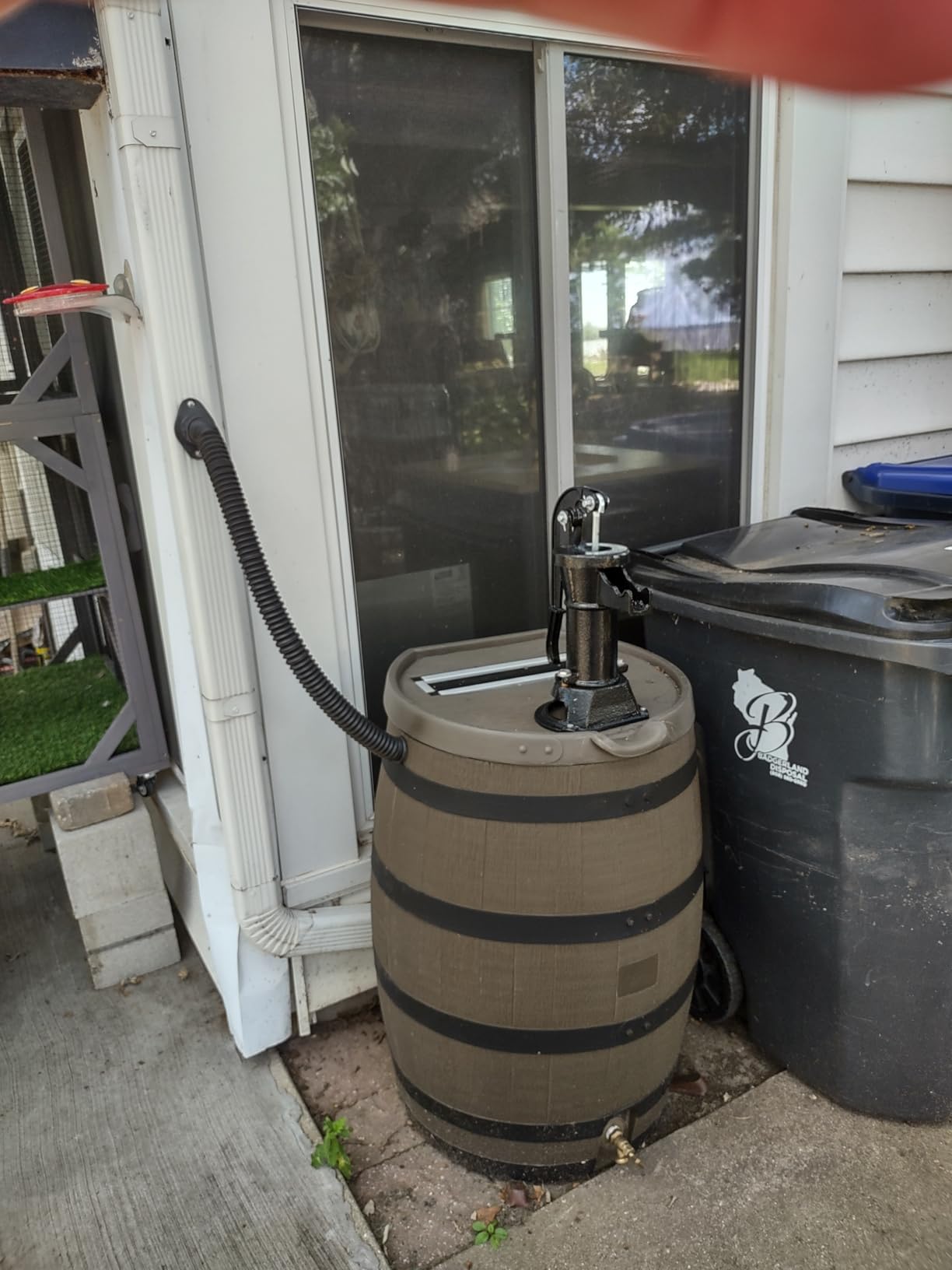
All the mounting hardware arrives in the box, three anchors with screws, three nuts and three bolts. On a pump that weighs 16 pounds, having the fasteners supplied means you are bolting it to a solid base on the first attempt instead of improvising.
It is hand-operated end to end, so a power failure changes nothing about how it works.
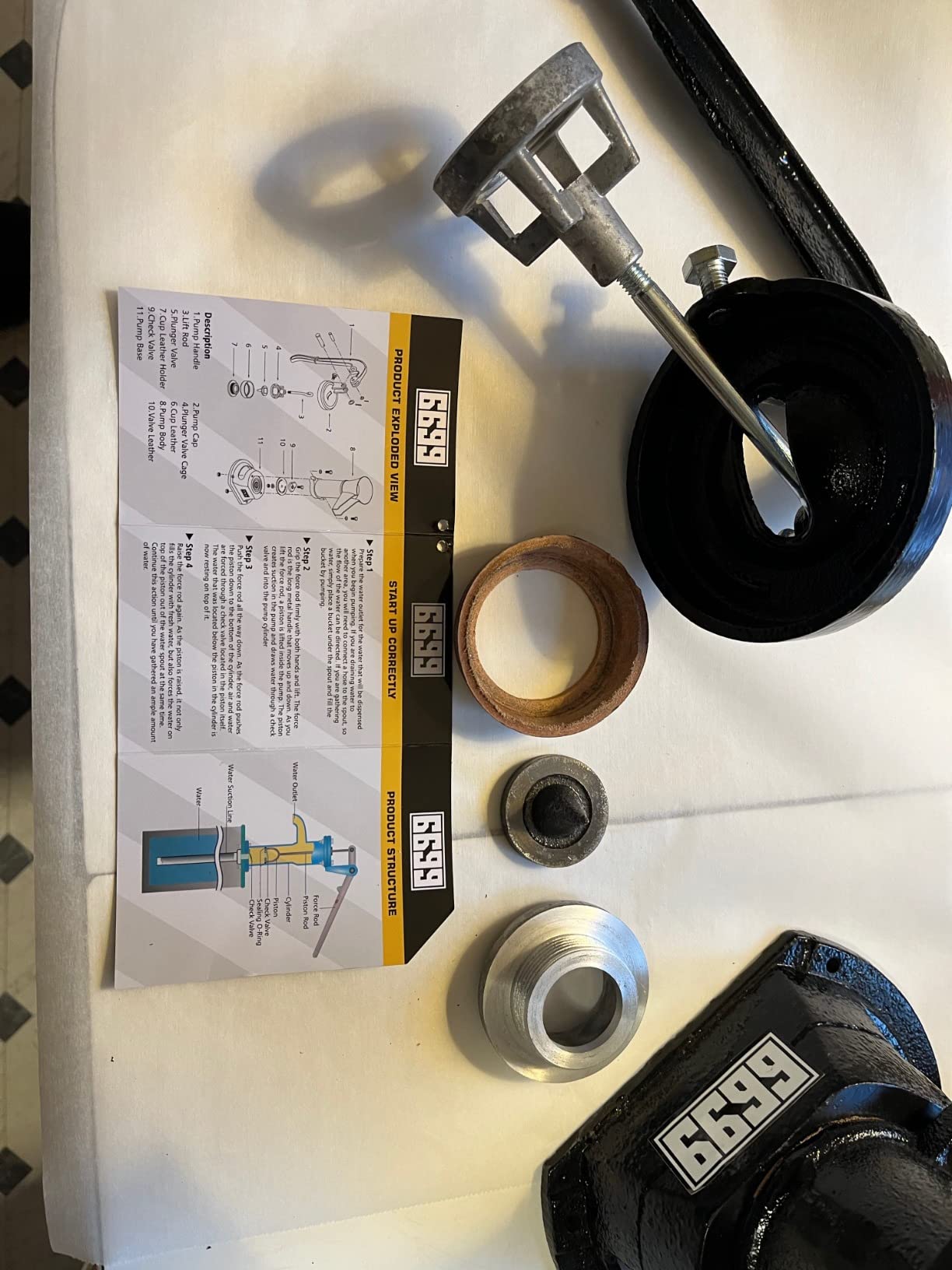
Where it beats the rest
Mass and stability. A 16 lb cast iron body does not shift when you lean on the handle, and buyers put it firmly at the durable end of this group. If your pump will sit outdoors year-round through rain, sun and frost cycles, heft is a fair proxy for a casting that will still be there in a decade.
The hook groove integrated into the outlet holds a bucket or container securely, which is useful when you are pumping alone and cannot hold the container steady with one hand.
Where it costs you
Weight cuts both ways. At 16 lb it is the second heaviest pump here and repositioning it is a two-person job, so install it where you want it the first time.
The manufacturer explicitly recommends emptying the pump in winter, and reviewers back that up with reports of freeze cracking. A small number of pumps also arrive with finish defects or leaking at the base, which is normal manufacturing variance at this volume but worth catching on delivery.
6. HFS Hand Water Well Pump – Built for Rain Barrels and Cisterns
HFS(R) Hand Water Well Pump Manual Pitcher Pump Antique 25 FT Max. Lift Red Cast Iron for Home, Yard, Garden, Farm, Pond
Cast iron body with aluminum internals
25 ft max lift
12 oz per stroke
1-1/4 in NPT
Pros
- Moves 12 oz per stroke
- Hooked spout and handle suit bucket filling
- Works on wells
- cisterns and rain barrels
- Reinforced bolt lugs on the body
Cons
- Needs priming before each use to draw water
- Some units arrive with loose or missing hardware
- Non-iron internals are the most criticized parts
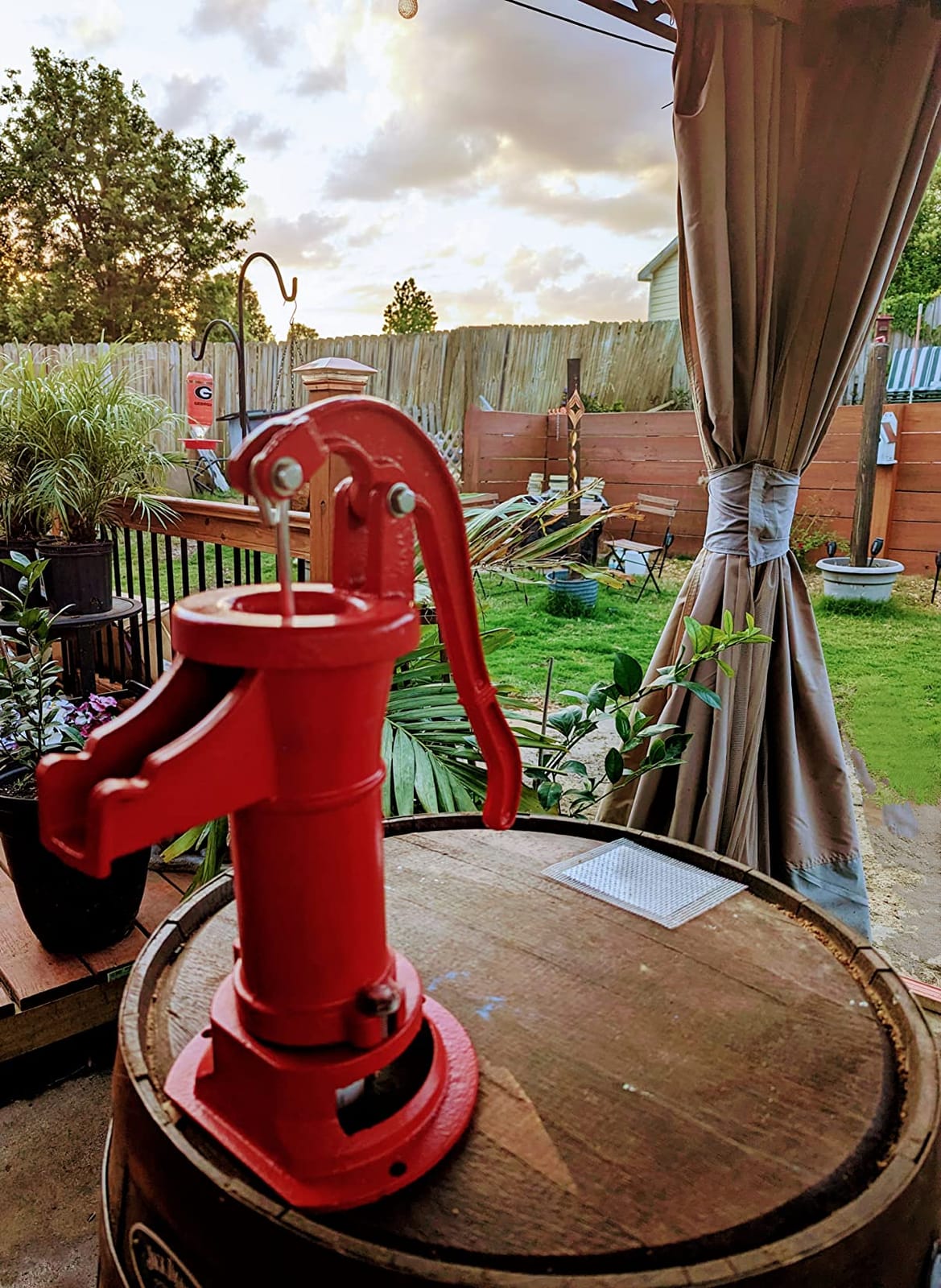
The HFS is the most dual-purpose unit here, and reviewers use it on rain barrels and cisterns as often as on wells. If your outage plan already includes stored rainwater, a pump that pulls from a barrel as readily as from a well point keeps that layer of the plan working.
The stroke volume is the useful number here. Owners get up to 12 oz per stroke through the 1-1/4 in NPT inlet, which is the metric that decides how long a bucket takes to fill when the pump is working properly.
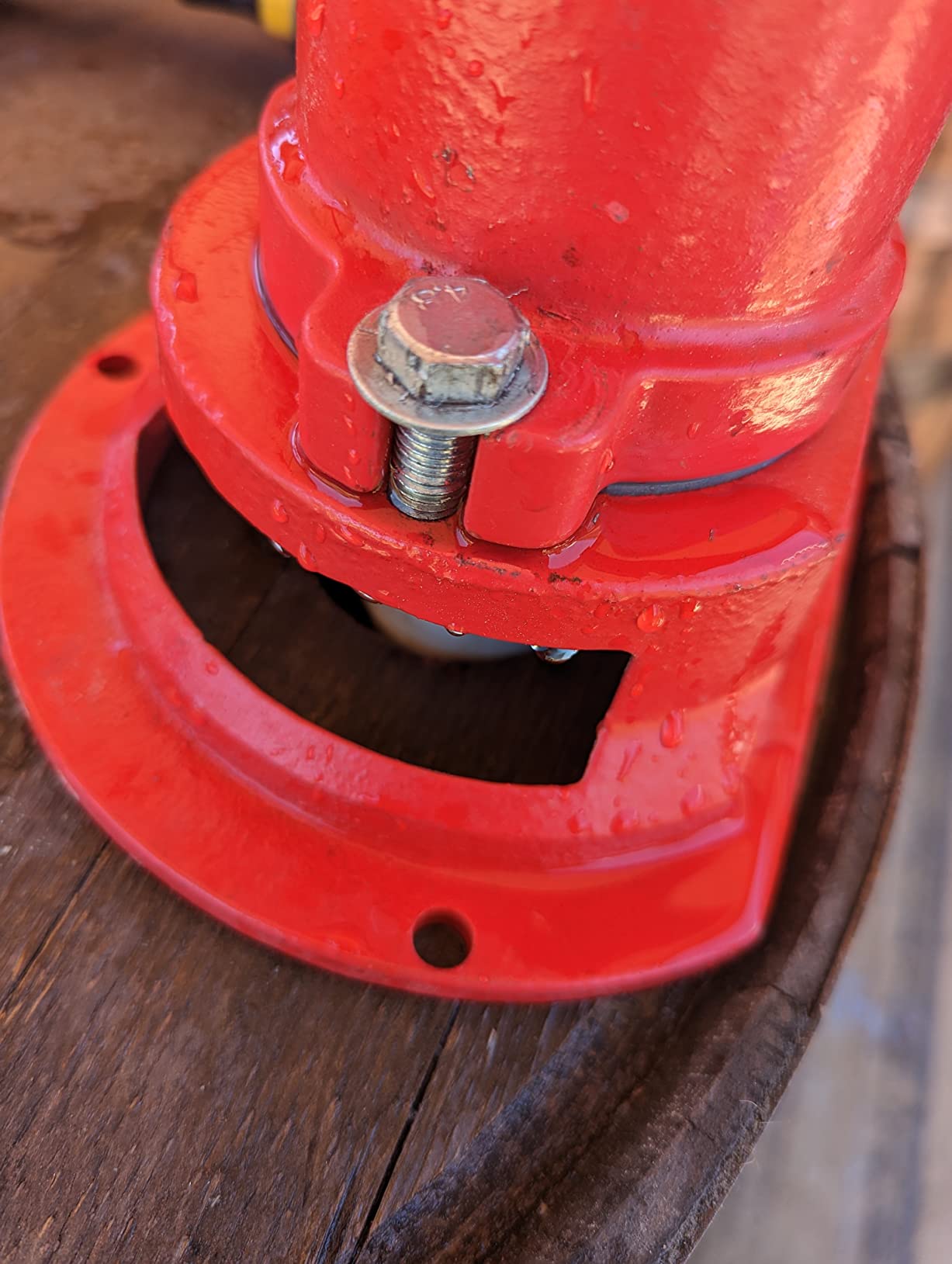
It splits into two camps in reviews, and the split is predictable. Buyers mounting it for decoration or for filling rain barrels rate it well, citing the heavy cast iron feel, the red finish and adequate lift for the job.
Buyers who put it into regular water service report a rougher experience. This is the least reviewed pump in the roundup at 58 ratings, and the sample is small enough that you should treat the pattern as a warning rather than a verdict.
Where it earns its place
Body weight for the money. It is a 14 lb cast iron shell with a painted finish that resists rust, and at that mass it feels closer to the heavier pumps than to the light budget units.
Versatility is the second reason. The hooked spout and ergonomic handle suit bucket filling, and owners use it for backyards, campsites, farms and yard decoration, not just wells.
Where it falls short
It has to be primed every session to bring water up, which is the least convenient habit on this list. If it has been sitting in a shed for a month, expect to prime it before the first real stroke.
The internal parts are the specific complaints. Reviewers single out the non-iron components, including an undersized plunger cage that jams, an over-long plunger rod, and a plastic leather holder that does not seal. Some pumps also ship with loose or missing nuts and bolts or a chipped spout, and there are reports of leaking and breakage within weeks of service. Pick it for occasional drawing, not for daily use.
How We Picked These Manual Water Pumps
Every pump here was judged against six criteria, and every one of them comes from what buyers actually complain about rather than from a spec sheet aesthetic. Depth comes first, then output, then the physical realities of owning a pump that sits outside.
First, rated lift against real depth. Every pump on this page is rated 25 or 26 ft, so the honest differentiator is how close to that ceiling you run, and how forgiving the pump is when you go past it. Second, flow rate, measured in gpm or gph, which decides how fast you can move water when you have a household waiting.
Third, body material. Cast iron with a protective finish, or stainless steel, decides whether you are repainting every few seasons or not. Fourth, connection size, almost always 1-1/4 in NPT here, because a pump that does not match your existing well head needs adapters you may not have during an outage.
Fifth, what is in the box. Seals, pads, anchors, screws and PTFE tape shipped with the pump separate the units that install in one visit from the ones that need a hardware store trip. Sixth, review depth, because a category with thin ratings is exactly where listing claims and reality drift apart.
How Deep of a Well Will a Hand Pump Work?
A hand pump works to about 25 feet, and that number is physics rather than a marketing choice. A pitcher pump creates suction with a piston and lever, and atmospheric pressure can only push water roughly 25 feet up a pipe, so no amount of lever leverage extends that ceiling. Past 25 feet you need a pump that pushes instead of sucks.
Measure from your pumping water level, not your static water level. The static level is where water sits when the pump is off, and drawdown lowers it while you pump. Sizing to the static level is the most common way people buy a hand pump that performs worse than they expected.
For wells deeper than 25 feet, the correct answer is a deep-well rod pump, where linked rods run down the casing and push water up. Brands in that category include Flojak, Bradley, Idaho Hand Pump and Bison. Effort is the trade-off, and it is a steep one: a homeowner running a Flojak at 120 ft reports roughly 3 gpm and describes it as a workout, while a Bison owner with a 140 ft static water level confirms the pump works but says pulling water from that depth is a lot of work.
On Reddit, the r/preppers thread that most often comes up asks for exactly this, a manual backup pump for a 200 foot well, with the explicit plan of keeping the electric pump and adding a generator ahead of it. The consensus answer is that a pitcher pump cannot serve that well at all and a deep-well rod pump is the only manual option.
Pitcher Pump vs Deep-Well Rod Pump vs Siphon Pump
There are three hand-operated architectures, and picking the wrong one is the most expensive mistake in this category. A pitcher pump sucks, a deep-well rod pump pushes, and a siphon pump relies on gravity with no priming at all.
A pitcher pump is the unit on this page: a 25 ft ceiling, a priming step, high flow for its size, and the simplest installation of the three. Choose it for a shallow well point, a cistern or a rain barrel within that 25 ft window.
A deep-well rod pump reaches 100 ft to 300 ft and beyond by pushing water up the casing with rod-linked pistons. The cost is physical effort at depth and a much heavier installation involving drop pipe, rod and often a pit. A siphon pump needs no priming and follows no lift curve, which sounds ideal until you remember it only works for low lifts and short vertical runs, so it suits surface water, barrels and shallow sump work rather than a deep well.
Our rule of thumb: if your pumping water level is under 25 ft, stay with a pitcher pump. If it is deeper, you are shopping in the rod pump category and the depth rating is the first filter, not the price.
How Much Water Can You Realistically Pump by Hand?
Rated flow is measured at ideal conditions, so treat it as a ceiling rather than a promise. Near the top of its range with a properly sized well point, the Simmons is quoted at 10 gpm, the 6699 at 300 GPH, which works out to 5 gpm, and the HFS moves 12 oz on every stroke. Those are the numbers to plan against.
Push that lift toward 25 feet and flow falls while the effort per stroke rises. The forum reporting on deeper installations makes the shape of the curve obvious, with a user at 120 ft getting about 3 gpm and calling it a workout. Deep-well buyers should plan for single-digit gpm and short pumping sessions rather than an afternoon of work.
The practical budget follows from that. One person working a shallow pitcher pump for an hour with a helper swapping buckets can move more water than any realistic household need for drinking and cooking, which is why these pumps fail as a whole-home supply long before they fail as a survival supply. Use them for drinking, sanitation and cooking during an outage, and treat stored water as the tier above.
For livestock and garden volume, no hand pump is the answer, and that is worth saying plainly. A solar powered water pump for livestock or a generator-backed electric pump belongs in a different tier of the plan.
Installation, Priming, and Winterization
Installing a hand pump is a short job, and the sequence is the same for all six units here. First, confirm your connection size, which is 1-1/4 in NPT on five of these six. Second, mount the pump on a solid base at the well head and bolt it down using the supplied anchors or screws. Third, connect the pipe and wrap the threads in PTFE tape.
Fourth, fill the pump body completely with water before the first stroke. This is the priming step that most skipped setups fail on, and a pump that is not fully primed will draw air and spit instead of lifting. Fifth, pump until water flows steadily, which may take a few dozen strokes. Sixth, check for leaks at the spout and base and tighten or reseat as needed.
Winterization is the step nobody covers and everybody needs, because ice storms are one of the most common real triggers for emergency pumping. Drain the pump body and the spout before the first hard freeze, and do not leave a primed pump sitting outdoors through winter. Reviewers across this list, including the manufacturer guidance for the 6699, say the same thing, and a cracked casting is the most common way these pumps are lost.
Once water is in the house, treat it before drinking. Hand-pumped well water is the same water your electric pump draws, and if you have not verified it recently, a UV water purifier for wells or a rolling boil is the cheap insurance. If you are drawing from a rainwater barrel rather than the well, treat it more sceptically, not less.
What a Manual Water Pump Cannot Do
A manual water pump cannot pressurise a house. There is no pressure tank and no switch, so you fill buckets and bottles by hand rather than turning on a tap. Anyone planning to run a shower, a washing machine or a full household on a hand pump alone is planning for disappointment.
It cannot reach past 25 feet. This is the ceiling that sends the most buyers to the wrong product, and it applies to every pump on this page, not just the cheapest ones. It cannot tolerate a freeze, and it cannot push water sideways to a distant building without a pump at the far end.
It also cannot replace a primary electric pump for daily use. A household with two adults and four children moves far more water than any hand pump will deliver in an afternoon, so the correct place for a manual water pump in your plan is the tier below the electric pump and the generator. If your well is deep, none of these six is the right tool, and the RV water pump comparison covers another tier of the same layered plan.
Frequently Asked Questions
What is the best hand pump for a water well?
For a shallow well with a pumping water level under 25 ft, the Simmons 1160/PM500 is the strongest all-round pick: close-grain cast iron, a 10 gpm listed flow rate and by far the deepest review history in the category. For the best value the VEVOR hand pitcher pump matches the cast iron build and adds a palm-fit handle and hook spout.
How deep of a well will a hand pump work?
About 25 ft. A pitcher pump works by suction, and atmospheric pressure cannot lift water more than roughly 25 feet up a pipe. Deeper wells need a deep-well rod pump such as a Flojak, Bradley, Idaho Hand Pump or Bison, which pushes water up from 100 ft and beyond, with much higher effort.
What is a good hand crank pump for a well?
Look for a cast iron or stainless steel body, a 1-1/4 in NPT connection to match your well head, and included mounting hardware. The 6699 SWP 300 ships with anchors, screws, nuts and bolts, and the Locci includes spare leather bowls, pads and a PVC adapter, so both install without a second hardware run.
What are the disadvantages of using a manual water pump?
A manual water pump cannot pressurise a house, cannot lift past about 25 ft, will crack if left full in freezing weather, and cannot move enough water for livestock or daily household use. It works best as the tier below an electric pump and a generator, covering drinking, cooking and sanitation during an outage.
How do I know which well pump to buy?
Measure your pumping water level, not just the static level, and match the pump to that depth. Then check the connection size against your existing well head, compare listed flow in gpm or gph, confirm the body material suits your climate, and check whether mounting hardware and spare seals are included in the box.
Which brand of well pump is considered the best?
Among hand-operated pumps, Simmons has the largest body of owner feedback, VEVOR offers the most complete package for the money, Locci leads on stainless steel and low weight, and 6699 has the highest average rating with the heaviest cast iron body. For deep wells the established names are Flojak, Bradley, Idaho Hand Pump and Bison.
Final Verdict on the Best Manual Water Pumps for Emergency Wells in 2026
The Simmons 1160/PM500 is the best manual water pump for emergency wells because it pairs the highest listed flow in the group with roughly a thousand owner ratings, and it is the one most likely to still work when you pull it off the shelf after a year of disuse. Install it, prime it, wet the leather cup, drain it before winter, and it will be there.
Take the VEVOR if you want the best complete package with the best handle on this list, the Locci if weight and rust resistance matter more than flow, the 6699 if you want the highest rated and heaviest body, the XtremepowerUS if it lives in a visible spot, and the HFS if it spends most of its life drawing from rain barrels.
None of them reaches past 25 ft. If your well is deeper, close this page and start with a deep-well rod pump instead. Before you go, our guide to emergency radios covers the other half of what an outage actually demands.