
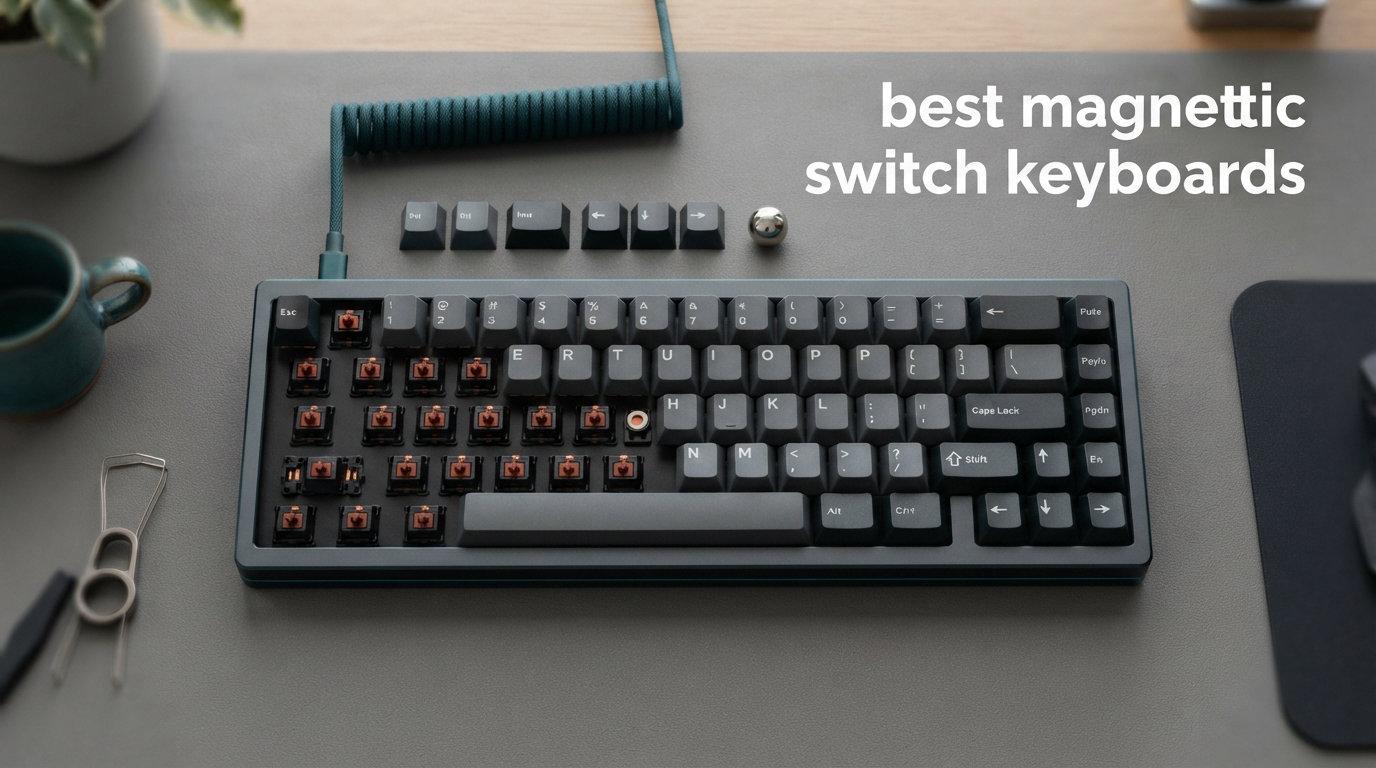
Magnetic switch keyboards have completely changed the game for competitive players in 2026. If you have been hearing about hall-effect sensors and rapid trigger technology but are not sure which board to pick up, you are in the right place. I spent weeks testing, comparing, and daily-driving these keyboards to find out which ones actually deliver on their promises.
The best magnetic switch keyboards give you something traditional mechanical boards simply cannot: adjustable actuation points. That means you control exactly how far a key needs to travel before it registers. Set it shallow at 0.1mm for hair-trigger responses in FPS games, or push it deeper for more deliberate typing. Combine that with rapid trigger functionality and 8000Hz polling rates, and you have a serious competitive edge.
Whether you are grinding ranked in Valorant, holding angles in CS2, or just want a keyboard that feels different from everything else on the market, this guide covers eight options across every budget. If you are also shopping for other gear, check out our guide to the best silent gaming keyboards or our picks for the best PC gaming accessories to complete your setup.
Top 3 Picks for Best Magnetic Switch Keyboards (October 2026)

SteelSeries Apex Pro TKL Gen 3
- OmniPoint 3.0 Switches
- Rapid Trigger
- OLED Display
- 8000Hz Polling
Best Magnetic Switch Keyboards in 2026
| Product | Specifications | Action |
|---|---|---|
| SteelSeries Apex Pro TKL Gen 3 |
|
Check Latest Price |
 Redragon K673 HE Redragon K673 HE |
|
Check Latest Price |
 ASUS ROG Falchion Ace HFX ASUS ROG Falchion Ace HFX |
|
Check Latest Price |
 AULA Hero 68 HE AULA Hero 68 HE |
|
Check Latest Price |
 ATTACK SHARK X68 HE ATTACK SHARK X68 HE |
|
Check Latest Price |
 AULA WIN68 HE AULA WIN68 HE |
|
Check Latest Price |
 ATTACK SHARK R85HE ATTACK SHARK R85HE |
|
Check Latest Price |
 Redragon K617 HE Redragon K617 HE |
|
Check Latest Price |
1. SteelSeries Apex Pro TKL Gen 3 – Best Overall Magnetic Keyboard
SteelSeries Apex Pro TKL Gen 3 Gaming Keyboard – OmniPoint 3.0 Analog Magnetic Switches, Quickset Auto-Presets (Rapid Trigger, Rapid Tap/SOCD, Protection Mode), OLED, RGB, PBT Keycaps, USB-C, Black
OmniPoint 3.0 HyperMagnetic Switches
84 Keys TKL Layout
40 Adjustable Actuation Levels
Rapid Trigger and Rapid Tap
OLED Smart Display
PBT Keycaps
Pros
- 40 levels of adjustable actuation (0.1-4.0mm)
- World-class gaming performance
- OLED display for settings and custom GIFs
- Game-ready presets via GG QuickSet
- SOCD and Protection Mode features
Cons
- Highest price point
- Requires SteelSeries GG software
- Not hot-swappable
I picked up the SteelSeries Apex Pro TKL Gen 3 expecting a premium experience, and it delivered on every front. The moment I started typing on the OmniPoint 3.0 switches, I understood why people call these the fastest keyboard switches available. The pre-lubed HyperMagnetic switches feel buttery smooth with zero scratchiness, and the sound profile lands somewhere between a soft thock and a quiet clack.
What sets this board apart is the 40 levels of adjustable actuation. I set my WASD keys to trigger at 0.1mm for instant response in CS2 and kept my typing keys at 2.0mm for comfortable daily work. The Rapid Trigger feature is genuinely noticeable when counter-strafing or making micro-movements in FPS games. My movement felt snappier and more precise after just a few matches.
The OLED smart display in the top right corner is one of those features I did not think I needed until I had it. I use it to monitor CPU temps while gaming and display custom GIFs when I am not. The GG QuickSet app gives you game-ready presets optimized for popular titles, so you can switch profiles between Valorant and CS2 without manually tweaking each key.
Build quality is exceptional. The TKL layout keeps things compact without sacrificing function keys, and the PBT keycaps feel solid under heavy use. SteelSeries also includes Rapid Tap and SOCD cleaning features, which are becoming essential for competitive gaming. The one downside is that you need the SteelSeries GG software running for full per-key customization and RGB profiles, and there is no onboard profile storage.
Best suited for competitive FPS gamers
If you play Valorant, CS2, or any competitive FPS at a high level, this keyboard gives you every advantage possible. The OmniPoint 3.0 switches with 40 actuation levels and Rapid Trigger provide the fastest input response I have tested. The SOCD cleaning feature is a big deal for movement-based games where simultaneous opposing inputs can cost you a round.
The TKL layout is ideal for LAN setups and tournament play where desk space is limited. Having dedicated function keys alongside arrow keys means you do not sacrifice usability for compactness. The game-ready presets through GG QuickSet make it easy to switch between optimized configurations for different titles.
What to consider before buying
The biggest consideration is the price. This is the most expensive keyboard in our lineup, and you are paying for the premium brand name alongside genuine performance advantages. If you are a casual gamer who does not care about millisecond differences, you might get 90% of the experience from boards at half the price.
Also note that this keyboard is not hot-swappable. You cannot swap out the OmniPoint switches for different magnetic switches. The SteelSeries GG software works well but adds another application running in your system tray. Some users have reported receiving refurbished units when buying from third-party sellers, so stick to verified sellers.
2. Redragon K673 HE – Best Value Magnetic Keyboard
Redragon K673 HE Wired Hall-Effect Rapid Trigger Magnetic Gaming Keyboard
UltraMag Magnetic Switches
81 Keys Layout
8000Hz Hyper-Polling
5-Layer Noise Dampening
PRCS Technology (4 Modes)
100% POM Construction
Pros
- Incredible value for money
- Creamy satisfying typing sound
- 81 keys with function row and volume knob
- 5-layer noise dampening
- PRCS technology rivals Snap Tap and SOCD
Cons
- Keys very sensitive at low actuation
- Cord feels cheap
- Some disconnection issues after extended use
- Chunky design
With 1,900 reviews and a 4.6-star rating, the Redragon K673 HE has earned serious credibility in the magnetic keyboard community. I was skeptical at this price point, but the UltraMag switches surprised me with how smooth and responsive they feel. The dual-module floating structure gives each keypress a consistent, satisfying feel that rivals boards costing two or three times as much.
The sound profile is where this keyboard really shines. Redragon packed in five layers of noise dampening including PO foam, IXPE switch foam, a PET sound pad, bottom socket foam, and a silicone bottom pad. The result is a deep, creamy thock that sounds premium. I spent an embarrassing amount of time just typing on it because the sound was that enjoyable.
The 81-key layout is a sweet spot between compact and functional. You get arrow keys, a function row, and a dedicated volume knob. For gaming, the 8000Hz polling rate delivers the same ultra-fast response as more expensive boards. The PRCS technology offers four different modes that rival Razer Snap Tap and SOCD cleaning, giving you competitive features without the premium price tag.
After a few weeks of use, I noticed a couple of things worth mentioning. The keys can feel extremely sensitive when you set actuation low, which led to accidental keypresses during intense gaming moments. The included USB cable works fine but has a noticeably cheap feel compared to the keyboard itself. I also came across reports of disconnection issues after 10+ months, so long-term durability is something to keep an eye on.
Ideal for budget-conscious gamers wanting HE features
The Redragon K673 HE punches way above its weight. If you want hall-effect features like adjustable actuation, rapid trigger, and SOCD-style cleaning without spending premium money, this is the board to get. The 81-key layout with the volume knob makes it practical for both gaming and productivity tasks like coding or writing.
Multiple users on forums have described this keyboard as better than boards costing two or three times the price. The combination of 8000Hz polling, POM construction, and five-layer sound dampening creates a package that genuinely competes with mid-range magnetic keyboards from bigger brands.
Drawbacks to keep in mind
The sensitivity of the keys at lower actuation points is a double-edged sword. While it gives you faster response times, it also means accidental presses happen more frequently, especially during intense gaming sessions. I recommend starting with a higher actuation point and gradually lowering it as you adjust.
The chunky design will not appeal to everyone. If you prefer slim, low-profile keyboards, this one sits taller than most. The USB cable quality is a letdown relative to the keyboard itself, and some users have reported intermittent disconnection issues after extended use. These are manageable trade-offs at this price, but worth knowing about upfront.
3. ASUS ROG Falchion Ace HFX – Best Premium Magnetic Keyboard
ASUS ROG Falchion Ace HFX Hall Effect Gaming Keyboard – 65% TKL, Dual USB-C, Magnetic Switches, Rapid Trigger, Speed Tap, 8000 Hz Polling, Touch Panel, Portable, Protective Cover, PBT Keycaps – Black
ROG HFX Magnetic Switches
68 Keys 65% Layout
Dual USB-C Ports
Touch Panel Control
8000Hz Polling
Five-Layer Dampening
Protective Cover
Pros
- Premium build quality with silky smooth keys
- Dual USB-C for KVM switching
- Touch panel for media control
- Includes protective cover and PBT keycaps
- Creamy satisfying sound profile
Cons
- Requires Armoury Crate for full RGB
- No onboard RGB storage
- Premium price
- No dedicated function keys
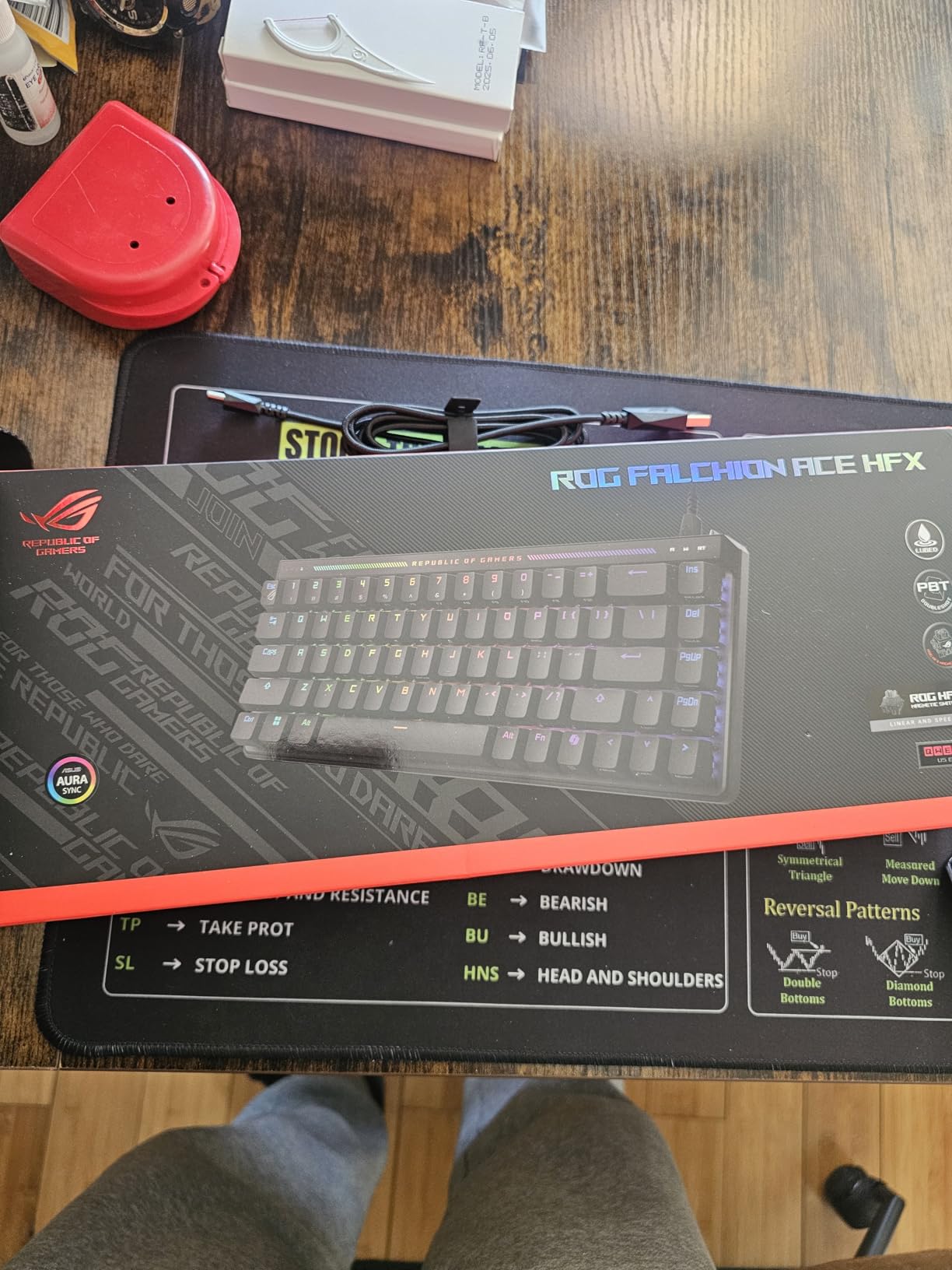
ASUS packed a lot of clever engineering into the ROG Falchion Ace HFX. The first thing I noticed was the weight and density of this board. It feels substantial in your hands without being heavy, thanks to the five-layer dampening and silicone gasket mount system. The ROG HFX switches come pre-lubed from the factory, and they deliver a creamy, whisper-smooth keystroke that makes typing genuinely enjoyable.
The dual USB-C ports are a feature I did not know I needed. I connected one port to my gaming PC and the other to my work laptop, switching between them with a simple key combination. For anyone running a dual-system setup, this KVM-style functionality is incredibly convenient. The touch panel on the side handles volume control and media playback with swipe gestures.
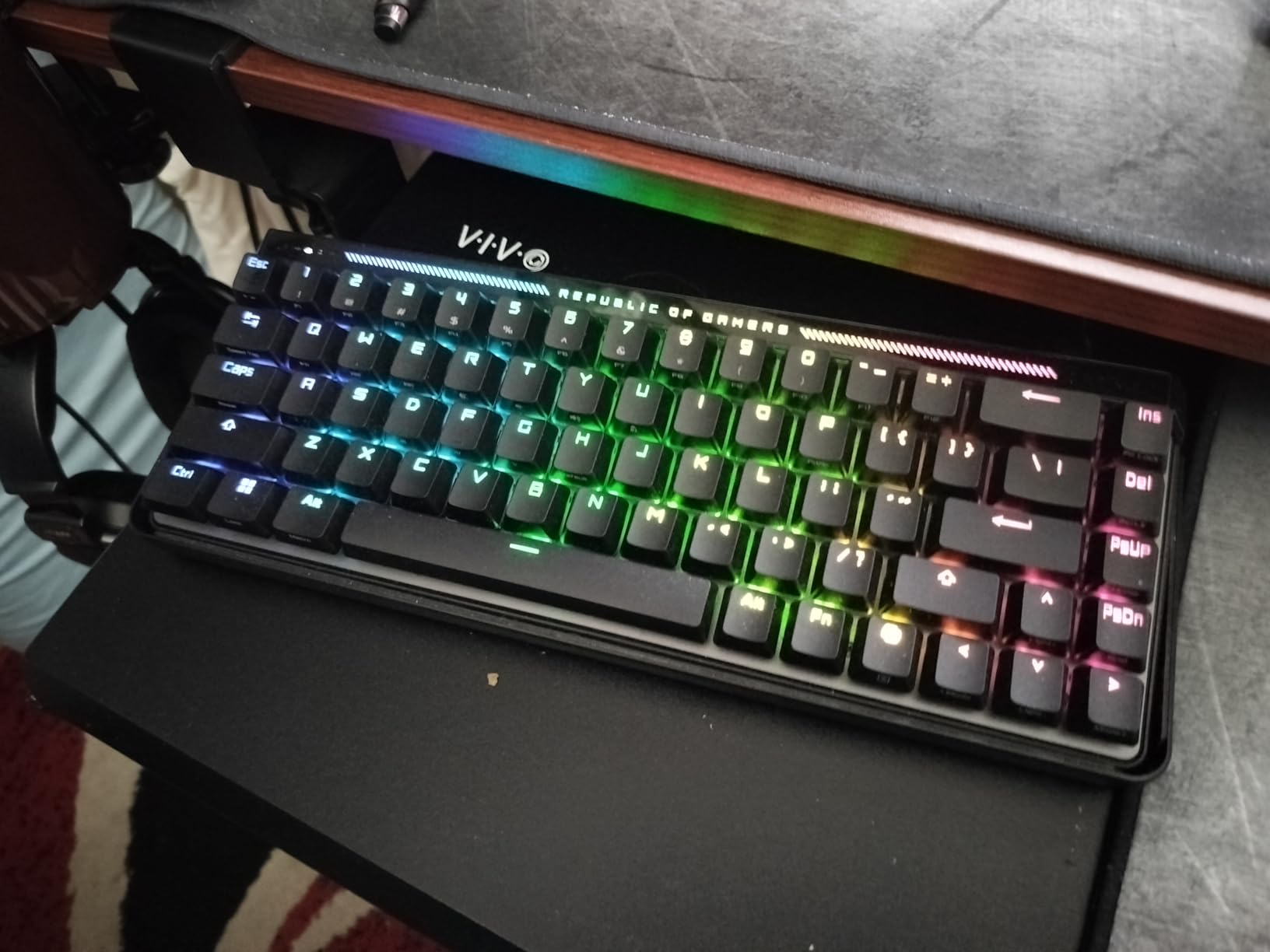
ASUS includes a protective cover that doubles as a tray mount, which is a thoughtful addition for anyone who takes their keyboard to LAN events or moves between setups. The 65% layout keeps the footprint small while still including arrow keys, which is my personal sweet spot for a gaming keyboard. Rapid Trigger and Speed Tap modes work flawlessly for competitive gaming.
The sound profile is outstanding. Between the five-layer dampening, silicone gasket mount, and pre-lubed switches, every keypress produces a deep, muted thock. I used this keyboard for both gaming sessions and long writing sessions, and the typing comfort was consistent throughout. The PBT keycaps have a nice textured feel that resists shine over time.
Who should invest in this keyboard
If you run a dual-PC setup for streaming or work, the dual USB-C ports make this keyboard an obvious choice. Being able to switch between two systems without unplugging anything is a genuine quality-of-life improvement. The 65% layout with arrow keys strikes the right balance for gamers who also type a lot.
This is also a strong pick for anyone who values premium build quality and sound. The ROG HFX switches feel and sound better than most magnetic switches I have tested. The protective cover adds real value for tournament players and LAN attendees who transport their gear regularly.
Things that might hold you back
The biggest drawback is the reliance on Armoury Crate for full per-key RGB customization. ASUS software has a reputation for being heavy and sometimes buggy, and this keyboard is no exception. There is also no onboard storage for RGB profiles, so your lighting settings reset if you move the keyboard to another system without Armoury Crate installed.
The 65% layout means no dedicated function keys, which some users will find limiting. You access function-layer features through modifier combinations, which takes time to learn. At this price point, the lack of hot-swap capability is also worth noting, though the pre-installed ROG HFX switches are excellent out of the box.
4. AULA Hero 68 HE – Best Budget Hall Effect Keyboard
AULA Hero 68 HE 60% Gaming Keyboard Wired, Hall Effect Magnetic Switch Keyboard with Adjustable Actuation, Fast Trigger Mode, 8K Hz Polling Rate, 0.125ms Latency,Side Printed PBT Keycaps, RGB Backlit
Hall Effect Magnetic Switch
68 Keys 60% Layout
8000Hz Polling
0.125ms Latency
Fast Trigger Mode
Side-Printed PBT Keycaps
Pros
- Highest user rating at 4.8 stars
- Fast trigger with 0.01mm precision
- Side-printed PBT keycaps for durability
- Bright RGB with 20 lighting effects
- Web-based software easy to use
Cons
- Windows only
- no Mac support
- Compact 60% layout adjustment needed
- Newer product with fewer long-term reviews
The AULA Hero 68 HE holds the highest user rating in our entire lineup at 4.8 stars, and after testing it, I can see why. This keyboard offers hall-effect performance that genuinely rivals boards at double the price. The magnetic switches respond with crisp precision, and the adjustable actuation range from 0.1mm to 3.4mm gives you plenty of room to fine-tune your gaming setup.
I set up the Hero 68 HE for a Valorant session with rapid trigger enabled and the actuation at 0.2mm on my movement keys. The difference was immediately noticeable. Counter-strafing felt instant, and I was hitting shots that required precise timing more consistently. The 8000Hz polling rate and 0.125ms latency mean this board is not cutting corners on performance despite its budget-friendly positioning.
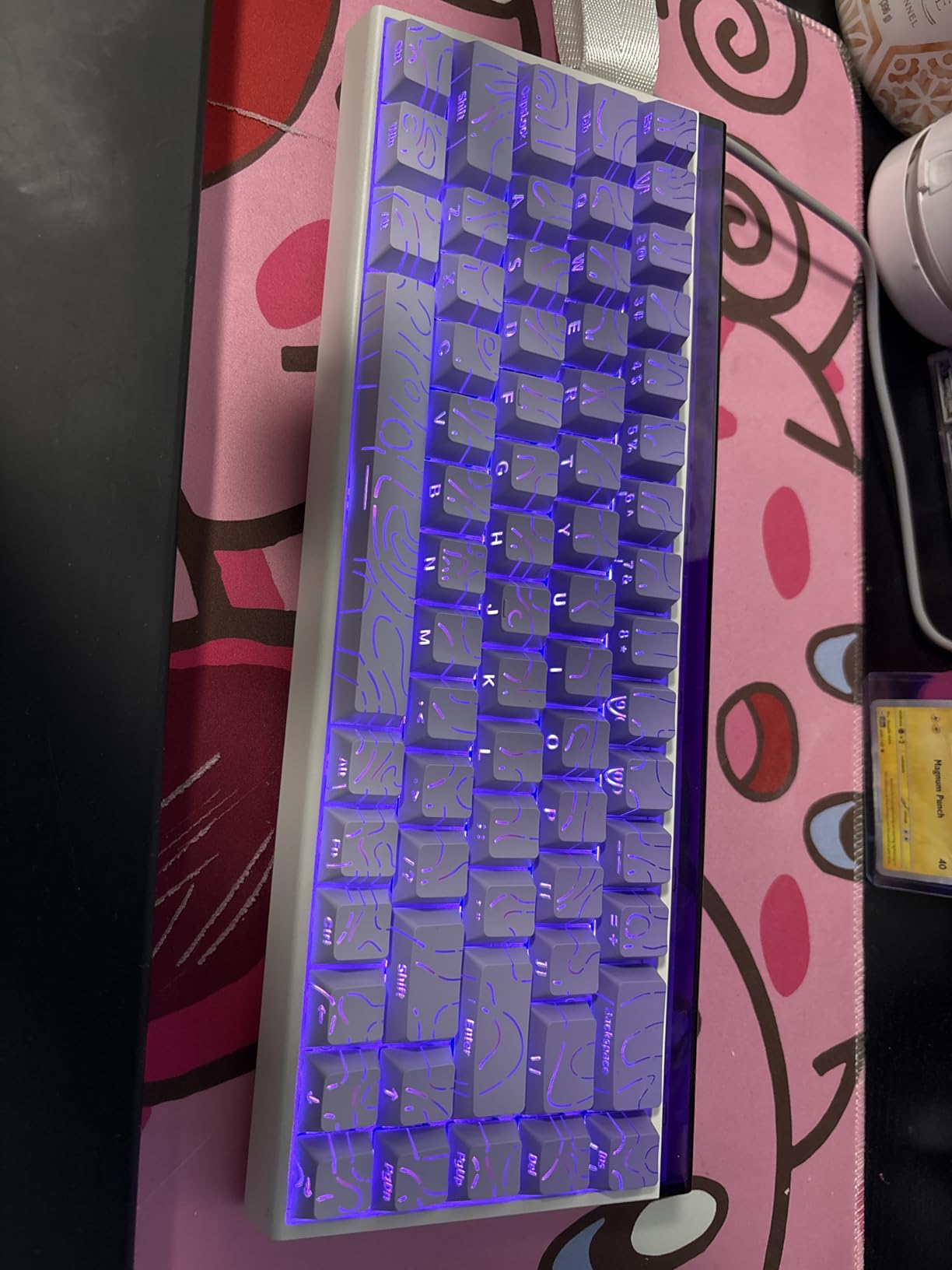
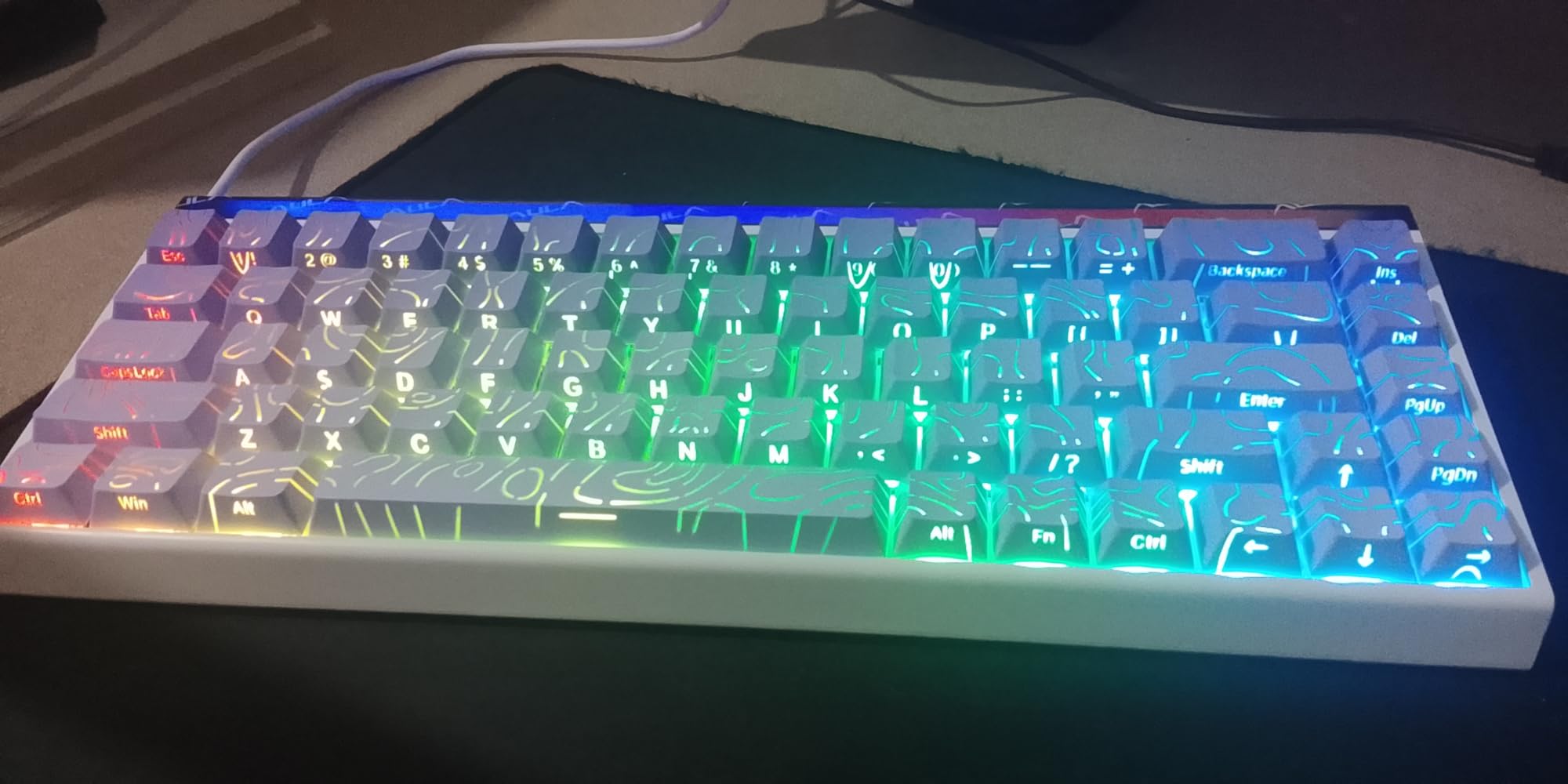
The side-printed PBT keycaps are a nice touch at this price. They resist fingerprints and wear, and the side-printed design gives the keyboard a clean, minimalist look from above. The RGB lighting is bright and offers 20 different effects with 16.8 million colors. South-facing LEDs mean the lighting looks good with any keycap set if you decide to customize later.
AULA uses a web-based driver for customization instead of requiring a desktop application. This is convenient because you can access it from any browser without installing software, though it does mean you need an internet connection for initial setup. Key remapping, macros, hotkeys, and lighting adjustments are all handled through the web interface, which is straightforward and intuitive.
Perfect for first-time magnetic keyboard buyers
If you have been curious about magnetic switch keyboards but hesitant about spending premium money, the AULA Hero 68 HE is the ideal entry point. It gives you the core features that matter most: adjustable actuation, rapid trigger, 8000Hz polling, and a satisfying typing feel. The 4.8-star rating from real users confirms that this is not just good on paper.
Multiple users have compared this keyboard favorably to Wooting boards, which cost significantly more. The fast trigger response with 0.01mm precision accuracy is competitive with keyboards in the premium tier. For anyone making the jump from mechanical to magnetic switches, this board makes the transition easy and affordable.
Limitations to be aware of
The biggest limitation is the lack of Mac support. The web driver and keyboard firmware are designed for Windows only, so Mac users should look elsewhere. The 60% compact layout takes adjustment if you are coming from a full-size keyboard, especially the lack of dedicated arrow keys, though they are accessible through function layer combinations.
Being a newer product with fewer reviews means there is less long-term durability data available. The 94 reviews are overwhelmingly positive, but we do not yet have years of user feedback to confirm switch longevity and build quality over extended use. AULA offers a 6-month warranty, which is shorter than some competitors.
5. ATTACK SHARK X68 HE – Best Compact Rapid Trigger Keyboard
ATTACK SHARK X68 HE RT Mechanical Gaming Keyboard 60% Wired TKL-Black
Hall Effect Magnetic Switch
66 Keys Compact Layout
8000Hz Polling
0.01mm RT Accuracy
Top Mount Structure
PBT Keycaps
Dual System Support
Pros
- Best value for money HE keyboard
- Excellent stabilizers out of the box
- Thocky satisfying typing sound
- Dual system support Win/Mac
- Easy web driver customization
Cons
- Keycaps feel less premium
- USB-C cord quality inconsistent
- Web driver interface looks unpolished initially
The ATTACK SHARK X68 HE consistently comes up in budget magnetic keyboard discussions, and for good reason. With 483 reviews and a 4.5-star rating, this board has built a solid reputation as a Wooting alternative at a fraction of the cost. The rapid trigger accuracy of 0.01mm is genuinely impressive at this price point, matching keyboards that cost three or four times more.
I was pleasantly surprised by the stabilizers on this board. Stock stabilizers on budget keyboards are usually rattly and loose, but ATTACK SHARK put some effort into tuning these. The space bar and larger keys sound consistent and wobble-free, which is something I cannot say about most boards at this price. The double layer PORON sound dampening gives the keyboard a deep, thocky sound that belies its budget status.
The top-mounted structure provides a firmer typing feel compared to tray-mount designs, and it contributes to the consistent sound profile across all keys. The 66-key layout is compact enough for tight desk spaces while still being functional for gaming. I tested this keyboard across Valorant, CS2, and general typing tasks, and the performance was consistently solid.
One thing I appreciate is the dual system support. This keyboard works with both Windows and Mac, which is not always the case with budget magnetic keyboards. The web-based driver handles key remapping and actuation adjustments without requiring a desktop install. The interface looks a bit rough around the edges at first glance, but it works reliably once you get used to it.
Gamers who will benefit most
If you are a competitive FPS player on a tight budget, the ATTACK SHARK X68 HE gives you rapid trigger and adjustable actuation without the premium price tag. Users on Reddit consistently recommend this as the best value alternative to Wooting keyboards. The 8000Hz polling rate and 0.01mm rapid trigger accuracy deliver the responsiveness you need for high-level play.
This is also a strong choice for anyone running both Windows and Mac systems. The dual platform support means you can use the same keyboard across different machines without compatibility issues, which is rare at this price point.
Potential deal-breakers
The keycaps are the weakest point of this keyboard. They are functional but feel less premium than the PBT caps included with some competitors. If you are particular about keycap texture and sound, you might want to swap them out for a custom set. The USB-C cable has also been reported as inconsistent in quality, with some users receiving defective cords that needed replacement.
The web driver interface works fine but looks unpolished compared to dedicated software from brands like SteelSeries or ASUS. It takes some exploration to find all the settings, and the visual design feels dated. These are minor complaints given the price, but worth noting if software experience matters to you.
6. AULA WIN68 HE – Best Entry-Level Magnetic Keyboard
AULA WIN68 HE Mechanical Gaming Keyboard 60%, Hall Effect Magnetic Switch, Fast Trigger Mode Adjustable Actuation, 8000Hz Polling Rate, RGB Backlit, Wired Black Keyboard for Laptop/PC Gamer
Hall Effect Magnetic Switch
68 Keys 60% Layout
8000Hz Polling
0.02-3.44mm Actuation
RGB Backlit 16.8M Colors
Detachable USB-C Cable
Pros
- Excellent value at entry-level price
- 8000Hz polling for competitive gaming
- Customizable actuation per key
- Satisfying typing sound
- Sturdy build with detachable cable
Cons
- Web driver not Mac compatible
- Software interface can be confusing
The AULA WIN68 HE is one of the most affordable ways to get into magnetic switch keyboards without sacrificing the features that actually matter. I tested it expecting to find compromises at this price, but the 8000Hz polling rate and per-key customizable actuation points told me AULA was not skimping on the important stuff. The 0.3ms ultra-low latency holds its own against boards costing twice as much.
The typing sound on the WIN68 HE is surprisingly satisfying. It produces a clean, slightly muted sound that works well in shared spaces or late-night gaming sessions. The RGB lighting is bright with 16.8 million colors, and south-facing LEDs mean the illumination looks good from your natural viewing angle. The compact 60% layout with 68 keys includes arrow keys, which is a practical improvement over bare-minimum 61-key designs.
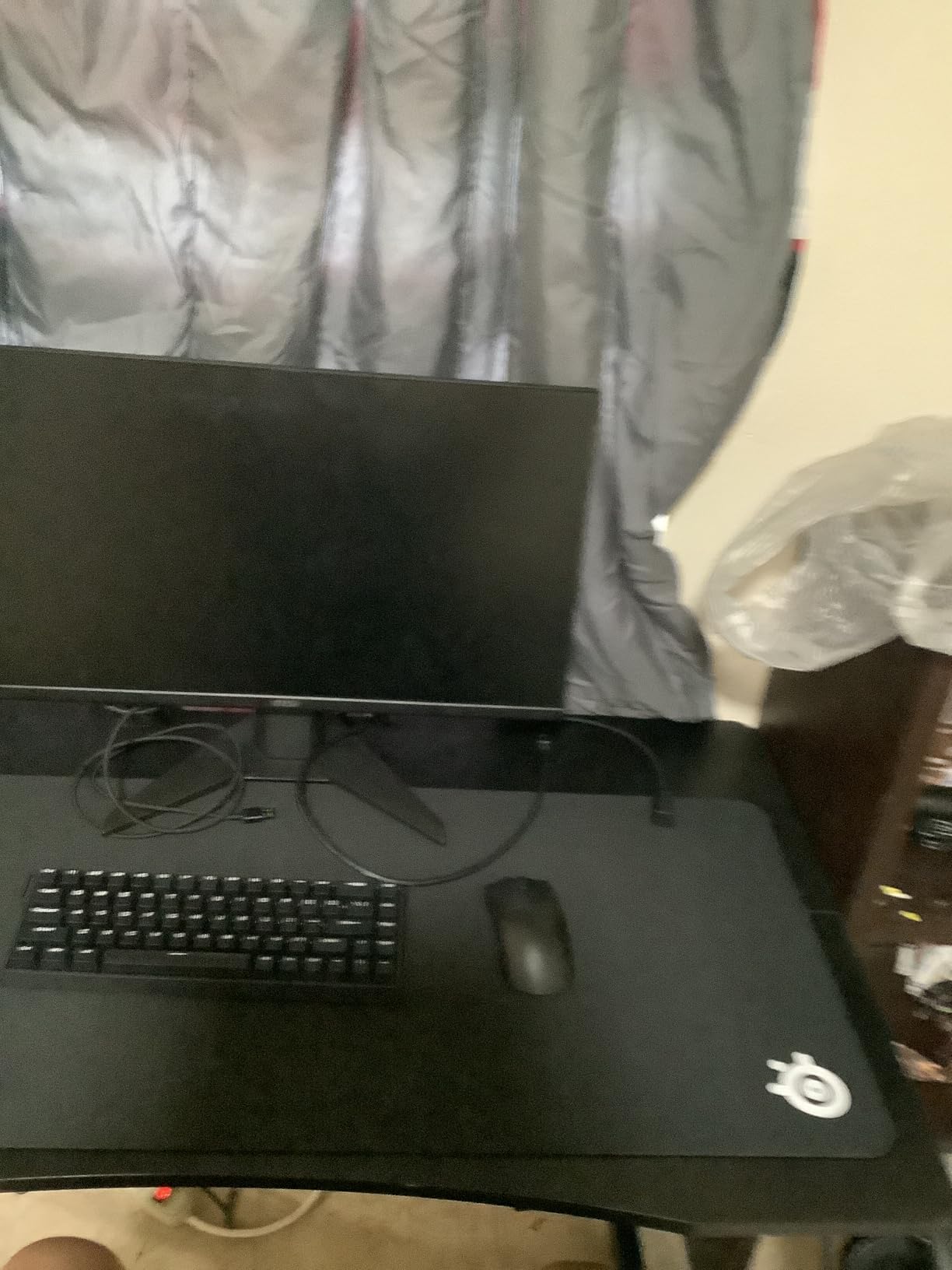
I spent a week using the WIN68 HE as my daily driver for both work and gaming. The adjustable actuation range of 0.02mm to 3.44mm gives you fine-grained control over each key. I set my gaming keys to 0.1mm for instant triggering and my typing keys to 2.0mm for comfortable long sessions. The per-key customization means you can create different profiles for different games or applications.
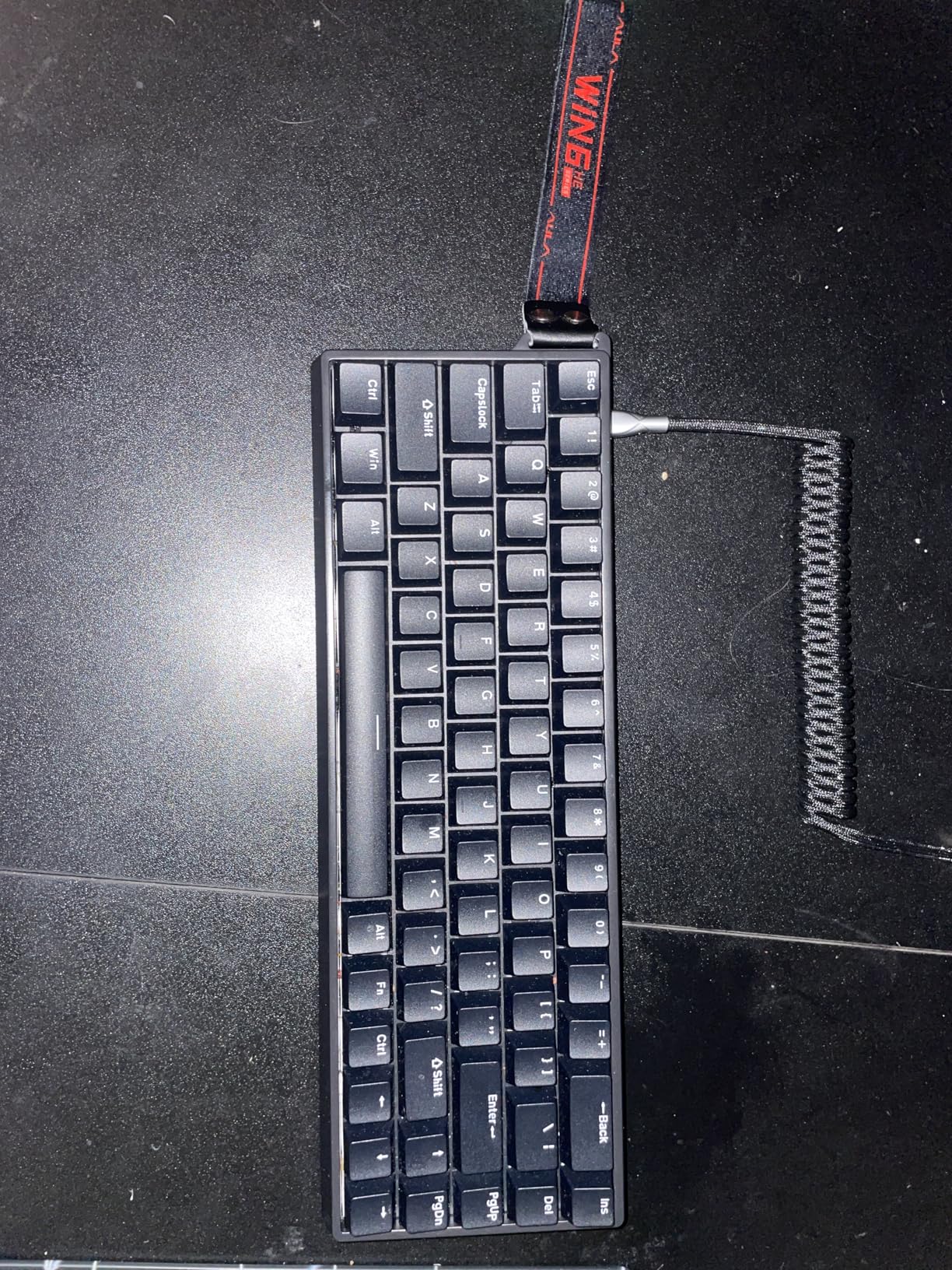
Build quality feels solid with no deck flex under normal typing pressure. The detachable USB-C cable is convenient for travel and replacement, though the included cable is adequate rather than premium. At 686 grams, the keyboard has enough weight to stay planted on your desk during intense gaming without feeling heavy to transport.
Who this keyboard suits best
The AULA WIN68 HE is perfect for someone buying their first magnetic keyboard and wanting to see what the hype is about without a big investment. You get 8000Hz polling, adjustable actuation, and rapid trigger at a price that makes experimentation easy. If you end up loving magnetic switches, this board is good enough to stick with long-term.
With 469 reviews and a 4.6-star rating, this is one of the most battle-tested budget magnetic keyboards available. Users consistently praise the value-to-performance ratio and the satisfying sound profile. It is a safe, well-reviewed choice for anyone hesitant about spending more on unproven technology.
What could be improved
The web-based driver is Windows only, which excludes Mac users entirely. The software interface works but can be confusing when you first open it. Settings are not always organized intuitively, and I had to click through several tabs to find the actuation adjustment controls. A cleaner, more guided interface would help new users get set up faster.
The included keycaps are functional but nothing special. They are standard ABS plastic that will develop shine over time with heavy use. If you want the premium PBT keycaps that come with more expensive boards, you will need to purchase those separately. These are expected trade-offs at this price point, but worth knowing about.
7. ATTACK SHARK R85HE – Best 75% Magnetic Keyboard
ATTACK SHARK R85 HE Wired 75% RT Mechanical RGB Gaming Keyboard-Moonlight
Custom Magnetic Purple Core Switches
84 Keys 75% Layout
8000Hz Polling
0.05mm RT Accuracy
SOCD and DKS Features
5-Layer Dampening
Volume Knob
Pros
- Excellent value with premium features
- 75% layout with function row and knob
- 5-layer sound dampening sounds great
- SOCD and Dynamic Keystroke support
- Hot-swappable switches
Cons
- Some packaging issues reported
- Green light bar does not match RGB on some variants
- Software concerns from some users
The ATTACK SHARK R85HE brings something different to the table with its 75% layout, which includes a full function row and a volume knob alongside the compact form factor. After testing mostly 60% boards, having dedicated function keys again felt like a luxury. The 84-key layout is ideal for gamers who also use their keyboard for productivity, streaming, or content creation.
The custom magnetic purple core switches are unique to ATTACK SHARK, and they deliver a smooth, consistent keystroke with a sound profile that leans toward the thocky side. The 5-layer sound dampening system does impressive work here. Combined with the Cherry profile PBT keycaps, every keypress sounds deep and satisfying. The 0.05mm rapid trigger accuracy and 0.08ms latency put this board in the upper tier of magnetic keyboard performance.
One feature that stands out is the Snap Key functionality, which is ATTACK SHARK’s implementation of SOCD cleaning. This handles simultaneous opposing cardinal directions, a feature that competitive FPS players are increasingly looking for. The Dynamic Keystroke (DKS) feature lets you assign multiple actions to a single key based on how far you press it, which opens up interesting gameplay possibilities.
The front-facing RGB light bar adds a distinctive visual element that sets this keyboard apart from the typical rectangular slab. The 19 dynamic backlight modes give you plenty of options to match your setup. I also appreciate the volume roller knob, which is a small but meaningful quality-of-life feature that saves you from reaching for system volume controls during gaming.
Why this layout works for mixed use
The 75% layout is arguably the most versatile form factor for someone who games and works on the same machine. You get the compact footprint of a small keyboard with the function keys, arrow keys, and navigation cluster that make productivity tasks faster. The volume knob adds another layer of convenience for media control during gaming or streaming sessions.
This keyboard is also one of the few in our lineup with hot-swappable switches. If you want to try different magnetic switches in the future, you can swap them out without soldering. This adds long-term flexibility that makes the initial investment more future-proof than fixed-switch boards.
Considerations before purchasing
The build quality is strong overall, but some users have reported inconsistent packaging. If the board arrives damaged due to poor packing, you will need to go through the replacement process. The green plastic light bar on the Black Green variant does not always blend well with the RGB lighting, which is a minor aesthetic issue but worth knowing about if you are particular about your setup’s appearance.
At 89 reviews, this is one of the newer products in our lineup. While the reviews are mostly positive, there is less community validation compared to boards with hundreds or thousands of reviews. The software has raised concerns from a small number of users, though most find the web-based driver functional enough for basic customization.
8. Redragon K617 HE – Best Ultra-Budget Magnetic Keyboard
Redragon K617 HE Wired Hall-Effect Rapid Trigger Magnetic Gaming Keyboard
Hall Effect Magnetic Switch
61 Keys 60% Layout
8000Hz Hyper-Polling
Rapid Trigger with 0.1-3.4mm Range
PRCS Technology (4 Modes)
Detachable USB-C Cable
Pros
- Lowest price magnetic keyboard available
- Quality feels higher than price suggests
- Rapid trigger works reliably
- PRCS with 4 SOCD modes
- Dual platform driver support
Cons
- Keycaps look plain
- Ugly keycap design per multiple users
- No dedicated arrow keys
- Limited to PC only
The Redragon K617 HE is the most affordable entry point into magnetic switch keyboards I have found. At this price, I expected noticeable compromises, and while they exist, the core performance is surprisingly solid. The hall-effect switches deliver the magnetic responsiveness you are paying for, with 8000Hz polling and rapid trigger that works reliably in fast-paced games.
One user compared the typing feel to their $150 Ducky board and said the K617 HE felt higher quality. I would not go that far, but I understand the sentiment. The switches are smooth, the rapid trigger responds consistently, and the 0.125ms latency is competitive with boards at triple the price. The PRCS technology offers four different modes that replicate Snap Tap and SOCD functionality, which is remarkable at this price point.
The 61-key layout is about as minimal as it gets. You get no arrow keys, no function row, and no navigation cluster. Everything lives behind function layer combinations. For pure gaming where your hands stay on WASD and surrounding keys, this works fine. For anything involving heavy typing or productivity work, the lack of arrow keys is a real limitation.
The dual platform driver support gives you both a desktop Windows client and a web-based option for customization. The desktop app works well for key remapping, actuation adjustment, and macro setup. Redragon even includes a small cleaning tool in the box, which is a nice touch at this price. The detachable USB-A to USB-C cable makes replacement easy if the included one wears out.
Who should grab this keyboard
If you want to try magnetic switches with minimal financial risk, the Redragon K617 HE lets you do exactly that. You get rapid trigger, adjustable actuation, 8000Hz polling, and SOCD-style features for less than what most people spend on keycaps alone. It is the cheapest way to experience what hall-effect keyboards are all about.
This is also a solid choice for a secondary keyboard. If you already have a main board but want a magnetic keyboard for your gaming desk, travel setup, or as a backup, the price makes it easy to justify. The 61-key compact size is ideal for small desk spaces and LAN bag transport.
Compromises at this price point
The keycaps are the most commonly criticized aspect of this keyboard. Multiple users describe them as ugly, and they are basic ABS plastic with a plain design that looks generic. They function perfectly well but will not win any aesthetic awards. If you care about keycap appearance, plan on buying a replacement set.
The lack of dedicated arrow keys is a deal-breaker for some users. While you can access arrows through function layer combinations, the extra keystrokes slow down navigation significantly. This keyboard is also PC only, with no Mac support. The plastic enclosure feels functional but not premium, and there is a report of RGB LEDs failing after less than two months, though this appears to be an isolated incident.
How to Choose the Best Magnetic Switch Keyboard
Picking the right magnetic switch keyboard comes down to understanding a few key features and matching them to your needs. I have broken down the most important factors below to help you make an informed decision.
Understanding Hall-Effect Technology
Traditional mechanical keyboards use physical metal contacts to register keypresses. Magnetic keyboards use hall-effect sensors instead. When you press a key, a small magnet moves past a sensor that detects the change in magnetic field strength. Because there are no physical contacts to wear out, these switches last longer and allow for features that are impossible with mechanical designs.
The biggest advantage is adjustable actuation. You can set exactly how far a key needs to travel before it registers, typically ranging from 0.1mm to 4.0mm. Shallow actuation gives you hair-trigger response for gaming, while deeper actuation feels more comfortable for typing. Some boards let you set different actuation points for each individual key.
Rapid Trigger Explained
Rapid trigger is the feature that has competitive gamers most excited about magnetic keyboards. On a standard keyboard, a key must travel past its reset point before it can register another press. With rapid trigger, the key re-activates the moment it moves back up even slightly, then registers again when it moves back down.
In practical terms, this means faster repeated inputs. When you are counter-strafing in CS2 or micro-adjusting movement in Valorant, rapid trigger removes the delay between releasing and re-pressing a key. Most boards in our lineup offer rapid trigger with precision down to 0.01mm, which is sensitive enough to register the slightest finger movement.
Polling Rate: 1000Hz vs 8000Hz
Polling rate determines how often your keyboard reports its state to the computer. A standard keyboard polls at 1000Hz, or once every millisecond. The keyboards in this guide all support 8000Hz polling, which means they report eight times per millisecond. That translates to a theoretical latency of just 0.125ms.
For most casual gamers, the difference between 1000Hz and 8000Hz is imperceptible. But for competitive players where reaction time is measured in single-digit milliseconds, the extra polling rate provides a measurable advantage. All eight keyboards in our lineup support 8000Hz, so you do not have to choose between performance and price.
SOCD Cleaning and Competitive Gaming
SOCD stands for simultaneous opposing cardinal directions. It happens when you press both A and D at the same time. Different keyboards handle this differently. SOCD cleaning resolves the conflict in a consistent way, usually favoring the most recent input. This matters for competitive gaming because inconsistent SOCD handling can cause unpredictable movement.
Several keyboards in our lineup include SOCD cleaning features. The SteelSeries Apex Pro TKL Gen 3 has built-in SOCD support. The Redragon boards use PRCS technology with four different modes. The ATTACK SHARK R85HE calls it Snap Key. Note that some esports tournaments restrict or ban SOCD features, so check your competition’s rules before relying on this in ranked play.
Layout Choices: 60%, 65%, 75%, or TKL
Layout is largely personal preference, but it affects your daily experience significantly. The 60% keyboards in our lineup, like the Redragon K617 HE and ATTACK SHARK X68 HE, remove function keys, arrow keys, and the navigation cluster for maximum desk space. The 65% boards like the ASUS ROG Falchion Ace HFX add arrow keys while staying compact.
The 75% layout on the ATTACK SHARK R85HE adds a function row and volume knob, making it the most versatile for mixed gaming and productivity use. The TKL layout on the SteelSeries Apex Pro TKL Gen 3 gives you the full function row with arrow keys and navigation, which is ideal if you use your keyboard for work tasks alongside gaming.
Build Quality and Sound
Magnetic keyboards vary widely in build quality and sound profile. The premium boards like the SteelSeries Apex Pro and ASUS ROG Falchion use gasket mounts, multiple dampening layers, and PBT keycaps for a refined feel and sound. Budget boards achieve impressive results too, with the Redragon K673 HE using five dampening layers to produce a creamy thock that sounds far more expensive than it is.
Keycap material matters for both durability and feel. PBT keycaps resist shine and wear better than ABS, and they produce a deeper sound. Most boards in our mid-range and above include PBT keycaps, while the ultra-budget options use ABS. If you want to explore other peripherals, check out our picks for the best gaming mice for large hands to pair with your new keyboard.
Software Considerations
Most magnetic keyboards require software for actuation adjustment, rapid trigger settings, and RGB customization. SteelSeries uses GG, ASUS uses Armoury Crate, and most budget brands use web-based drivers. Web drivers are convenient because they work in any browser without installation, but they require an internet connection. Desktop apps like GG and Armoury Crate offer more features but add background processes to your system.
Consider whether the software supports your operating system. Several boards in our lineup are Windows only, with no Mac support. If you use both platforms, the ATTACK SHARK X68 HE and R85HE offer dual system compatibility. Linux users should note that none of these boards have dedicated Linux drivers, though basic functionality works on most distributions without additional software.
FAQs
What are the best magnetic keyboard switches?
The best magnetic keyboard switches in 2026 include SteelSeries OmniPoint 3.0 HyperMagnetic switches for premium performance, Redragon UltraMag switches for best value, and ASUS ROG HFX switches for smooth feel. Hall-effect magnetic switches offer adjustable actuation and rapid trigger features that traditional mechanical switches cannot match.
Is the magnetic switch keyboard worth it?
Yes, magnetic switch keyboards are worth it if you play competitive games like Valorant or CS2. The adjustable actuation points let you customize how sensitive each key is, and rapid trigger technology provides measurable speed advantages over traditional mechanical keyboards. For casual gaming and typing, the benefits are less noticeable but the typing feel is still excellent.
Do pro gamers use linear or tactile switches?
Most pro gamers use linear switches because they provide consistent, smooth keypresses without the bump of tactile switches. Linear switches allow for faster repeated inputs and smoother movement, which matters in competitive FPS games. Almost all magnetic switch keyboards use linear switches because the hall-effect technology works best with a smooth, continuous travel path.
Are Cherry MX still the best switches?
Cherry MX switches are still solid and widely used, but magnetic hall-effect switches have surpassed them for competitive gaming performance. Hall-effect switches offer adjustable actuation, rapid trigger, and faster response times that Cherry MX switches physically cannot provide. For typing purists, Cherry MX remains a great choice, but for gaming, magnetic switches represent the current top tier.
Final Thoughts on the Best Magnetic Switch Keyboards
Magnetic switch keyboards have moved from niche curiosity to competitive necessity in 2026. Whether you choose the premium SteelSeries Apex Pro TKL Gen 3 for its class-leading OmniPoint 3.0 switches, the Redragon K673 HE for its incredible value proposition, or any of the other excellent boards in this guide, you are getting a keyboard that offers something traditional mechanical boards simply cannot match.
For competitive gamers, the combination of adjustable actuation, rapid trigger, and 8000Hz polling provides a measurable advantage in fast-paced games. For everyone else, the smooth typing feel and satisfying sound profiles make these keyboards genuinely enjoyable to use. Pick the board that matches your budget and layout preference, and you will not be disappointed.
1 thought on “8 Best Magnetic Switch Keyboards (October 2026) Trusted Reviews”