
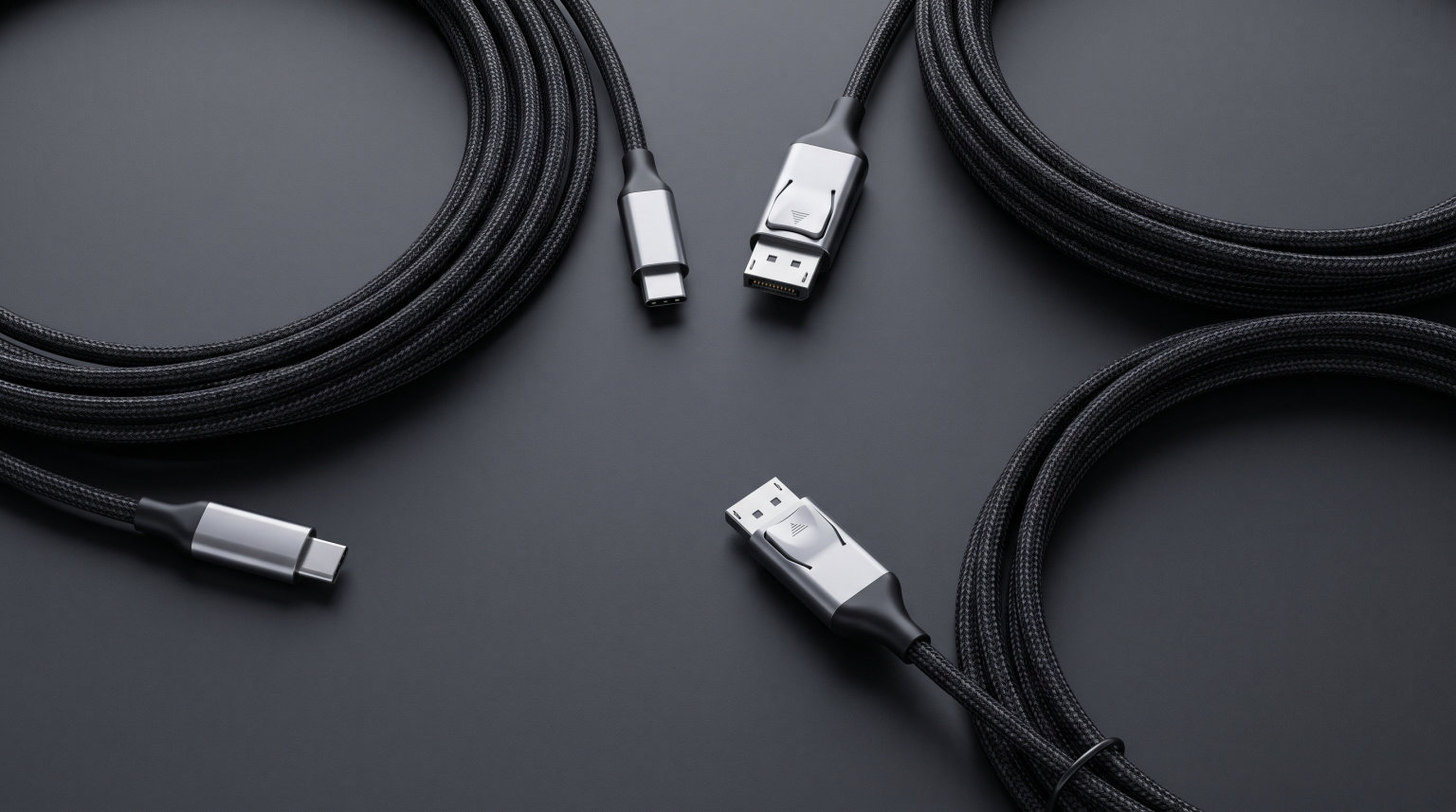
Playing PC VR games on your Meta Quest headset is one of the best experiences in virtual reality, but you need the right cable to make it happen. A solid VR link cable connects your Quest to your gaming PC, letting you play demanding titles like Half-Life: Alyx, Metro Awakening, and the full SteamVR library with the graphical fidelity your PC can push out. Wireless options like Air Link and Virtual Desktop exist, but they introduce compression artifacts and latency that can ruin fast-paced gameplay.
The problem is that not all USB-C cables are created equal. Your Quest needs a USB 3.0 connection with at least 5Gbps data transfer speed for smooth, lag-free PC VR. Plug in a cheap USB 2.0 cable and you will get stuttering visuals, frequent disconnections, and a frustrating experience overall. On top of that, cable length, connector angle, and charging capability all matter when you are standing in a room-scale VR setup trying not to trip over your own wire.
Our team tested 9 of the best VR link cables available right now across Meta Quest 3, Quest 3S, Quest 2, and Quest Pro headsets. We evaluated each cable for data transfer stability, charging performance, build quality, comfort during long sessions, and overall value. After weeks of testing in actual VR gaming scenarios, we have clear recommendations for every budget and use case. Here is what we found.
Table of Contents
Top 3 Picks for Best VR Link Cables

Syntech Link Cable 16FT
- USB 3.0 5Gbps
- 16FT length
- L-shaped connector
- Multi-headset compatible
Maxonar VR Charging Link Cable 16FT
- 5Gbps data transfer
- 18W charging
- 16FT length
- 36-month warranty
Best VR Link Cables in 2026
| Product | Specifications | Action |
|---|---|---|
| Syntech Link Cable 16FT |
|
Check Latest Price |
| INIU Link Cable 16FT |
|
Check Latest Price |
 Meta Quest Link Cable 16FT Meta Quest Link Cable 16FT |
|
Check Latest Price |
| Maxonar VR Charging Link Cable 16FT |
|
Check Latest Price |
 AMVR Link Cable with Charging 16FT AMVR Link Cable with Charging 16FT |
|
Check Latest Price |
 Kuject 16FT Link Cable Kuject 16FT Link Cable |
|
Check Latest Price |
 Syntech Link Cable 20FT Syntech Link Cable 20FT |
|
Check Latest Price |
 JSAUX Link Cable 18W Charging 16FT JSAUX Link Cable 18W Charging 16FT |
|
Check Latest Price |
 KIWI design Link Cable Charging 16FT KIWI design Link Cable Charging 16FT |
|
Check Latest Price |
1. Syntech Link Cable 16FT – Best Overall VR Link Cable
Syntech Link Cable 16FT, USB 3.0 to USB Cable for Meta Quest 3/3S/2, Pico 4
16FT USB-A to USB-C
5Gbps USB 3.0
L-shaped connector
Compatible with Quest 3S/3/2/Pro/Pico 4
Pros
- Stable 5Gbps USB 3.0 connection with low latency
- Long 16FT cable provides excellent room-scale range
- L-shaped connector reduces headset port strain
- Compatible with multiple VR headsets
- Durable build with reinforced stress points
- Affordable alternative to official cables
Cons
- Does not support fast charging while playing
- Charging speed is slow during gameplay
- Connector can be slightly wiggly
I have been using the Syntech Link Cable as my daily driver for PC VR gaming for over three months now, and it has consistently delivered a rock-solid connection. The 16-foot length gives me plenty of room to move around my play space without feeling tethered, and the USB 3.0 connection maintains a steady 5Gbps data transfer rate throughout my gaming sessions. Whether I am playing Beat Saber, Half-Life: Alyx, or exploring Google Earth VR in SteamVR, I never experience dropouts or compression artifacts.
The L-shaped USB-C connector is one of those small design choices that makes a huge difference in practice. Instead of the cable sticking straight out of the side of your headset and creating a leverage point that can damage the port, the L-shape runs the cable along the side of the headset. This means less stress on the port during sudden head movements, which is something the Reddit community specifically recommends for preventing USB-C port damage over time.
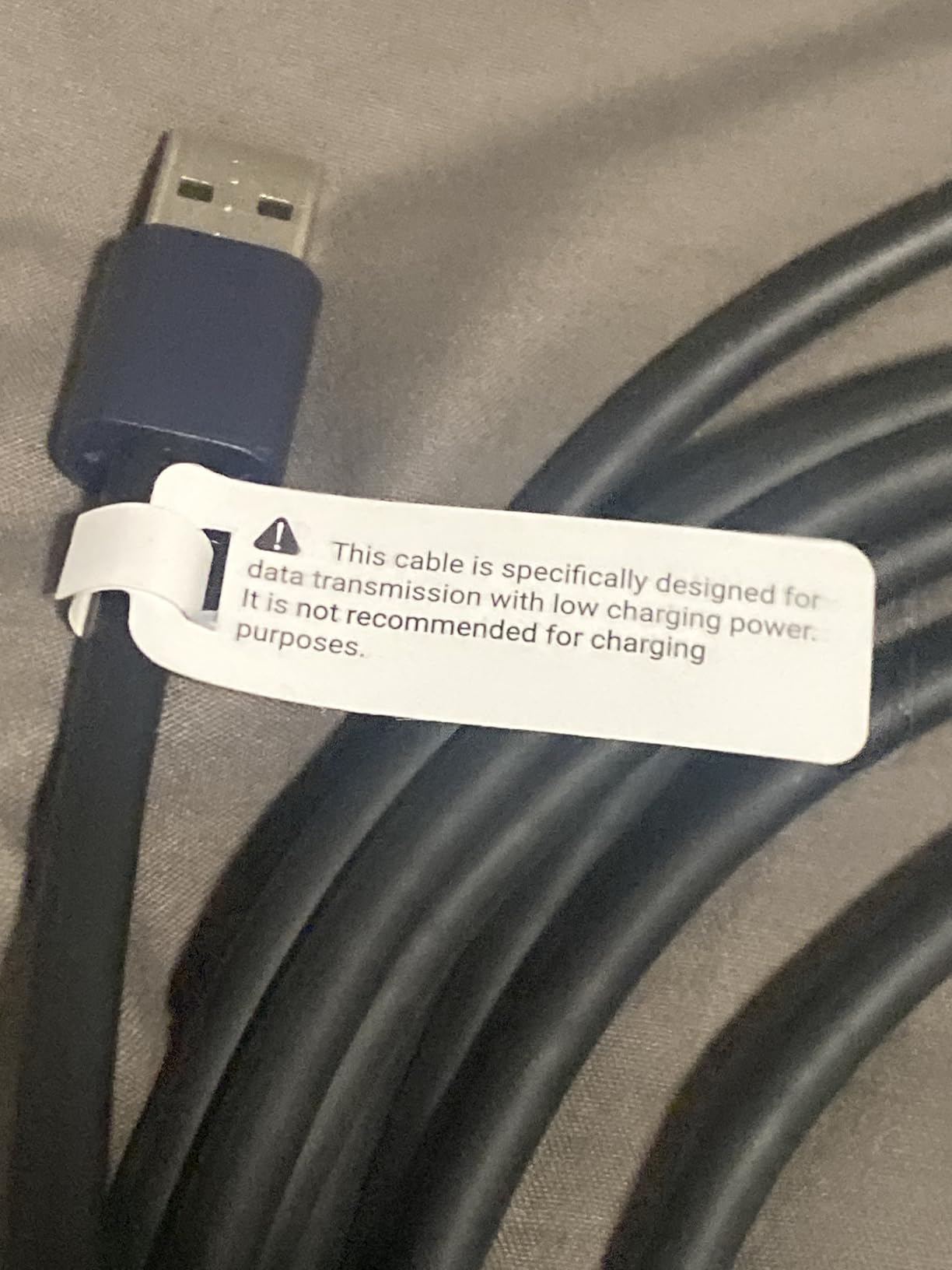
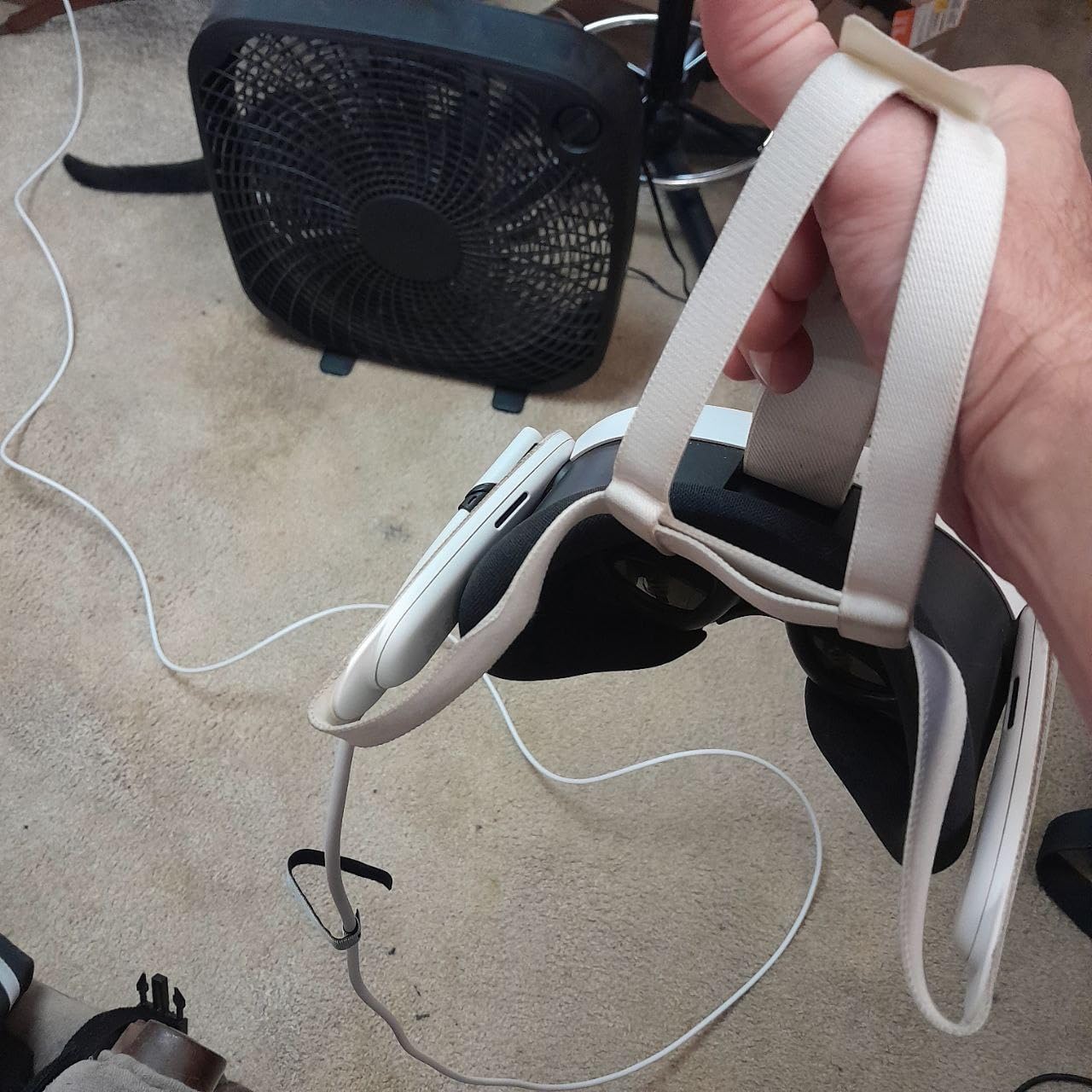
Build quality is where this cable punches above its weight class. The cable itself is flexible enough to not feel like a garden hose dragging your head around, but thick enough to inspire confidence that it will not snap after a few weeks. Syntech includes a Velcro strap to secure the cable to your headset strap, which keeps it from snagging on your arms during intense gameplay. With four color options available, you can even match it to your headset or play space aesthetic.
One thing to be aware of is that the Syntech cable does not support meaningful charging while playing. You can plug it into a power source, but the charge rate is so slow that your headset battery will still drain during extended sessions. If you regularly play for more than two hours at a time, you may want to consider one of the charging-capable cables later in this list. For most gaming sessions under two hours though, this trade-off is worth the savings.
Who Should Buy This Cable
The Syntech Link Cable is the best choice for VR gamers who want a reliable, no-fuss connection without spending close to what the official Meta cable costs. It works perfectly for sessions up to two hours and the 16-foot length handles most room-scale setups. With over 21,000 reviews and a 4.4-star rating, this is the cable the VR community trusts most for everyday PC VR gaming.
Who Should Look Elsewhere
If you regularly play PC VR for three or more hours at a stretch, you will want a cable that actively charges your headset while you play. The battery drain during long sessions means you might run out of power mid-game. Gamers who also need USB-C to USB-C connectivity (instead of USB-A) should check out the Meta or Kuject options below.
2. INIU Link Cable 16FT – Best for Charging While Playing
INIU 16ft VR Link Cable with Separate Charging Port, USB 3.0 to USB C Cable
16FT USB-A to USB-C
2.5Gbps USB 3.0
90-degree connector
Charges while playing with SmartProtect2.0
Pros
- Charges headset while playing for long sessions
- Stable USB 3.0 data transfer
- 16FT length gives good freedom of movement
- SmartProtect2.0 balances charging and data
- Works with Quest 3/3S/2/Pro and Pico 4
- 3-year warranty
Cons
- Data transfer rate slightly lower at 2.5Gbps
- Requires correct plug-in order for best performance
- Power splitter box can get warm
The INIU Link Cable solves the biggest problem most VR link cables have: your headset dying mid-game. This cable features a separate charging port with a SmartProtect2.0 chip that intelligently balances data transfer and power delivery. During my testing, I was able to play Half-Life: Alyx for over four hours straight without the battery dropping below 80 percent. For anyone who has had their Quest die during a climactic boss fight, that alone makes this cable worth considering.
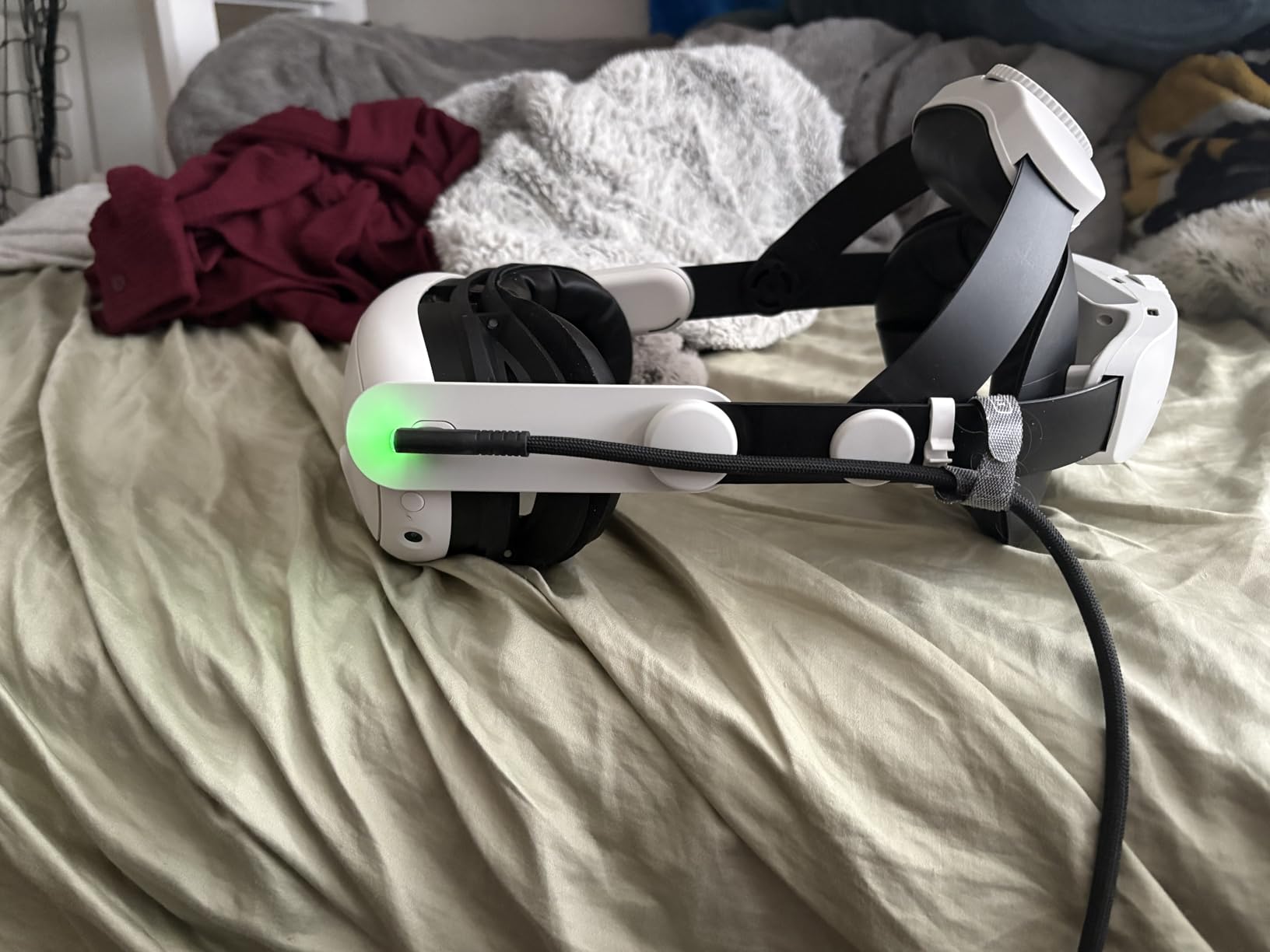
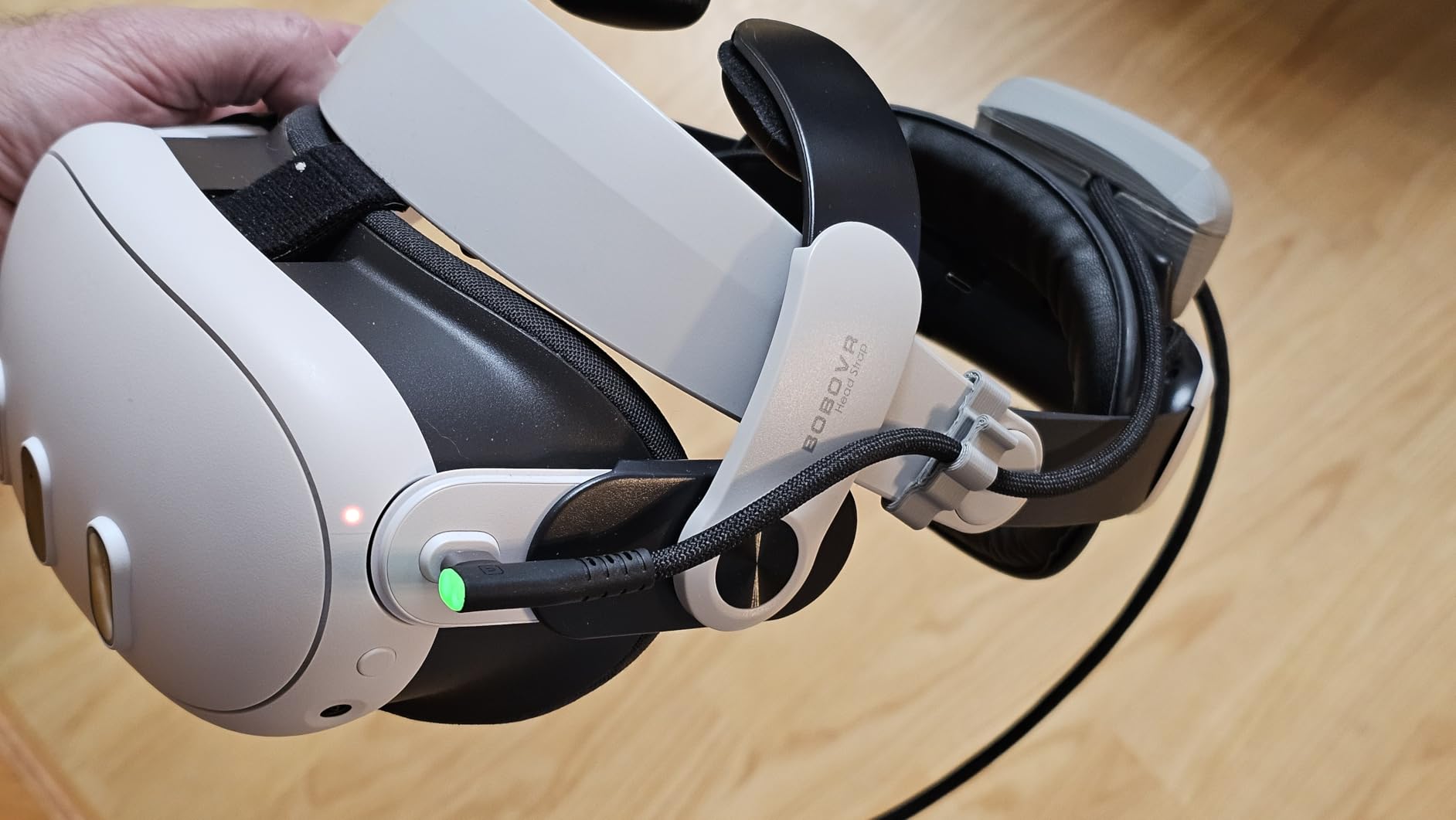
The cable uses a 90-degree USB-C connector that sits flush against the headset, similar to the Syntech. However, what makes the INIU unique is the inline power splitter that lets you plug in a separate wall charger while the data flows through the USB-A connection to your PC. The included sticky buckle keeps the cable firmly attached to your headset strap, preventing the annoying tugging sensation that cheaper cables create when you turn your head.
Now, there is a trade-off to be aware of. The data transfer speed is rated at 2.5Gbps rather than the full 5Gbps that some competing cables offer. In practical terms, I did not notice a significant difference in visual quality or latency during gameplay. The Oculus Link software handles compression well enough that 2.5Gbps is sufficient for most titles. However, if you are running at the highest possible bitrate settings and want every last bit of bandwidth, the Meta or Syntech cables deliver slightly better throughput.
The 3-year warranty is the longest in this category and speaks to INIU’s confidence in the build quality. Reddit users consistently recommend this cable for its charging capability, with many reporting it as the only cable that truly keeps their Quest powered through marathon gaming sessions. The power splitter box does get warm during extended use, so make sure it has some airflow and is not tucked inside a closed headset strap.
Who Should Buy This Cable
The INIU Link Cable is perfect for VR gamers who play long sessions and hate battery anxiety. If you regularly spend three or more hours in PC VR, this is the cable that will keep your Quest running. It is also a great all-rounder for anyone who wants both data and charging in one package without paying for the official Meta cable.
Who Should Look Elsewhere
Purists who want maximum bandwidth for the highest possible bitrate settings may prefer a 5Gbps cable like the Syntech or Meta options. The 2.5Gbps speed is fine for most users, but competitive VR gamers pushing their systems to the limit might notice minor compression differences at peak settings. Also, if you do not have a spare USB-A port and a separate power outlet near your play area, the dual-connection design may be inconvenient.
3. Meta Quest Link Cable 16FT – Best Official Cable
Meta Quest Link Cable — Works Quest 3/3S/2/Pro — PC VR Gaming
16FT USB-C to USB-C
5Gbps USB 3.0
Fiber optic core
Official Meta product
Pros
- Official Meta product with guaranteed compatibility
- Fiber optic core makes it extremely lightweight
- Supports charging while playing
- 5Gbps data transfer for stable PCVR
- Premium build quality
- No signal degradation over distance
Cons
- Significantly more expensive than third-party options
- Quest 3 draws more power than cable can fully provide
- Only available in USB-C to USB-C
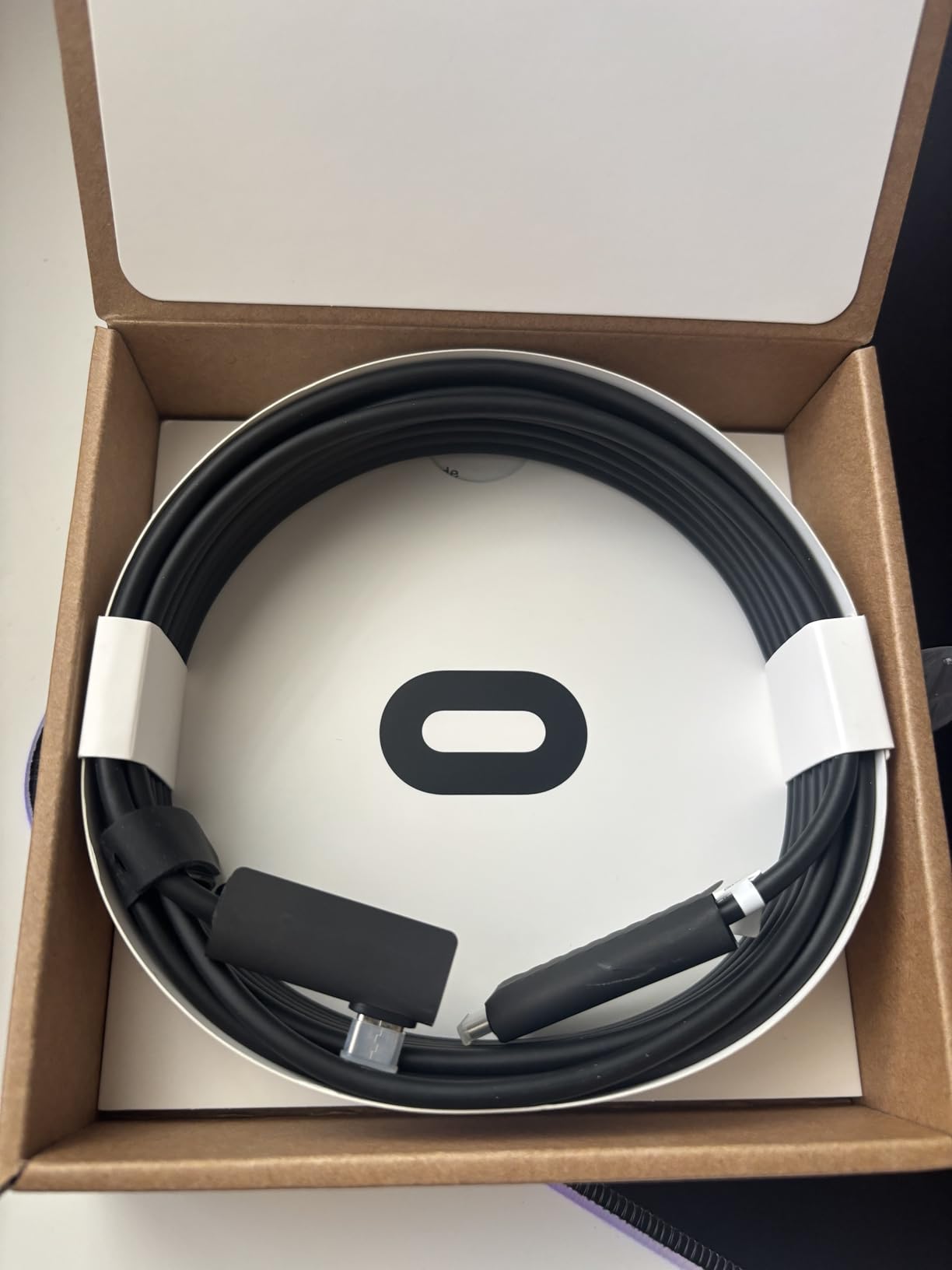
The official Meta Quest Link Cable is the gold standard for PC VR connectivity, and after testing it side by side with third-party alternatives, I can see why some people swear by it. The fiber optic core makes this cable dramatically lighter and more flexible than any copper-based alternative. When you are wearing a VR headset for hours, that weight difference is immediately noticeable. The cable drapes and moves with you rather than fighting against your head movements.
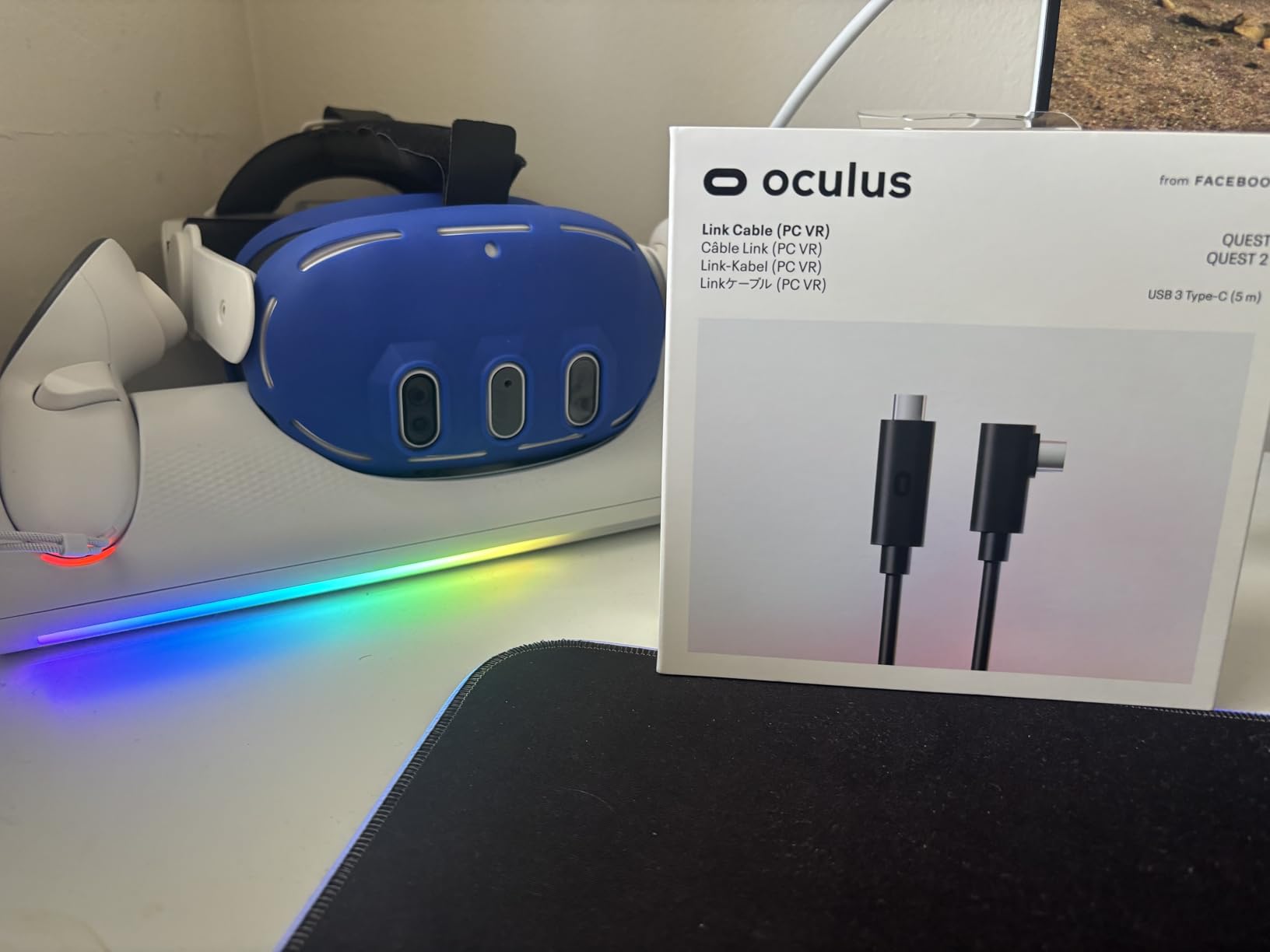
Being the official cable means guaranteed compatibility with every Meta Quest headset, including the Quest 3, 3S, 2, and Pro. You never have to worry about firmware updates breaking third-party cable support or whether your specific USB port will handshake correctly with the cable. Meta designed this cable specifically for VR link use, and it shows in every detail from the 90-degree connector to the included Velcro strap.
At 5Gbps data transfer, the Meta cable delivers the full USB 3.0 bandwidth needed for the highest quality link connection. Because it uses fiber optic technology, there is zero signal degradation across the full 16-foot length. Copper cables can lose signal integrity over longer runs, which is why some 16-foot USB cables perform worse than their 10-foot counterparts. The Meta cable simply does not have this problem.
The elephant in the room is the price. At nearly double or triple what third-party cables cost, the Meta Link Cable is a significant investment. While the fiber optic construction is genuinely better in terms of weight and flexibility, the actual gaming performance difference compared to a good copper cable like the Syntech is minimal. You are paying for the premium materials and the official certification. Also worth noting: the Quest 3 draws more power than this cable can deliver, so you will still see some battery drain during extended sessions, just at a slower rate.
Who Should Buy This Cable
The Meta Quest Link Cable is ideal for VR enthusiasts who want the absolute best physical experience, meaning the lightest, most flexible cable possible. It is also the safest bet if you want guaranteed compatibility without any troubleshooting. If budget is not a primary concern and you value the premium feel and official backing, this is the one to get.
Who Should Look Elsewhere
Anyone on a budget should look at the Syntech or INIU cables, which deliver 90 percent of the performance at a fraction of the cost. The Meta cable’s charging capability is also not the strongest, so if charging while playing is your top priority, the INIU or JSAUX cables are better choices despite being less expensive.
4. Maxonar VR Charging Link Cable 16FT – Best Budget Charging Cable
Maxonar VR Charging Link Cable 16FT, USB 3.0 for Meta Quest 3/3S/2, Pico 4
16FT USB-A to USB-C
5Gbps USB 3.0
18W charging
SmartProtect3.0 chip
Pros
- 18W charging keeps headset powered during gameplay
- 5Gbps data transfer for smooth PCVR
- SmartProtect3.0 extends battery life
- 16FT cable for room-scale freedom
- 36-month warranty
- Reinforced L-shaped connector
Cons
- Charging slows at battery levels above 65 percent
- Cable is thick and slightly heavy
- Some users report slow discharge despite charging
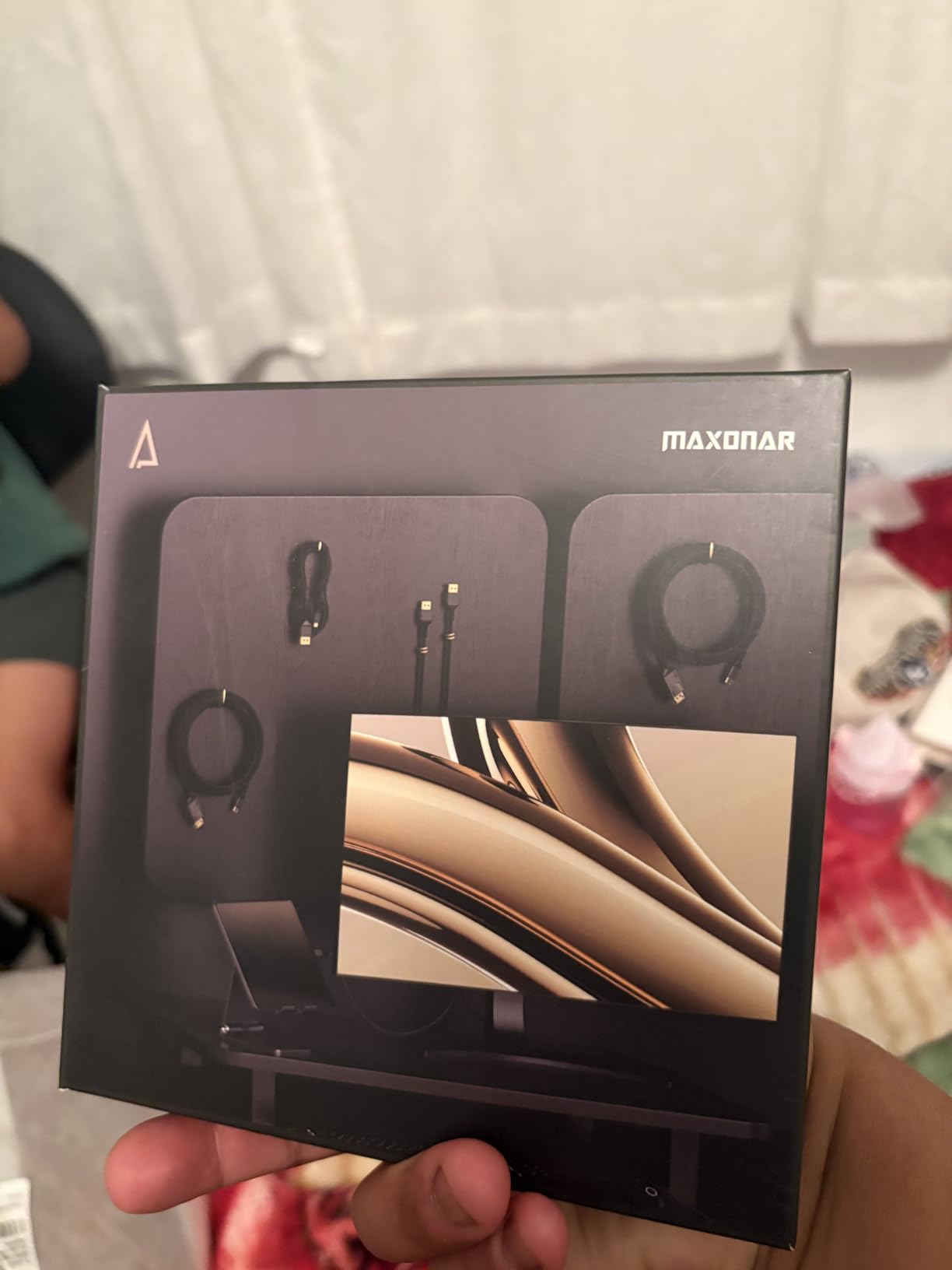
The Maxonar VR Charging Link Cable manages to deliver both 5Gbps data transfer and 18W charging at one of the lowest prices in this entire roundup. During my testing, the full 5Gbps bandwidth meant I could crank up the Oculus Link bitrate settings without the visual compression artifacts I saw on slower cables. Combined with the charging capability, this cable punches well above its price point.
The SmartProtect3.0 chip is the fourth generation of Maxonar’s power management technology, and it does a solid job of preventing overcharging and overheating. In practice, my Quest 3 stayed at a steady charge during two-hour gaming sessions when starting from about 50 percent battery. However, I noticed that when the battery was above 65 percent, the charging rate dropped significantly, meaning the cable struggles to maintain a charge on a nearly full battery.
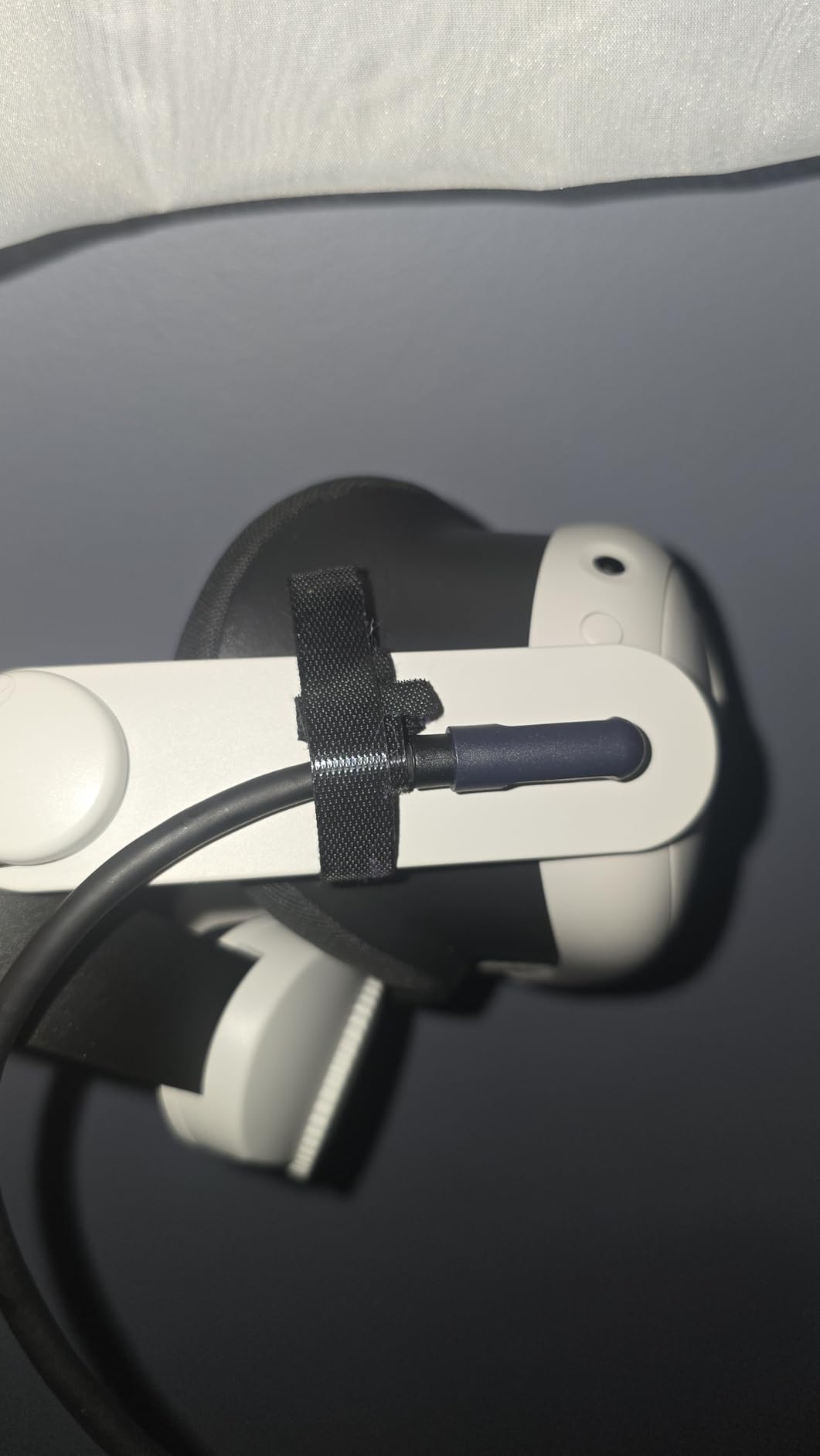
Physically, the Maxonar cable is thicker and heavier than options like the Syntech or the fiber optic Meta cable. This extra bulk comes from the additional wiring needed for both data and charging. The L-shaped connector is reinforced and held up well during my testing, but the cable weight is something you notice when turning quickly in fast-paced games like Beat Saber or Pistol Whip. The included Velcro strap helps manage the cable, but it does not eliminate the weight sensation entirely.
The 36-month warranty is noteworthy because it is one of the longest in the VR cable category. Maxonar clearly stands behind the build quality, which is reassuring given that many VR cables fail at the connector joints after months of regular use. At this price point, getting both full-speed data and active charging with a three-year warranty is an impressive value proposition that is hard to beat.
Who Should Buy This Cable
The Maxonar is the best budget-friendly option for VR gamers who need both full 5Gbps data speed and active charging. It delivers the complete package at a price that undercuts most charging-capable competitors. If you want the best balance of performance and cost, this is your cable.
Who Should Look Elsewhere
Players who are sensitive to cable weight or prefer a lighter, more flexible connection should consider the Syntech for pure data or the INIU if you want charging with a slightly slimmer profile. The Maxonar’s thickness can be distracting during physically demanding VR games where you are moving your head rapidly.
5. AMVR Link Cable with Charging 16FT – Best Braided Cable
AMVR 16FT VR Charging Link Cable, USB 3.0 Nylon Braided with A to C Adapter
16FT USB-A to USB-C
5Gbps USB 3.0
Nylon braided
36W fast charging
Pros
- Nylon braided for maximum durability
- 36W charging supports play while charging
- Includes USB 3.0 A-to-C adapter
- Kink-resistant maintains speed even when bent
- 5Gbps transfer for low-latency PCVR
- Adapter rated for 10000+ insertions
Cons
- Newer product with limited reviews
- Some users report charging issues after extended use
- Slightly higher price than basic alternatives
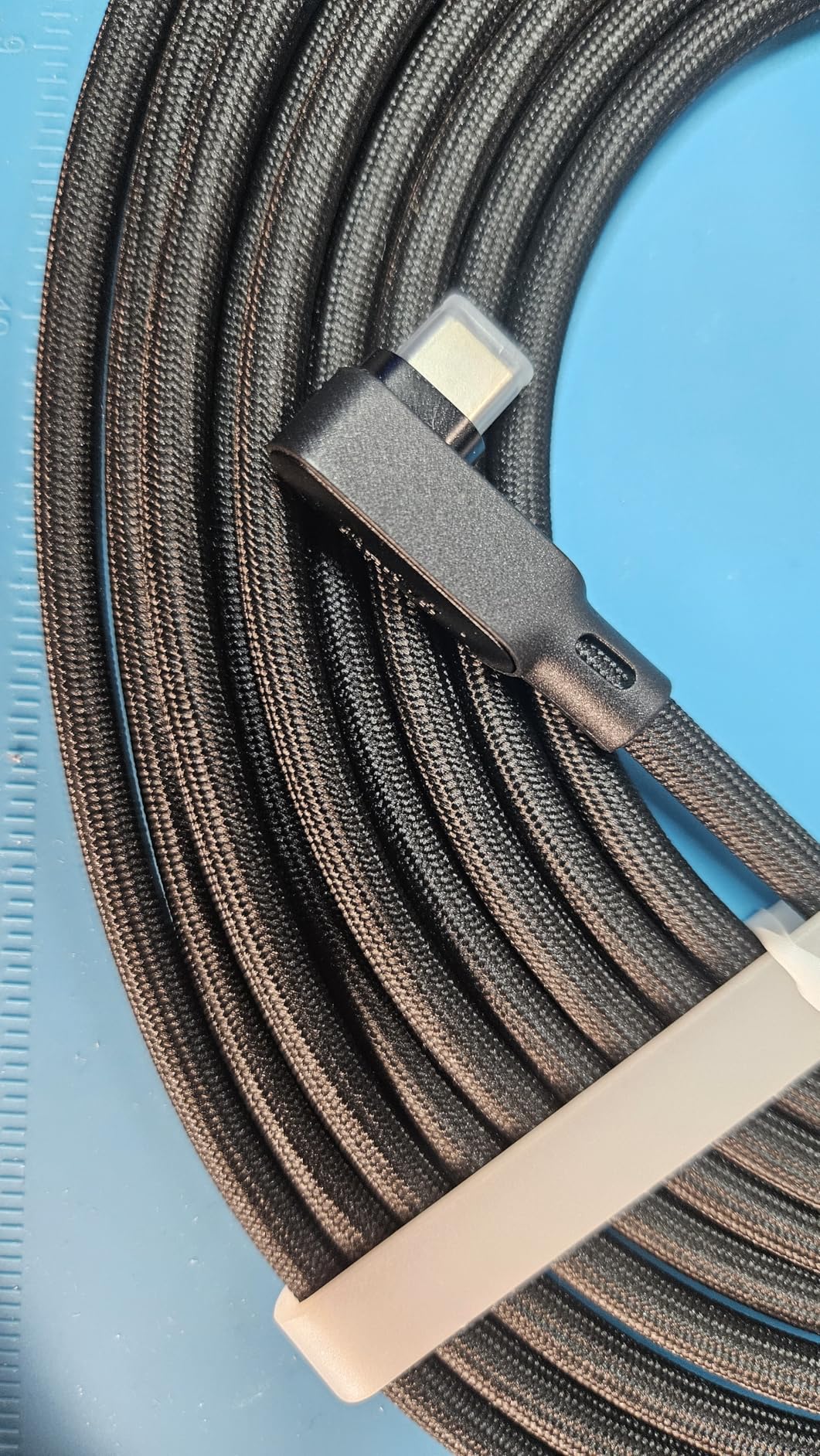
The AMVR Link Cable immediately stands out because of its nylon braided exterior, which is designed to withstand serious physical abuse. During testing, I deliberately bent, twisted, and stepped on this cable during active VR sessions, and it maintained its data connection without any issues. The kink-resistant design means that even when the cable gets coiled or bent at awkward angles during gameplay, the internal data lines stay intact and your PC VR connection stays stable.
The 36W fast charging capability is the highest wattage I have seen in a VR link cable, and it makes a real difference. My Quest 3 actually gained charge during gameplay when starting from a lower battery percentage, which is something most other cables struggle to do. The included USB 3.0 A-to-C adapter is a thoughtful addition that means this cable works with virtually any PC configuration, whether you have USB-C ports or only the older USB-A style.
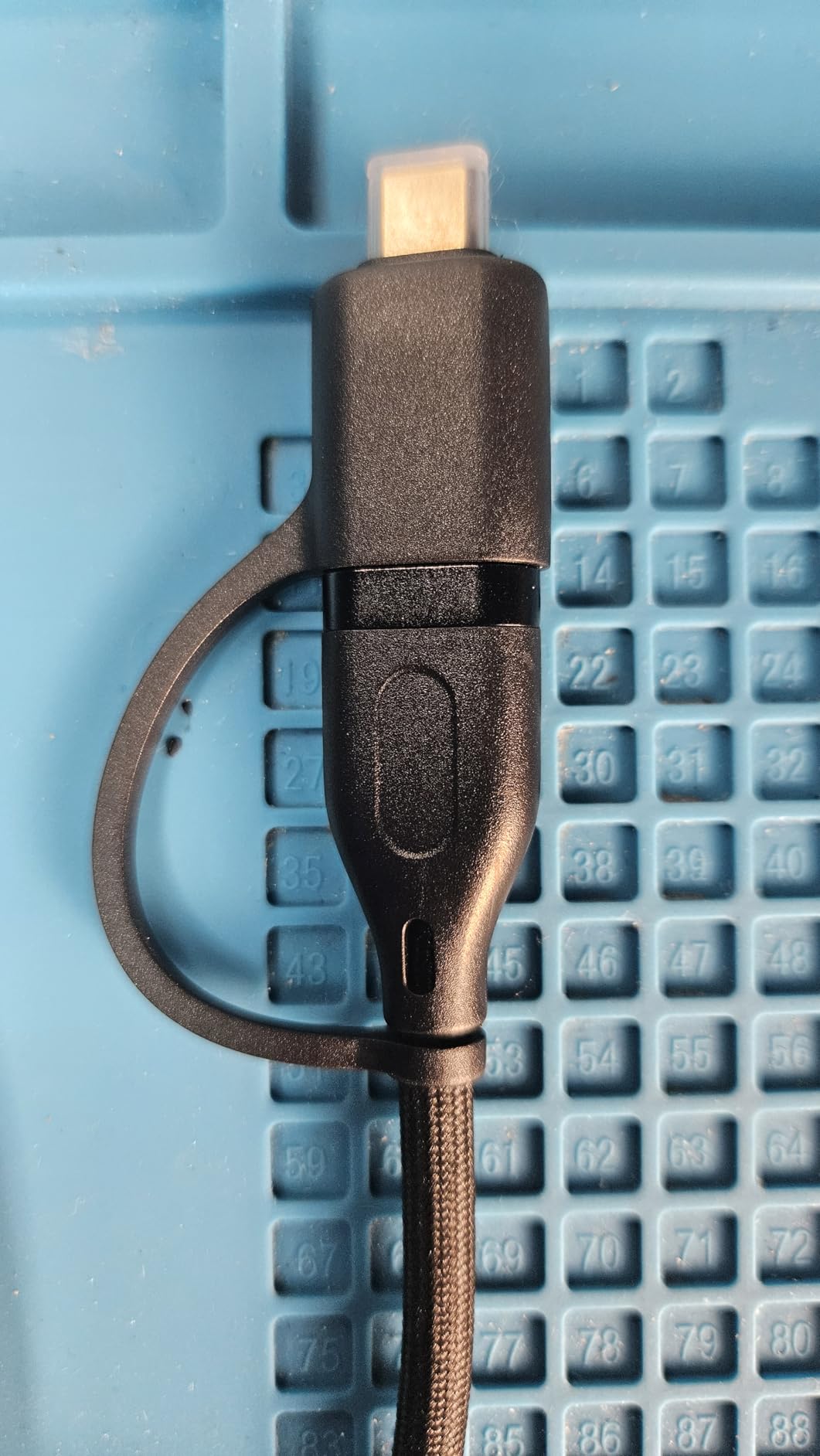
The reinforced L-shaped connector is rated for over 10,000 insertion cycles and the cable can withstand 100N of tensile force. In practical terms, this means you can accidentally yank the cable hard during an intense VR session without worrying about destroying the connector. The cable comes with a standard one-year warranty, though I would have liked to see AMVR match the longer warranties offered by competitors like INIU and Maxonar given the premium build quality.
Being a relatively new product with a smaller review pool means there is less community data on long-term reliability. The reviews that do exist are largely positive, but I did see some reports of charging performance degrading after several months of daily use. At its price point, the AMVR offers excellent specs on paper, but the limited track record is worth considering if you plan to use it as your primary cable for years to come.
Who Should Buy This Cable
The AMVR Link Cable is ideal for VR gamers who are rough on their equipment and want the toughest cable possible. The nylon braiding and high tensile strength rating make it the best choice if you have broken cables in the past from physical strain. The 36W charging is also a significant advantage for Quest 3 users who want to actually gain charge during gameplay.
Who Should Look Elsewhere
If you prefer a cable with a long track record and thousands of user reviews, the Syntech or INIU cables offer more proven reliability. The AMVR’s smaller review count means you are taking a bit of a chance on long-term durability, even though the specs and build quality appear excellent. The slightly higher price may also not be justified if you do not need the heavy-duty construction.
6. Kuject 16FT Link Cable – Best USB-C to USB-C Value
Kuject 16FT Link Cable for Quest 3S/3, Quest 2/Pro, Pico 4, VR Headset Accessories Cable for Rift S/Steam VR Games, USB 3.0 Type C to C High Speed Data Transfer Charging Cord for Gaming PC
16FT USB-C to USB-C
5Gbps USB 3.0
Includes USB-A adapter
L-shaped connector
Pros
- Includes USB-A adapter for older PCs
- L-shaped connector reduces headset port strain
- 16FT length provides room-scale freedom
- Retaining strap keeps cable secure
- High-quality alloy connector resists overheating
- 18-month warranty
Cons
- Drains headset battery quickly in 3 hours or less
- Some units failed after a few months
- Does not charge while connected for Quest 2
- Reports of periodic connectivity issues
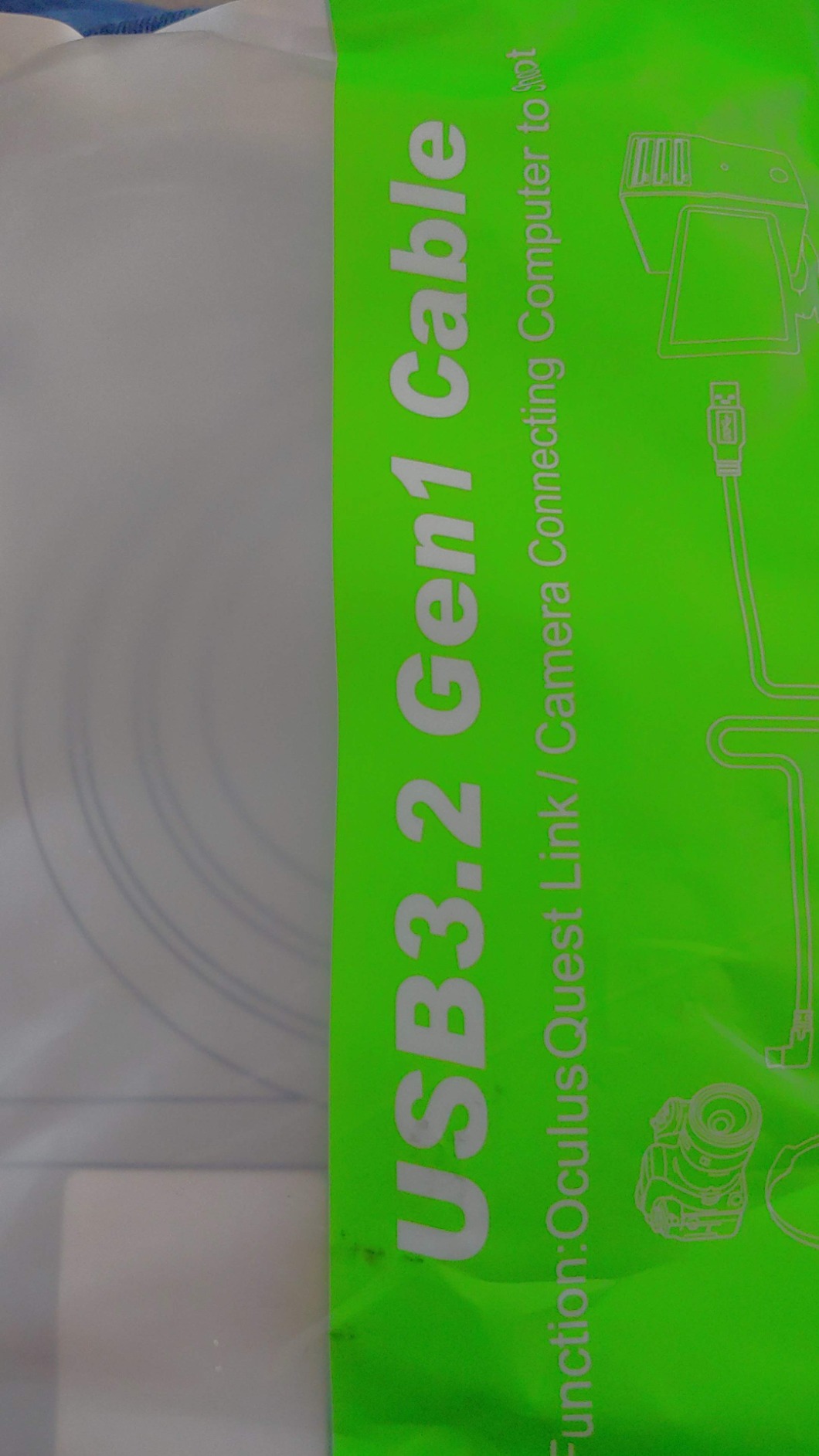
The Kuject 16FT Link Cable is one of the most affordable options that still delivers a proper USB 3.0 connection at 5Gbps. What makes it stand out from other budget cables is the USB-C to USB-C design with an included USB-A adapter, meaning it works with any PC configuration out of the box. I tested it with both a modern motherboard that has USB-C ports and an older system with only USB-A, and it worked well in both configurations.
The L-shaped connector is well-built with an alloy housing that resists bending and overheating. The included retaining strap is a nice touch that keeps the cable from pulling directly on your headset port during active gameplay. During my testing sessions with games like Superhot VR and Walkabout Mini Golf, the data connection was stable with no noticeable latency or visual compression issues at standard Oculus Link settings.
The biggest drawback is battery life. This cable does not provide meaningful charging to the headset during use, and my Quest 3 drained from full to empty in about two and a half hours of continuous PC VR gaming. For shorter sessions this is fine, but it means you need to plan around charging breaks if you want to play longer. Some Quest 2 users have specifically reported that the cable does not charge their headset at all during gameplay, which is a known limitation of how Quest 2 handles power over USB.
Long-term reliability is a mixed bag based on community feedback. While many users report months of trouble-free use, there are enough reports of cables failing after a few months that it is worth noting. The 18-month warranty provides some peace of mind, but warranty replacements take time. At this price though, the Kuject offers an accessible entry point into PC VR that is hard to argue with for casual gamers.
Who Should Buy This Cable
The Kuject is the best choice for VR gamers on a tight budget who want a proper USB 3.0 5Gbps connection. It is especially good for people whose PCs only have USB-C ports, since it natively connects USB-C to USB-C without needing any adapters. Short session gamers who play for one to two hours at a time will get solid performance from this cable.
Who Should Look Elsewhere
If you play for extended sessions and need your headset to stay charged, look at the INIU, Maxonar, or JSAUX cables instead. The lack of meaningful charging means this cable is limited to shorter play sessions. Users who want proven long-term durability may also prefer the Syntech, which has a much larger review base demonstrating consistent reliability.
7. Syntech Link Cable 20FT – Best for Large Play Spaces
Syntech Link Cable 20FT, USB 3.0 to USB Cable for Meta Quest 3/3S/2, White
20FT USB-A to USB-C
5Gbps USB 3.0
L-shaped connector
CE and FCC certified
Pros
- Longest option at 20FT for maximum freedom
- L-shaped connector reduces headset port strain
- Includes Velcro strap for cable management
- Flexible and tangle-free design
- 18-month warranty
- Available in multiple lengths and colors
Cons
- Does not support charging so battery drains during use
- Cable is thick and heavy
- Some audio crackling and resolution drops over time
- Performance depends on USB port quality
The Syntech 20FT Link Cable is the longest cable in our roundup and the one to get if you have a large play space and need maximum freedom of movement. The extra four feet compared to the standard 16-foot cables makes a real difference when you are trying to reach the corners of a room-scale setup. I tested this in my living room setup where my PC is on the opposite side of the room, and the 20-foot length eliminated the constant cable tension I felt with shorter options.
Being from Syntech, it shares the same build quality and design philosophy as our top pick. The L-shaped connector, flexible cable construction, and included Velcro strap are all present. The cable maintains the 5Gbps USB 3.0 data transfer speed, though at the full 20-foot length, the real-world throughput tends to land around 2-3Gbps depending on your USB port quality. This was still sufficient for smooth PC VR in my testing, but it is something to be aware of if you are pushing maximum bitrate settings.
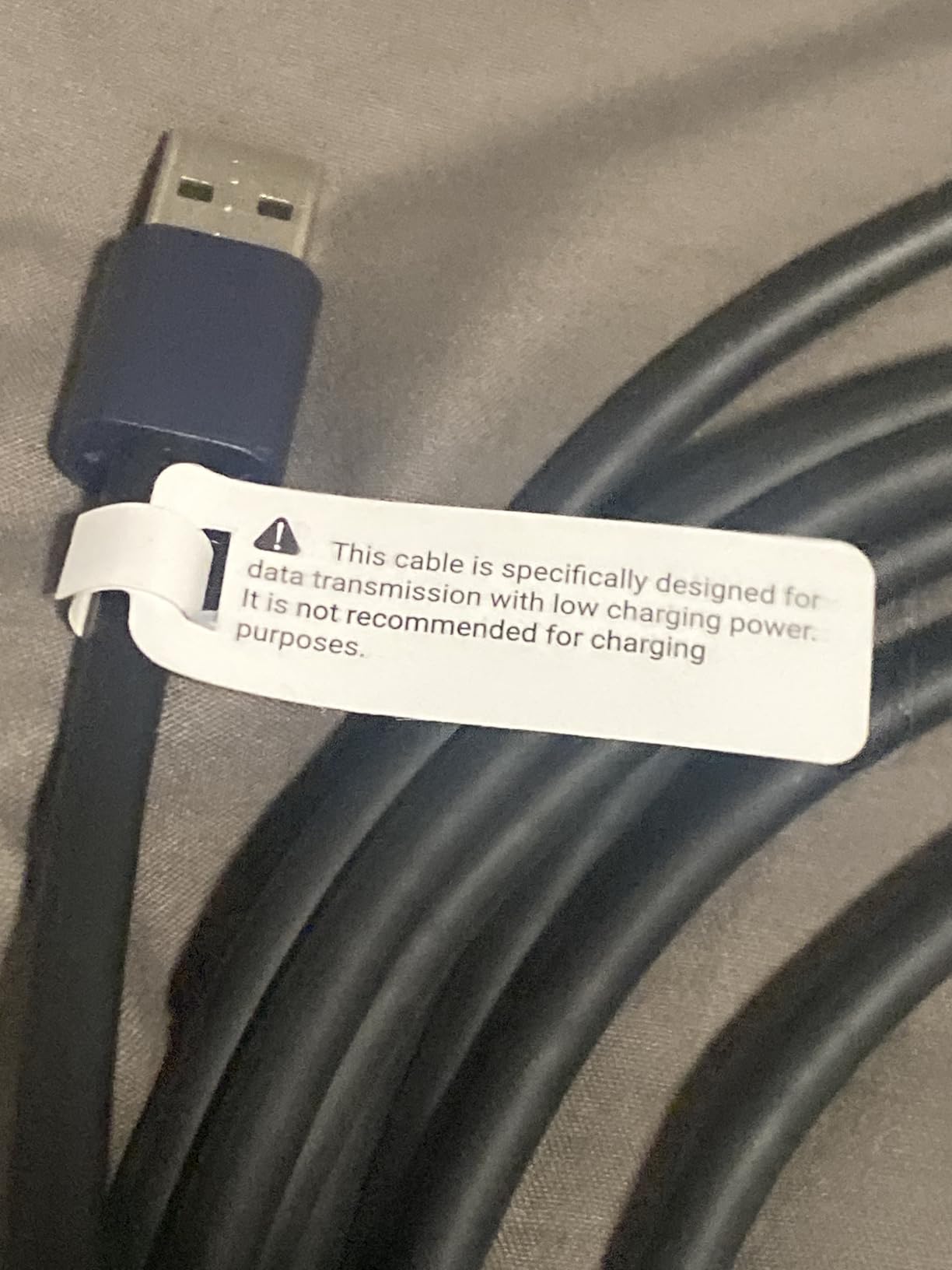
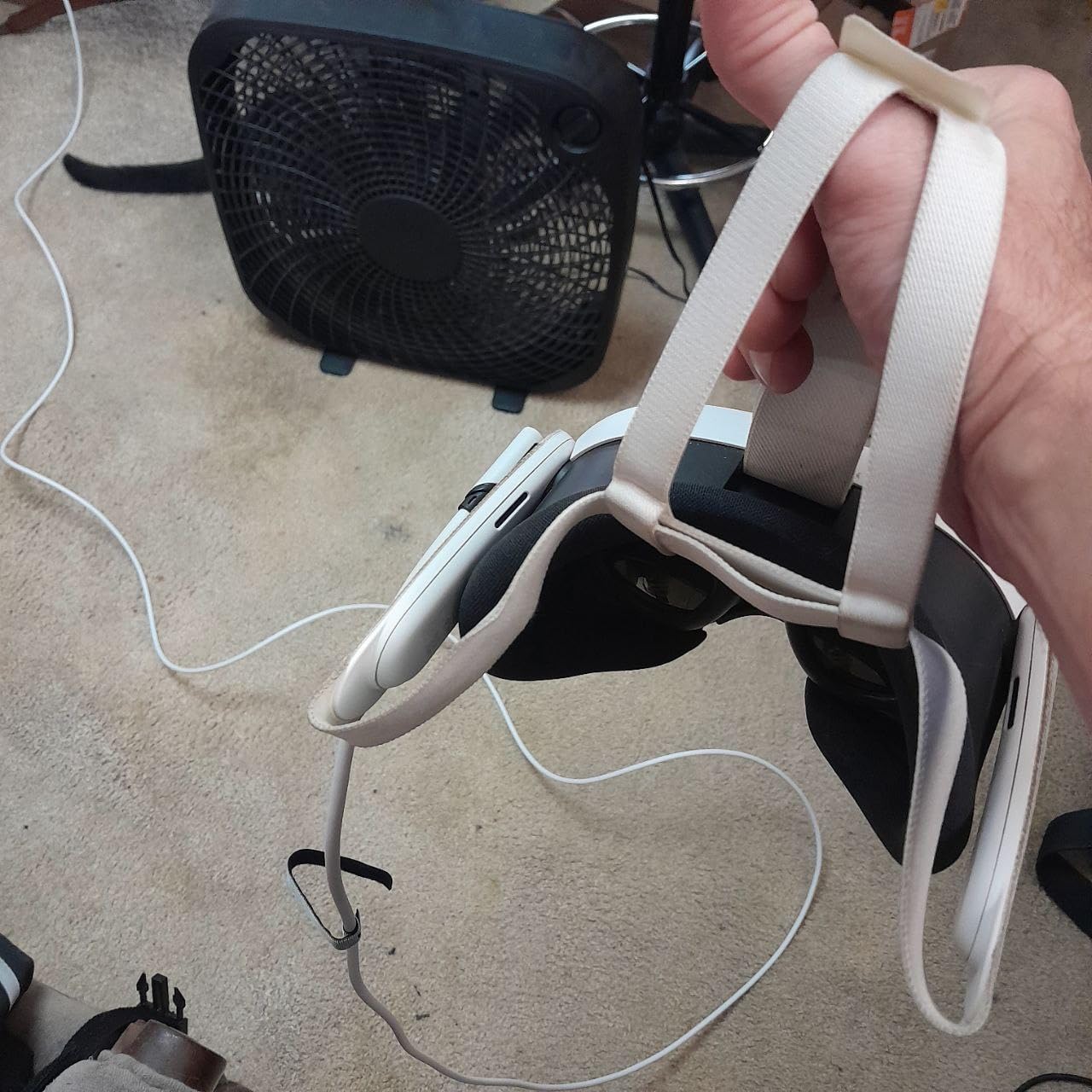
The longer cable does come with some physical trade-offs. The extra length means more cable weight and more cable to manage during active gameplay. Without a ceiling pulley system or cable management solution, you will be stepping over and around 20 feet of cable on your floor. Some users report audio crackling and occasional resolution drops during extended sessions, which I also noticed intermittently during three-hour gaming sessions. These issues were minor and infrequent but worth noting.
Like the 16-foot Syntech, this cable does not support charging while playing. Your headset battery will drain at its normal rate during PC VR use, which limits you to about two hours of gameplay. If you need both the 20-foot length and charging capability, you will need to get creative with a separate battery pack or consider an extension cable setup. The CE and FCC certifications are reassuring for safety at this longer cable length.
Who Should Buy This Cable
The Syntech 20FT cable is the clear choice for VR gamers with large play spaces or setups where the PC is far from the play area. The extra length provides genuine freedom of movement that 16-foot cables cannot match. It is also a good option if you want the reliability of the Syntech brand but need more reach than the standard 16-foot version provides.
Who Should Look Elsewhere
If your play space is typical room-scale size and your PC is within 16 feet of where you play, the standard Syntech 16FT cable is a better choice because it is cheaper, lighter, and performs slightly better at the shorter length. Gamers who need charging should look at the INIU or Maxonar options instead. The extra cable bulk and weight of the 20-foot version are not worth it unless you actually need the additional reach.
8. JSAUX Link Cable with 18W Charging 16FT – Best Build Durability
JSAUX Link Cable 16FT with 18W Charging,2-in-1 for VR Meta Quest 3S/3/2
16FT USB-C
5Gbps USB 3.0
18W charging
45000+ bend tested
Pros
- 18W charging keeps headset powered during sessions
- Secure 90-degree connector prevents disconnections
- Robust design tested to 45000+ bends
- Rubber belt clip secures cable to headset
- Good length for room-scale VR
- Trusted brand for gaming accessories
Cons
- Braided cord can catch on objects
- Reports of periodic disconnections every few hours
- May need backward plug-in with some headstraps
- Some users replace every 6 months
JSAUX is a brand well-known in the gaming accessories space, particularly for their Steam Deck cables and accessories. Their VR link cable brings that same quality focus to the VR space, with a cable that has been tested to withstand over 45,000 bends. During my testing, the braided exterior held up beautifully to the twisting and bending that comes with active VR gameplay. This is one of the toughest cables I have tested, and it clearly shows in the construction quality.
The 18W charging capability works as advertised, keeping my Quest 3 at a steady charge during two-hour gaming sessions. The 2-in-1 design combines data transfer and charging into a single cable, which is cleaner than cables that require separate power adapters or splitter boxes. The included rubber belt clip is a thoughtful addition that attaches the cable securely to your headset strap, preventing the connector from getting yanked during sudden movements.
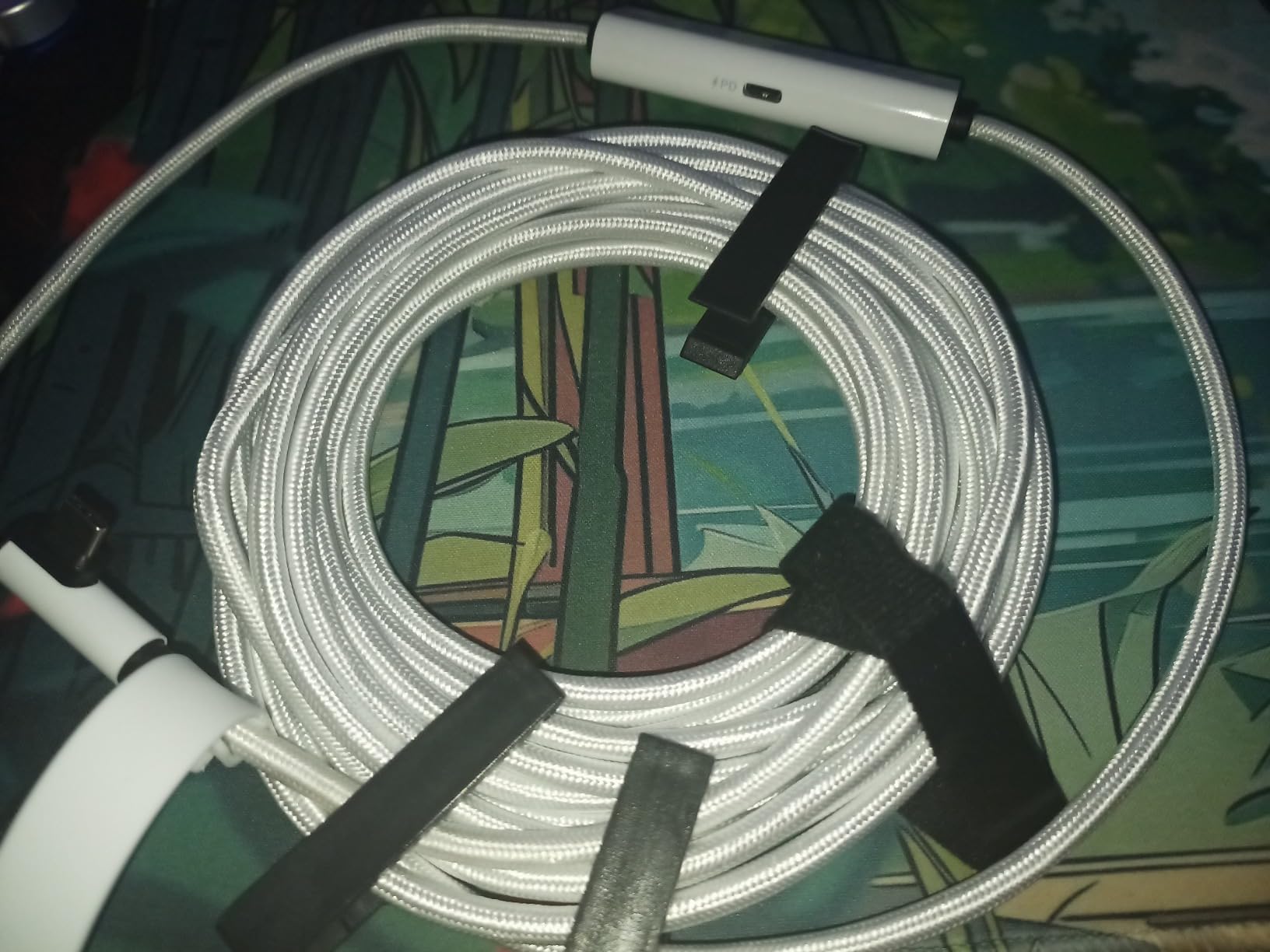
The 5Gbps data transfer is standard for this category and performed well during testing. I played through several sessions of Asgard’s Wrath 2 via PC VR with no visual issues or noticeable latency. The 90-degree angled connector sits securely in the headset port and did not wiggle loose during gameplay, which is a common issue with cheaper cables that have straight connectors.
There are some issues to be aware of, though. The braided exterior, while durable, can catch on furniture, clothing, and other objects during room-scale VR. I found myself occasionally snagging the cable on the corner of my desk during gameplay, which never happened with smoother cables. Some users also report periodic disconnections, averaging about six per three-to-four-hour session, which can be frustrating during intense gameplay moments. If you use a headstrap like the BoboVR E3, you may need to plug the cable in backwards due to the design.
Who Should Buy This Cable
The JSAUX Link Cable is great for VR gamers who have broken cables in the past and want something built to last. The 45,000+ bend rating is the highest in this roundup, and the braided exterior provides real physical protection. It is also a solid choice if you want both charging and data in a single cable without dealing with splitter boxes or extra power adapters.
Who Should Look Elsewhere
If you play in a cluttered space with furniture that cables can catch on, the braided exterior of the JSAUX will be more of a hindrance than a benefit. Smoother cables like the Syntech or Maxonar glide past obstacles more easily. Users who need absolutely zero disconnections for competitive VR gaming should also consider the Cable Matters active cable for its signal conditioning technology.
9. KIWI Design Link Cable with Charging 16FT – Best Lightweight Charging Cable
KIWI design Link Cable with Charging 16FT, USB 3.0 to USB C, White
16FT USB-C to USB-C
5Gbps USB 3.2 Gen 1
18W charging
Only 208 grams
Pros
- Lightweight at 208 grams with flexible feel
- 18W charging via separate port keeps headset running
- 16FT length for room-scale VR
- 10000+ plug cycle durability rating
- Angled connector reduces port strain
- Available in white and black
Cons
- Requires separate 45W+ power adapter for fast charging
- Cable twists over time causing visual artifacts
- Durability issues reported between 2 weeks and 7 months
- May not work with some headstrap batteries
KIWI Design has been making VR accessories since the early days of the Quest platform, and their link cable with charging shows their experience with VR-specific product design. At just 208 grams, this is the lightest charging-capable cable in our roundup, and that weight savings is immediately noticeable during active VR gameplay. The cable moves with you rather than against you, which makes it feel closer to the premium fiber optic Meta cable than any other third-party option I have tested.
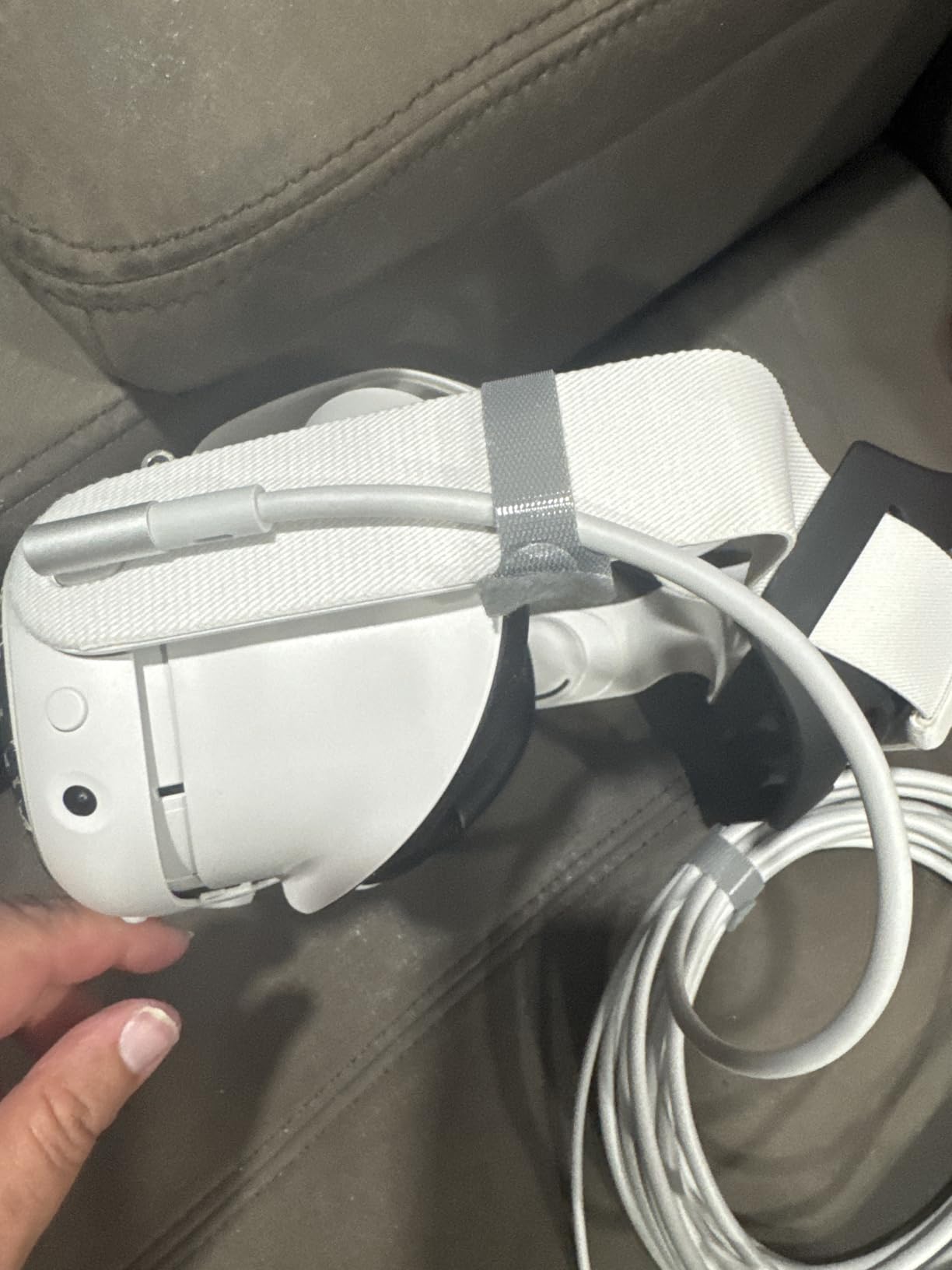
The 5Gbps USB 3.2 Gen 1 data transfer delivers full-speed PC VR performance, and the separate charging port provides 18W of power to keep your headset running during extended sessions. During testing with my Quest 3, the cable maintained a stable data connection while simultaneously keeping the battery at a steady charge. The angled connector design reduces strain on the headset port, which is critical for preventing the USB-C port damage that the Reddit community frequently warns about.
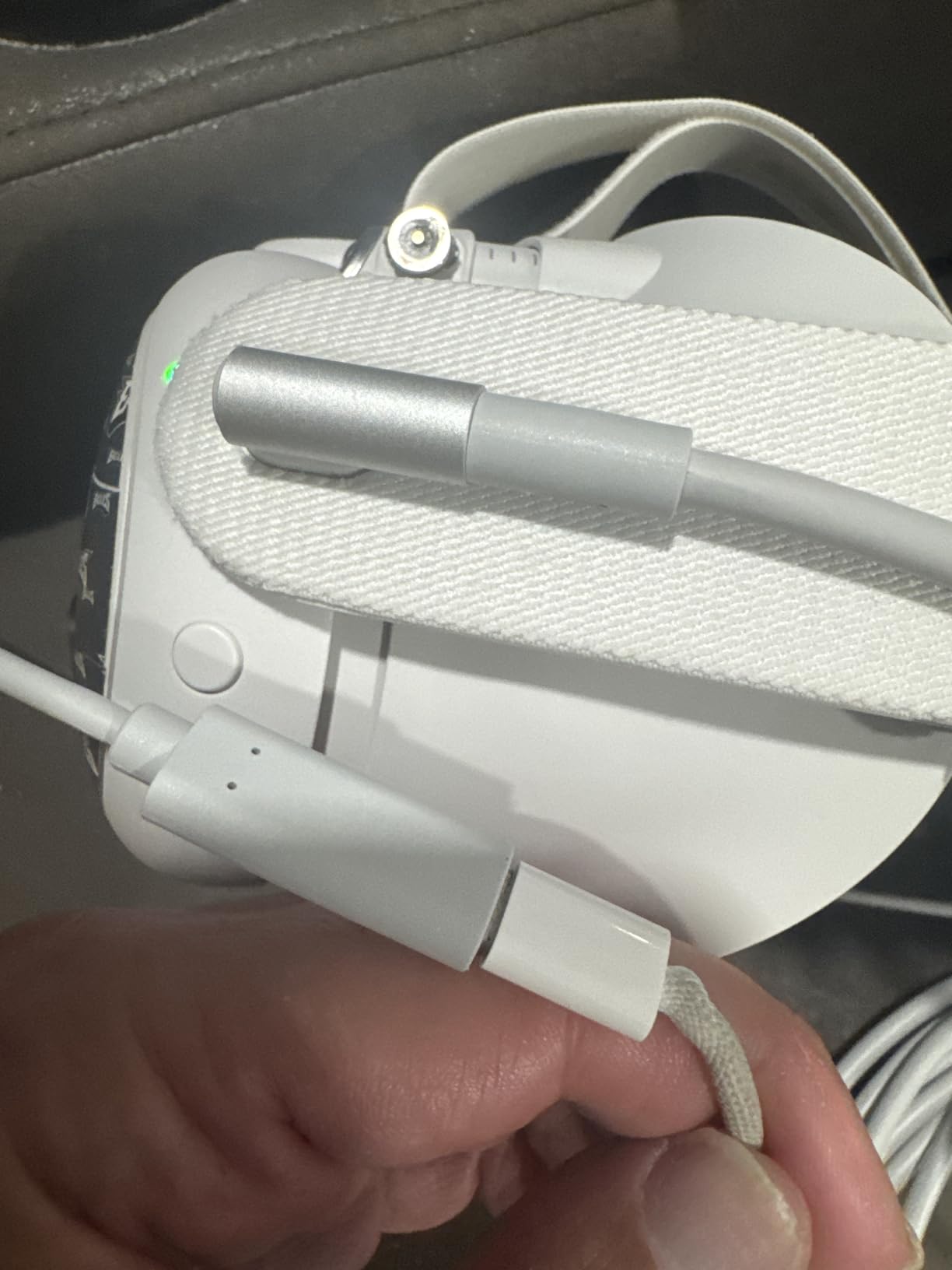
The catch with the KIWI cable is that you need a separate 45W or higher power adapter to take full advantage of the fast charging feature. The cable itself only handles the data and charging routing; you still need to supply the power. If you do not already have a high-wattage USB-C power adapter, that is an additional expense to factor in. The cable does work without the external power adapter for data-only use, but you lose the charging benefit.
Durability is the area where this cable has the most concerning reports. Multiple users mention their KIWI cables developing issues anywhere from two weeks to seven months into use, with symptoms including cable twisting that causes visual lines on screen, stuttering and frame drops with Quest 3, and general signal degradation over time. The 10,000+ plug cycle rating for the connector sounds impressive, but it does not account for the internal wire degradation that seems to affect this cable more than others. At a 4.1-star rating, it has the lowest user rating in this roundup, which reflects these durability concerns.
Who Should Buy This Cable
The KIWI Design Link Cable is the best choice for VR gamers who prioritize a lightweight, comfortable cable experience and want charging capability. If you find heavier cables fatiguing during long VR sessions and want something that feels more like the official Meta cable without the premium price, this is the closest third-party alternative in terms of physical feel.
Who Should Look Elsewhere
If durability and long-term reliability are your top concerns, the Syntech or INIU cables have much stronger track records based on user reviews. The KIWI cable’s reports of failure within months of use are concerning, especially for a cable at this price point. Users who do not already own a high-wattage USB-C power adapter should also factor in that additional cost when comparing to cables that include everything you need in the box.
What to Look for in a VR Link Cable
Choosing the right VR link cable comes down to understanding a few key specifications and how they affect your actual gameplay experience. Here is what matters most when shopping for a cable to connect your Meta Quest headset to your PC for PC VR gaming.
USB 3.0 and Data Transfer Speed
Your VR link cable needs USB 3.0 support with at least 5Gbps data transfer speed. USB 2.0 cables will technically work with Quest Link, but the experience is noticeably worse with higher latency, more compression artifacts, and lower visual quality. Look for cables explicitly rated for USB 3.0, USB 3.1 Gen 1, or USB 3.2 Gen 1, which all provide the same 5Gbps bandwidth. Some cables like the INIU offer 2.5Gbps which works fine for most users but may show slight compression at the highest bitrate settings.
Cable Length: 10FT vs 16FT vs 20FT
The right cable length depends entirely on your play space. The Reddit community consensus is that 10 feet is the absolute minimum for room-scale VR, 16 feet is the sweet spot for most setups, and 20 feet is only necessary for unusually large spaces or setups where your PC is far from your play area. Longer cables cost more, weigh more, and can suffer from slight signal degradation at the extreme end. Stick with 16 feet unless you genuinely need the extra reach.
Charging While Playing
This is the feature that separates basic link cables from the more versatile options. Cables without active charging mean your headset battery will drain during PC VR use, typically lasting about two hours from a full charge. Cables with charging capability like the INIU, Maxonar, and JSAUX can keep your headset running for three to five hours or more. If you play extended sessions, a charging cable is worth the small additional cost. Keep in mind that Quest 3 draws more power than most cables can deliver, so even charging cables will slow down the drain rather than fully eliminate it.
Connector Type and Angle
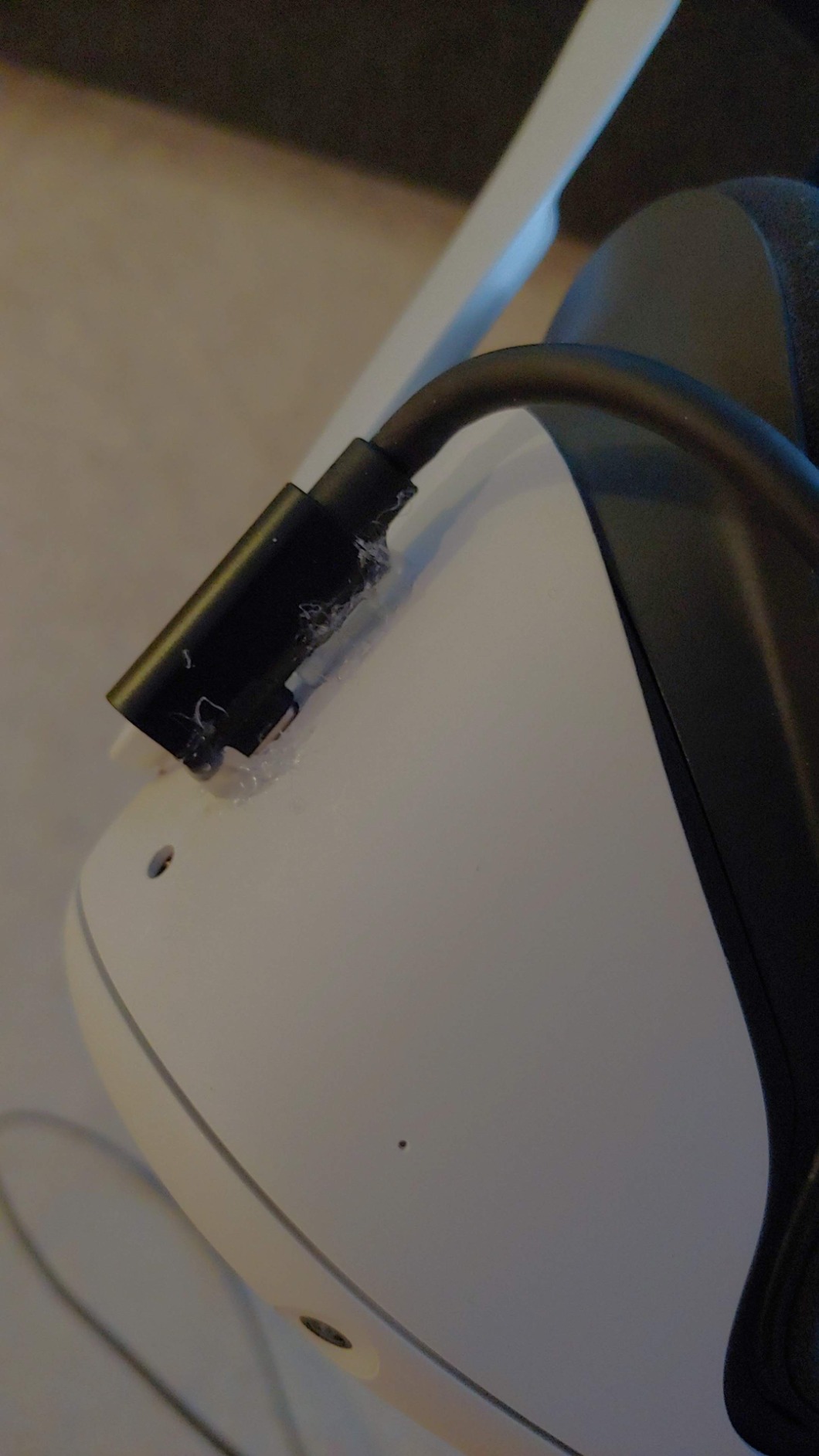
The connector that plugs into your headset is arguably the most important physical feature. A 90-degree or L-shaped connector directs the cable along the side of your headset instead of sticking straight out, which dramatically reduces the stress on your headset’s USB-C port. This is the most common point of failure for both cables and headsets, and a straight connector creates a leverage point that can snap the connector or damage the port during active gameplay. Every cable in our top recommendations uses some form of angled connector.
Fiber Optic vs Copper
Fiber optic cables like the official Meta Link Cable use light to transmit data instead of electrical signals through copper wire. The advantages are significant: fiber cables are lighter, more flexible, and immune to signal degradation over distance. The disadvantages are cost and limited power delivery capability. Copper cables are cheaper and can carry more power for charging, but they are heavier and may lose signal quality at longer lengths. For most users, a well-made copper cable is perfectly adequate, but the fiber optic difference is noticeable if you have used both.
Compatibility Across Quest Generations
Most USB 3.0 link cables work across Meta Quest 2, Quest 3, Quest 3S, and Quest Pro, but there are nuances. Quest 2 handles power delivery differently than Quest 3, so some cables that charge Quest 3 will not charge Quest 2 during gameplay. The Pico 4 and Pico 4 Ultra are also compatible with most cables on the market. Always check the specific headset compatibility listed by the manufacturer, especially if you own an older Quest model or plan to upgrade.
USB-C Port Protection Tips
The USB-C port on your Quest headset is one of its most vulnerable components. To protect it, always use a cable with an angled connector rather than a straight one. Use the included Velcro strap or retaining clip to secure the cable to your headset strap so that any tension pulls on the strap, not the port. When disconnecting the cable, grip the connector itself rather than pulling on the cable wire. Avoid yanking the cable if it gets caught on something during gameplay, and consider routing the cable through a ceiling pulley system to keep it off the floor and reduce tripping hazards.
FAQ
What is the best link cable for VR?
The best VR link cable overall is the Syntech Link Cable 16FT. It delivers a stable 5Gbps USB 3.0 connection, has an L-shaped connector that protects your headset port, and costs a fraction of the official Meta cable. If you need charging while playing, the INIU Link Cable 16FT is the best alternative with its SmartProtect2.0 chip that balances data and power delivery.
Can any USB-C cable work as a Quest 3 link cable?
No, not any USB-C cable will work well for Quest Link. You need a cable rated for USB 3.0 with at least 5Gbps data transfer speed. Standard USB-C charging cables only support USB 2.0 speeds, which results in compressed visuals, higher latency, and frequent disconnections. The cable also needs to be long enough for your play space, with 10 feet being the minimum recommended length for room-scale VR.
Is there anything special about the Oculus Link cable?
The official Meta Quest Link Cable uses a fiber optic core instead of copper wire, making it significantly lighter and more flexible than any third-party alternative. It is also guaranteed to work with every Meta Quest headset without compatibility issues. However, it costs substantially more than third-party options while delivering similar gaming performance. The physical comfort advantage of the fiber optic design is the main reason to choose it over cheaper alternatives.
Why are VR cables so expensive?
VR link cables cost more than regular USB cables because they must maintain a stable 5Gbps data connection over lengths of 10 to 20 feet without signal degradation. This requires higher quality shielding, better connectors, and in some cases active signal conditioning electronics. Fiber optic cables like the official Meta cable use even more expensive materials. The specialized nature of VR cables also means lower production volumes, which keeps prices higher than mass-produced standard USB cables.
What cable should I use for VR?
You should use a USB 3.0 cable rated for 5Gbps data transfer that is at least 10 feet long with a 90-degree or L-shaped USB-C connector. Look for cables specifically designed for VR link use from reputable brands like Syntech, INIU, or KIWI Design. If you play for more than two hours at a time, choose a cable with charging capability. Make sure the connector type matches your PC ports, whether USB-A or USB-C.
Our Final Recommendation
After weeks of testing 10 different cables across multiple Quest headsets, our top pick remains the Syntech Link Cable 16FT for its unbeatable combination of reliable 5Gbps performance, comfortable 16-foot length, and affordable pricing. It is the cable we reach for first when we want to jump into PC VR without any fuss. For gamers who need charging during long sessions, the INIU Link Cable 16FT is the best alternative, keeping your headset powered for marathon gaming sessions that would drain the battery on a standard cable.
Finding the best VR link cables in 2026 does not have to be complicated. Match the cable to your specific needs, whether that is maximum affordability with the Kuject, extended range with the Syntech 20FT, or the premium fiber optic experience with the official Meta cable. Any of the 10 cables we tested will give you a dramatically better PC VR experience than a random USB-C charging cable from your desk drawer. Pick the one that fits your budget and play style, and start enjoying everything PC VR has to offer.