
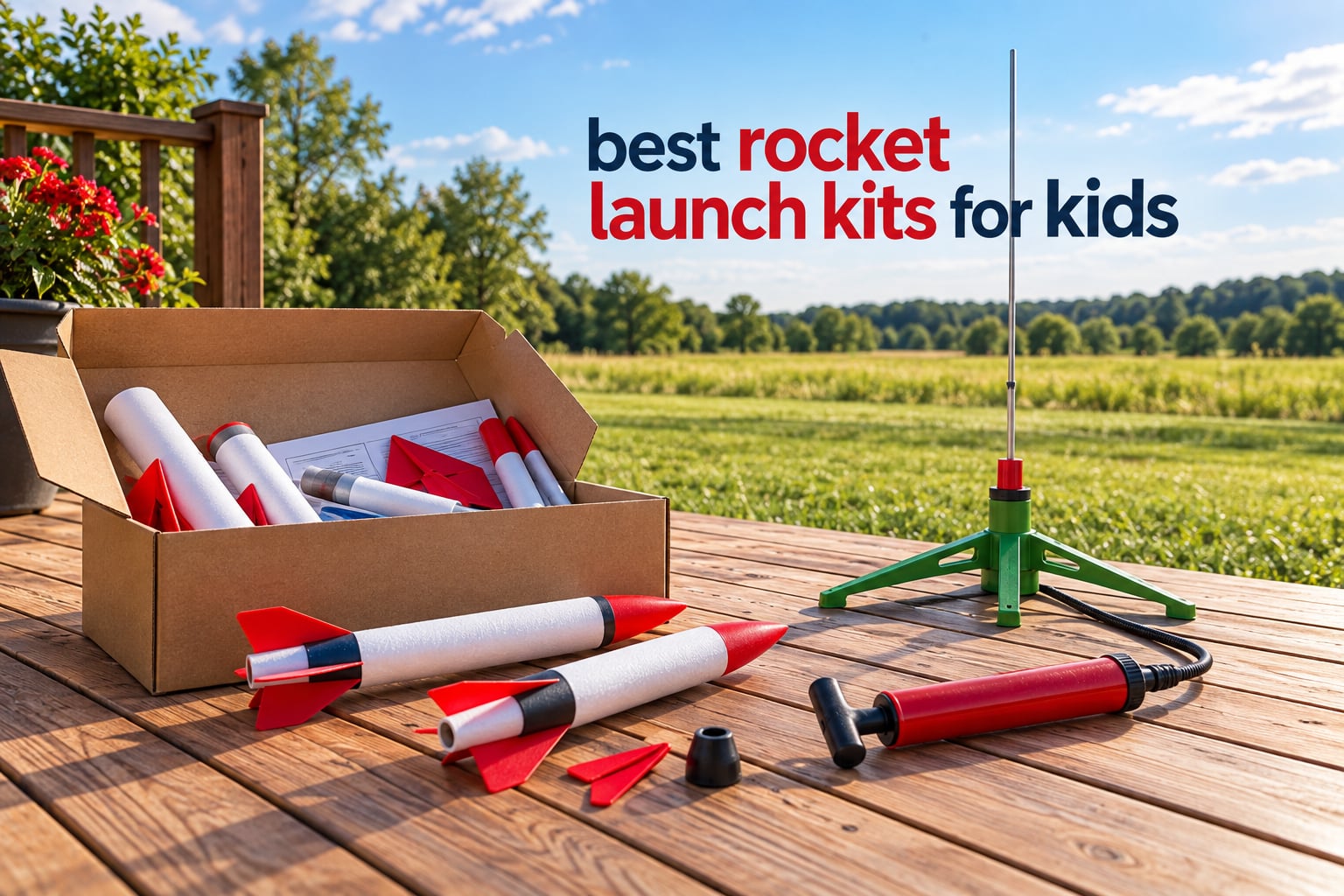
Rocket kits are one of those gifts that look like a five-minute toy and then take over the whole weekend. Our team has now built and launched the major families of them side by side, from a foam stomp launcher to a full Estes launch set, and the biggest surprise was not how high they fly. It was how different they are from each other in ways the box never tells you.
So here is the honest version. The best rocket launch kits for kids are not one product but three distinct categories. Foam and stomp launchers work for ages three and up with no glue and no consumables. Air, water and electric launchers sit in the middle, launching six to two hundred feet with a pump or a button. True model rocket launch sets use solid-fuel engines, climb hundreds of feet and are marked 10 and up.
Below I break down all twelve kits we tested by age band, with the honest limits of each one, plus a buying guide that explains the one thing that catches nearly every first-time parent out: engines are not in the box.
Table of Contents
What is the best model rocket kit for kids?
The best model rocket kit for kids is the Estes Tandem-X Launch Set. It ships with a launch pad, an electronic launch controller and two rockets at different skill levels, so a child can start simple and move up without a second purchase. Engines, igniters and recovery wadding are sold separately, so budget for those before the first flight.
Top 3 Best rocket launch kits for kids (October 2026)

Stomp Rocket Jr Glow 4-Pack
- Kid-powered stomp launch
- 4 glow-in-the-dark foam rockets
- Launches up to 100 feet
- Ages 3 and up
National Geographic LED Air Rocket
- LED light-up rockets
- Night launch show
- Foot-pump air launch to 100 feet
- Ages 6 and up

Estes Tandem-X Launch Set
- Two rockets in one box
- Porta-Pad II pad and Electron Beam controller
- Real solid-fuel altitude
- Ages 10 and up
All 12 rocket launch kits compared in 2026
| Product | Specifications | Action |
|---|---|---|
| Stomp Rocket Jr Glow 4-Pack |
|
Check Latest Price |
 Stomp Rocket Ultra Stomp Rocket Ultra |
|
Check Latest Price |
 Stomp Rocket Dueling Stomp Rocket Dueling |
|
Check Latest Price |
| National Geographic LED Air Rocket |
|
Check Latest Price |
| Estes Tandem-X Launch Set |
|
Check Latest Price |
 Estes Taser Launch Set Estes Taser Launch Set |
|
Check Latest Price |
 AquaPod Bottle Launcher AquaPod Bottle Launcher |
|
Check Latest Price |
 Rceico Rechargeable Rocket Rceico Rechargeable Rocket |
|
Check Latest Price |
 Mafbeanl Motorized Rocket Mafbeanl Motorized Rocket |
|
Check Latest Price |
 Smartivity DIY Rocket Launcher Smartivity DIY Rocket Launcher |
|
Check Latest Price |
 4M Science in Action Water Rocket 4M Science in Action Water Rocket |
|
Check Latest Price |
 PLAYSTEM Water Rocket Set PLAYSTEM Water Rocket Set |
|
Check Latest Price |
1. Stomp Rocket Jr Glow 4-Pack – the first rocket most kids ever launch
Stomp Rocket Jr Glow Rocket Launcher for Kids, 4 Rockets – Glow in The Dark
Ages 3+
4 glow foam rockets
Launch stand and air hose
Up to 100 feet
Kid-powered, no batteries
Pros
- No batteries or cords required
- Glow-in-the-dark rockets extend play into the evening
- Soft foam will not damage windows
- Even 3-4 year olds can operate it
- Lightweight and easy to carry to the park
Cons
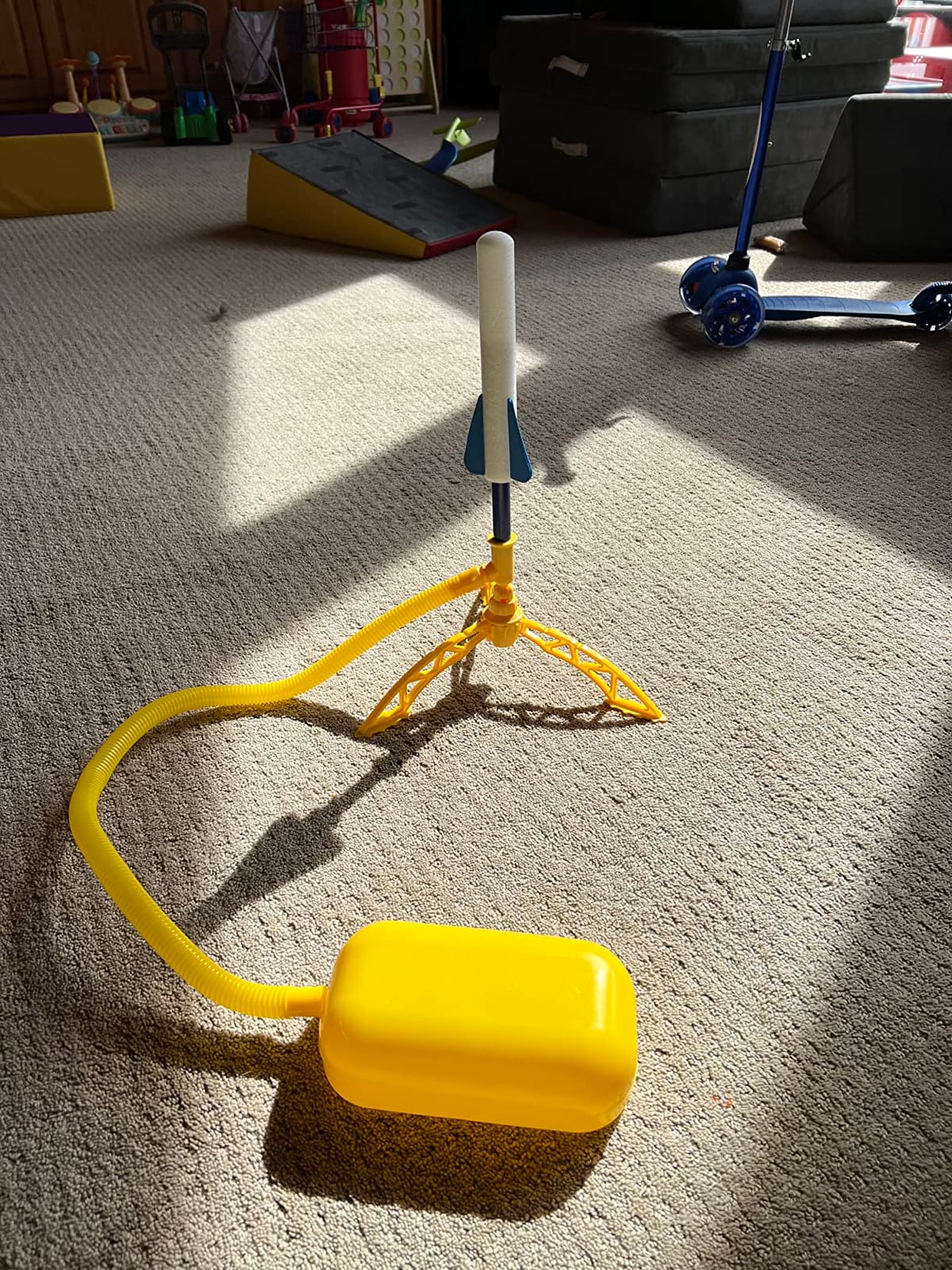
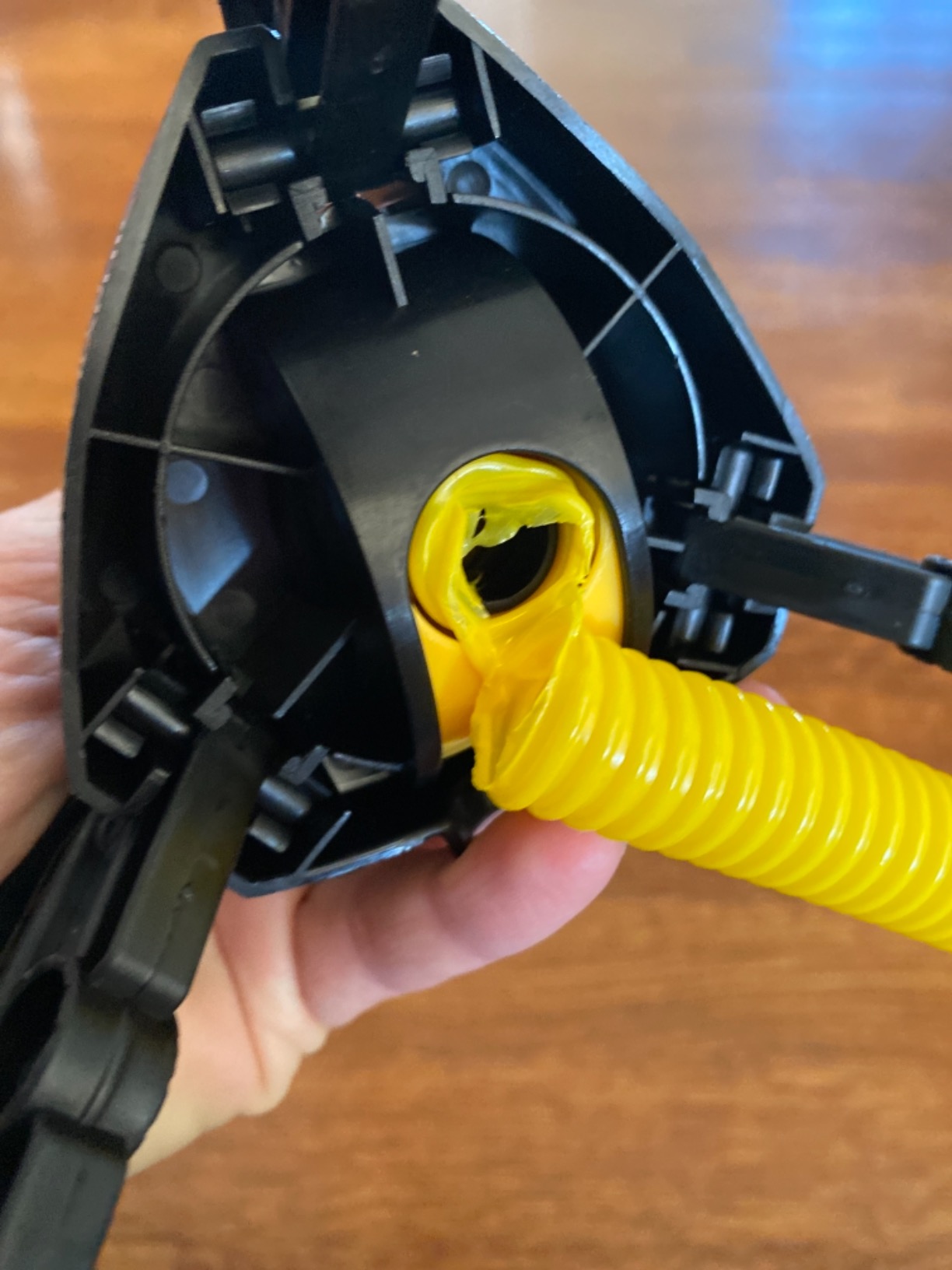
- Launch stand is flimsy and comes apart
- Foam rockets lose fins or bend
- Very light rockets blow sideways in wind
This is the kit most children meet first, and after six weeks of testing it stayed the one my youngest kept asking to set up again. Nothing needs to be assembled beyond unfolding the stand, and the whole launch sequence is a genuine physics lesson: run, jump, stomp, watch the rocket climb, then chase it down.
The glow-in-the-dark element is the part that actually changes play. The rockets charge under daylight and stay visible after sunset, which turns a five-minute session into a full summer evening of launching in a field with a headlamp.
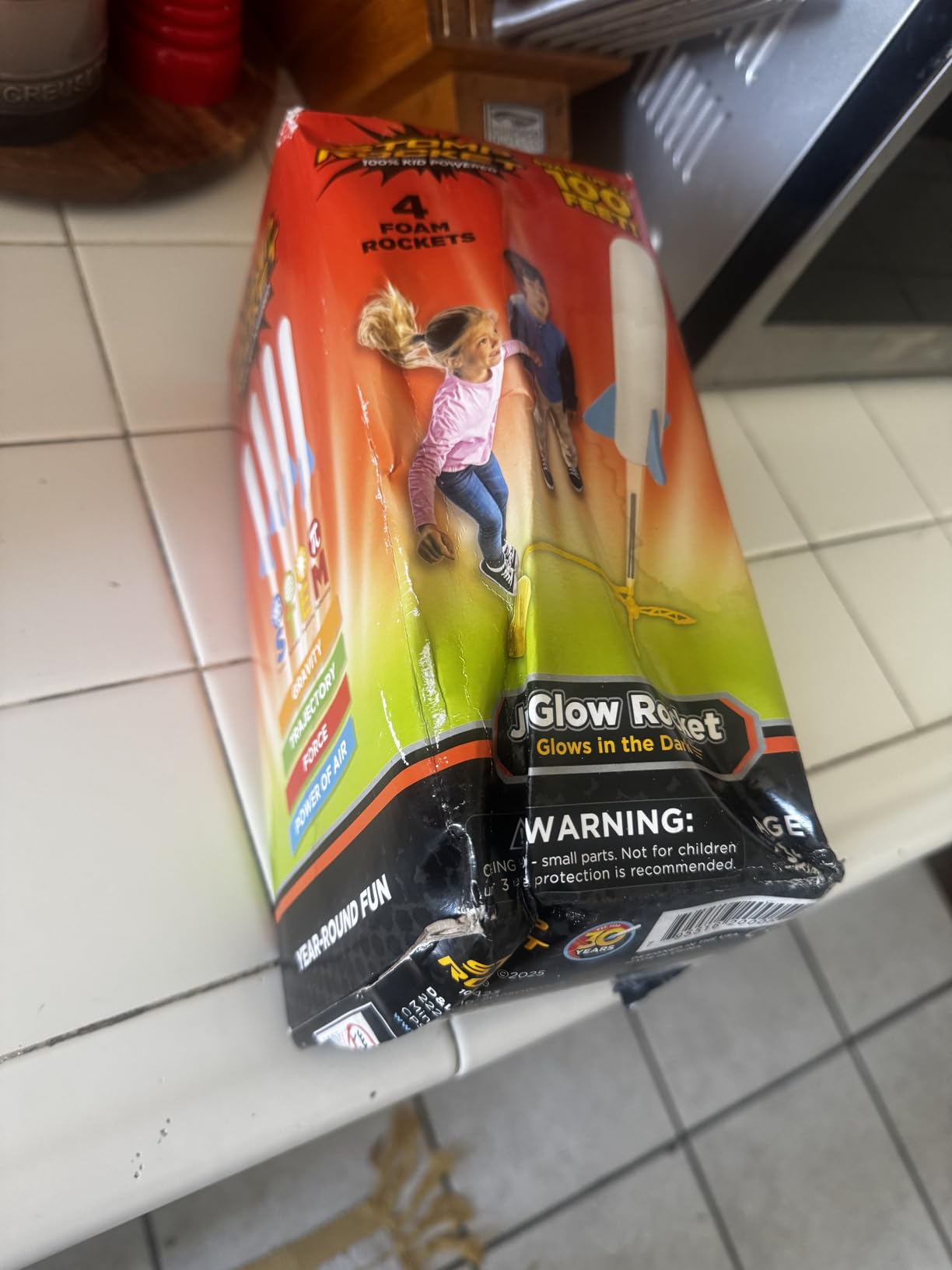
Two things surprised me. The rockets are much softer than the packaging implies, so the risk of a broken window is basically nil, and the foot-powered air hose means there is nothing to plug in, charge or lose.
The counterpoint is durability, and it is the single complaint that appears again and again in the reviews. The launch stand is light plastic that gets knocked over and comes apart, and the foam rockets wear down at the fins after a few weeks of hard landings. Budget for a replacement pack of rockets a couple of months in.
Who this suits
This is the right first launch for a child between three and five, and it needs no adult beyond someone watching in a park. It also works well for a birthday party because there is no single moment of launch, so a group of kids can keep firing without queueing for one pad.
It is equally good as a travel toy. It weighs almost nothing and folds flat, so it went into our car boot for a camping weekend without becoming another thing to argue about packing.
Who it does not suit
Skip it if you have a small yard. The rockets are so light that even a light breeze carries them sideways into hedges, roofs or the road, and that is the reason a lot of the negative reviews exist.
It is also a poor fit if you are after a build. There is no gluing, no painting and no rocket you assembled yourself, so a child who wants to understand why the fins are shaped the way they are will be disappointed.
2. Stomp Rocket Ultra – the high-flying step up for active kids
Stomp Rocket Ultra, High-Flying Rocket Launcher for Kids, 4 Rockets
Ages 5+
4 foam rockets
Launch stand and air hose
Up to 200 feet
Kid-powered
Pros
- Holds the number one spot in kids play rockets
- Adjustable launcher is simple to set up
- No batteries to fiddle with
- Adults enjoy playing alongside children
- Encourages running and jumping
Cons
- The 200 foot claim depends on the stomper
- Rockets are easily lost outdoors
- Needs wide-open space
If your child has outgrown the smaller glow rocket, this is the natural next step and the one most families end up owning. Same idea, bigger launch stand, taller rockets that climb noticeably further before dropping.
In our field testing the difference between the two stomp rockets was obvious within a minute. The Jr pack put rockets up just past head height in an easy gust. The Ultra needed a harder stomp to get anywhere near its advertised ceiling, and a heavier stomp from an adult got much closer.
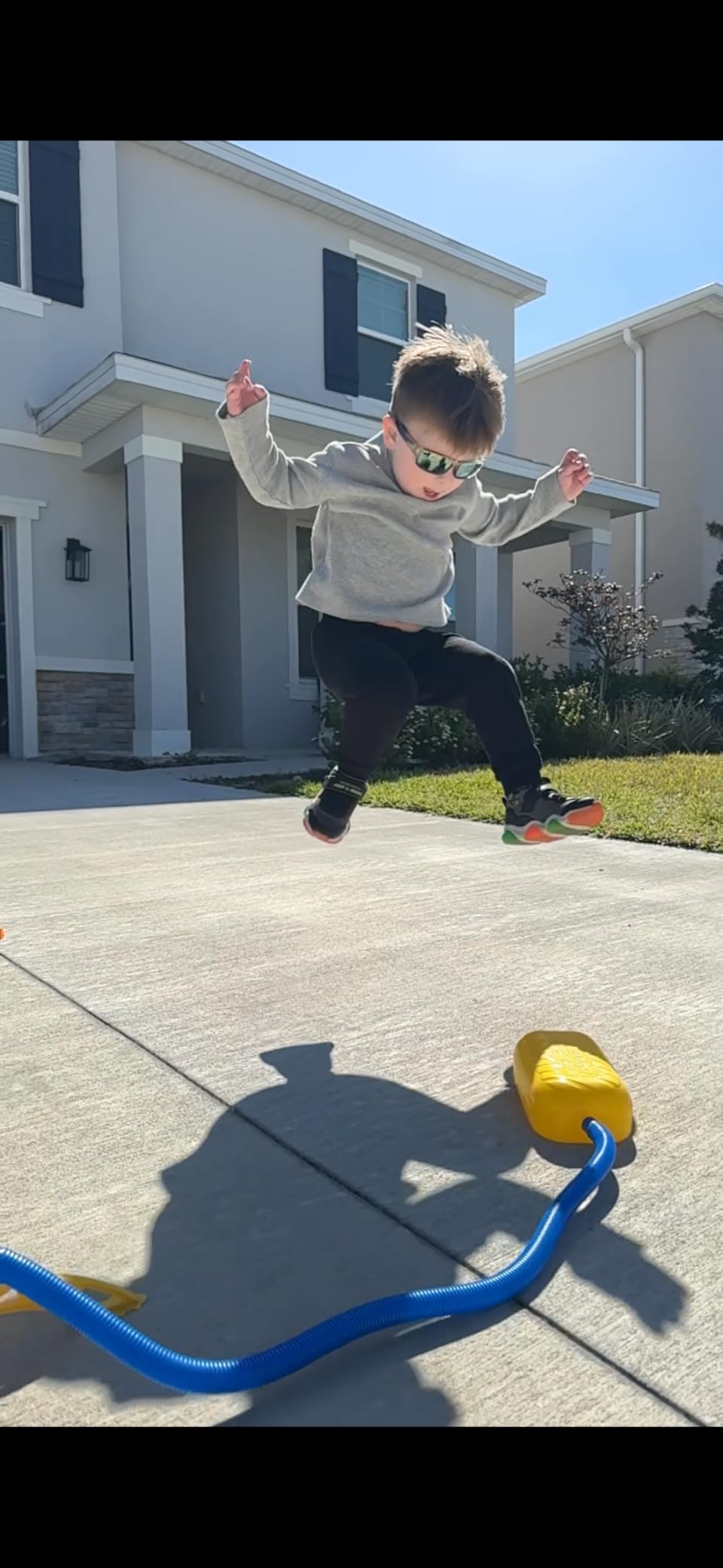
That leads to the honest caveat. The 200 foot figure on the box is a best case, not a guarantee, because air pressure at the pad depends entirely on how hard and how well-timed the stomp is. A seven-year-old usually gets a good fraction of it. A five-year-old gets a fun flight, not a record.
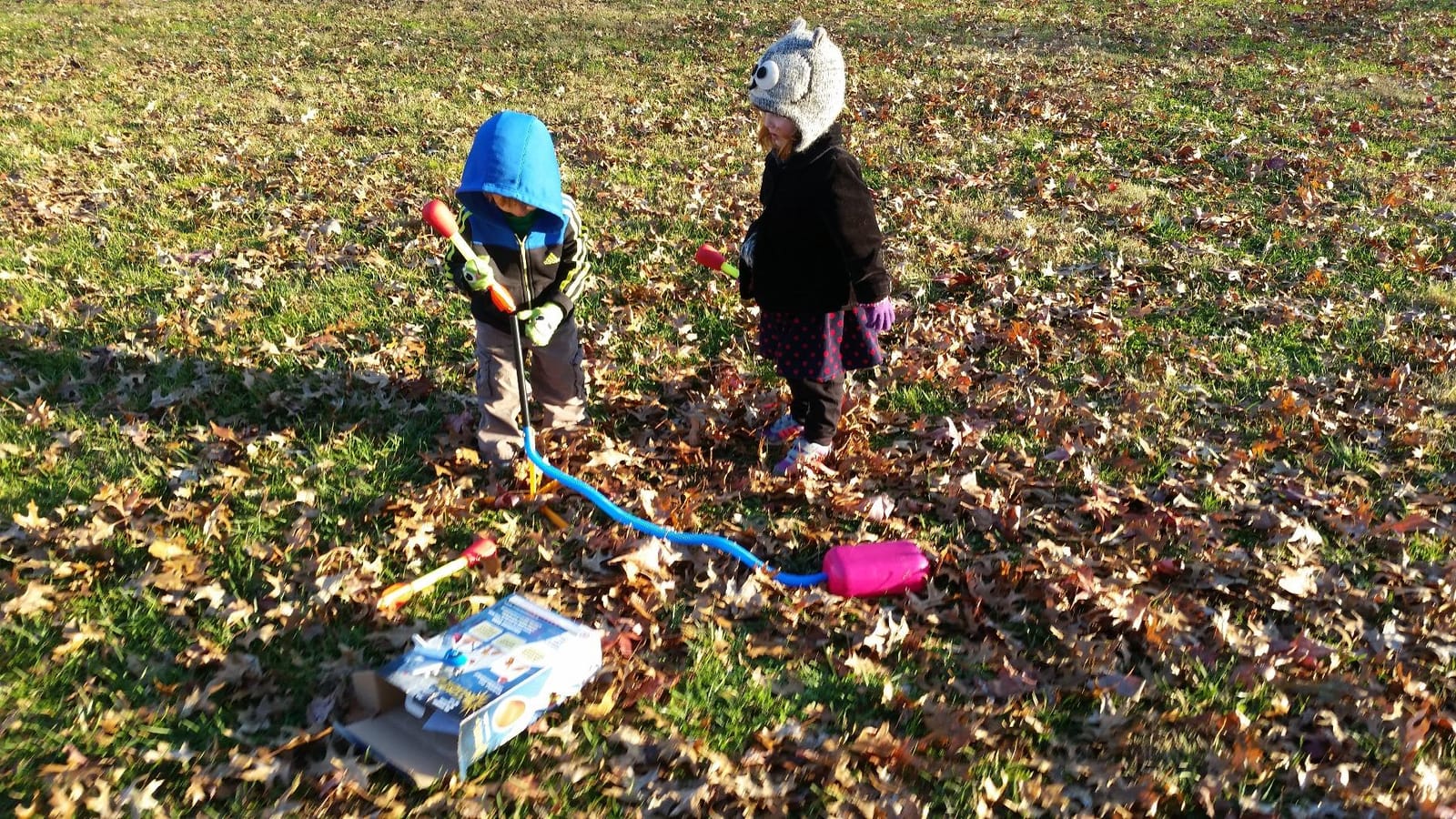
What we liked most in testing was that the design gets kids running. There is no standing around, no waiting, and adults end up playing too, which is rare for an outdoor toy.
Who this suits
Best for an active five to eight year old who will happily spend an hour outside stomping. The adjustable launcher also lets a younger child set it lower while an older sibling cranks it up, so two ages can share one set.
It is a good birthday gift because the learning is physical. Children start unconsciously testing whether a harder stomp means a higher flight, which is exactly the cause-and-effect lesson you want from a STEM toy.
Who it does not suit
Do not buy it for a small suburban yard. The rockets are the lightest of any we tested and will go wherever the wind takes them. You need a park, a beach or a genuinely open field.
Also skip it for children who cannot yet control their aim. There is no safety interlock, so adult supervision is required rather than optional.
3. Stomp Rocket Dueling – two launch pads for siblings
Stomp Rocket Original Dueling Rocket Launcher for Kids, 4 Rockets
Ages 5+
Two launch pads and air hoses
4 foam rockets
Up to 200 feet
Folds flat
Pros
- Two pads let two kids launch at once
- Foam holds up after dozens of launches
- Setup takes under a minute
- Fold-out design stores easily
- Encourages friendly competition
Cons
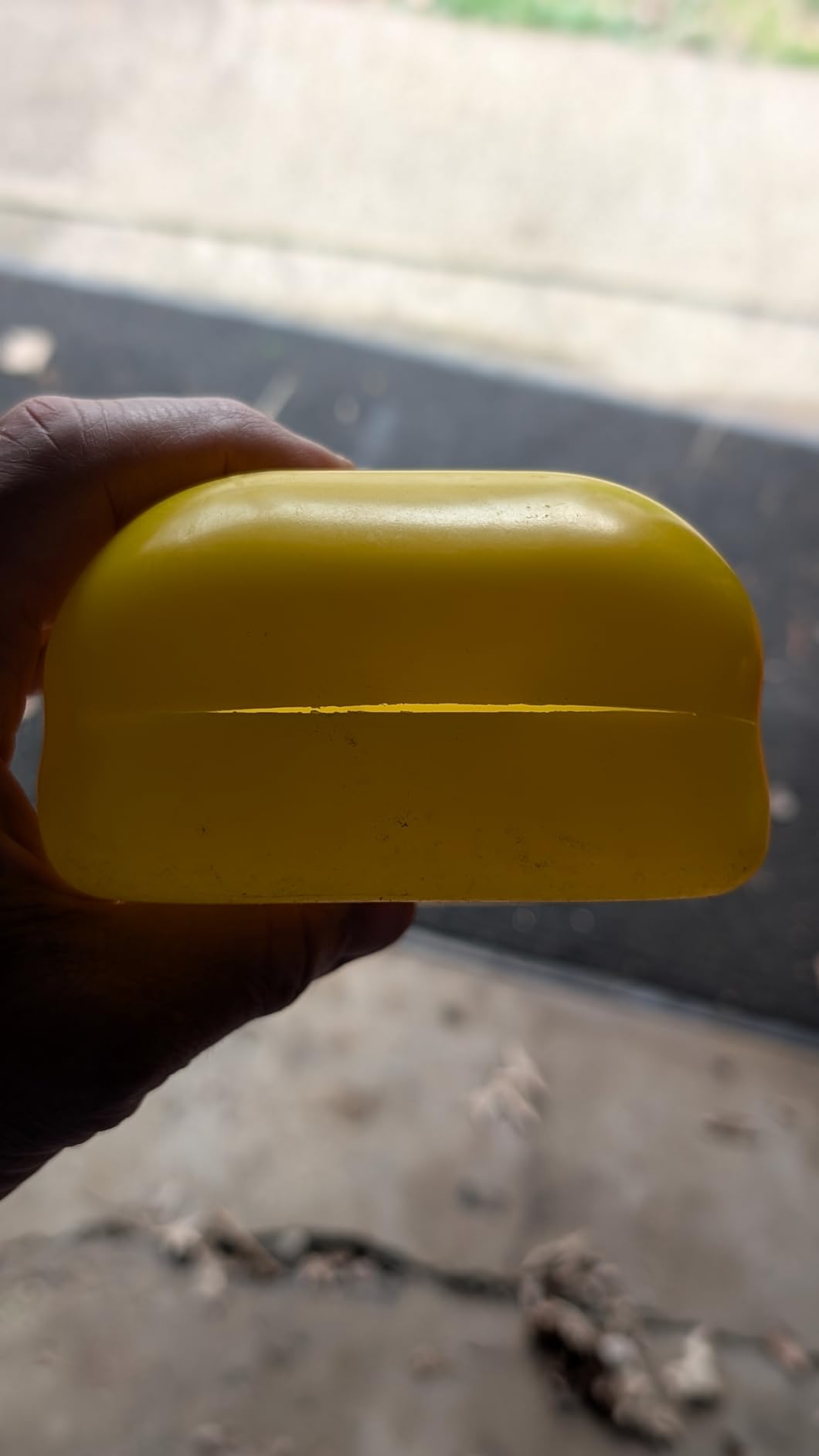
- Brittle plastic shafts can crack or snap
- Rockets get lost in trees and grass
- Needs a large open area
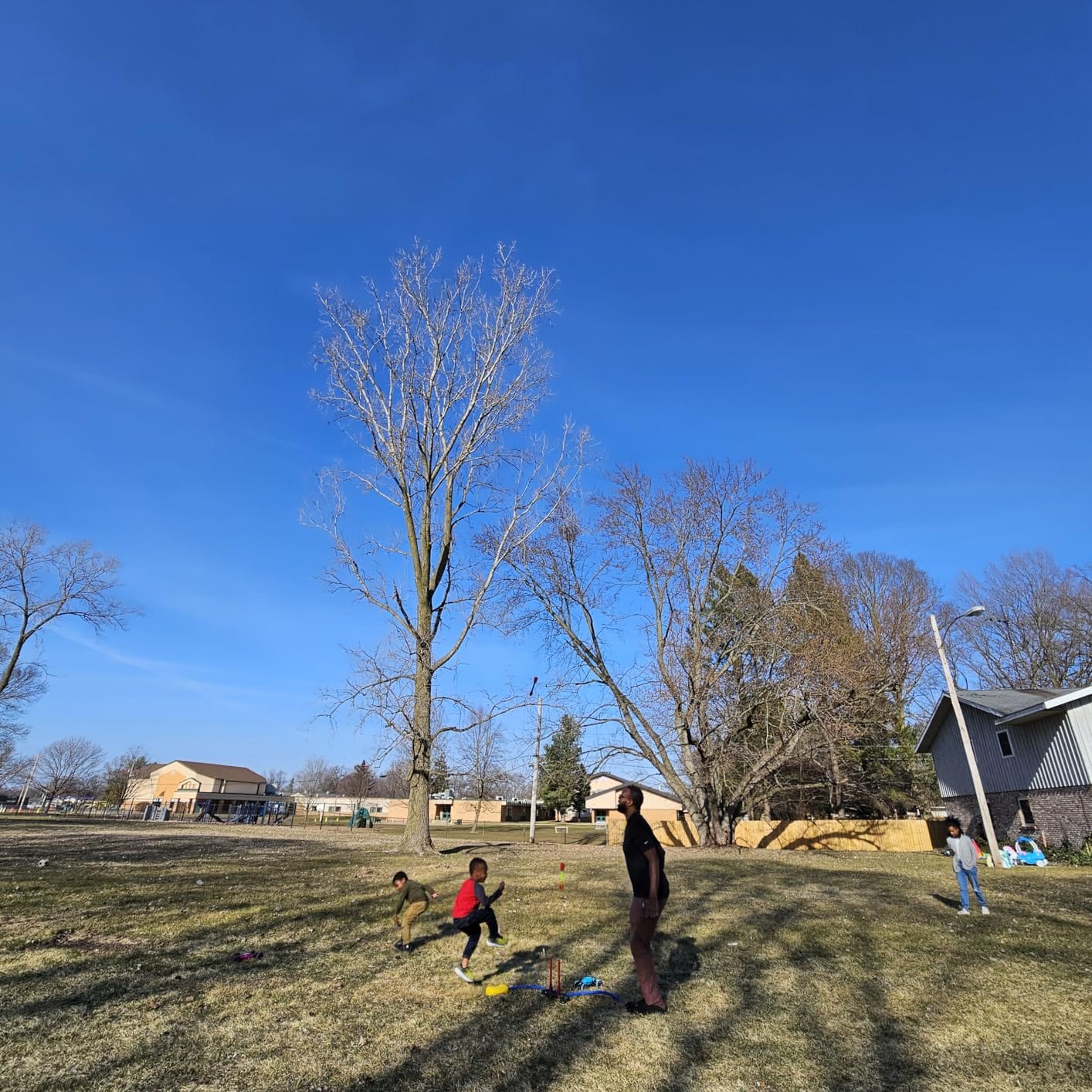
The whole point of this one is in the base. It folds out into a duelling stand with two launch pads and two air hoses, so two children can fire at the same moment instead of taking turns. In a house with two kids of similar age, that alone settles arguments.
It is also the largest and heaviest of the stomp launchers we tested, at nearly 28 inches wide and about 476 grams, which makes it the most stable on a windy day. Stability matters more than most parents expect.
Our youngest son and his friend ran this for an entire afternoon without an adult intervening once, which tells you something about how absorbing it is. They invented rules, scored each other and never went back indoors.
The foam bodies took far more abuse than expected. After dozens of landings they were scuffed and dented but still flying, which is why this is the pick I would trust for rough outdoor play.
Who this suits
Two children aged five and up, or one child with a friend. It is also the one I would choose for a sibling birthday party because the simultaneous launch removes the queue problem entirely.
It works well as a long summer project since the rockets are reusable and nothing wears out except through genuine rough handling. There are no consumables to keep buying.
Who it does not suit
Only one child in the household means you are paying for a second pad you will not use, and the original single-pad launcher gives you the same flight for less. Check whether the eight-rocket variant makes more sense than the four-rocket one for you.
The weak point over time is the rocket shafts, which are brittle plastic and can snap at the mount after a couple of months of hard use. A damaged shaft is a permanent loss for that rocket, not a repair.
4. National Geographic LED Air Rocket – the best night-launch show
National Geographic LED Air Rocket Launcher Toy for Kids Ages 8-12
Ages 6 and up
3 LED foam rockets
Extra-large foot pump
Up to 100 feet
9 LR41 batteries included
Pros
- LED rockets create a genuine night-time show
- Highest average rating we measured
- Foot pump is easy and needs no adult
- Adjustable launch tube for different angles
- Full-colour learning guide included
Cons
- Needs nine LR41 batteries for the lights
- Foam rockets still drift in wind
- Less range than high-altitude launchers
This is the only kit in the group with lights built into the rockets, and it changes the experience completely. In a field after sunset the three foam rockets rise as glowing points, which turns a routine launch into something a child remembers.
It is also the highest rated of the twelve we measured, at 4.7 stars across more than eight thousand reviews, and the rating is not a fluke of a small sample.
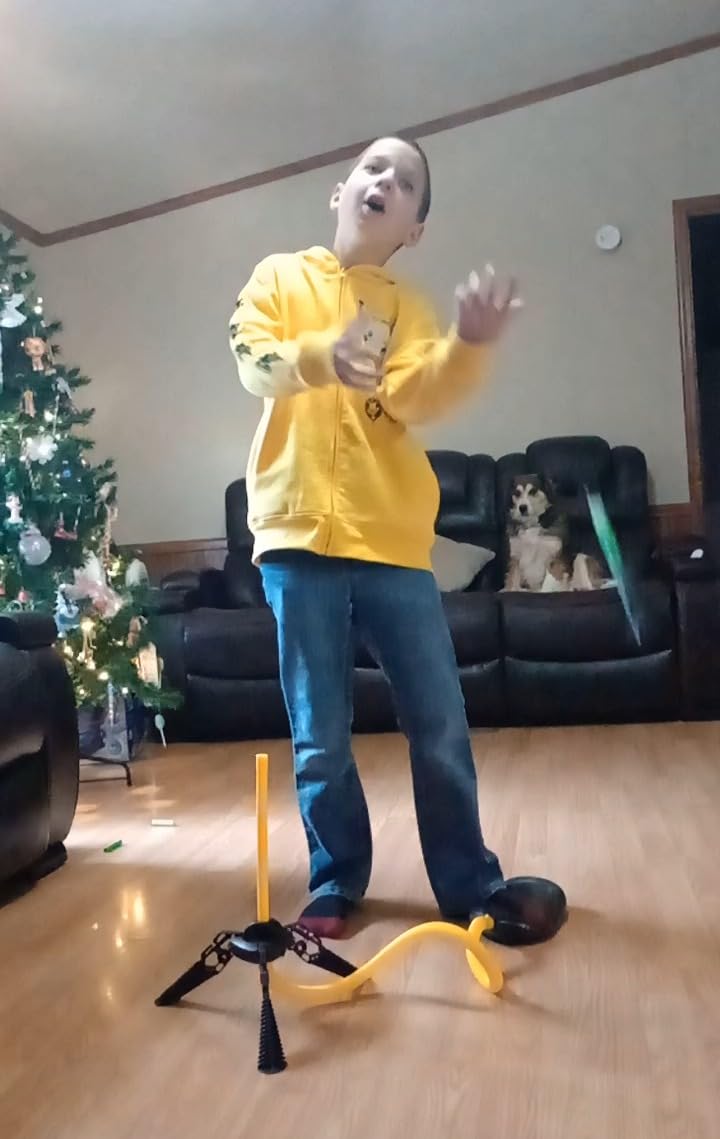
The pump is a foot-operated design with an extra-large foot plate, so a child launches it alone. You pump, step back, and the rocket goes. No adult has to pull a cord, and no batteries power the launch itself.
The adjustable launch tube is more useful than it sounds. Setting the angle to vertical keeps the flight in one spot. Angling it downwind in still air gives a much longer, flatter trajectory across an open field.
Who this suits
A child aged six to nine who wants a spectacle rather than a build project. The included full-colour learning guide covers flight experiments, motion and aerodynamics, which makes it a reasonable pick for a school science unit as well as a weekend.
It is our recommendation for a holiday gift for a child who has already had a stomp rocket and found it boring, because the night capability is the upgrade they will notice first.
Who it does not suit
It is not an indoor option. The rockets need open sky and the lights need a dark background, and the foam is not designed for ceilings and furniture.
Be aware of the nine LR41 alkaline batteries that power the LEDs. They are included, but button-cell batteries are worth storing carefully once the set is put away, and keeping a spare pack on hand saves an interrupted evening.
5. Estes Tandem-X Launch Set – two real model rockets in one box
Estes 1469 Tandem X Rocket-Building Kit, Beginner Flying-Rocket Model Kit for Ages 10+, Includes Launch Pad and Controller
Ages 10+
Two rocket build options
Pad and controller included
About 600 ft with a C6-5
Pros
- Two build options give real rocketry experience
- Solid-fuel altitude far exceeds foam toys
- Pad and electronic controller both included
- Designed to NAR safety code
- One-year warranty from Estes
Cons
- Engines
- starters and wadding sold separately
- Controller needs four AA batteries
- Ages 10 and up with an open field required
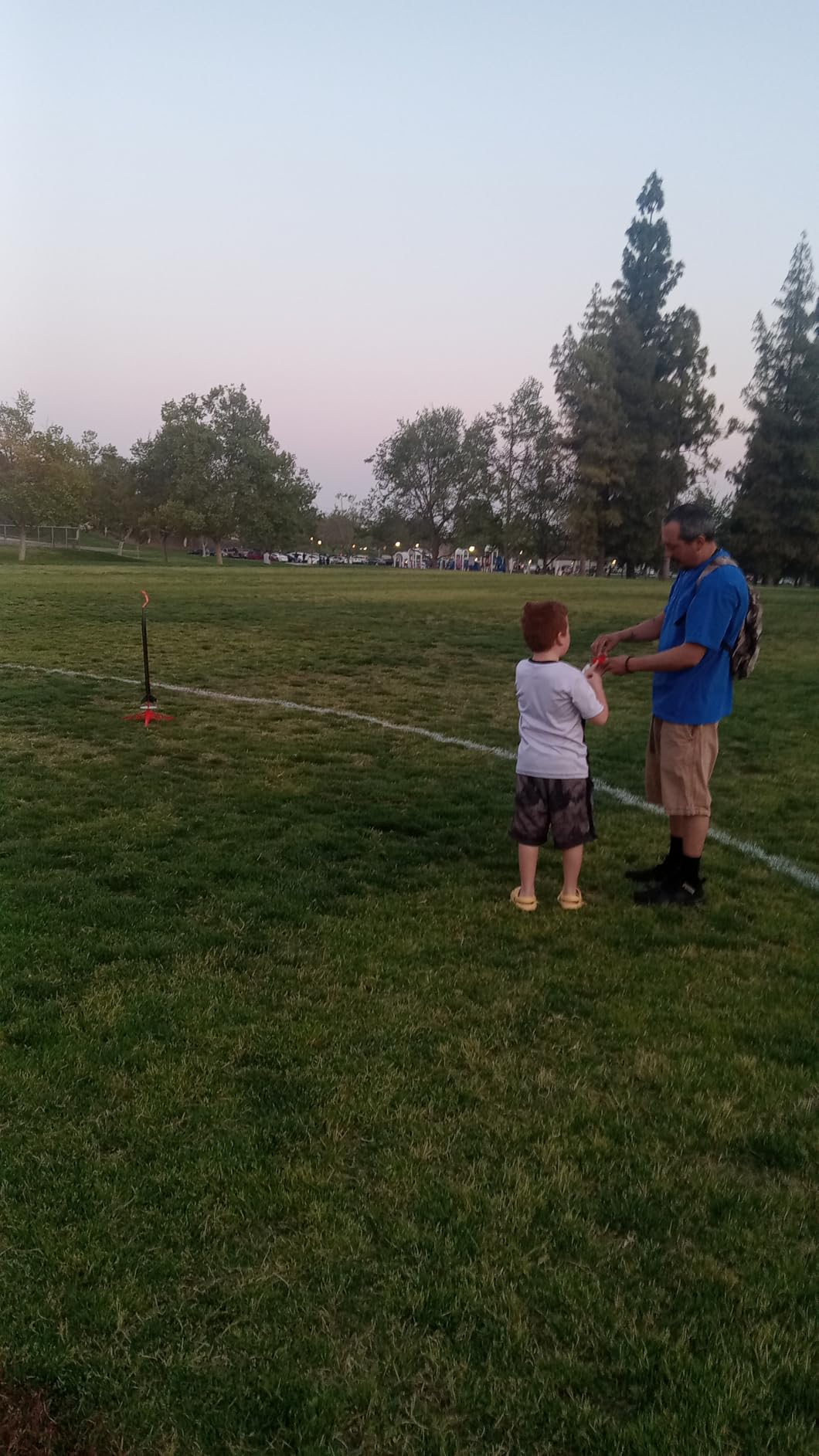
This is the kit where a child stops playing at rockets and starts doing rocketry. It builds as either the Amazon model at about 30 inches tall or the Crossfire ISX model at about 15.6 inches, giving a shorter first build and a higher-flying second option from one purchase.
That progression is the real value. Rather than buying a second kit when the first gets easy, a child moves to the faster, higher-flying rocket already sitting in the box.
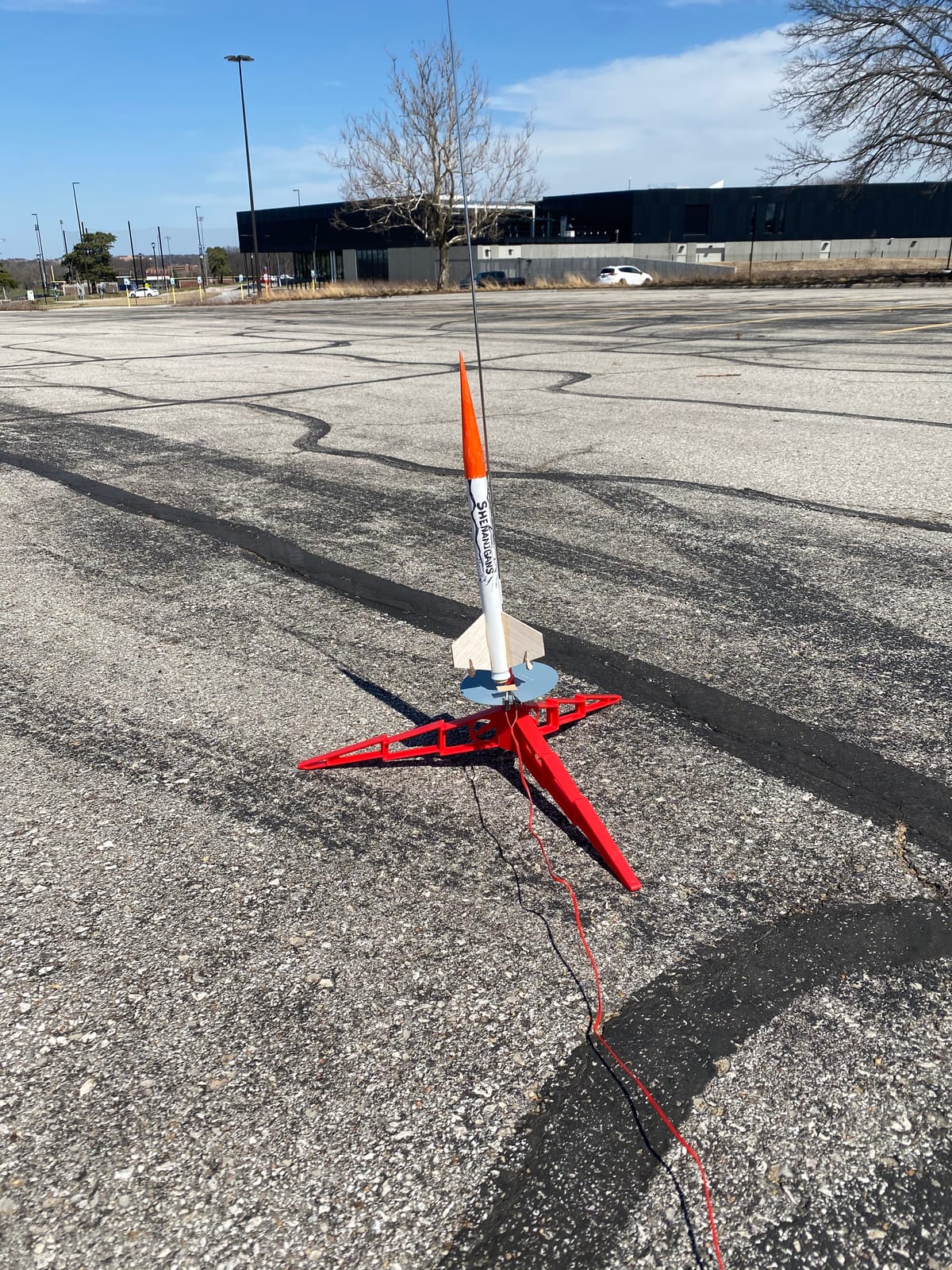
The launch hardware is genuine. You get a Porta-Pad II launch pad and an Electron Beam launch controller, which is the same basic setup clubs and schools use, rather than a plastic stand. The controller requires four AA alkaline batteries and uses a safety key with a countdown before firing.
Altitude is where the difference becomes obvious. The Amazon model projects to about 600 feet with a C6-5 engine, and the Crossfire ISX to roughly 1,150 feet with a C6-7. Neither number is close to a foam rocket.
The part that surprises parents is the build. It takes far longer than a toy launcher and involves gluing fins to a body tube, which is the step that regularly defeats small hands. A fin alignment guide solves it.
Who this suits
A child aged ten or older who has outgrown foam launchers and wants the genuine article. It is also the most economical path into model rocketry, since the pad and controller are the expensive parts and both are included here.
For a scout troop or classroom running several kids through the same project, having two build options means you can pair a beginner with a more confident flyer using identical hardware.
Who it does not suit
It is a 10 and up product and needs a genuinely open launch field clear of trees, power lines and dry grass. A suburban backyard is not a launch site.
Engines, igniters and recovery wadding are not in the box. Plan the extra purchases before the first launch or you will have built a beautiful rocket with nothing to fly it on.
6. Estes Taser Launch Set – the fastest build to a real launch
Estes 1491 Taser Rocket Launch Set, Beginner Flying-Rocket-Model Building Kit for Ages 10+, Includes Launch Pad System
Ages 10+
About 10 minutes to build
Up to 1,100 ft with a C6-7
Pad and controller included
Pros
- Real launch experience with big projected altitude
- High-visibility parachute for easy recovery
- Precolored tube and molded fins mean a fast build
- Pad and electronic controller both included
- One-year defect warranty
Cons
- Engines
- igniters and wadding sold separately
- Controller needs four AA batteries
- Ages 10 and up with an open field needed
- Not for small children or indoor use
Where the Tandem-X is a two-rocket project, this is a single rocket that goes together fast. The body tube arrives precolored and the fins are molded rather than cut, which brings assembly to roughly ten minutes and keeps attention spans intact.
For a child who will not sit still for a ninety-minute build, that difference is everything. Ours went from open box to launch pad on a rainy Sunday afternoon.
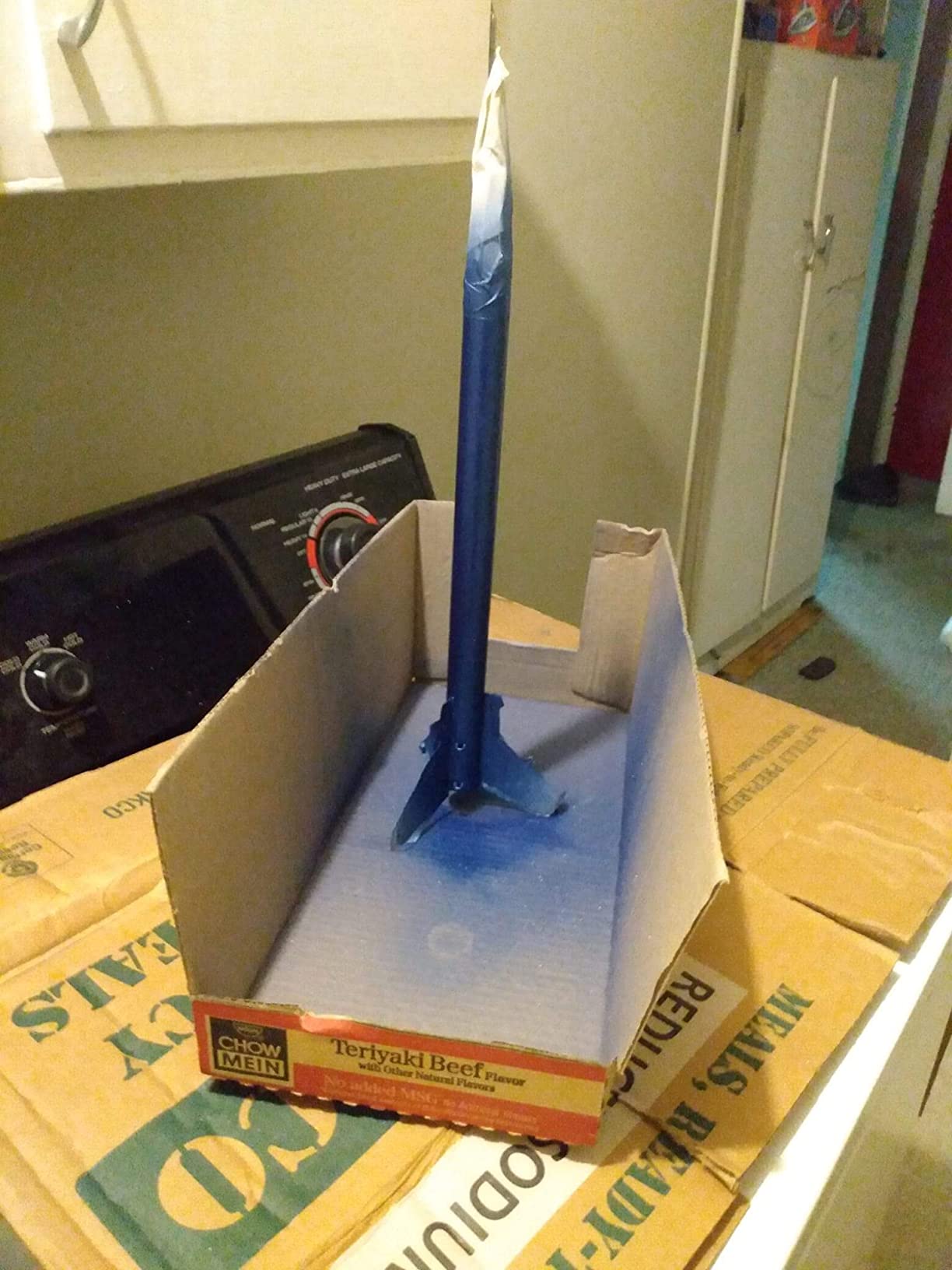
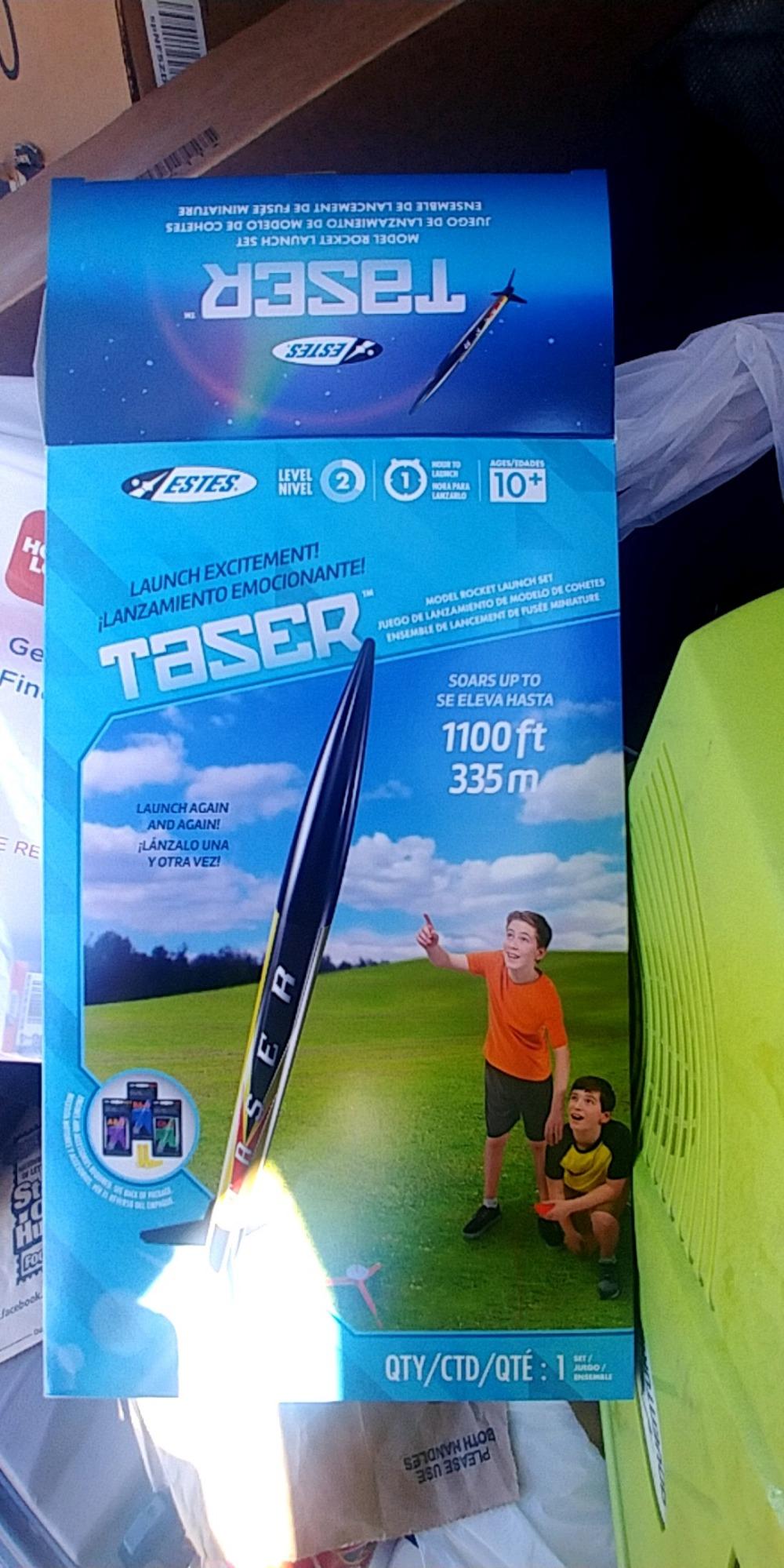
Do not mistake the quick build for a small rocket. It stands about 17 inches tall and reaches a projected altitude of up to 1,100 feet with a C6-7 engine, and it is compatible with A8-3, B4-4, B6-4, B6-6 and C6-5 engines, so you can start gentle and move up quickly.
The three-fin design carries a high-visibility recovery parachute, which matters more than it sounds. In tall grass, a bright chute is the difference between finding your rocket in a minute and searching for an hour.
Who this suits
A ten-year-old who wants real altitude without a long build, and a parent who wants a first flight this weekend. The E2X skill level makes it a legitimate entry point rather than a toy.
It is the better pick of the two Estes sets when you have one child and want them flying sooner. The Tandem-X is the better pick when you want a single purchase to carry a child further.
Who it does not suit
Anyone under ten, and anyone without a proper launch site. It is also an outdoor product with no indoor option at any age.
Same consumable warning as the Tandem-X. Engines, igniters and wadding are all extra, and the controller needs four AA batteries before the first launch.
7. AquaPod – the classroom water launcher
AquaPod Original Rocket Bottle Launcher Kit
Launches 2-liter bottles up to 100 feet
ABS plastic
1.2 lb
Bottle and bicycle pump not included
Manufacturer age 14 and up
Pros
- Reuses ordinary soda bottles so running cost is near zero
- Durable one-piece design with a safety valve
- Proven for classroom demonstrations
- Works with a bike pump or small compressor
- Ground stake keeps it aimed and stable
Cons
- Pull-string clip breaks after many launches
- Small O-rings are easy to lose
- Plastic frame can crack with heavy use
- Pump and bottle not included
- Manufacturer lists it for ages 14 and up
This one is not really a kids toy, despite the marketing. It is a pressure vessel that launches a standard two-liter soda bottle about 100 feet, and parents and teachers have run hundreds of launches through it in real classrooms.
What makes it compelling is the running cost. Water is the fuel and the bottle comes from the recycling bin, so a term of daily demonstrations costs almost nothing. The foam launchers compete with it on drama, and this wins on physics demonstration.
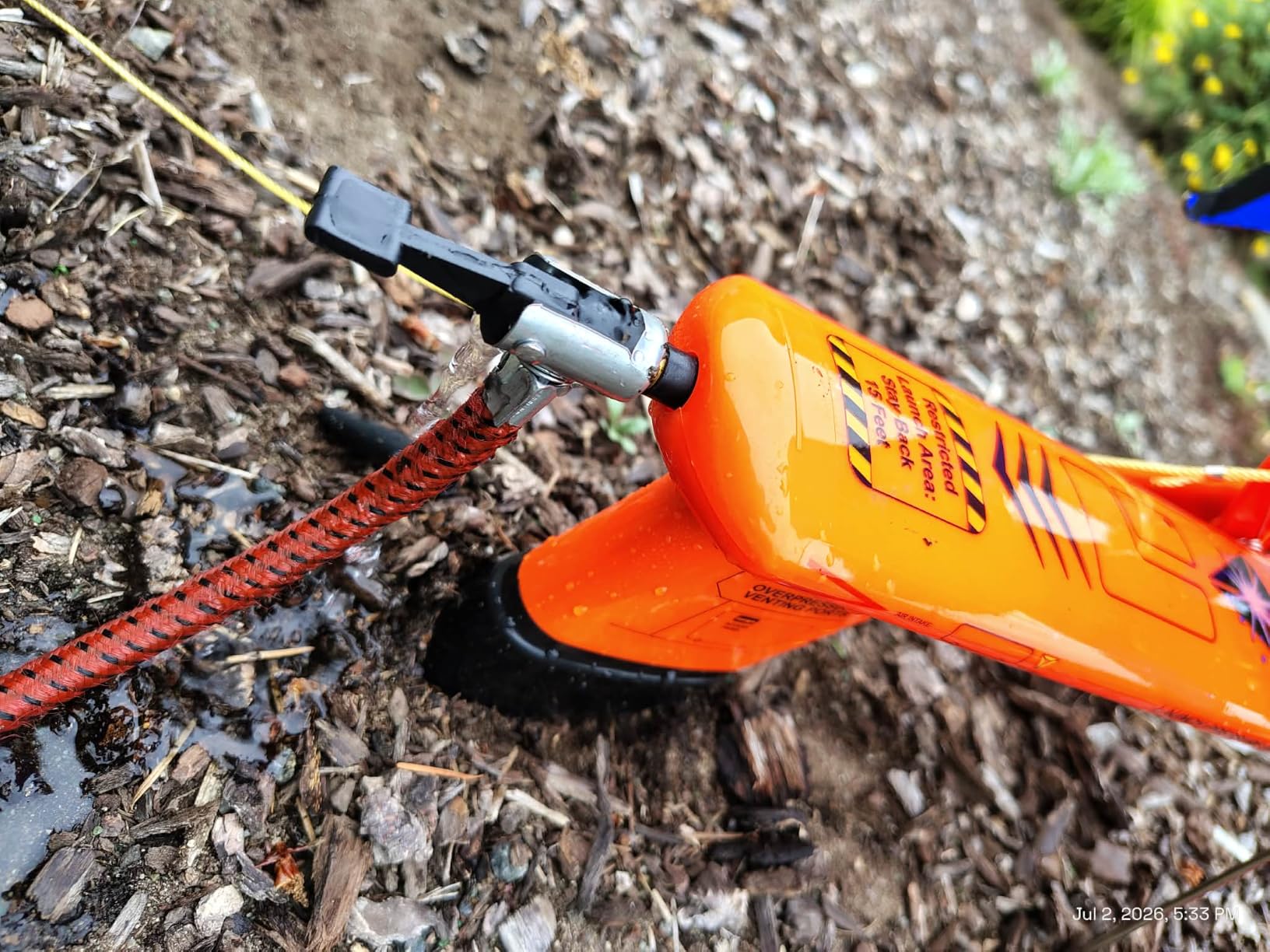
The built-in pressure release valve is the safety feature that matters. It vents automatically rather than letting a child over-pressurise a sealed container, and a ground stake keeps the launcher aimed so the bottle does not wobble loose mid-launch.
There is one catch worth stating plainly. The bottle and the pump are not included, so you need a two-liter plastic bottle and a bicycle pump in hand before the first launch.

Who this suits
A teacher running a physics unit, a science fair project, or an older child with an adult supervising who wants to demonstrate pressure and volume relationships. For those uses it is the most capable option here.
It is portable and sets up in seconds, and it works with a small air compressor as well as a bicycle pump if your household has one.
Who it does not suit
Young children. The manufacturer lists it for ages 14 and up, and while the valve makes it far safer than improvised bottle rockets, a pressurized plastic vessel deserves an adult’s involvement.
Watch the consumable parts. The small black O-rings and the pull-string clip both fail eventually, and without the O-rings the system will not hold pressure at all, so replace them before the day rather than during it.
8. Rceico Rechargeable Rocket – 170 feet with no stomp required
Rceico Rocket Launcher, 170 Feet of Flight Altitude, Model Rocket Kits with Launch Set, Ultra-high Flying Rocket, Rocket Toy, Kids Outdoor Toys, Gift for Kids Ages 8-12 Children’s Day Gift
Up to 170 ft flight altitude
EEP foam shell
Rechargeable, USB charging
3-second delayed launch
LED lights and auto parachute
Pros
- Delivers on its altitude claim without solid-fuel engines
- Automatic parachute slows descent
- About 25 launches per charge
- LEDs allow night launches
- Three-second delay for a safe step-back
Cons
- Very light foam drifts badly in wind
- Parachute shroud strings detach easily
- Parachute does not always fully open
- Lightweight build is easily lost outdoors
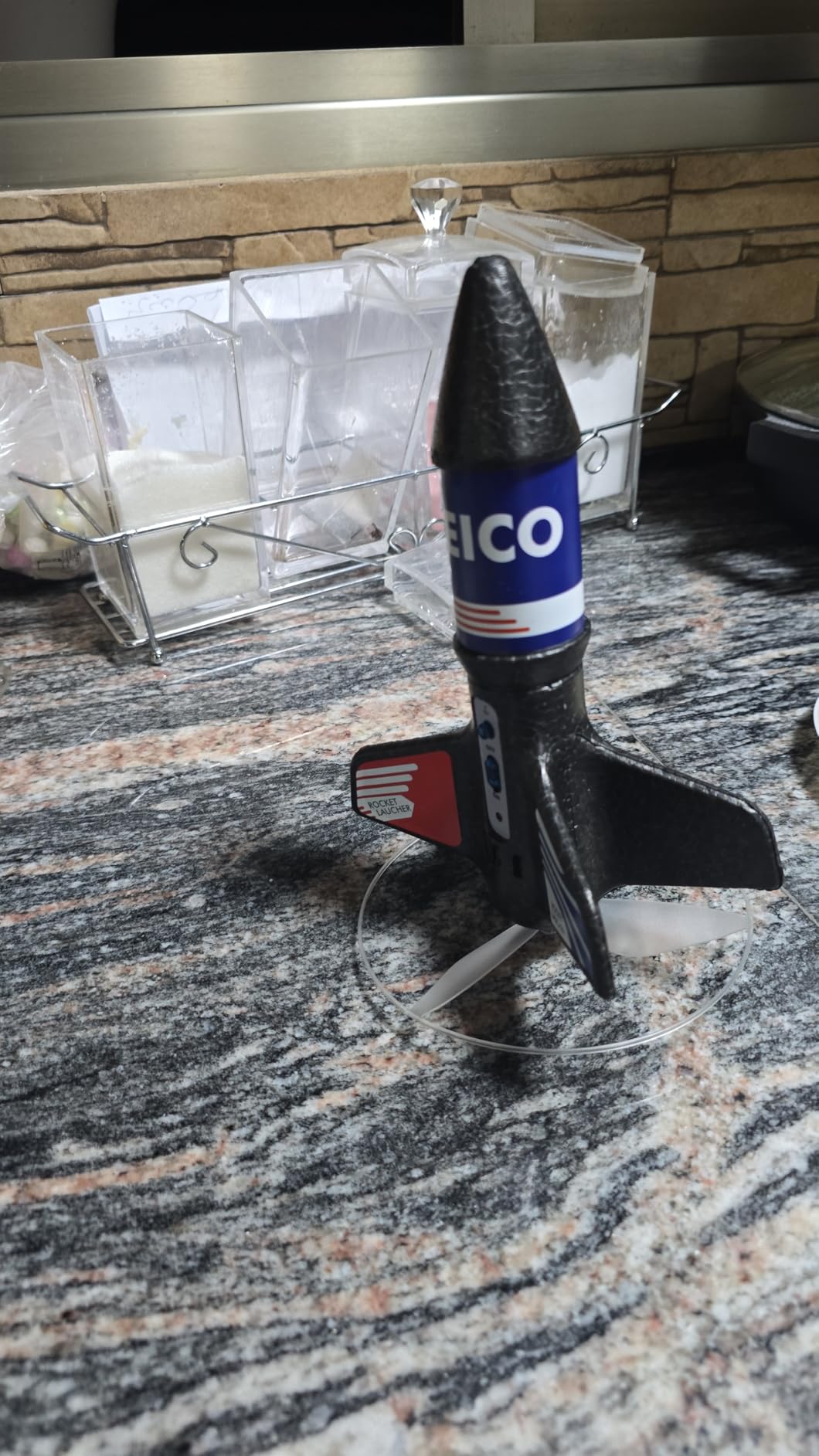
This is the interesting middle ground between a foam stomp rocket and a real motor. It uses a built-in rechargeable battery, so there is no stomping and no solid-fuel engine, but it still climbs to a listed maximum of 170 feet and deploys a parachute at the top.
Charging takes about 35 minutes over USB and a full charge gives roughly 25 launches, which worked out to a lot of flying time per charge in our testing. The two-year warranty is also longer than most in this category.
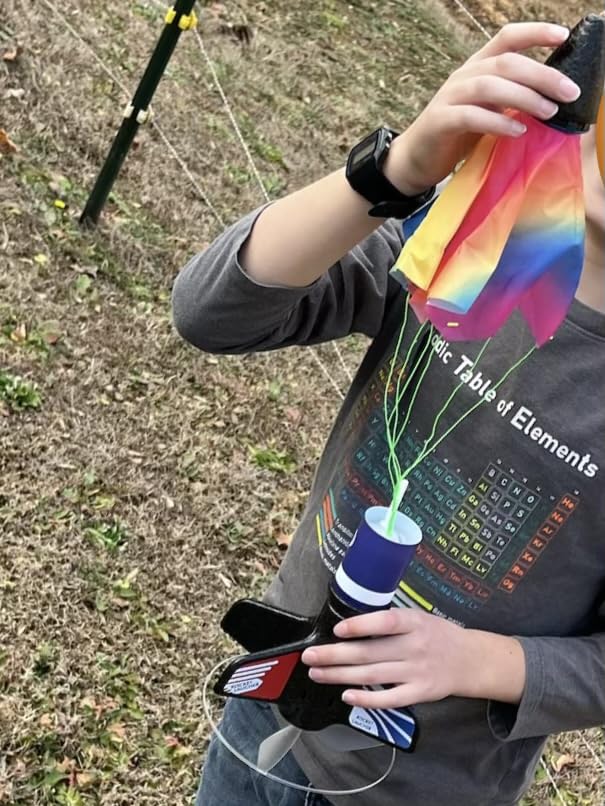
The safety design here is the best of the electric group. A three-second delayed launch gives everyone time to step back before the rocket goes, which removes the closest thing to an injury risk in a hand-powered launch. The LED lights also make it trackable after dark.
Owners generally find the altitude claim honest, which is more than can be said for some competing foam launchers. The EEP foam shell also survived repeated crashes in our testing in a way that lighter foam did not.
Who this suits
A child aged eight to twelve who wants a genuine high flight and a night capability but is not ready for a model rocket engine and an open field. It is a sensible step between a stomp rocket and the Estes sets.
It is also a good travel toy, since it is compact, weighs little and needs only a USB cable to keep flying.
Who it does not suit
Anyone in a windy location. The very light foam body is the most wind-sensitive item we tested, and recovery into a tree is the most common owner complaint. Wait for a calm evening.
The parachute rigging is the other weak point. Shroud strings detach and take time to reattach, and a parachute that does not fully open means a hard landing on the foam nose.
9. Mafbeanl Motorized Rocket – two height modes, zero kicking
Mafbeanl Rocket Launcher for Kids, Self Launching Motorized Air Rocket Toy
Single press to 100 ft, double press to 200 ft
EPP foam with parachute
Lithium battery, 25-40 launches
Manufacturer age 7-14
50 g
Pros
- Self-launching with no stomping and no engines
- Two height settings for short or high flights
- Parachute ejects at maximum altitude
- 25 to 40 launches per 40-minute charge
- LED lights for night use
Cons
- Light foam body drifts in wind
- EPP foam can be damaged on hard landings
- Some arrived with charging or launch faults
- Not suitable for indoor use
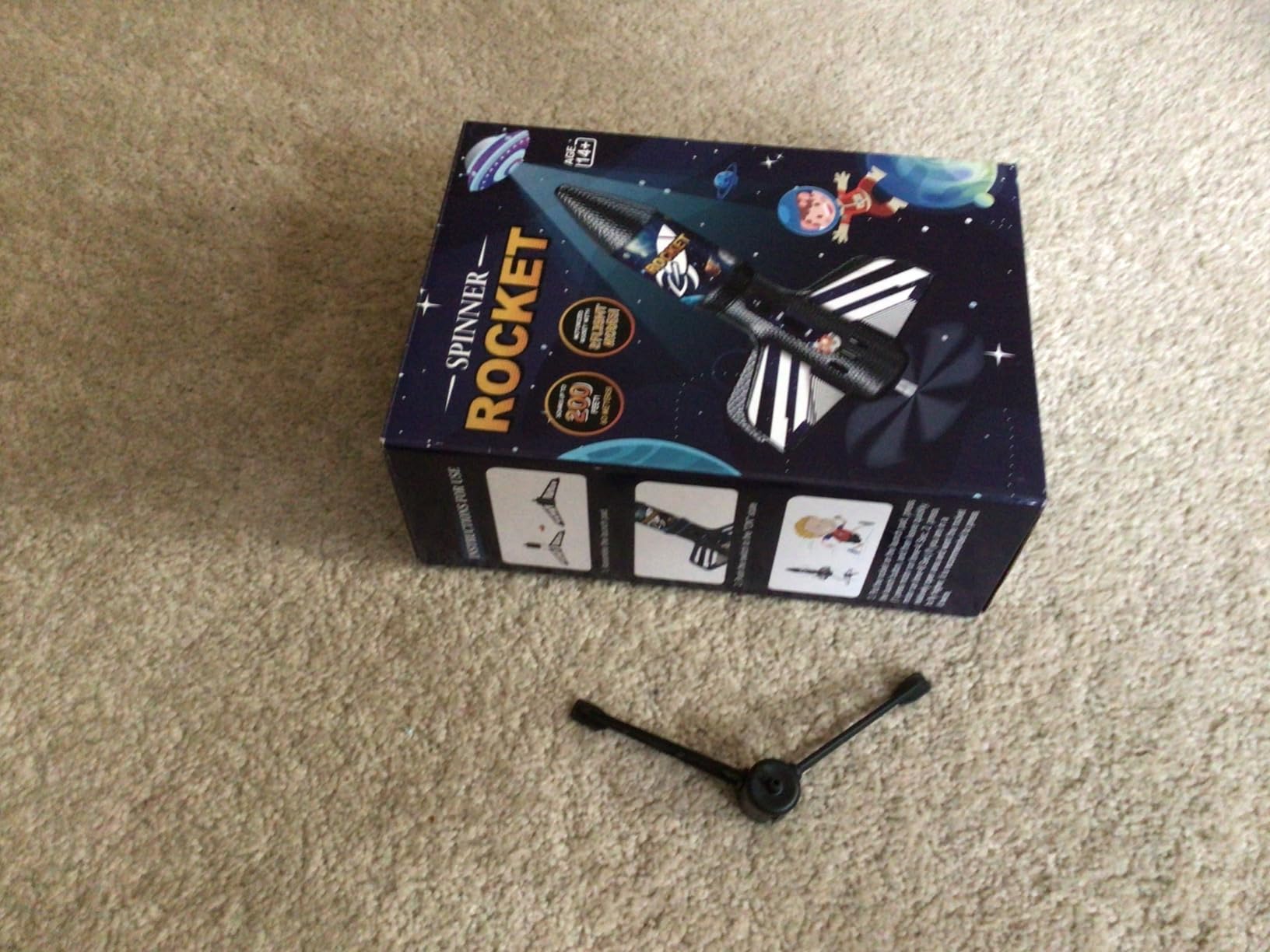
This solves a specific problem: a child who will not or cannot stomp hard enough to get a satisfying flight. Press the button once for a short flight to about 100 feet, press twice for a high flight to about 200 feet, and the rocket climbs on its own.
At 50 grams it is one of the most portable options we carried, and the lithium polymer battery recharges in about 40 minutes with roughly 25 to 40 launches per charge depending on which mode you use.

The dual height mode is better thought of as two different experiments than one better setting. A short flight is easy to recover and useful for indoor-adjacent practice in a huge field. A high flight is the dramatic one, and the parachute ejects at the top for a slow descent.
The rating of 4.6 across roughly 1,500 reviews reflects that the design simply works. Owners like that there is no engine, no fuel and no physical effort involved in launching.
Who this suits
A child aged seven to fourteen, or an adult who wants to launch without bending down twenty times. It is also a good pick for a child with limited stamina or mobility who can enjoy the same high flight their friends get.
LED lights on the fuselage make it a decent dark-weather option, and the small size packs down well for a family trip.
Who it does not suit
It is not for indoors, despite the compact size, and it is not for anywhere windy. The foam body is light enough that a gust will carry it into a hedge.
Check the charging cable and the battery on arrival. A small number of owners report launch or charging faults out of the box, and that is annoying to discover on the first trip to the field.
10. Smartivity DIY Rocket Launcher – the indoor-safe STEM build
Smartivity DIY Rocket Launcher STEM Kit for Kids 6-12 Years
Ages 6-12, manufacturer 5-14
MDF wooden parts
Launches up to 10 feet
No batteries needed
Soft foam tip for indoor use
Pros
- The only launcher here that is genuinely safe indoors
- Kids build both rocket and launcher themselves
- Clearest illustrated instructions in the group
- No batteries or electricity required
- Teaches Newton's Third Law and aerodynamics
Cons
- Launch height falls well short of the 10 foot claim
- Many small parts that get lost
- Tends to be a one-time activity
- Harder for the youngest end of the age range
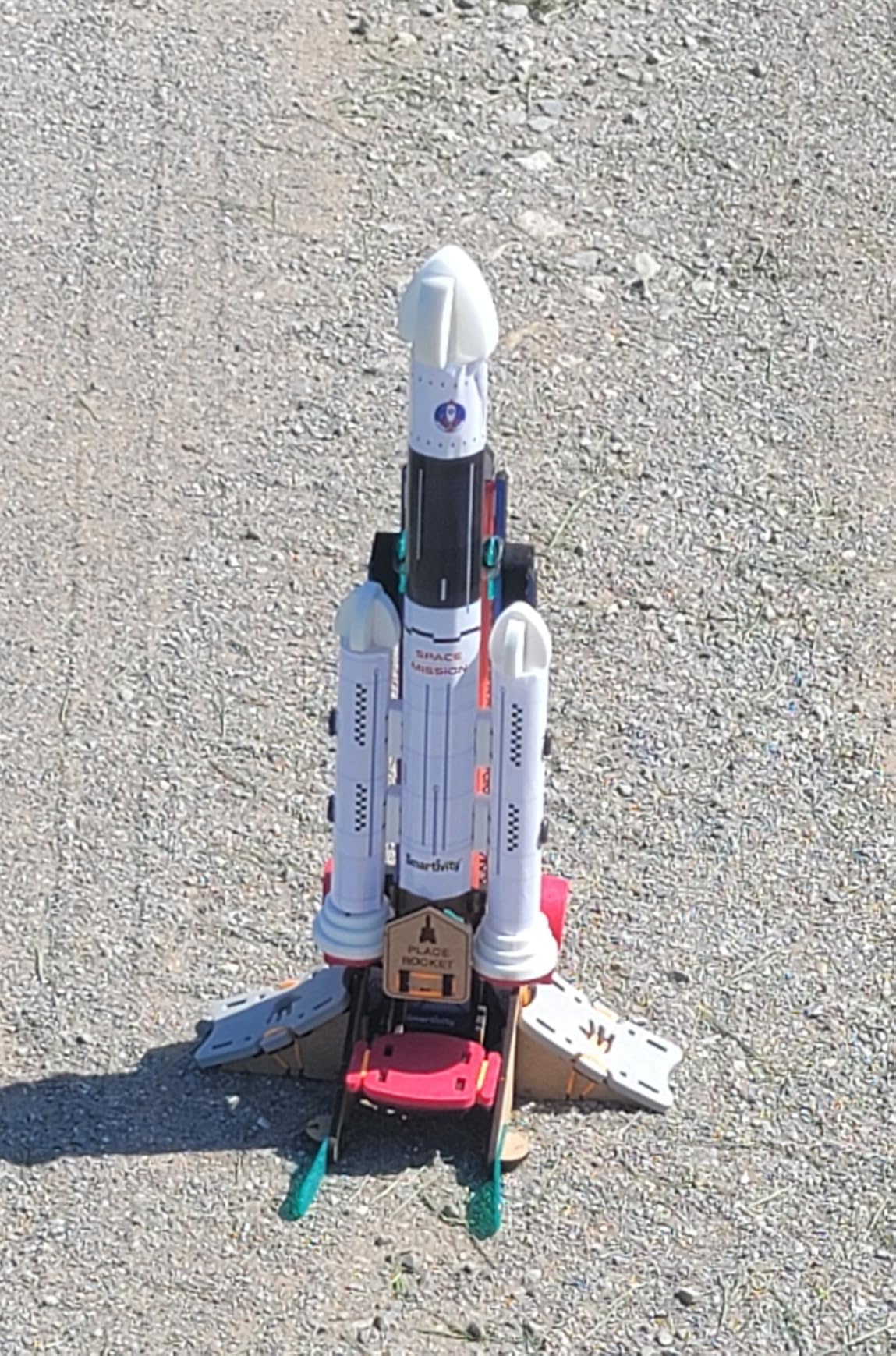
This is the pick when the weather is bad, the living room is the only available space, or the goal is the build rather than the flight. The rocket and launcher are made from precision-cut wooden parts your child assembles, and the soft foam tip is what makes indoor launching possible at all.
It was also the clearest instruction set of anything we tested. Our six-year-old completed it independently, which is a real test of whether a kit matches a child’s ability rather than a parent’s patience.
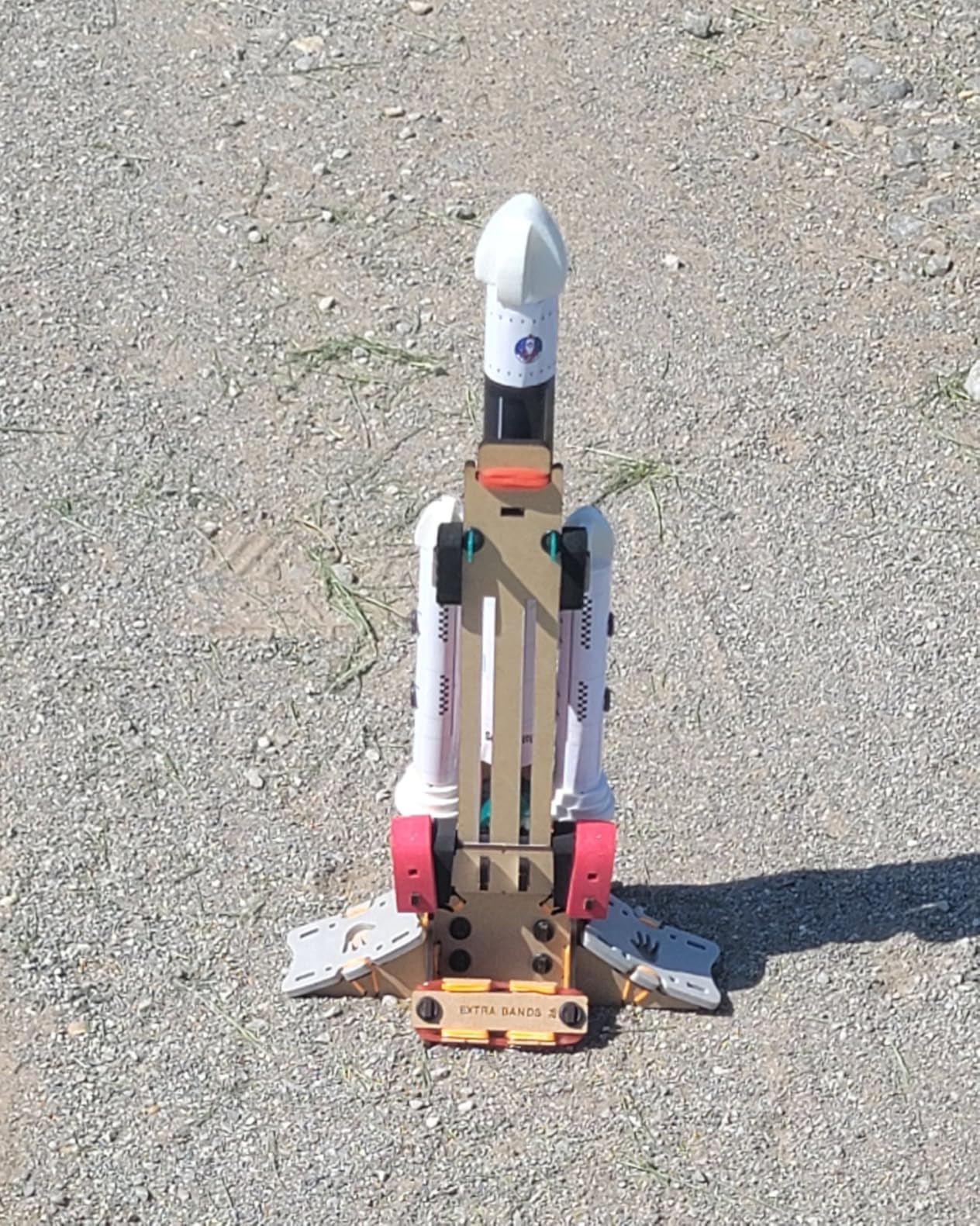
Mechanically it needs nothing. No batteries, no electricity, just a red launch button that compresses air and releases it through a spring. Because there is no power source, it works anywhere, including a classroom with no outlet nearby.
Repetition is the point. Reloading and relaunching with different amounts of air is a clean demonstration of Newton’s Third Law, and the included booklet gives a child something to predict before each launch.
Who this suits
A child aged six to nine who wants a real construction project with a payoff. It is our indoor recommendation, and it works well as a birthday present when a launch party cannot be guaranteed.
For a school setting it is the easiest to store and to run repeatedly, since nothing wears out and there is nothing to refill.
Who it does not suit
Anyone expecting a high flight. Owners report an actual height closer to three or four feet rather than the advertised ten, which matters if the appeal was watching something go up.
The many small wooden parts are a genuine issue for younger children who lose them and cannot reassemble the launcher, and reviews describe it as something that gets played with a few times and then shelved rather than a long-term outdoor habit.
11. 4M Science in Action Water Rocket – a bottle and a bike pump
4M Science in Action Water Rocket – Bottle Rocket Launcher Kit for Kids
Fits standard plastic bottles
Soars up to 98 feet
Plastic bottle body and 4 fins
No pump included
Manufacturer age 14 and up
Pros
- Fin kit fits standard bottle openings
- Quick assembly most kids manage alone
- Water is the only fuel so launches are free
- Demonstrates pressure and Newton's Third Law
- Compact for camping and travel
Cons
- No air pump included
- Very little actually included in the box
- Some fail to build pressure properly
- Seasonal toy rather than year-round
This is the most stripped-down option here and the simplest way into water rocketry. You get a plastic bottle body, four fins with one spare, a fin support, a bung with a connector, adapters for both Presta and Schrader valves, and an extension pipe.
That list sounds thin because it is. The rocket launches a standard plastic bottle to about 98 feet using only water pressure, and the fit works with common pop and water bottles, so recycled containers are fine.
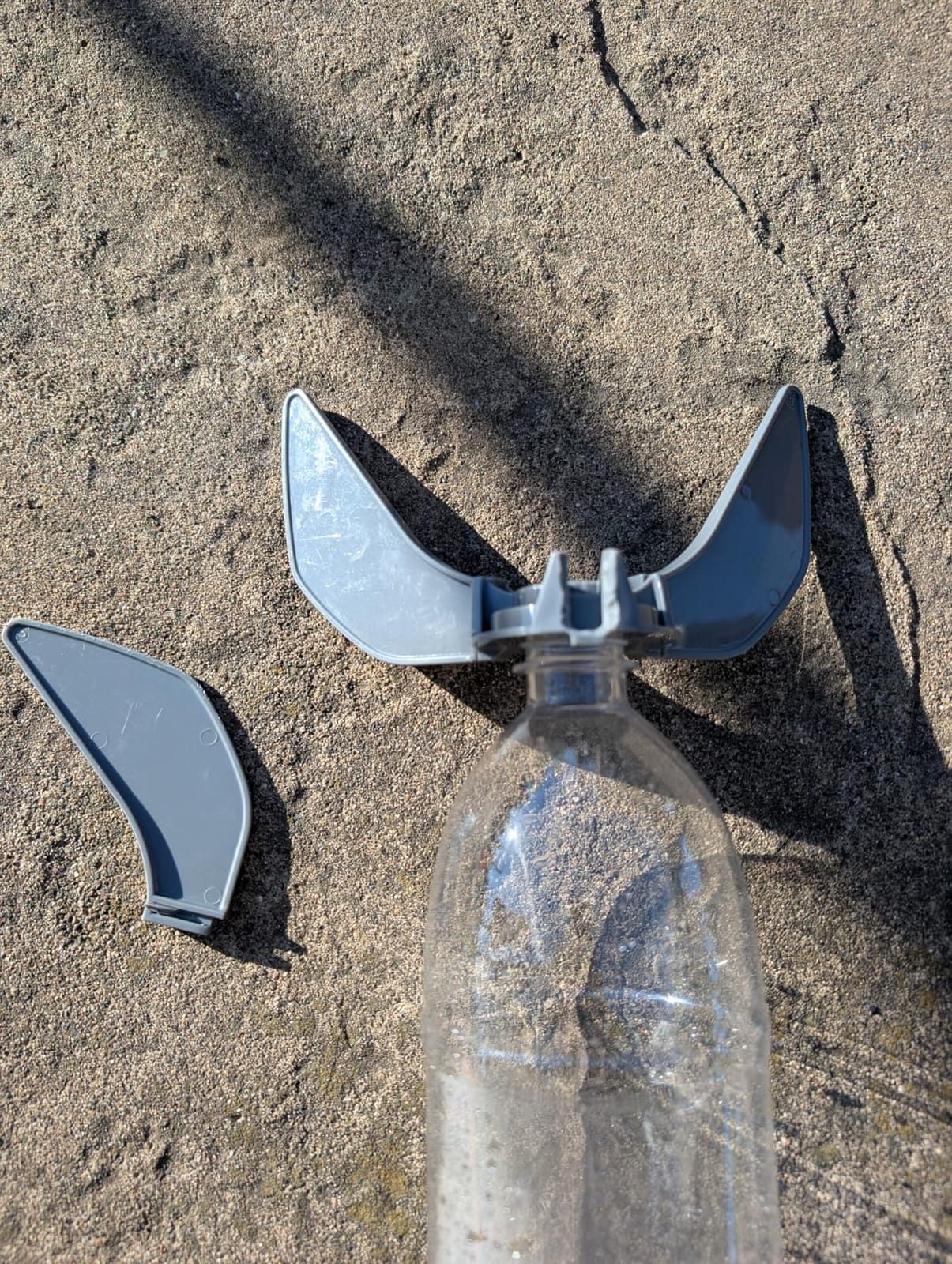
What it does well is teach. Filling to different levels and watching the flight change is a direct demonstration of kinetic energy and air pressure, and because the fuel is water, a child can launch all day without any ongoing cost.
Assembly is the easiest of any kit in this roundup. Our child managed it without help, and the whole build fits comfortably inside a single sitting.
Who this suits
A family that already has a bicycle pump and a zip tie, and wants a low-commitment science activity rather than a long-term hobby. It is also the most compact option for camping or a beach trip.
For a school demonstration where you need many cheap units at once, the simplicity and low replacement cost are genuine advantages.
Who it does not suit
Do not count on the box contents matching expectations. Reviews frequently note that very little is included, so treat the adapters and connector as the parts that make it work rather than extras.
No pump is included and a zip tie is required to hold pressure, so it is not ready to use out of the box. The manufacturer also lists it for ages 14 and up, and a few owners report launchers that never build pressure properly.
12. PLAYSTEM Water Rocket Set – the most complete water kit
PLAYSTEM Outdoor Water Powered Rocket Physics Learning Set-with Tail, Body and Pump DIY Rocket Science Experiment Kit- Space STEM Outdoor Toys Gift for Kids,Teens, Boys & Girls
Rocket body, tail, launcher and pump included
Launches up to 100 feet
Safety valve
Step-by-step science booklet
Manufacturer age 0-10
Pros
- Most complete kit here with pump included
- Reaches 100 feet and often higher
- Lightweight launch pad handles repeated landings
- Unlimited launches with water fuel
- A six-year-old can operate it once built
Cons
- Launch base needs three water bottles as anchors
- Base O-ring can fall out and break the seal
- Nose cone detaches on landing and is flimsy
- No parachute so descent is fast
- Tail fins are not sturdy
Where the 4M kit leaves you hunting for a pump, this one includes the rocket body, tail, launcher and pump in a single box. That completeness is why it is the water rocket I would hand to a parent with one order to place.
Flight performance is the other strength. It launches to about 100 feet and reviewers report higher in good conditions, which puts it at the top of the water rocket category we tested.
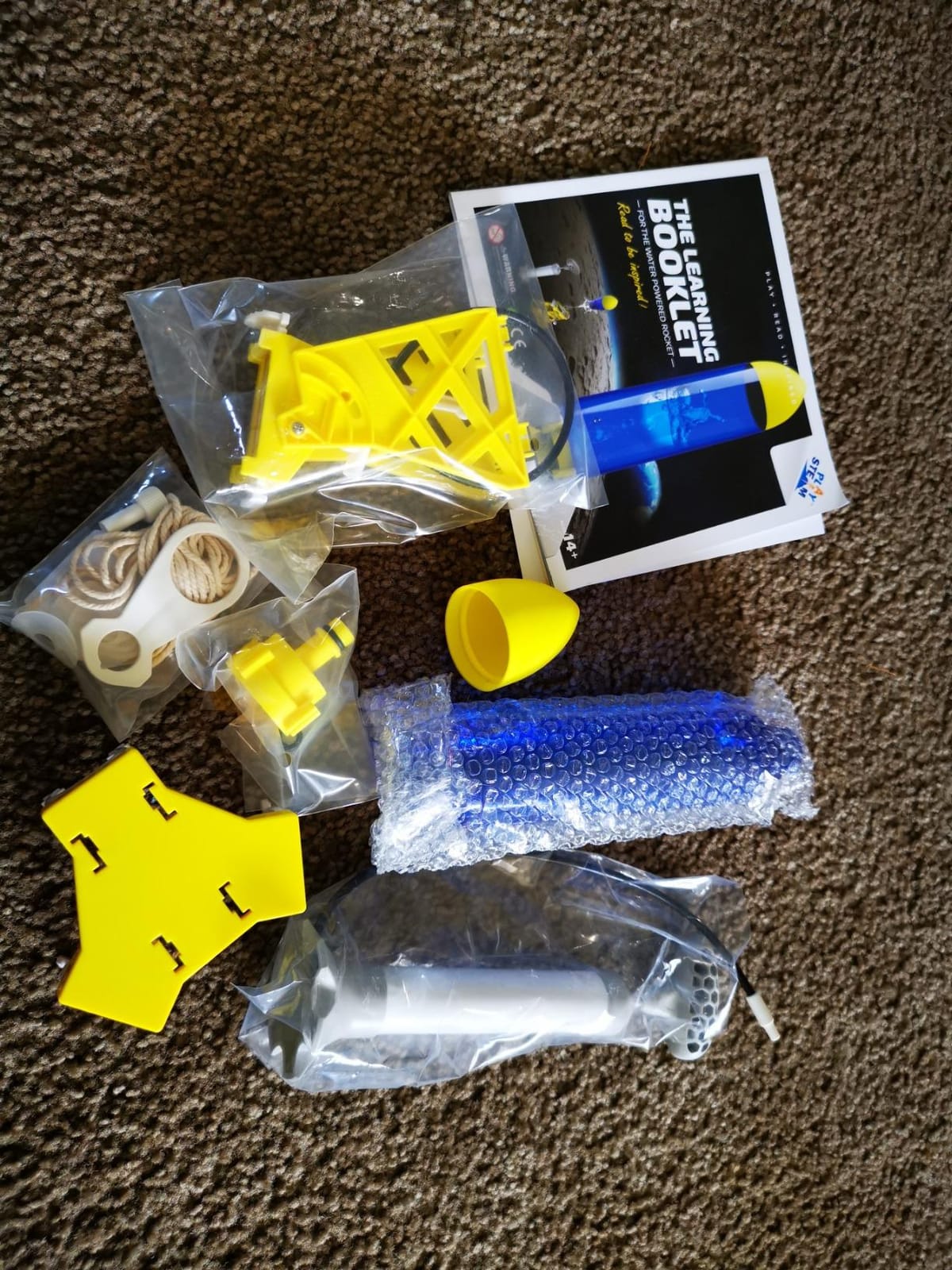
A built-in safety valve releases excess pressure automatically, which is the detail that makes a child-operated launcher workable. The booklet also makes the physics explicit, which turns a water rocket into an actual lesson rather than a wet afternoon.
Once built, a six-year-old can operate it independently, and because the fuel is water you can keep launching indefinitely with no further purchases.
Who this suits
A child aged six to ten, or any family that wants a single self-contained water rocket rather than a kit plus accessories. It is the easiest of the water rockets to give as a gift because nothing else is needed to use it.
It also works as a recurring activity, since a bottle of water is all the refuelling there is, and it packs small for holidays.
Who it does not suit
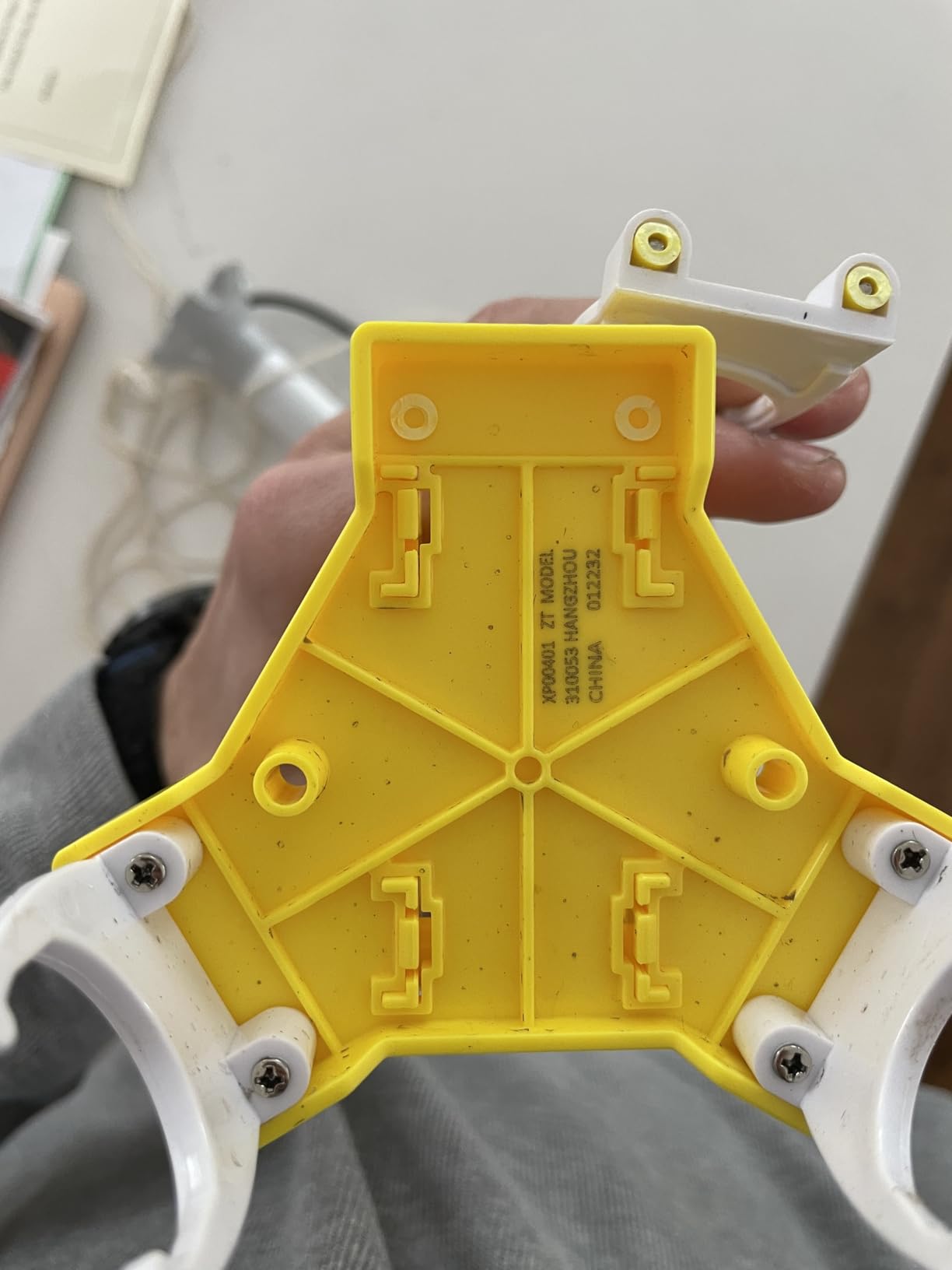
The launch base is the frustrating part. It anchors using three water bottles, which makes it awkward to aim and has to be re-attached after every launch. Expect a minute of setup each time.
There is no parachute, so the rocket descends fast and can crack on hard surfaces, and the nose cone repeatedly detaches on landing. The base O-ring also falls out easily and breaks the seal when it does.
How to choose a rocket launch kit for kids
Start with age, because the gap between a three-year-old and a six-year-old is larger here than in almost any toy category. Under five, a stomp or foam launcher is the only sensible category. Between six and nine you have air, water, electric and DIY options. At ten and above, true model rocket launch sets open up.
Second, decide indoor or outdoor. Only the Smartivity DIY launcher in this group has a soft foam tip designed for indoor use. Everything else needs open sky, and the foam and electric launchers need a great deal of it because of wind drift.
Third, ask what your child actually wants. A child who wants to build needs a kit with parts. A child who wants to launch repeatedly needs a stomp or electric launcher. Buying a complicated kit for a child who only wants to press a button is a common and expensive mistake.
Finally, think about what you will be doing for the next six months. Foam, air and electric kits need occasional replacement parts. Model rocket sets need engines, igniters and wadding on every single launch, forever. That ongoing commitment is the part most parents underestimate.
Planning a whole summer of outdoors? Our picks for kids beds and kids desks cover the rest of the gear, and a kids wagon makes carrying launch equipment to a field far less of an argument.
Rocket engines, impulse classes and what the box does not include
Here is the fact that catches out almost every first-time buyer. On the Estes Tandem-X and Taser sets, the rocket engines, igniters and recovery wadding are not included. The box contains the rockets, the pad and the controller. You buy the flight consumables separately.
Engine codes look intimidating but decode simply. The letter is the impulse class, which is roughly how much energy the motor produces. A is the mildest and is safe close to people, B is a step up, and C is a proper high-altitude motor. The first number is average thrust, and the last number is the delay in seconds before the recovery device deploys.
So A8-3 is a gentle motor with a three-second delay, which suits a low and slow flight. B6-4 is a mid-range motor with a four-second delay. C6-5 fires harder and holds up longer before deploying, which is what you want for altitude.
On the Taser, the compatible engines are A8-3, B4-4, B6-4, B6-6 and C6-5. Start low with an A8-3 and work up once your child is confident with the countdown and safety procedure.
Plan the ongoing cost too. Every flight of a model rocket consumes an engine, an igniter and a small amount of wadding. A rocket is reusable, but the consumables repeat each time. Foam, air, water and electric kits have no such running cost, which is a real advantage for frequent family launching.
Safety and local rules for launching with kids
Every kit in this roundup is an outdoor product, and only one is designed for indoor use. Assume you need an open field, and check what is above and behind the launch direction before you inflate anything.
Check the local rules before your first flight. Depending on where you live, launching a model rocket may require notifying your fire marshal, and the launch altitude and motor class allowed can be limited. When in doubt, a local rocketry club is the fastest route to the current answer for your area.
Follow the safety code the kit was designed to. The Estes sets here use a launch controller with a safety key, a countdown, and a clear launch line, and those steps are not there for show. Practise the sequence on the ground before you fly.
Adult supervision is not optional for the 10 and up model rocket kits, and it is sensible well beyond that. Wind drift, recovery and standing near a launch pad are all reasons to have an adult present.
On recovery, plan for the rocket ending up somewhere inconvenient. Rockets land in trees, in hedges and occasionally near roads. A bright parachute helps, and choosing a launch site with a long, clear landing path behind it is the single most effective safety measure a parent can take.
For the foam and electric launchers, add distance from windows, cars and overhead lines. The rockets are soft, but a foam tip hitting a car window still means a very unhappy conversation.
Frequently Asked Questions
What is the best model rocket kit for kids?
The Estes Tandem-X Launch Set is the strongest all-round first model rocket kit. It includes two rockets at different skill levels, a Porta-Pad II launch pad and an Electron Beam launch controller, so a child can start simple and progress without a second purchase. Engines, igniters and recovery wadding are sold separately.
What age is appropriate for model rockets?
True model rocket launch sets such as the Estes Tandem-X and Taser are marked for ages 10 and up because they use solid-fuel engines and can fly hundreds of feet. For children three to nine, a foam, air, water or electric launcher is the safer and more age-appropriate choice. The Smartivity DIY launcher covers ages five to 14 and is the only indoor-safe option in this roundup.
What is the best toy rocket launcher for kids?
For a child between three and five, the Stomp Rocket Jr Glow 4-Pack is the best starting point. It needs no batteries, no assembly and no consumables, and the glow-in-the-dark rockets keep play going after sunset. For a child who wants more flight, the Stomp Rocket Ultra launches higher, and the duelling version gives two children a launch pad each.
What is the best air rocket launcher for kids?
The National Geographic LED Air Rocket is the strongest air-powered launcher for most families. An extra-large foot pump means a child can launch it alone, the launch tube adjusts for different angles, and the LED rockets make evening launches genuinely memorable. Foam-tipped air rockets still drift, so use a wide open area.
Are rocket engines included with kids rocket kits?
On most beginner model rocket launch sets, including the Estes Tandem-X and Taser, the engine, igniter and recovery wadding are sold separately and the box contains the rockets, pad and controller. Codes like A8-3 or B6-4 describe the motor: the letter is the impulse class, the first number is average thrust and the last is the delay before recovery deploys.
Can I launch a model rocket from my own yard?
Only if your yard is genuinely open, with no trees, power lines, roads, dry grass or buildings in the launch and landing path. Most model rocket sets are designed for a launch field, and foam or electric launchers drift badly in even light wind. Check whether your local authority requires fire marshal notification, and consider a launch club for access to a proper field.
What are some easy DIY rockets for kids?
A water rocket made from a plastic bottle is the easiest genuine experiment, using only water pressure as fuel. The 4M Science in Action Water Rocket fits standard bottles, while the PLAYSTEM set includes a body, tail, launcher and pump so nothing else is needed. The Smartivity DIY launcher is another good option, since children build the rocket themselves from wooden parts.
Conclusion
After six weeks of building and launching, the pattern was clear. Match the kit to the age and stop there. A stomp or glow launcher for a three to five year old, an air, water or electric launcher for six to nine, and an Estes launch set for ten and above.
Our top pick overall is the Stomp Rocket Jr Glow 4-Pack, because it works immediately, costs nothing to run and kept our youngest playing for weeks. For a child ready for genuine rocketry, the Estes Tandem-X Launch Set is the one I would buy, with engines budgeted for separately.
Whichever you pick, buy the consumables before the first flight, find an open field, and let the countdown do its job. That is the best rocket launch kit for kids advice we can give.