
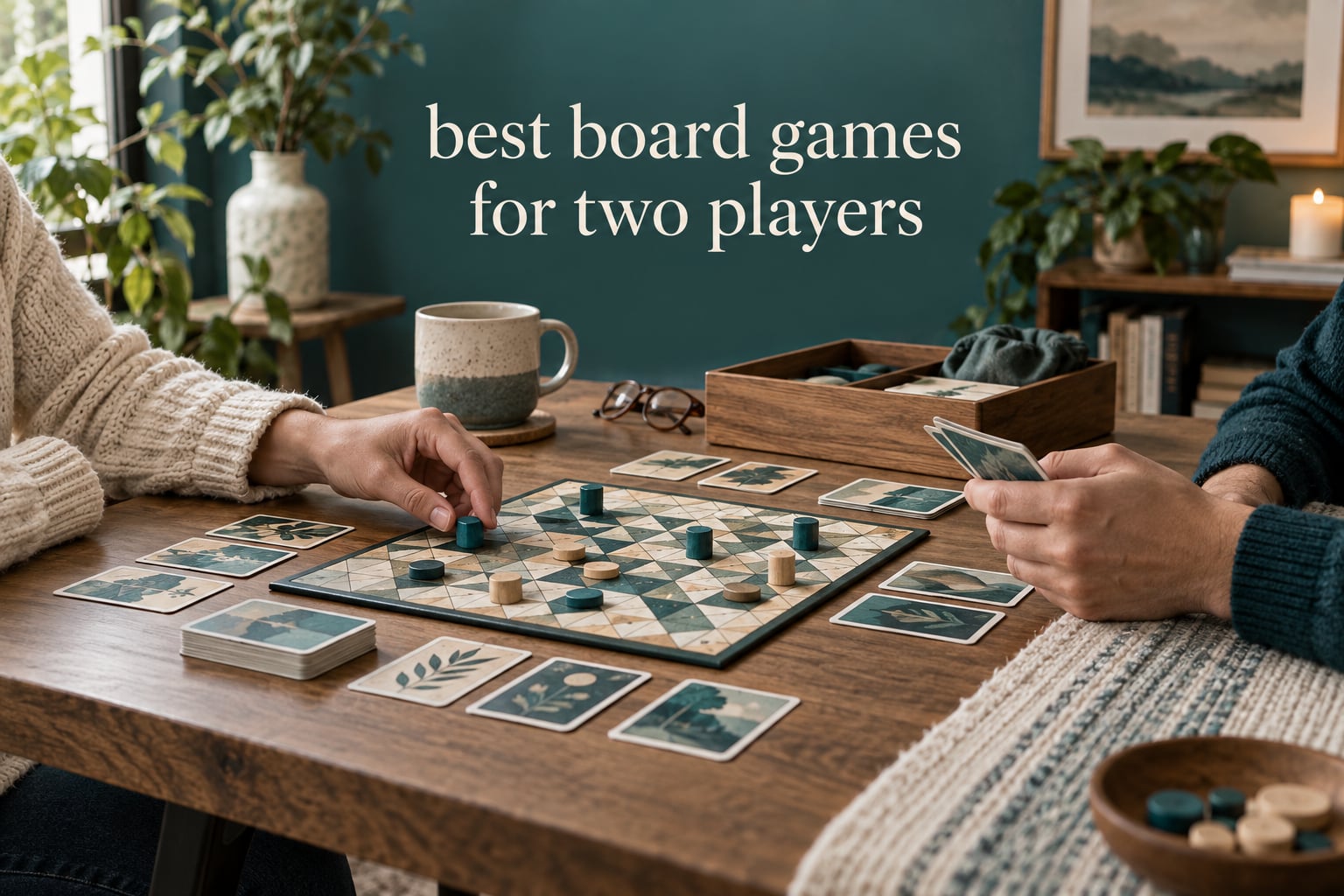
Two is the hardest number in board gaming. Every rulebook assumes at least three, a fourth player completes a set, and a fifth turns a game into a party. So couples, roommates, travel partners and parents playing after bedtime are constantly handed boxes that simply do not work for the situation in front of them.
After months of playing this category to exhaustion, these are the best board games for two players in 2026. For competitive duels, 7 Wonders Duel is the benchmark, backed by nearly 10k owner reviews and a 30 minute engine builder that never drags. Jaipur is the pick for anyone who wants something teachable in five minutes that still produces sharp tactical reversals. For playing together instead of against each other, Forbidden Island is the co-op that works at two, and Wavelength is the best date night game because the conversation is the whole point.
Two tests decide everything below. First, does the game keep both players in constant interaction, or does it quietly become two separate puzzles in one box? Second, is the outcome genuinely contested, or genuinely shared? A good two-player game fails both tests more often than shoppers expect, which is why a handful of very famous games are missing from this list entirely.
Our method was simple: play each of these repeatedly with a mix of experienced and first-time partners, then check the owner reviews for the pattern we felt. Ratings and review counts are copied straight from the listings so you can see how much of a crowd has agreed with us. Last updated for October 2026.
Top 3 Picks Best Board Games for Two Players (October 2026)

The three picks above cover the three most common two-player situations: a competitive evening at the table, a portable card game for anywhere, and a cooperative night where losing together is the point.
Best Board Games for Two Players at a Glance in 2026
Every game below is built for exactly two or plays well with two. Playtime is the box estimate, difficulty is my own weight on a 1 to 5 scale where 1 means a five minute teach, and type tells you whether you are playing together or against each other.
| Product | Specifications | Action |
|---|---|---|
| 7 Wonders Duel |
|
Check Latest Price |
 Othello Othello |
|
Check Latest Price |
 Jaipur Jaipur |
|
Check Latest Price |
 Onitama Onitama |
|
Check Latest Price |
 Splendor Duel Splendor Duel |
|
Check Latest Price |
 Connect 4 Connect 4 |
|
Check Latest Price |
 Stratego Stratego |
|
Check Latest Price |
 BOOP BOOP |
|
Check Latest Price |
 Rivals for Catan Rivals for Catan |
|
Check Latest Price |
 Couch Skeletons Couch Skeletons |
|
Check Latest Price |
 Mandala Mandala |
|
Check Latest Price |
 Fox in the Forest Fox in the Forest |
|
Check Latest Price |
 Patchwork Americana Patchwork Americana |
|
Check Latest Price |
 Forbidden Island Forbidden Island |
|
Check Latest Price |
 Wavelength Wavelength |
|
Check Latest Price |
One note on difficulty: match it to the less experienced player, not the more experienced one. A heavy game that only one person enjoys is the fastest way to end a game night for good.
1. 7 Wonders Duel – The Benchmark Two-Player Duel
Asmodee 7 Wonders Duel Board Game BASE GAME – Intense Two-Player Battles in the Ancient World, Strategy Game for Kids and Adults, Ages 10+, 2 Players, 30 Minute Playtime
2 players
30 minute playtime
Three ways to win
Ages 10 and up
Pros
- Engine building depth in about 30 minutes
- Three genuine victory paths
- Hidden card pyramid keeps setups fresh
- Loser is not psychologically demolished
- Well illustrated cards with clear symbols
Cons
- Rulebook is terse and assumes some familiarity
- Small Euro-size cards warp and shuffle awkwardly
- Science and military wins get rare once both players know it
This is the game I hand to anyone who asks for one recommendation. It is built for two and only two, and the design shows it: no waiting for a third player, no dead turns, no awkward openings where one person is clearly better.
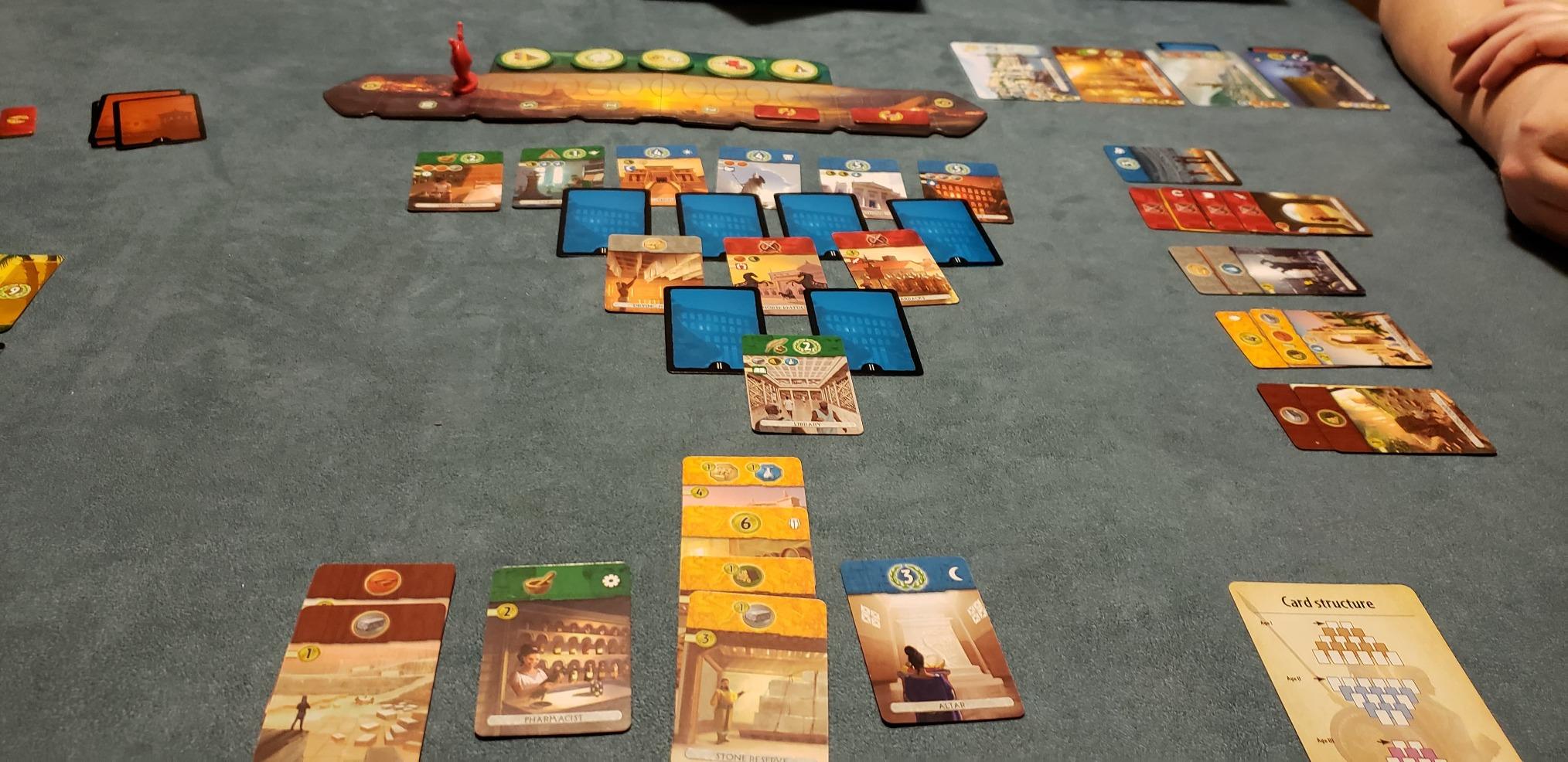
The structure is an engine builder laid across three ages. You take cards, place them into a wonder tableau, and watch your civilisation climb from bronze to silver to gold while the board slowly fills with conflict tokens. Every decision you make changes what your opponent can afford to do next turn.
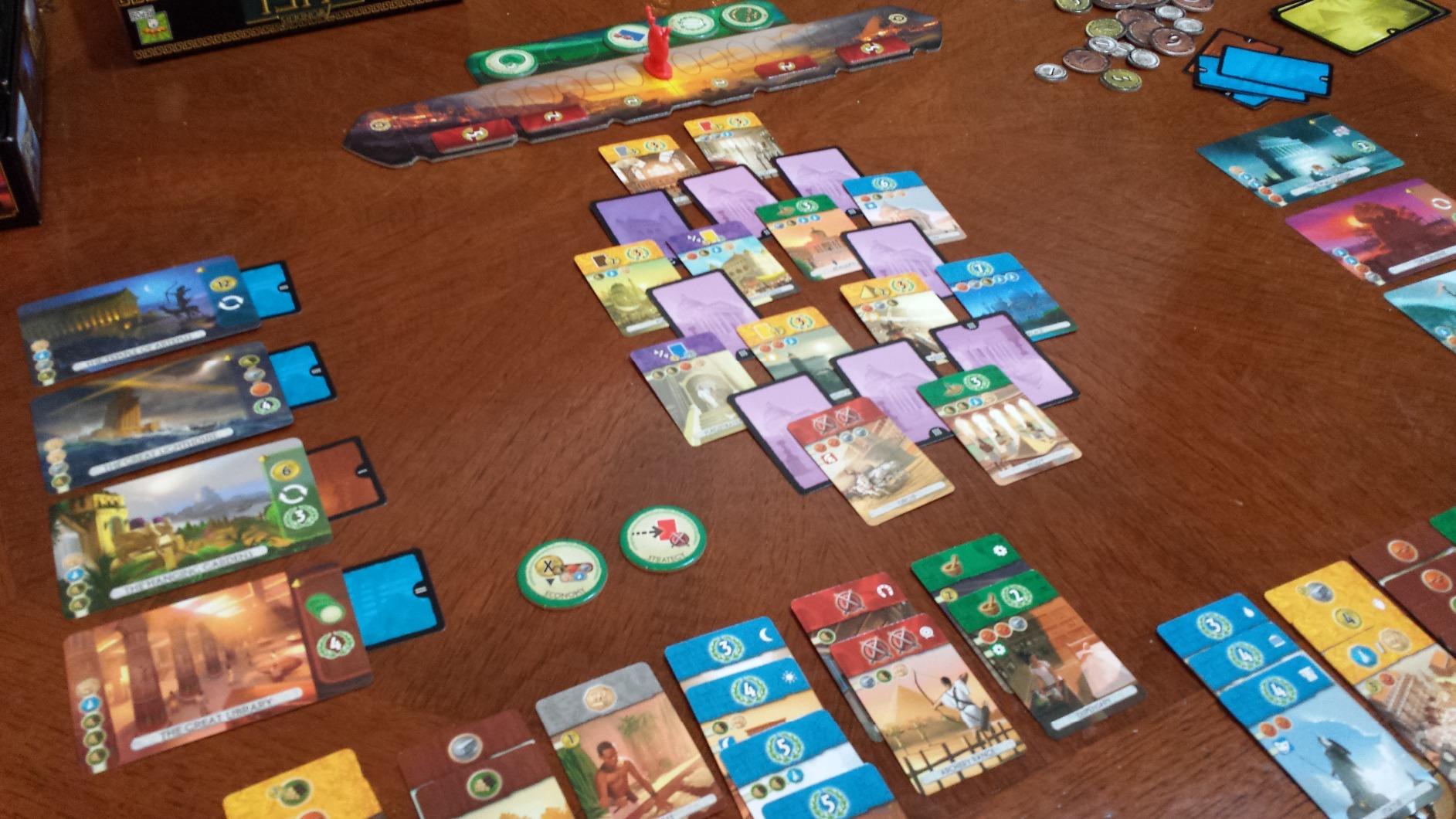
What separates it from other duels is that you never know what the other player is holding. Cards go face down into the pyramid, and bluffing a military card you may not have becomes a legitimate part of the game. Combined with the three victory conditions, that means the score on the table is genuinely uncertain until the final turn.
Reviewers repeatedly describe it as the best two-player game in their collection, and several pair it with Splendor Duel as a standing date night rotation. At roughly 30 minutes it fits an evening, and at 0.54 kg it is a box you will actually carry somewhere.
Check the box before you commit
The box is smaller than the game inside suggests, at 2 by 8 by 8 inches, which makes it a poor fit for a crowded coffee table. Plan on clearing roughly a square foot of surface and check the age range against the youngest player in the house.
It is also a paper game with no batteries, so nothing about it wears out or fails. The build quality issue owners raise most is card warping, so store the box flat rather than on its side.
When to skip it
Skip this if one player has never held a strategy game. The card interactions stack quickly and the rulebook assumes you have seen an engine builder before. Buy Codenames Duet or Othello first and come back to it.
Skip it also if the two of you like games where the rules never change under you. The learning curve here is a front-loaded cost, and the second play is much better than the first but the first is genuinely awkward.
2. Othello – The 20 Minute Flip Classic
Ravensburger Othello – Classic Strategy Board Game for 2 Players – Easy to Learn, Hard to Master – Fast-Paced Family Fun – Ages 8+
2 players
20 minute playtime
64 reversible discs
Slide-out storage drawers
Pros
- Rules take minutes to learn
- Every move can flip discs
- Slide-out drawers make setup and travel fast
- Complete round in about 20 minutes
- Works for kids as young as 8 and adults
Cons
- Limited strategic depth against heavier abstracts
- Early game positions can feel flat
- Plastic discs slide on very smooth surfaces
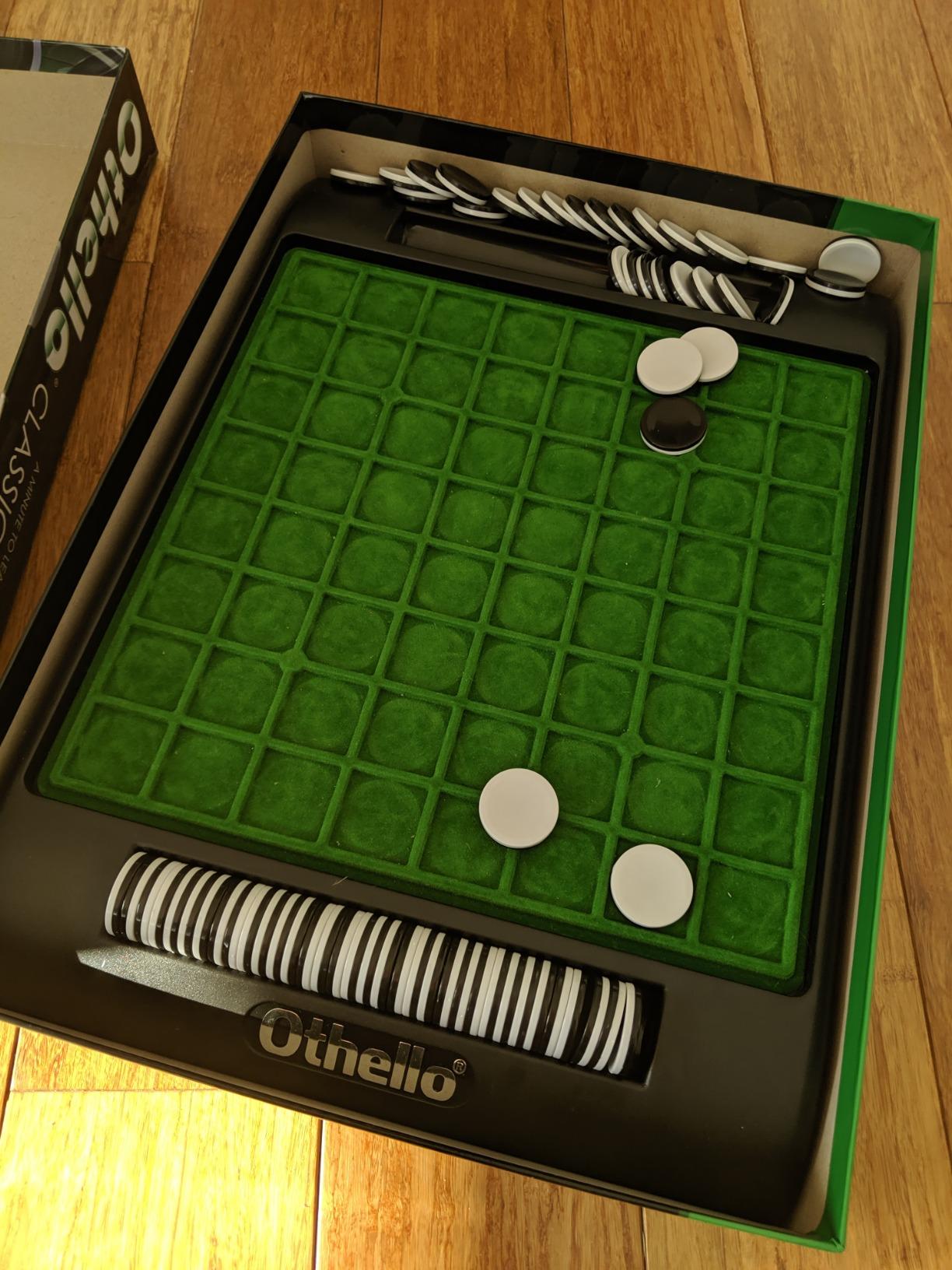
Othello is the first game I hand to a pair that has never played a serious two-player game, and the reason is simple: you can teach the entire rule set in about two minutes. Place a disc, trap your opponent’s discs between two of your own, flip them to your colour.
That simplicity hides more than you would expect. Owners cite the flip mechanic as the source of the tension, and the strategic ceiling is genuinely higher than the rule count suggests, particularly once positional play starts mattering in the mid game.
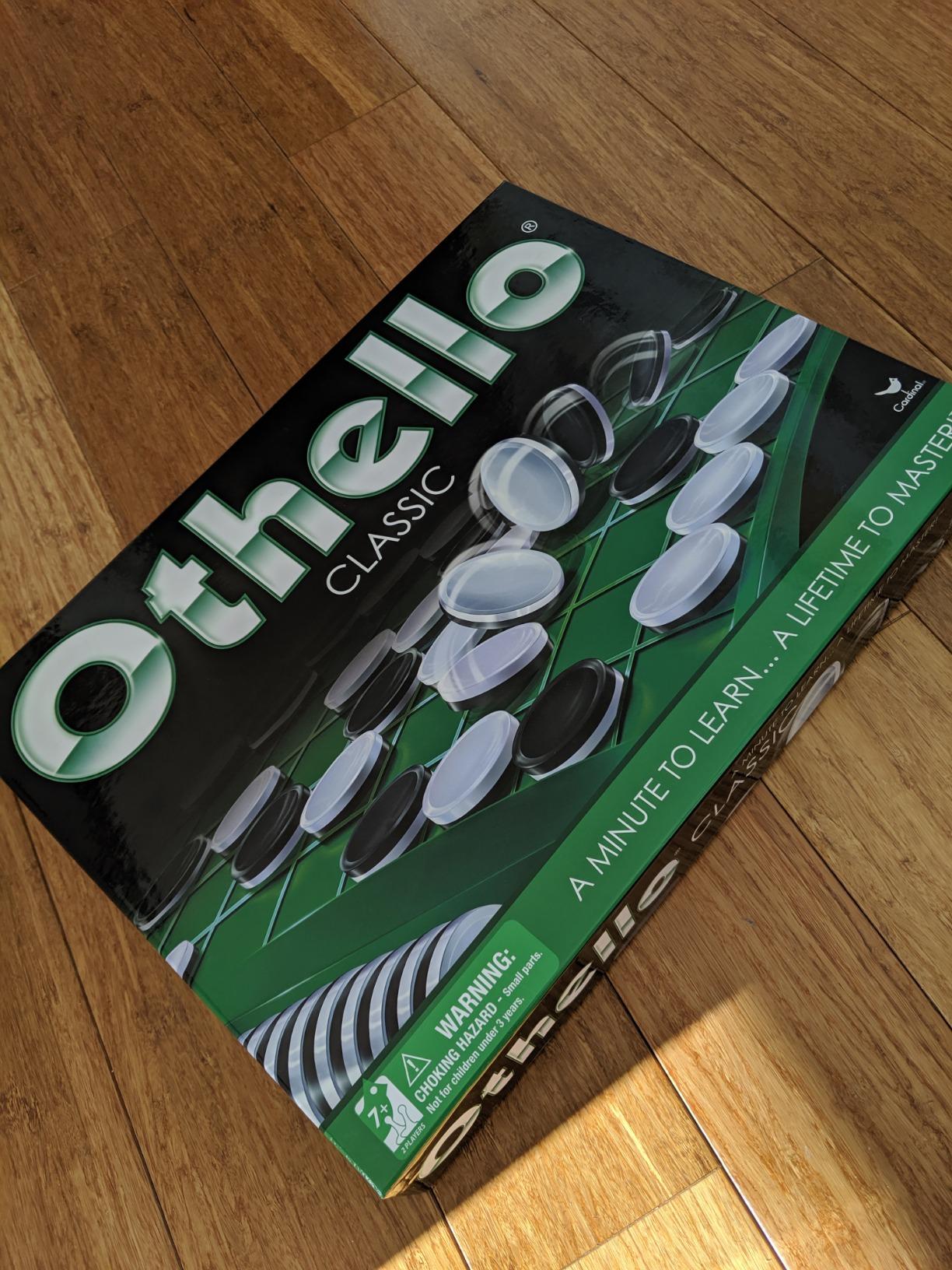
The practical design is what wins me over. The board has slide-out storage drawers on each player’s side, so setup and cleanup take seconds and the whole thing travels without a separate bag. Rounds finish in around 20 minutes, and the box is rated for ages 8 and up, which makes it a rare abstract that genuinely works across a wide age range.
At 1.7 pounds and 2 by 11.5 by 14.38 inches, it is the largest thing in my travel bag and still the one I reach for most. It also carries a 30 day warranty against manufacturer defects, which is unusual for a plastic game in this category.
What to look at before buying
Check the surface you play on. Owners note that the plastic discs can slide on a very smooth table, so a felt or cloth mat makes a real difference. The board itself is plastic and needs nothing special.
Also check how competitive the pair actually is. Othello can produce genuinely humiliating losses, because a single bad early move can cost you the entire game. If losing gracefully matters to your household, play two or three rounds and treat the early games as practice.
When to skip it
Skip it if both of you are experienced abstract strategy players. The strategic ceiling sits below heavier two-player titles, and once the opening book is exhausted a lot of the novelty drains away.
Skip it if the pair is very young, since although it is rated 8 and up, younger children tend to play it as a placement game rather than a trap game. The trap rule is the entire game.
3. Jaipur – The Trading Card Race That Fits in a Bag
Asmodee Jaipur 2-Player Trading Card Strategy Game, Ages 10+
2 players
30 minute playtime
55 goods cards
Ages 10 and up
Pros
- Quick to learn yet produces new tactics on replays
- Rounds finish in 30 minutes or less
- Compact box suits travel and date nights
- Works across a wide age range
- Public camel herd keeps the interaction high
Cons
- Strictly a two player game with no three player mode
- Iconography takes a while to decode on first read
- Modest component quantity for the size of the box
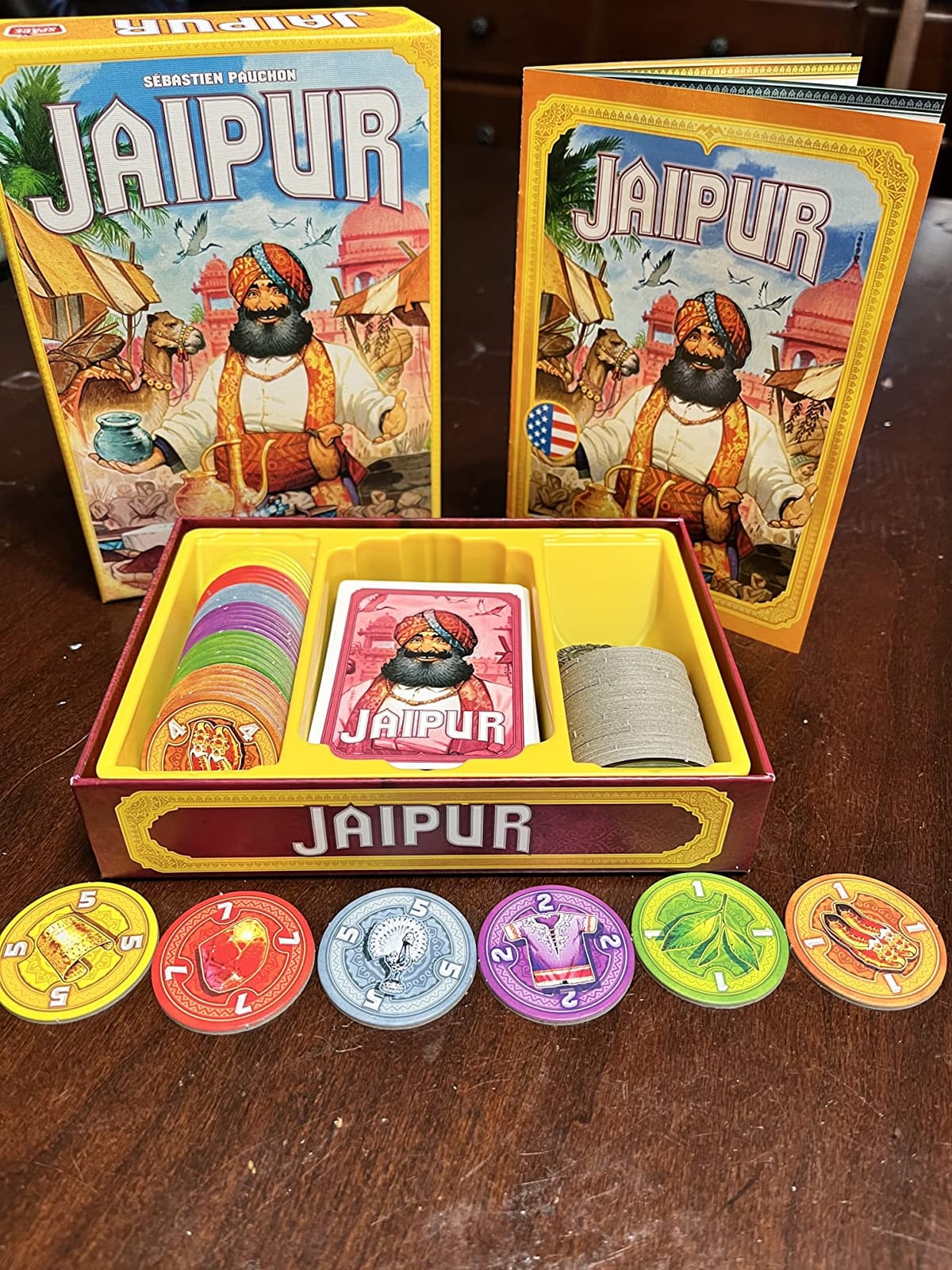
Jaipur is the game I recommend when someone wants a real two-player card game but has never read a modern board game rulebook. It is a trading race across a shared market, and every turn asks you to decide whether to buy now, wait, or take an offer you know your opponent wants.
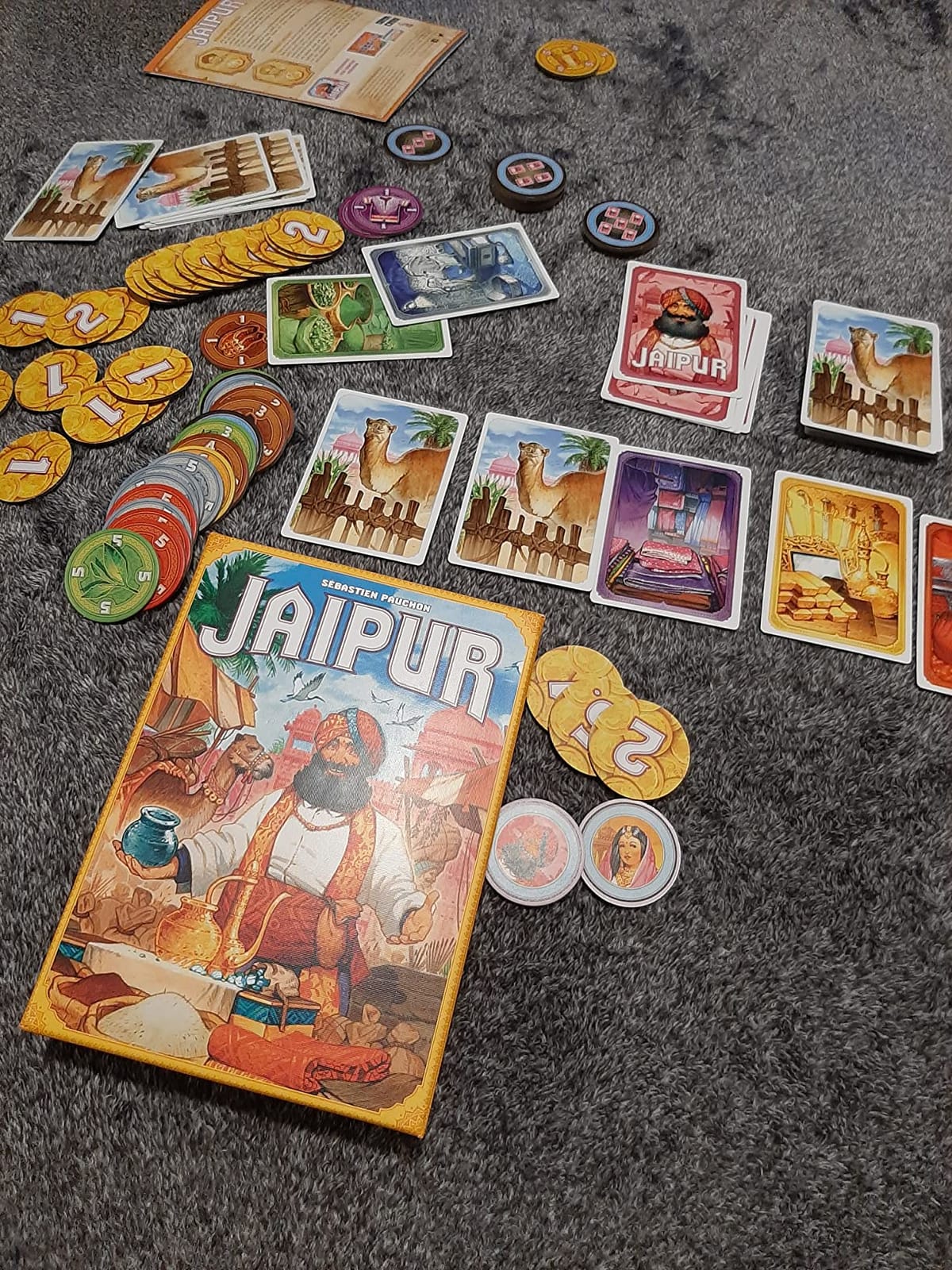
You are rival merchants in Rajasthan dealing in leather, spices, cloth, silver, gold and gems. Sets of matching goods score big, and the public camel herd means the board state is fully shared, so nothing happens in secret and nothing happens without the other player knowing.
That transparency is what makes it a strong two-player experience rather than two puzzles. Reviewers describe the race format and the public camel herd as the source of constant tension, and they also point out that the tactics keep deepening even after dozens of plays.
Rounds finish in 30 minutes or less with almost no setup, and at 7.1 by 5.1 by 1.6 inches and 231 g the whole box is genuinely portable. It is rated for ages 10 and up, though owners report success with children as young as 8 once they have seen one round. The box holds the rules, 55 goods cards, 38 goods tokens, 18 bonus tokens, a camel token, three seals of excellence and a metallic coin.
What to check before you buy
Check that you are buying a two-player commitment. Several owners regret the strict limit because they love the game and wish they could bring it to a table with three people. There is no three-player mode in the box.
Plan the first session as a teaching session. The iconography on the goods cards and the bonus scoring take one round to decode, and playing a throwaway game first is much better than confusing the scoring on the game that matters.
When to skip it
Skip it if the component value matters to you. Owners fairly note the quantity of material is modest for a box in this range, and there are three bonus token types, one camel and a set of seals rather than a large physical production.
Skip it if one player wants a long game. Thirty minutes is the ceiling, not the target, and there is no campaign or variant structure to extend it.
4. Onitama – Chess in Ten Minutes
Arcane Wonders Onitama, 2-Player Abstract Duel with Modular Movement Cards
2 players
10 minute playtime
5x5 board
Five movement cards
Pros
- Elegant chess-like abstract on a compact board
- Only five cards in play so every game differs
- Two win conditions encourage varied tactics
- Fast setup with a ten minute round
- Small box travels well
Cons
- Finite card pool means positions can recur
- Abstract theme offers no narrative
- Feels opaque to players who want heavier decisions
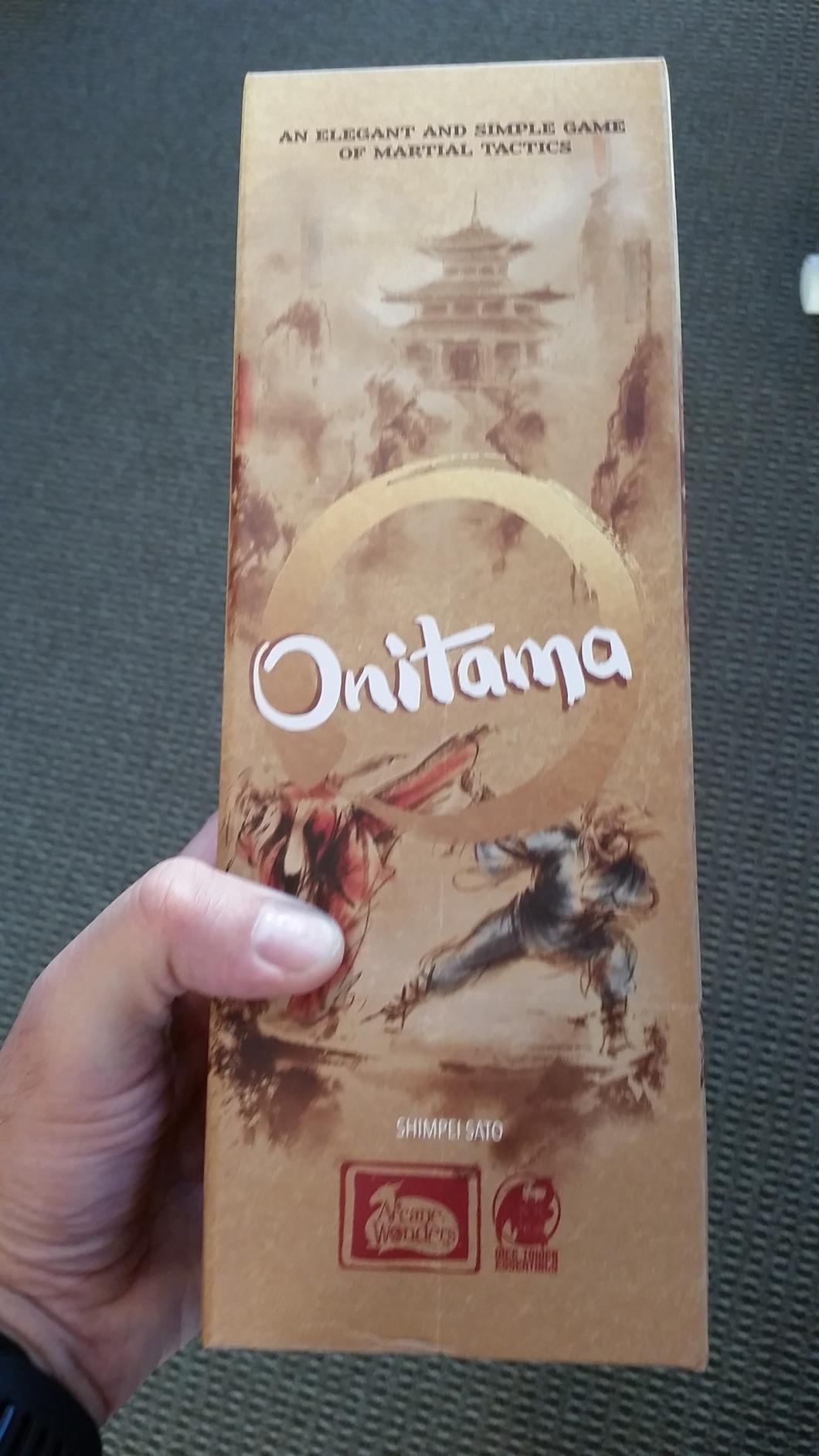
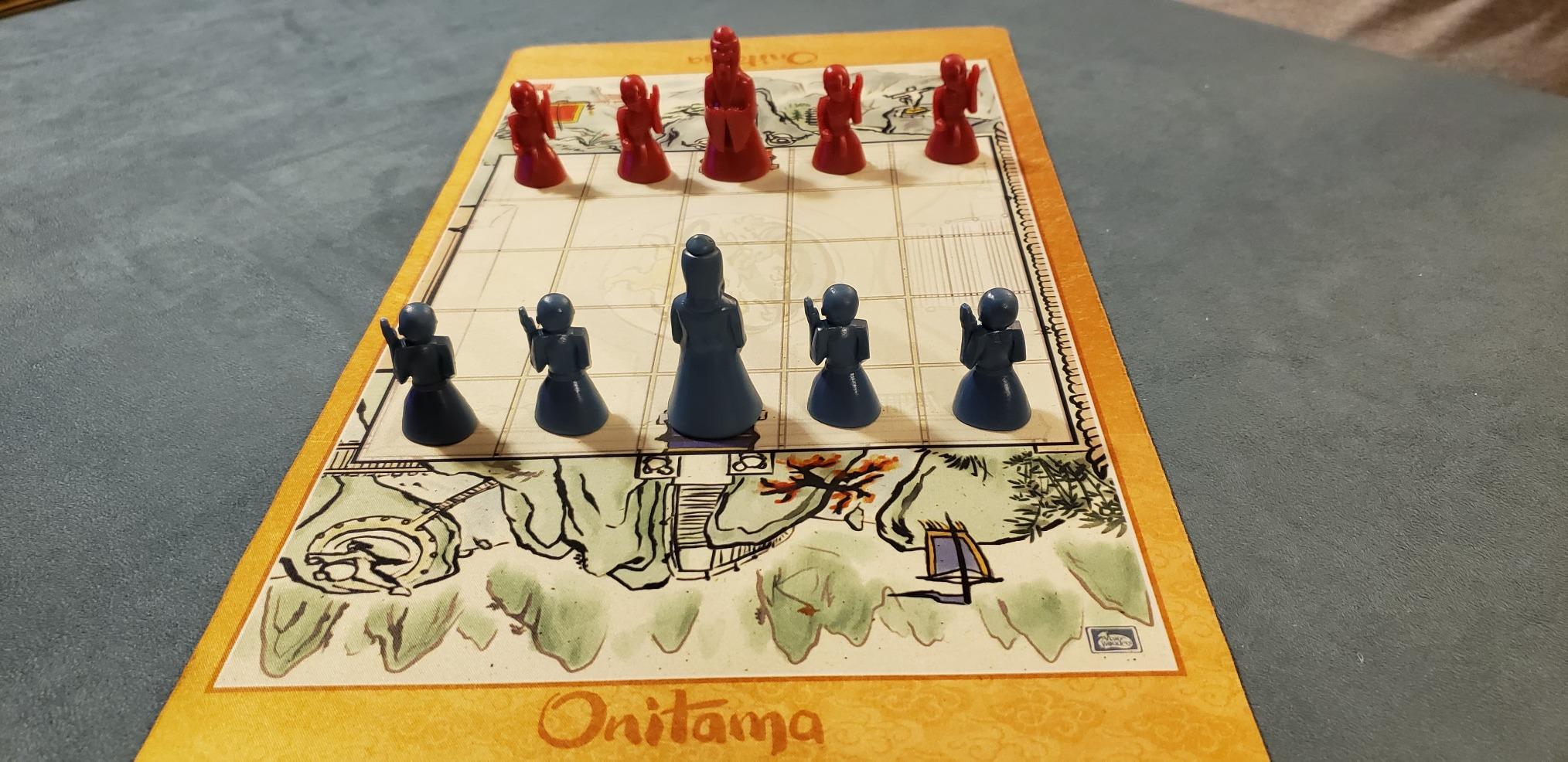
Onitama is what I take when the plan is one game in a hotel room. Setup takes under a minute, the board is 5 by 5, and a full round resolves in about ten minutes. A single small board holds the whole game.
The idea is chess stripped to its bones. Each player has a master pawn and a student pawn on a small grid, and movement comes from a shared pool of five cards, two of which are open to you at any time. Play a card, move any pawn following that pattern, then draw a replacement.
Two win conditions keep it from resolving into a single puzzle: capture the opponent’s master, or guide your own master into their temple arch. The shared card pool means the position on the table depends on what your opponent drew, not only on what you chose.
Owners treat it as a refined, chess-adjacent abstract with near-instant setup and genuinely excellent travel characteristics. The box is 3.8 by 3.7 by 10.6 inches and 0.64 kg, narrow enough to sit in a laptop sleeve.
What to check first
Check that both players are comfortable with abstract information. There is no theme beyond a martial arts framing and no narrative, and the recommended age is 14, which is honest about the audience.
Check your table surface. A 5 by 5 board needs almost nothing, which is exactly the point, but a slick table will send card-sized pieces sliding. It includes a sturdy board plus distinct master and student pawns that read clearly at a glance.
When to skip it
Skip it if you want a long evening. Ten minutes is the design, not a limitation, and stretching the round rarely improves it. Play several in a row instead, which is what the box is actually for.
Skip it if one player needs a theme or a story to stay engaged. A minority of owners note it feels opaque to players who prefer heavier Eurogame decision making, and that is a real barrier rather than a preference.
5. Splendor Duel – Gem Collecting With Knives Out
Splendor Duel Board Game – Two-Player Strategy Game for Intense Gem Collecting Battles – Fun Family Game for Kids and Adults, Ages 10+, 2 Players, 30 Minute Playtime, Made by Space Cowboys
2 players
30 minute playtime
67 jewel cards
Privilege scrolls
Pros
- Adds direct attacks to the Splendor engine
- Compact box suits travel and cafés
- Easy to learn with more nuance than the base game
- Premium components and sturdy cards
- Plays well with children as young as 8
Cons
- Card and board sizes are small and hard to read for older players
- Pearl token can feel slightly overpowered
- Some buyers prefer the original Splendor even at two
Splendor Duel is the version of Splendor that finally works head to head. The original game scales to two but loses something in the process, because nobody attacks anybody. This edition fixes that with privilege scrolls, gem stealing cards and a pearl token that swings games.
You still collect gemstones, reserve them to buy development cards and compete for prestige points, but now your opponent can take from you. It finishes in about 30 minutes and it is rated for ages 10 and up, with owners reporting success with children as young as 8.
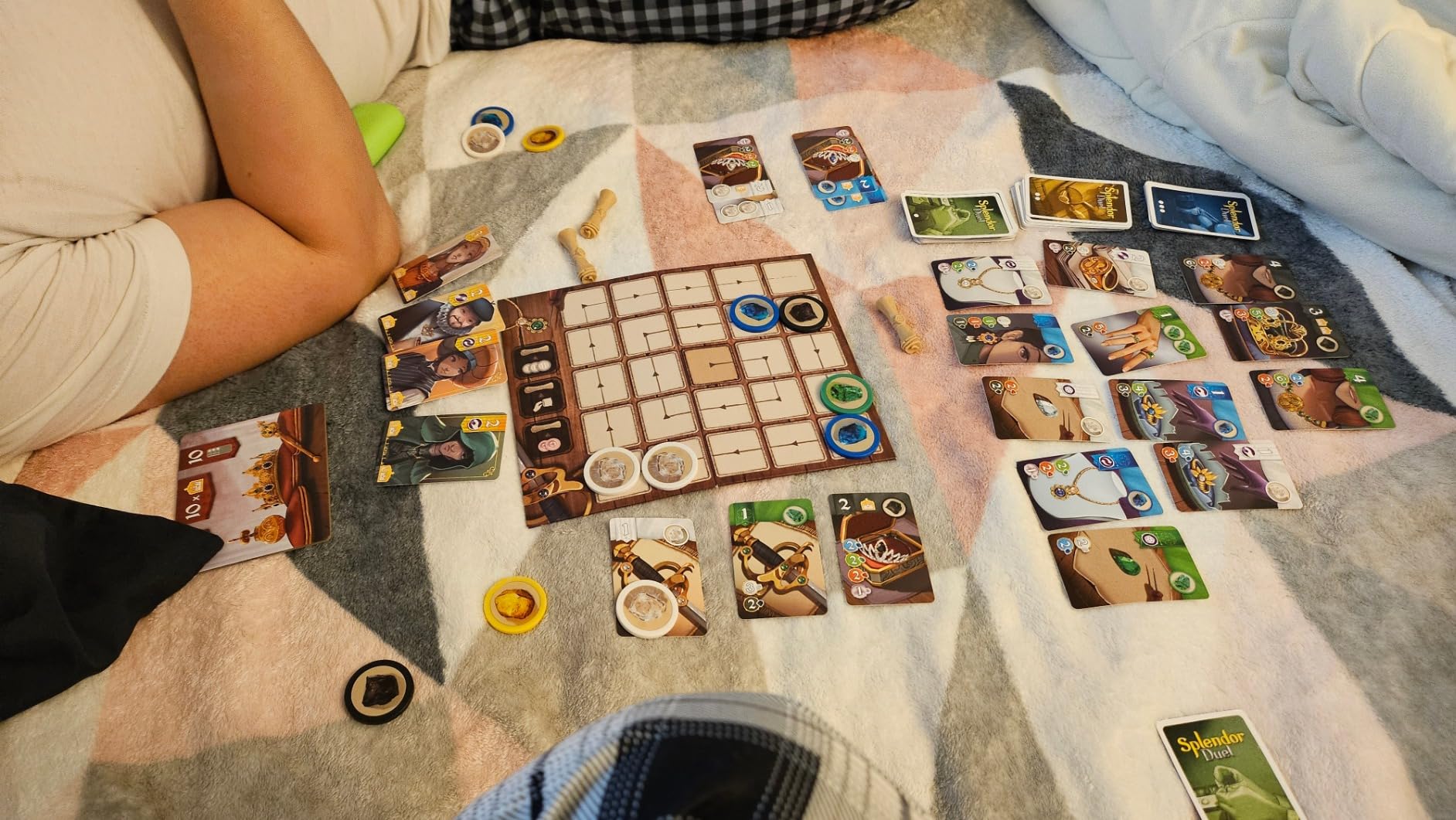
Reviewers frequently rate it equal to or better than the original for couples, and the reason is the confrontation. In the base game two players politely take turns assembling sets. Here, every card you hold is a reason for the other player to be nervous.
The component list is substantial for a two-player game: 67 jewel cards, 25 plastic gem tokens, privilege scrolls, a victory tile, royal cards and a common board. At 0.42 kg and 5.11 by 7 by 1.88 inches, it packs better than its table presence suggests.
What to look at first
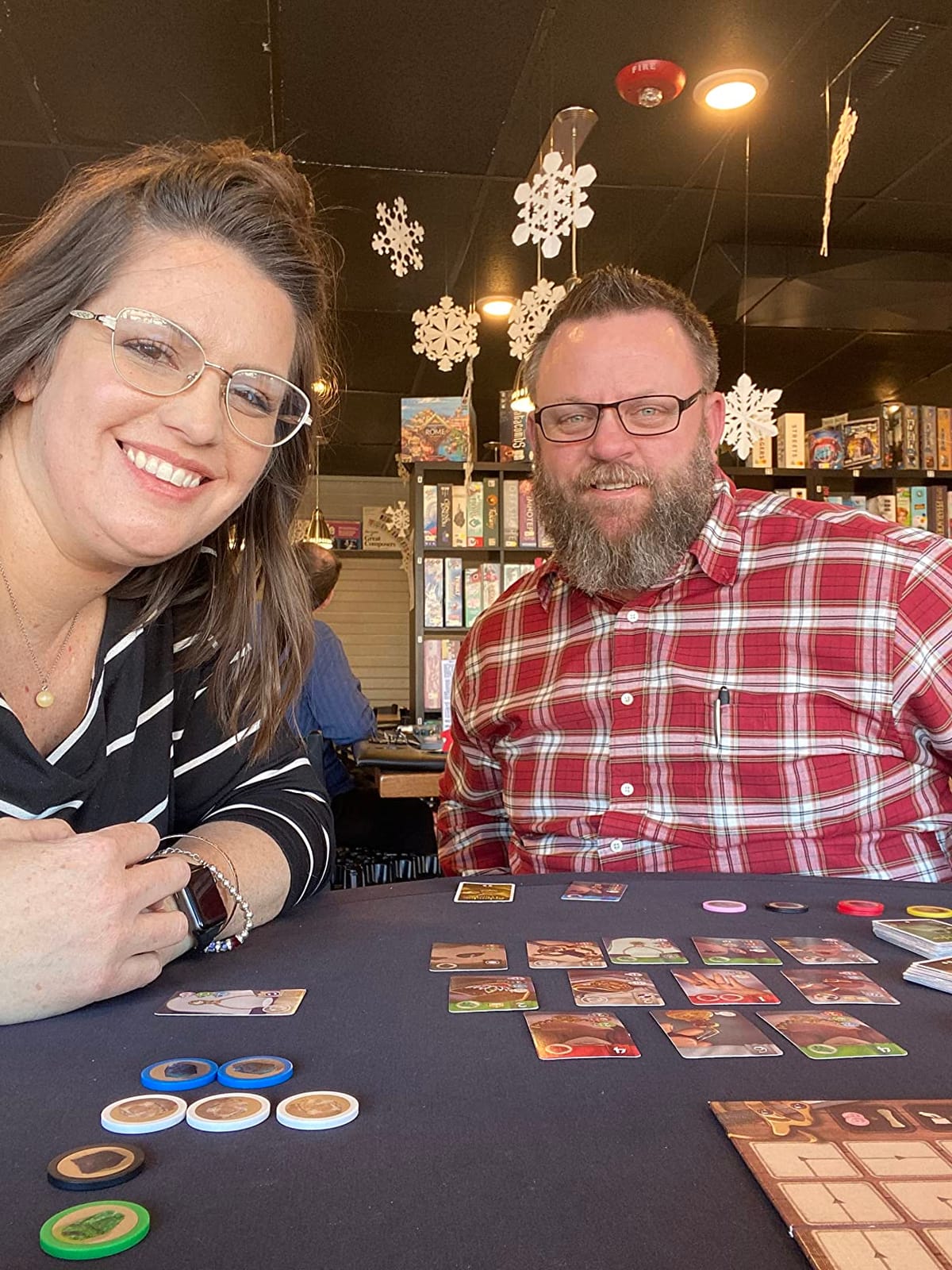
Check the readability of the cards. The most common criticism in the reviews is that card and board sizes are small, which is a real problem if anyone in the pair needs reading glasses. This is the first thing to look at in a photo before committing.
Check whether you already own the original Splendor. Owners who do sometimes still prefer the older game for a calmer two-player evening, so this is an addition rather than a straight replacement in some households.
When to skip it
Skip it if the pair wants a gentle evening. The privilege scrolls are designed to create conflict, and a few reviewers describe the pearl token as powerful enough to feel slightly overpowered once the strategy is understood.
Skip it if the priority is table presence in a photo or a display shelf. It is a compact card game, and the small components do not photograph the way a wooden or tiled game does.
6. Connect 4 – The Five Minute Reset Button
Official Hasbro Games Connect 4 Game (2025 Edition) | All-in-1 Storage, Carrying Case, Score Tracker | Ages 6+ | 2 Players | Family Games for Kids
2 players
5 minute rounds
42 plastic discs
Ages 6 and up
Pros
- One motion fold up means no adult help needed
- All in one case doubles as storage tray
- Sliding score trackers replace pen and paper
- Five minute rounds mean many games per sitting
- Accessible to children as young as 6
Cons
- Very limited strategic depth against adult abstracts
- The classic filler becomes deterministic once patterns are known
- Small discs are easy to lose down sofa cushions
Connect 4 earns its place on a two-player shelf for a reason no other game on this list can claim: it is one of the quickest, needs no reading, and never fails to produce a result. When a pair has had a long day and cannot face a decision-heavy game, this is the one that still works.
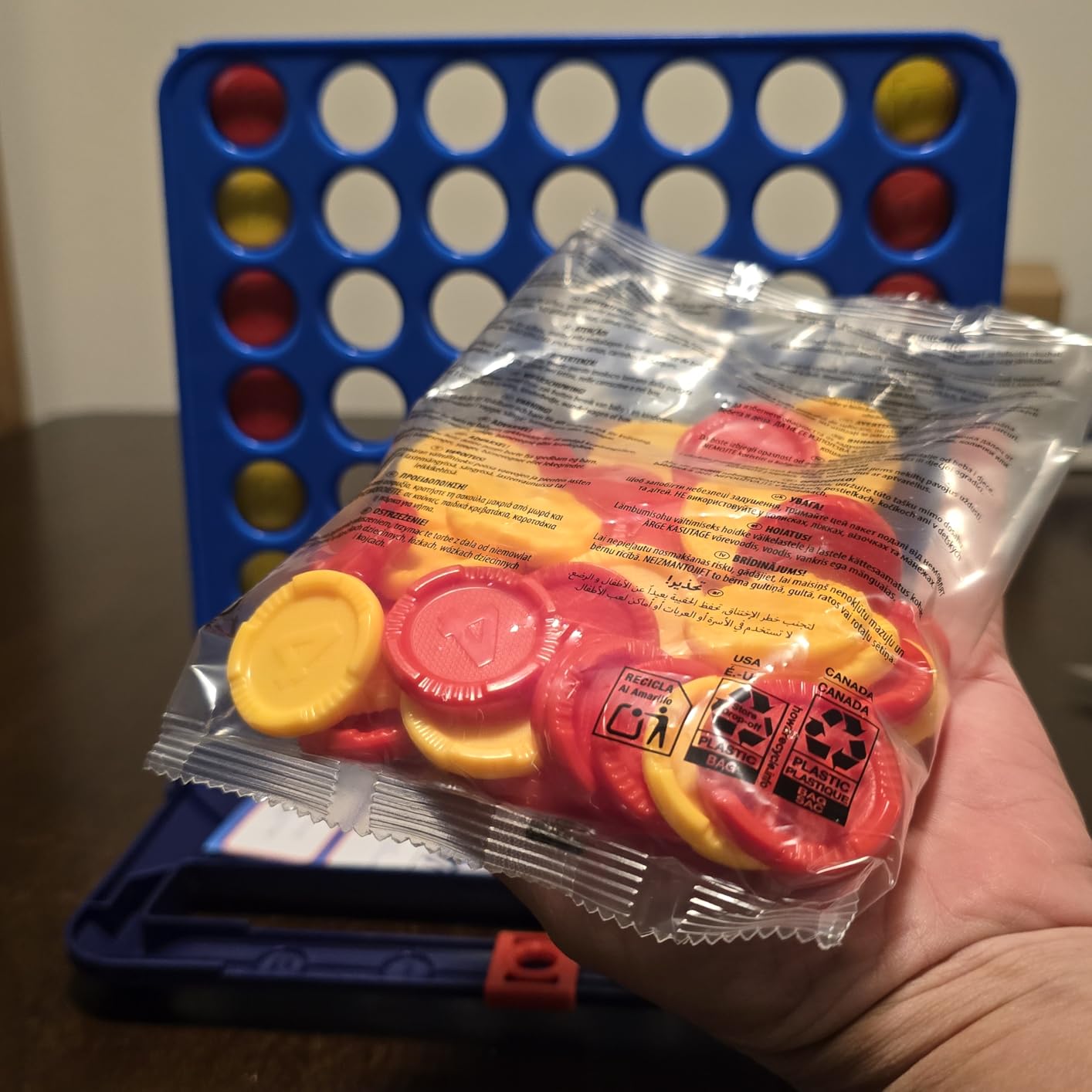
The current all-in-one edition is the practical one to buy. The grid folds up in a single motion with no adult help needed, the discs drop into an integrated storage tray, and the whole thing becomes a carrying case with a handle. Sliding score trackers mean nobody has to keep score on paper.
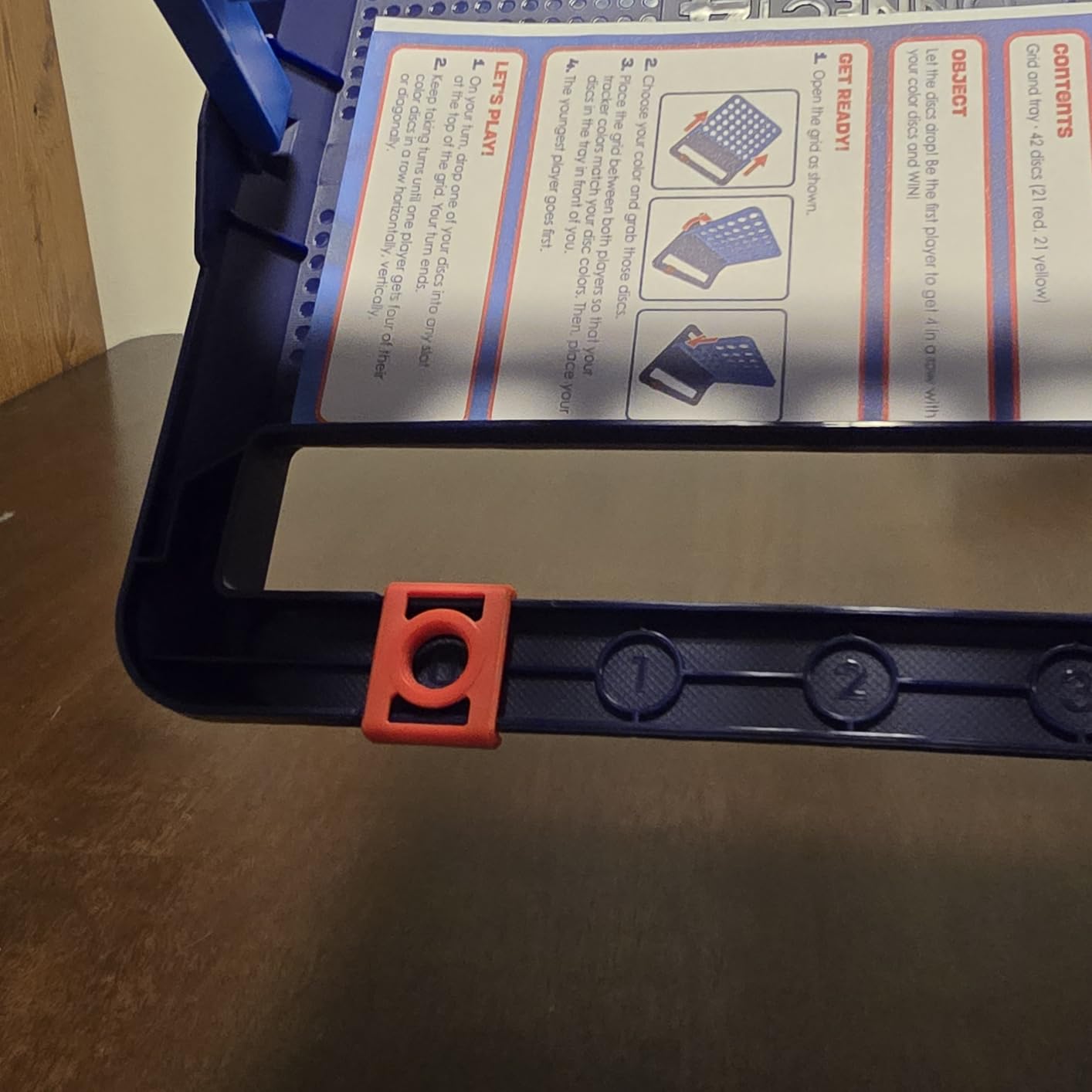
That practicality is exactly what reviewers respond to. The old complaint about this game was lost discs and scorekeeping scribbled on a napkin, and the refresh fixes both directly. It is rated for ages 6 and up, which makes it the natural first game for a household with children.
It ranks near the top of its category in the listings, which is a useful signal for something this simple. At 0.38 kg and 1.61 by 10.51 inches, it is also the easiest game here to hand to a guest who has not opened a box in years.
What to check before you buy
Check the surface. The grid is vertical and light, so it needs a stable base rather than a lap. A table edge or a lap desk works better than a soft couch.
Check whether you will lose the discs. Owners do flag that the small discs are easy to lose down sofa cushions, and this edition stores them in a tray, which helps but does not eliminate the risk.
When to skip it
Skip it if either player wants a challenge that lasts. Reviewers are clear that the strategic depth is very limited, and the familiar pattern becomes predictable once you have seen it a dozen times.
Skip it if the pair competes seriously. This is a friendly five minute break, not a duel, and no amount of pattern knowledge converts it into one.
7. Stratego – Pure Bluff and Deduction
Jumbo, Stratego – Original, Strategy Board Game, 2 Players, Ages 8 Year Plus
2 players
45 minute playtime
40 pieces per side
Ages 8 and up
Pros
- Hidden information with essentially no luck
- Pre-printed pieces need no assembly
- Folding board and screen store flat
- Deep enough for adults and readable by children
- Sorting trays keep the hidden army organised
Cons
- Longer than most quick two player games
- Not a game for groups
- Arranging the army takes patience
Stratego is close to a pure deduction game, since your army is fixed, your opponent’s army is fixed, and every piece you attack with is a bet on what the piece underneath actually is. That makes it a completely different experience from everything else here.
You try to capture the flag while defending your own, moving a stack of 40 pre-printed pieces a square at a time through a folding grid. A folding screen hides your ranks from your opponent, and two sorting trays let you organise the pieces that have been revealed.
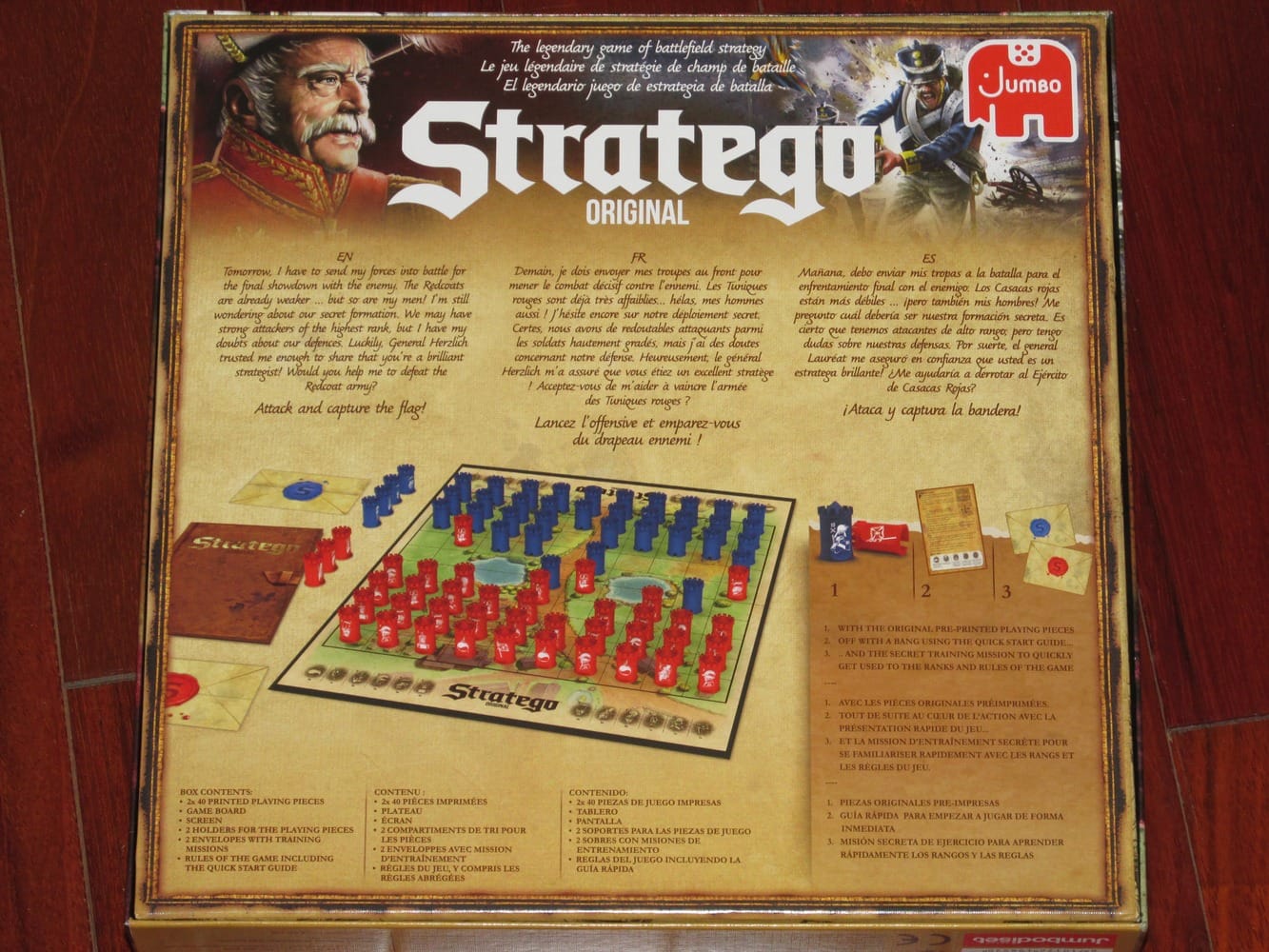
The nostalgia factor is real, and owners describe the durability of the pieces and the ability to teach the basics to a 7 to 9 year old as two of the main draws. The board folds flat, so it stores in a cupboard rather than leaning against a wall.
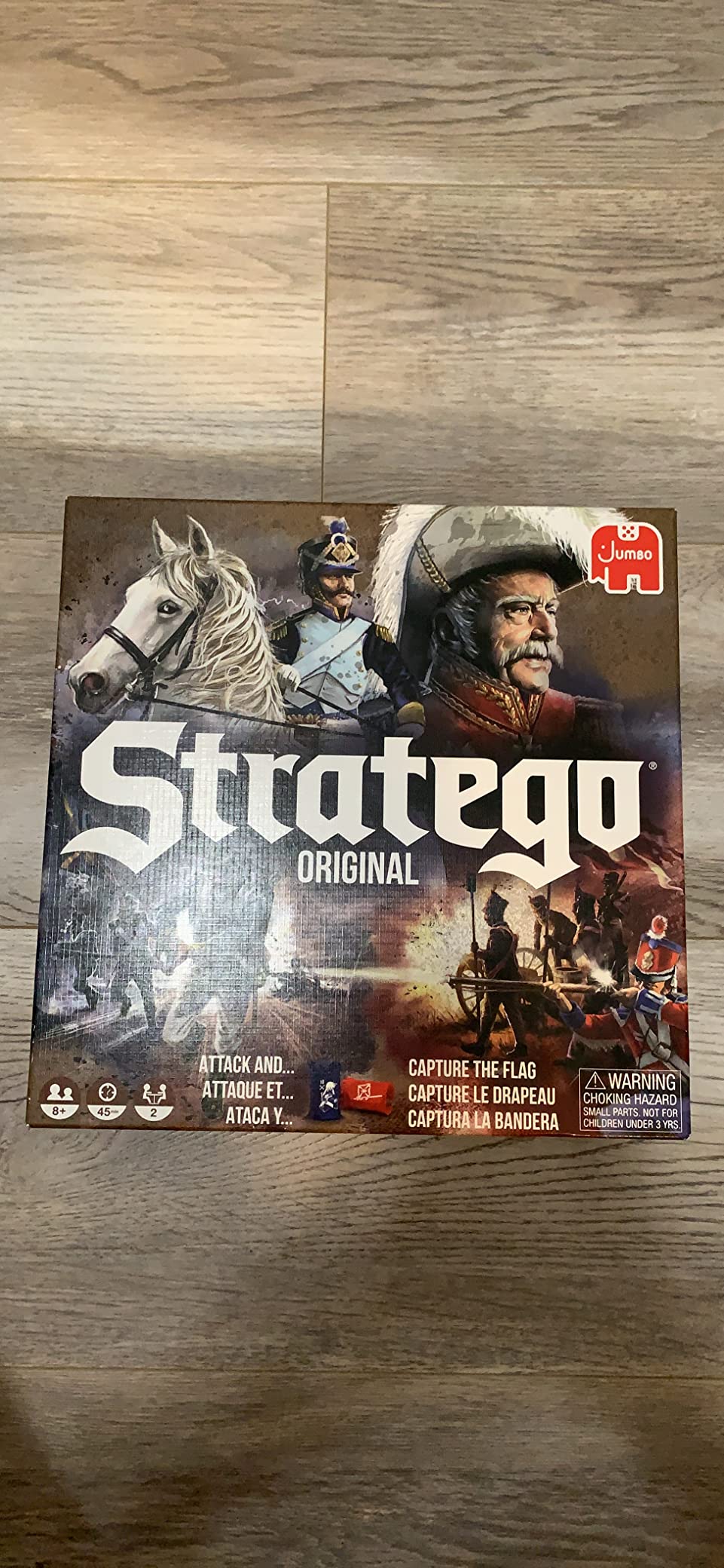
It is a 2.5 pound box at 10.51 by 10.51 inches, which is the largest footprint in this roundup, and sessions run closer to 45 minutes rather than 30. Plan the table before you plan the evening.
What to check first
Check the floor plan. 10.51 inches square is small for a board game, but it is large for a two-player shelf, a shared table or a coffee table with a laptop on it. This is the one on the list that genuinely needs dedicated space.
Check the age range against your household. The manufacturer lists 8 years and up, and owners confirm the basics land quickly with younger children, but the endgame bluffing only really clicks with older players.
When to skip it
Skip it if the pair is short on time. Nearly every reviewer notes the session is longer than typical quick two-player games, and 45 minutes is a real commitment on a weeknight.
Skip it if game night is a group activity. It is strictly for two, and owners note that this limits its use in a family setting even though the age rating suggests otherwise.
8. BOOP – Chain Reactions on a Quilted Mat
Smirk and Dagger BOOP 2-Player Cat Strategy Board Game
2 players
20 to 30 minutes
32 wooden cat pieces
Ages 10 and up
Pros
- Boop chain reactions create constant disruption
- Rules take a couple of minutes to learn
- Single session length
- Wooden cat components with real table presence
- Plays competitively with children as young as 10
Cons
- Luck meaningfully affects where chains land
- Card-based edition can be hard to read
- Tactical ceiling is modest once the core pattern is known
BOOP is the one I recommend when the pair wants something that looks beautiful on the table and still finishes inside half an hour. It ships with 32 wooden cat and kitten pieces on a quilted bed board, and it looks like an object rather than a set of cards and a folded sheet.
The mechanic is a single sentence. Place a kitten, and it pushes any adjacent pieces one space on the board. Those pieces may themselves push others, and a chain of boops can reorganise a large section of the mat in a single turn.
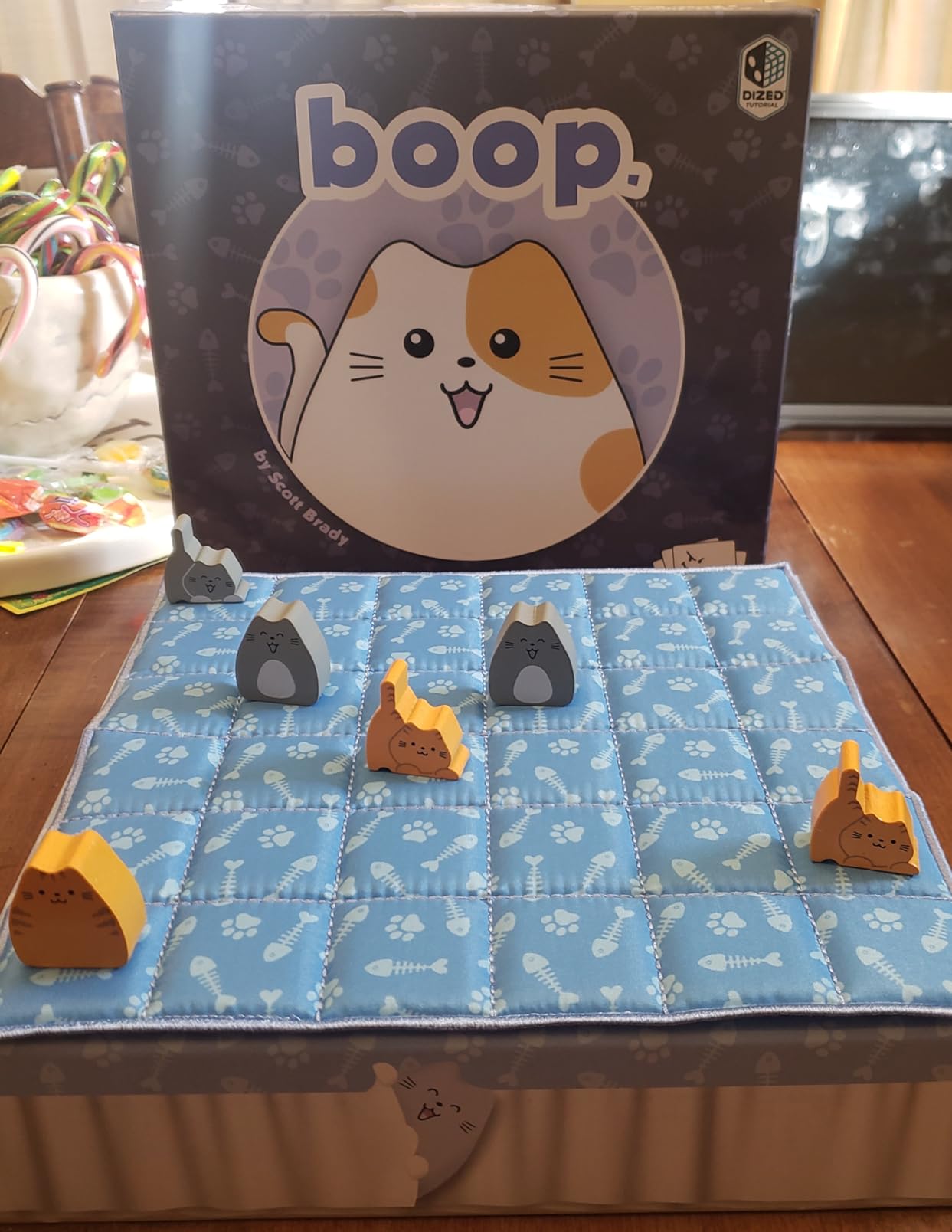
That chain reaction is where the drama comes from. Reviewers consistently describe it as a quick, charming abstract where the boop supplies surprise and swings momentum, and the fast teach time is the other thing they return to repeatedly.
It plays competitively with children as young as 10 and still holds adult attention, which is a wide range for a two-player game. Rounds finish in 20 to 30 minutes, and the box is 9.5 by 9.5 by 2 inches at 274 g.
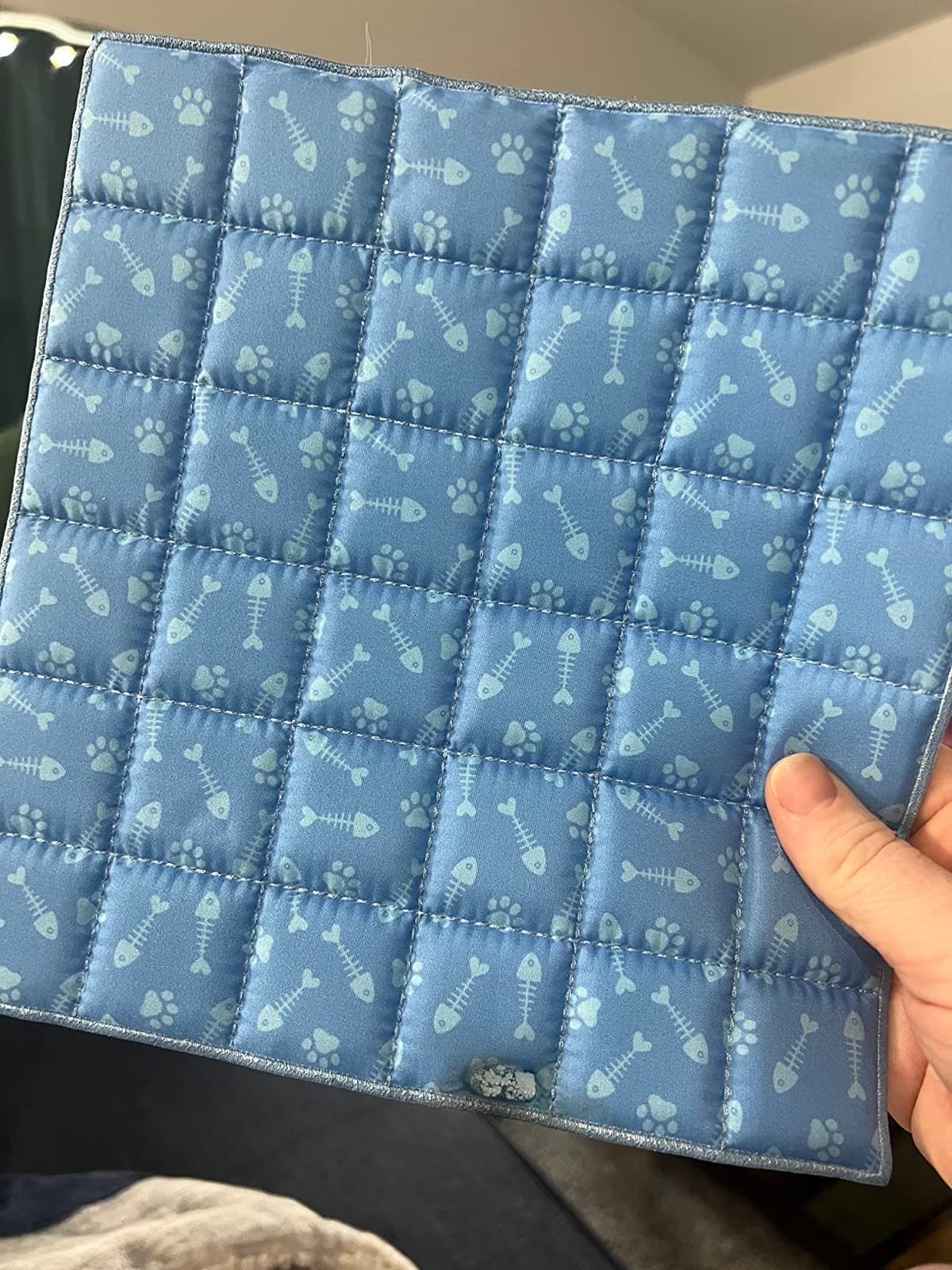
What to check first
Check the read on the cards if you care about that. Owners note that the card-based edition is harder to read than larger print and play versions, so test whether the components work for anyone with reduced vision in the household.
Check the surface too. A quilted mat game needs a flat table, and 9.5 inches square is manageable but not nothing.
When to skip it
Skip it if either player objects to luck. This is the clearest luck-driven game in the roundup, and where a chain lands is frequently out of your hands, which matters if one of you prefers games decided by decisions.
Skip it if the pair is looking for a long-term project. The tactical ceiling is modest once the core boop pattern is understood, so it is a great filler rather than a shelf centrepiece.
9. Rivals for Catan – Settlers, Without the Dice
CATAN Rivals for CATAN Card Game – Build, Trade and Conquer! Strategy Game, Family Fun for Kids and Adults, Ages 10+, 2 Players, 45-60 Minute Playtime
2 players
45 to 60 minutes
Three theme decks
Card based
Pros
- Delivers the Catan building feel in an all card format
- Three included theme games vary strategy significantly
- Lower luck factor than the original board game
- Tight races with close final scores
- Base set works as an on-ramp to harder decks
Cons
- Rulebook references iconography that does not match the pieces
- Card text is small for older players
- Several draw stacks need a fair amount of table space
Rivals for Catan is the answer for a pair who loves Catan and has exactly two people. It converts the whole thing into a card game, adds three separate theme decks, and removes most of the dead dice rolls that slow the original down.
You take charge of one of two factions developing the newly settled island, acquiring resources through card play and expanding your domain. The three included theme games, The Age of Gold, The Age of Turmoil and The Era of Progress, change the strategy substantially rather than reskinning it.
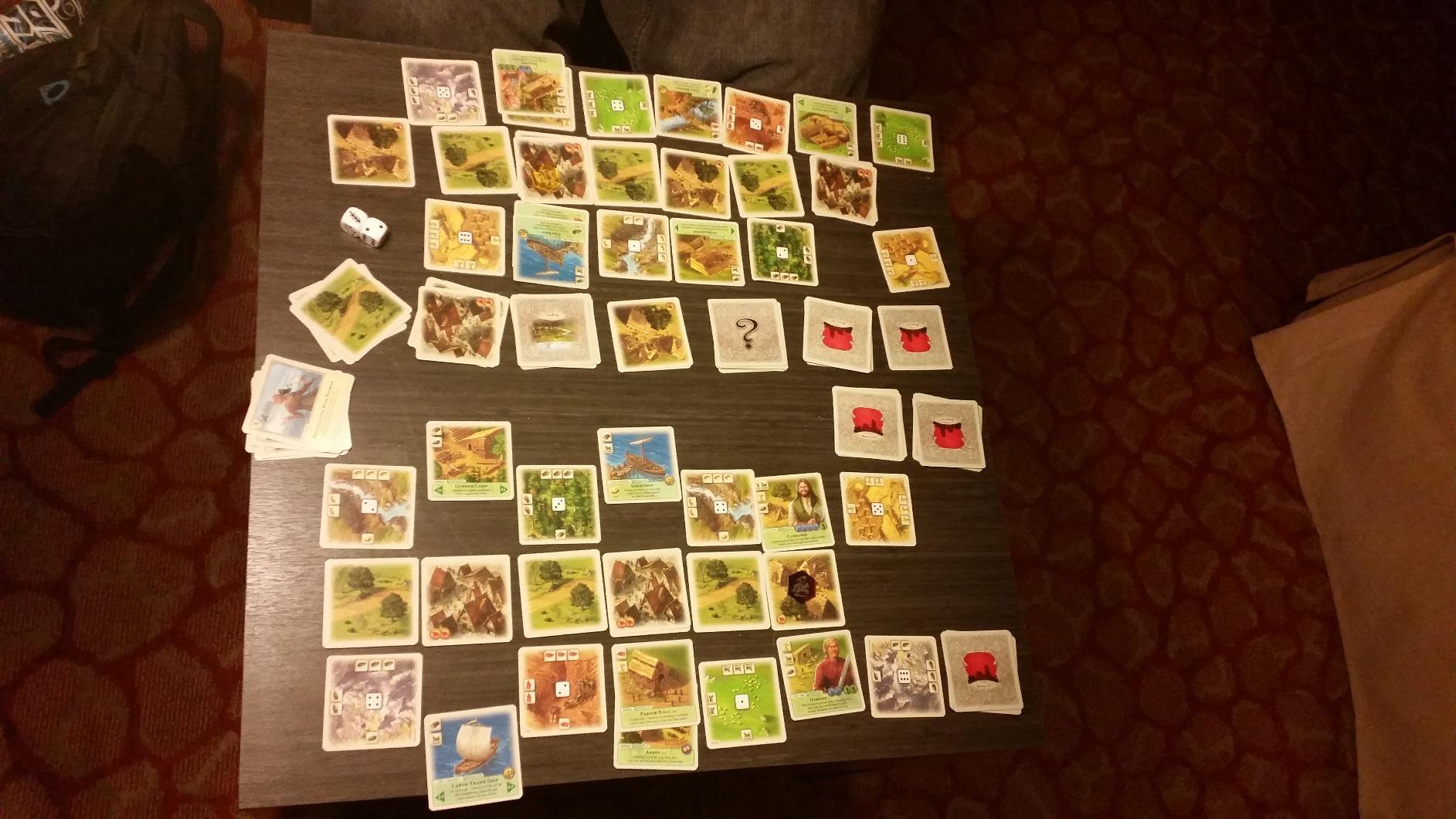
Owners recommend it as the go-to two-player answer for Catan fans, and the common thread is that races come down close. The reduced luck factor means planning genuinely decides results, which is a real change of feel from the board game.
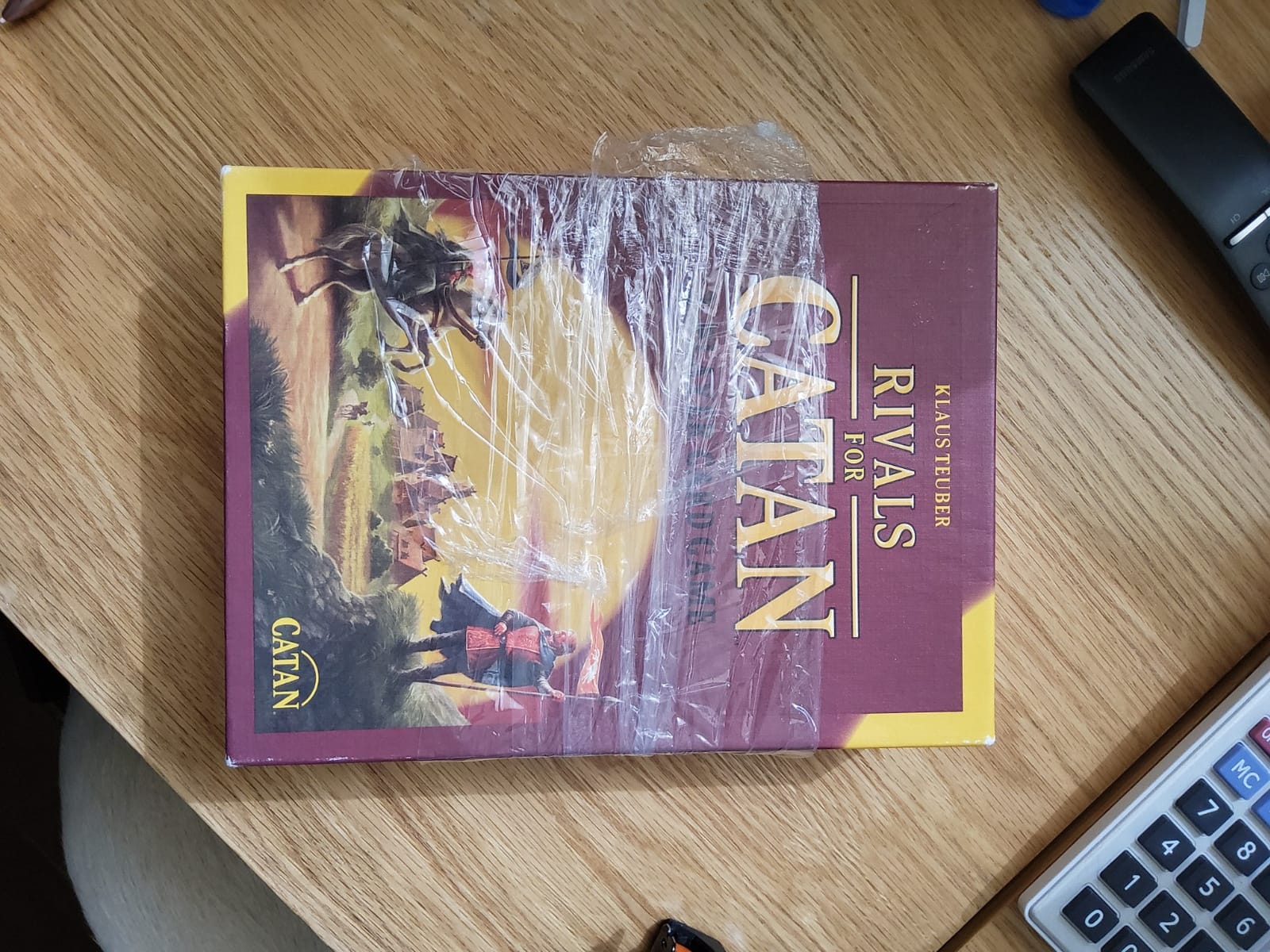
Sessions run 45 to 60 minutes, which makes it one of the longer games in this roundup. The box is 8.38 by 6.25 by 1.75 inches and 0.5 kg, so the weight is not a problem even though the draw stacks are.
What to check before buying
Check whether you already know Catan. The rulebook is dense, and reviewers consistently say this suits players already familiar with the source game. It is not a beginner entry point despite the family-friendly listing.
Check the table. Several draw stacks need a fair amount of surface, and owners note this sits awkwardly with the portability implied by a card format. The cards themselves are small, which is a separate problem for anyone who needs reading glasses.
When to skip it
Skip it if the trader personality is part of why you play Catan. There is no player trading here, and that removes a whole layer of the original negotiation game that many couples actually enjoy.
Skip it if the pair wants a short evening. At 45 to 60 minutes it is a committed session, and the difficulty setting is the base set rather than something you can dial down.
10. Couch Skeletons – The Pocket Filler
Couch Skeletons Card Game – Quick and Easy 2 Player Game by The Dusty Top Hat
2 players
5 to 10 minute rounds
Single card deck
Ages 9 and up
Pros
- Three to five rounds in ten minutes
- Deck box format fits in a pocket
- Colourful skeleton artwork with real personality
- Works across ages from kids to grandparents
- Solid card stock for a game this small
Cons
- Very little strategy and it plays like a light solitaire variant
- Placement rules are not fully clear
- Limited replayability
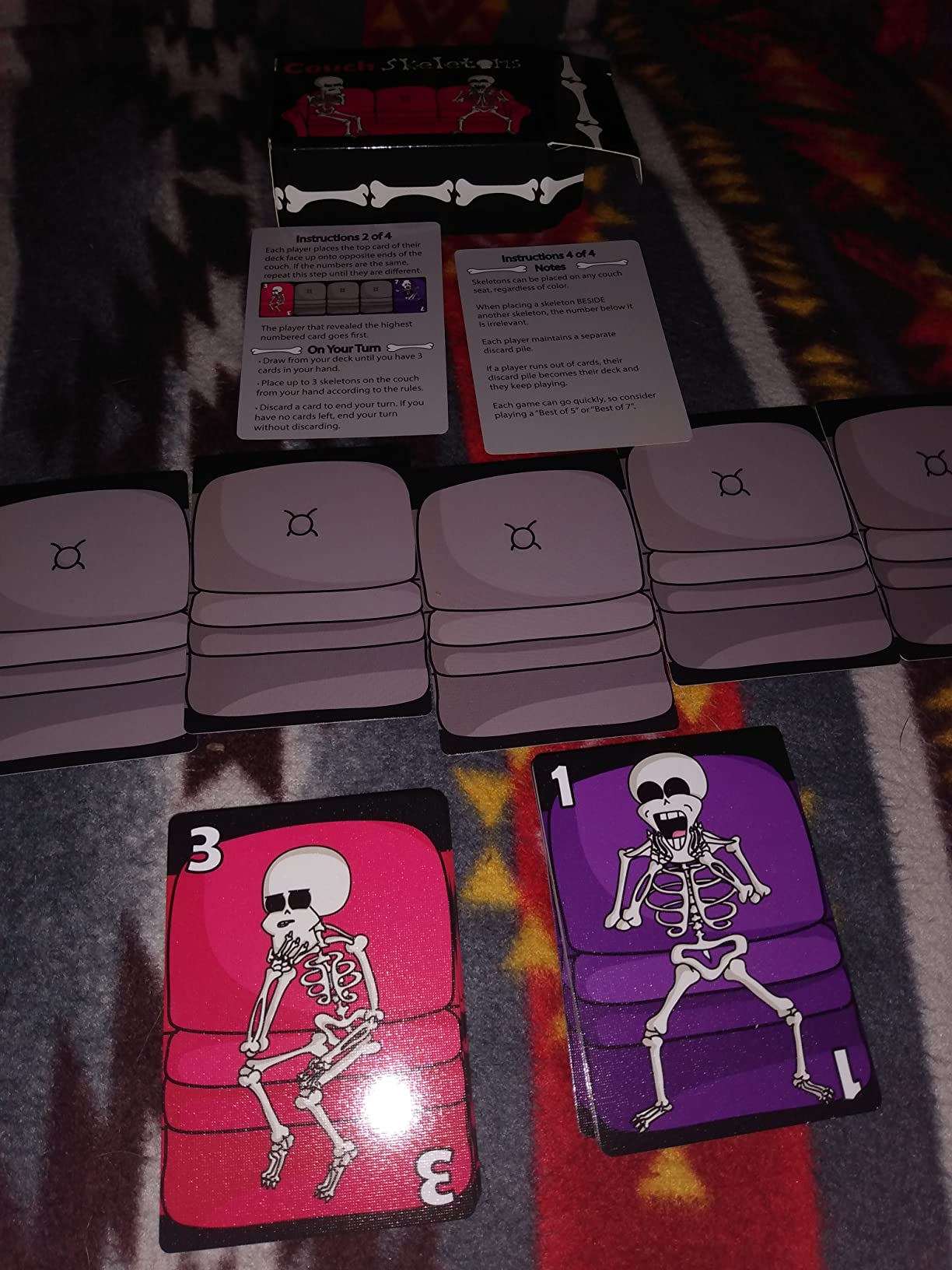
Couch Skeletons is not a main event, and the reviewers are refreshingly honest about that.
It is a warm-up, a travel filler and a five minute thing to do while the kettle boils, and for those jobs it does the job well.
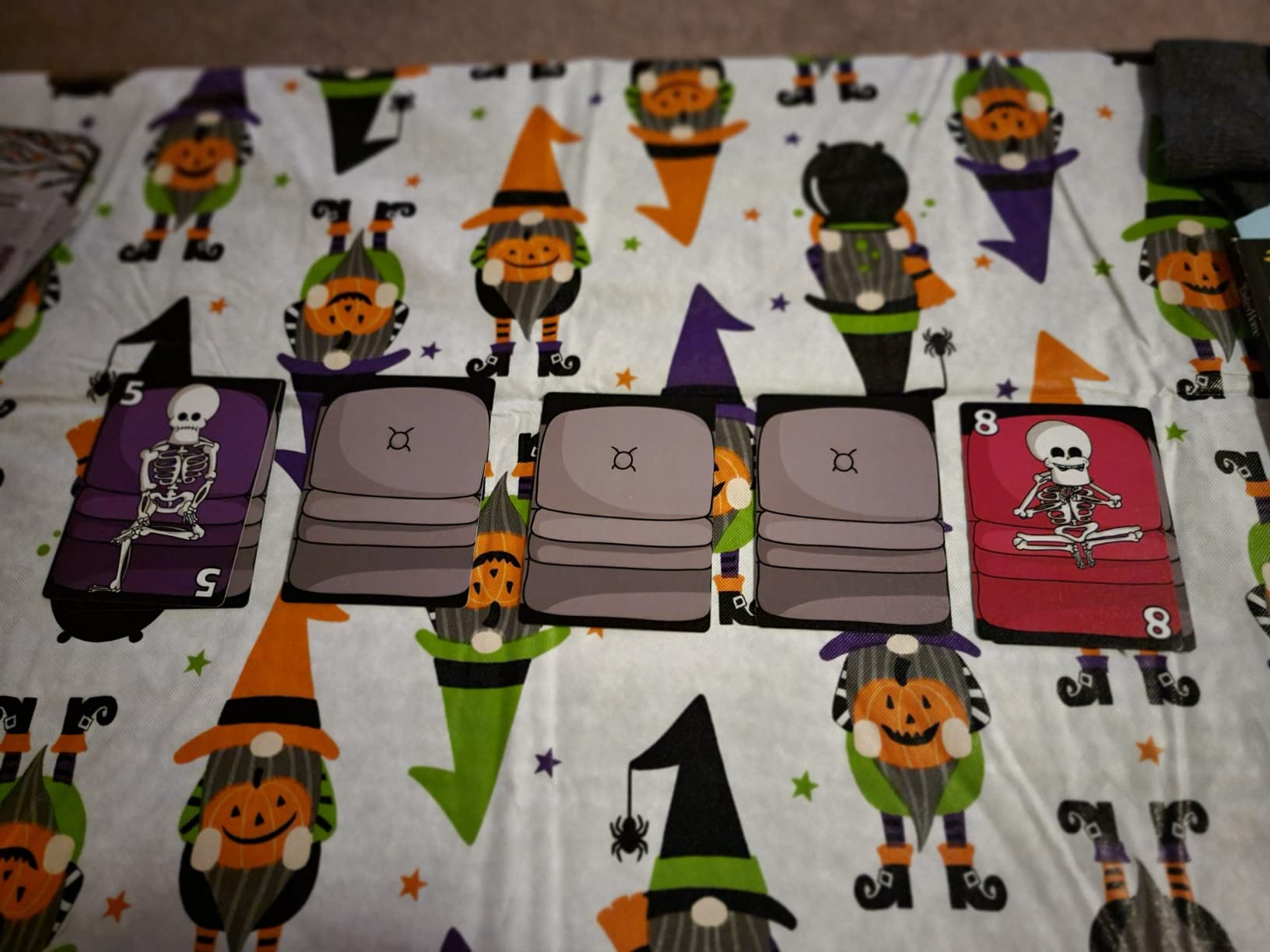
At 4.33 by 2.76 by 0.79 inches and 5.6 ounces, it is genuinely pocket-sized, which is a real category of its own on the buying guide further down. Owners single out the artwork as more charming than a generic filler, and it works across ages from children to grandparents.
Its 4.6 rating across a large pool of owner reviews reflects a consistent judgement rather than enthusiasm for depth: people like it, and they like it for exactly the modest reason it offers.
What to check first
Check the rules explanation, because that is the most common friction point. Owners note the placement rules are not fully clear without working them out yourself, so budget an extra five minutes the first time.
Check what you are filling the evening with. A ten minute game is a lovely addition to a bag but a poor substitute for one, and this is a game about filling gaps rather than holding attention.
When to skip it
Skip it if either player thinks with strategy, because the strategic content is thin and it plays closer to a light solitaire variant. Experienced players consistently rate it one star below what they want.
Skip it if you are buying one game and expect it to be the one. Limited replayability means you will exhaust the placement patterns quickly, and some buyers specifically look for a harder second copy instead.
11. Mandala – Abstract Tactics in 108 Cards
Mandala Board Game | Challenging Two-Player Game with Beautiful Abstract Art | Strategy Board Game for Adults and Kids | Ages 10+ | 2 Players | Average Playtime 30 Minutes | Made by Lookout Games
2 players
30 minute playtime
108 cards
Fabric play mat
Pros
- Unusual abstract played on a linen mat rather than a board
- Easy to learn with real tactical nuance
- Card values shift and enable comebacks
- Loser takes a consolation card
- Runs well as best of three or five
Cons
- Square cards do not shuffle well and need a full wash between games
- It is a firmly competitive cutthroat game rather than a friendly one
- Strictly two-player which several owners wish were expanded
Mandala stands out visually in this roundup. Instead of a conventional board you get a fabric play mat, and 108 cards that you lay out to build mandalas of coloured sand before the pattern is ceremonially destroyed.
You place cards into the two mandalas, building the shared central mountains and laying cards into your own fields to earn victory points by collecting the colours your mandala is made of. The theme is abstract, and that is exactly the appeal for players who like a game that looks like an object.
What makes it a genuine two-player duel is that card values shift as the game progresses, which allows dramatic comebacks and keeps a losing player engaged to the final turn. The loser still takes a consolation card, a small touch that softens defeat in a two-player setting.
Reviewers compare it favourably to Hanamikoji, pointing to a simple system that produces tense, layered decisions and strong replayability once you get past the first few games. It is rated for ages 10 and up, with an average playtime around 30 minutes.
What to check first
Check how the pair handles square cards. Owners flag that they do not shuffle well and need a full wash between games, which is a small irritation that shows up every single session.
Check the mat itself, because the fabric play mat is doing most of the visual work here. The box is 7.87 inches square and 0.4 kg, and the mat is included rather than sold separately.
When to skip it
Skip it if the pair wants a friendly game. It is firmly competitive and cutthroat by owner consensus, and the shifting card values do not soften the sting of a loss.
Skip it if you want group play. It is strictly two-player, and several owners wish it were not, because they like it and want to share it.
12. Fox in the Forest – Trick Taking for Two
Renegade Game Studios Fox in the Forest ,2 Player Card Games, Trick-Taking Strategy Game for Adults, Compact Travel Board Game, 30 min
2 players
10 to 15 minute rounds
Compact card deck
Ages 10 and up
Pros
- Gorgeous fairy tale card art
- Easy rules with surprising depth
- Several rounds fit in one sitting
- Tiny box fits in carry-on luggage
- Balanced two player play with no first player advantage
Cons
- Scoring is inverted so newcomers are confused at first
- Rules take a few games to internalise
- A standard deck could approximate the experience
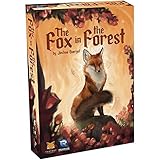
Fox in the Forest is a two-player trick-taking game, which is a category almost nobody recommends and everybody should try. It bridges traditional card games and modern card design, and the card abilities change the trump suit or let you lead after losing a trick.
Rounds finish in 10 to 15 minutes, so you can play several in one sitting, and the box is 4 by 1.25 by 6.25 inches at 0.16 kg. Owners describe it as fitting in a carry-on for travel, date nights and motel room sessions, which is a specific and appealing use case.
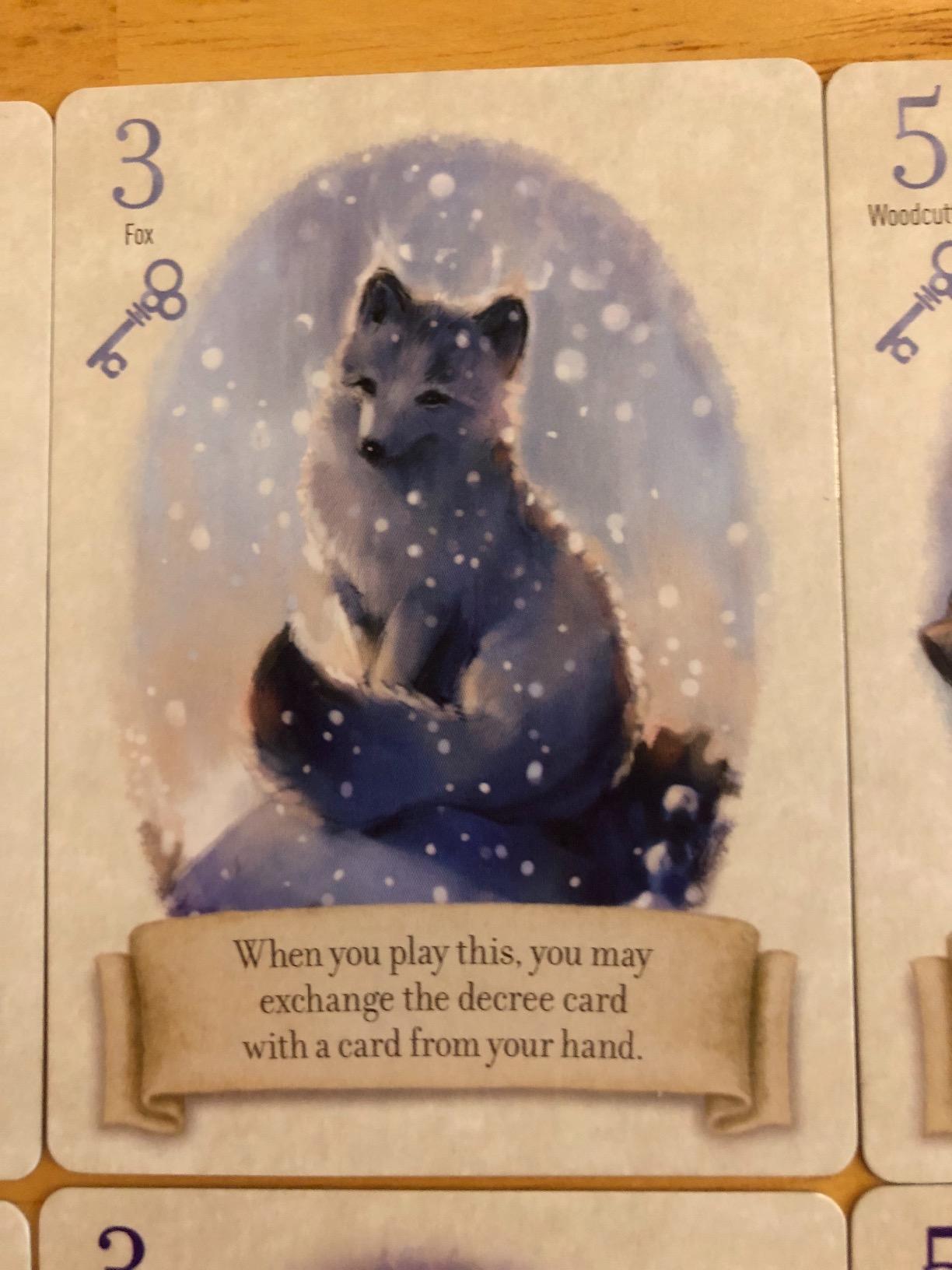
The art is the first thing people mention. It uses a Brothers Grimm inspired fairy tale look with botanical detail and brushwork, and reviewers single it out repeatedly. A reviewer who likes the game but not the theme will still admit the cards are the nicest in this roundup.
It is also balanced specifically for two, with no first player advantage, which is rarer than it should be in trick-taking games. The unusual scoring scale makes comebacks routine rather than theoretical.
What to check before you buy
Check the scoring direction, because this is the one thing that catches people. The scoring is inverted, so you can win by deliberately losing hands, and that confuses newcomers more than the rules themselves do.
Check your card game experience. If neither player has played a trick-taking game, plan two or three rounds before judging it, since owners report it takes a few games before the strategy clicks.
When to skip it
Skip it if the pair wants a story. The theme is lightly realised, with little beyond the illustrations, and players who care about narrative will find the setting thin.
Skip it if you already play a lot of traditional trick-taking. Some reviewers feel a standard playing card deck could approximate the experience, which is a fair criticism for experienced card players.
13. Patchwork Americana – The Quiet Quilting Puzzle
Patchwork Americana Edition Board Game – A Two-Player Quilting Strategy Game by Uwe Rosenberg! Interactive Puzzle Game for Kids & Adults, Ages 8+, 2 Players, 30 Minute Playtime, Made by Lookout Games
2 players
30 minute playtime
33 patches
Quilt boards and button tiles
Pros
- Quilting theme makes a spatial puzzle tactile and relaxing
- Accessible to children as young as 8
- Consistent 30 minute length
- Fresh Americana art and components
- Button tiles make scoring tangible
Cons
- Essentially a reskin of the base Patchwork
- Low interaction compared with head to head duels
- Theme is niche and does not appeal to everyone
Patchwork Americana is Uwe Rosenberg’s two-player quilting puzzle in a new American theme, and it is the calmest game in this list. You and your opponent lay fabric patches on 9 by 9 quilt boards, aiming to build the highest scoring quilt with no empty spaces.
Buttons are the currency. You spend time and buttons to take patches from the shared supply, and at the end of each round the button tiles convert into score. It is playable from age 8, which is one of the lower entry ages in a two-player game.
What to check first
Check whether you already own an original Patchwork. Owners are direct that this is functionally the same experience, so if the original is on your shelf the only question is whether the new art and theme justify owning a second copy.
Check the theme honestly. Americana quilting is specific and appealing to some players and completely neutral to others, and a large part of the value here is the artwork rather than the mechanics.
When to skip it
Skip it if the pair wants interaction. This is the clearest example on the list of a two-player game that drifts toward two separate puzzles, since much of play is solitary placement on your own board. The shared patch supply keeps it competitive but quiet.
Skip it if either player needs a longer evening. The consistent 30 minute length is a virtue for a weeknight and a limitation for a game night.
14. Forbidden Island – The Co-Op That Scales Down to Two
Gamewright Forbidden Island, 1st Edition Board Game, 2-4 Players, Ages 14+
2 to 4 players
30 minute playtime
Cooperative
Adjustable difficulty
Pros
- Cooperative design gives couples a non competitive option
- Easy to teach with variable difficulty levels
- Rising water and flooding create escalating tension
- Random island setup makes every playthrough different
- Tin storage box doubles as the container
Cons
- Supports up to four so it is not a dedicated two player title
- Winning is genuinely difficult at higher settings
- Needs a reasonably large table for the island
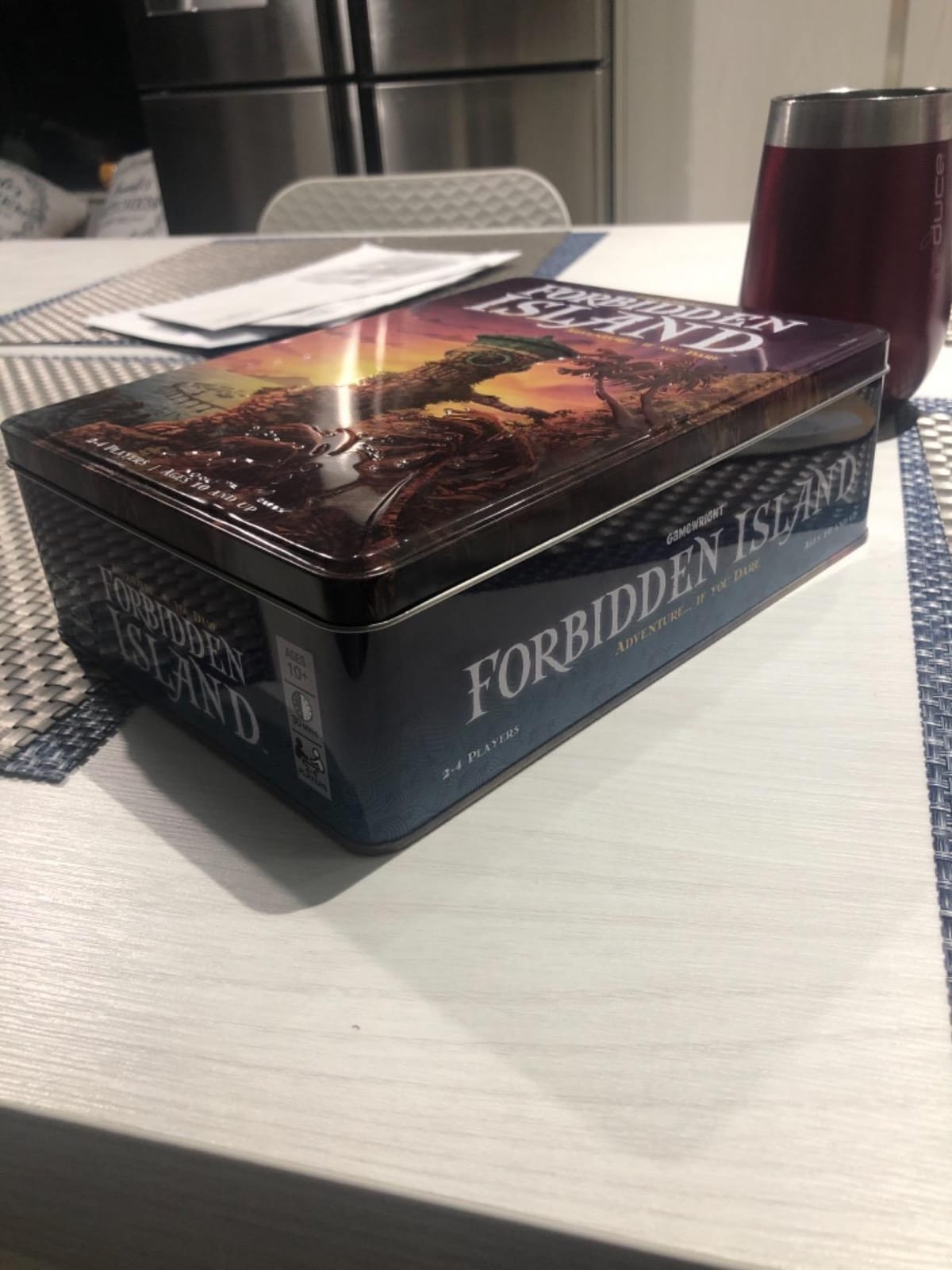
Forbidden Island is the one I suggest when a pair has played a hundred competitive games and wants to be on the same side for once. You collect treasures and escape before the island sinks beneath rising flood waters, together or not at all.
It officially supports 2 to 4 players, and it is a co-op, so it does not technically meet the dedicated two-player test. I include it because it plays well with two, because it carries by far the largest pool of owner reviews in this roundup, and because the cooperative two-player slot on most lists is otherwise empty.
The rising water mechanic is the whole game. Every turn the water level climbs, revealing two more tiles, and the flood cards sitting in the treasure cache make the pressure visible. You both fail or both succeed on the same board.
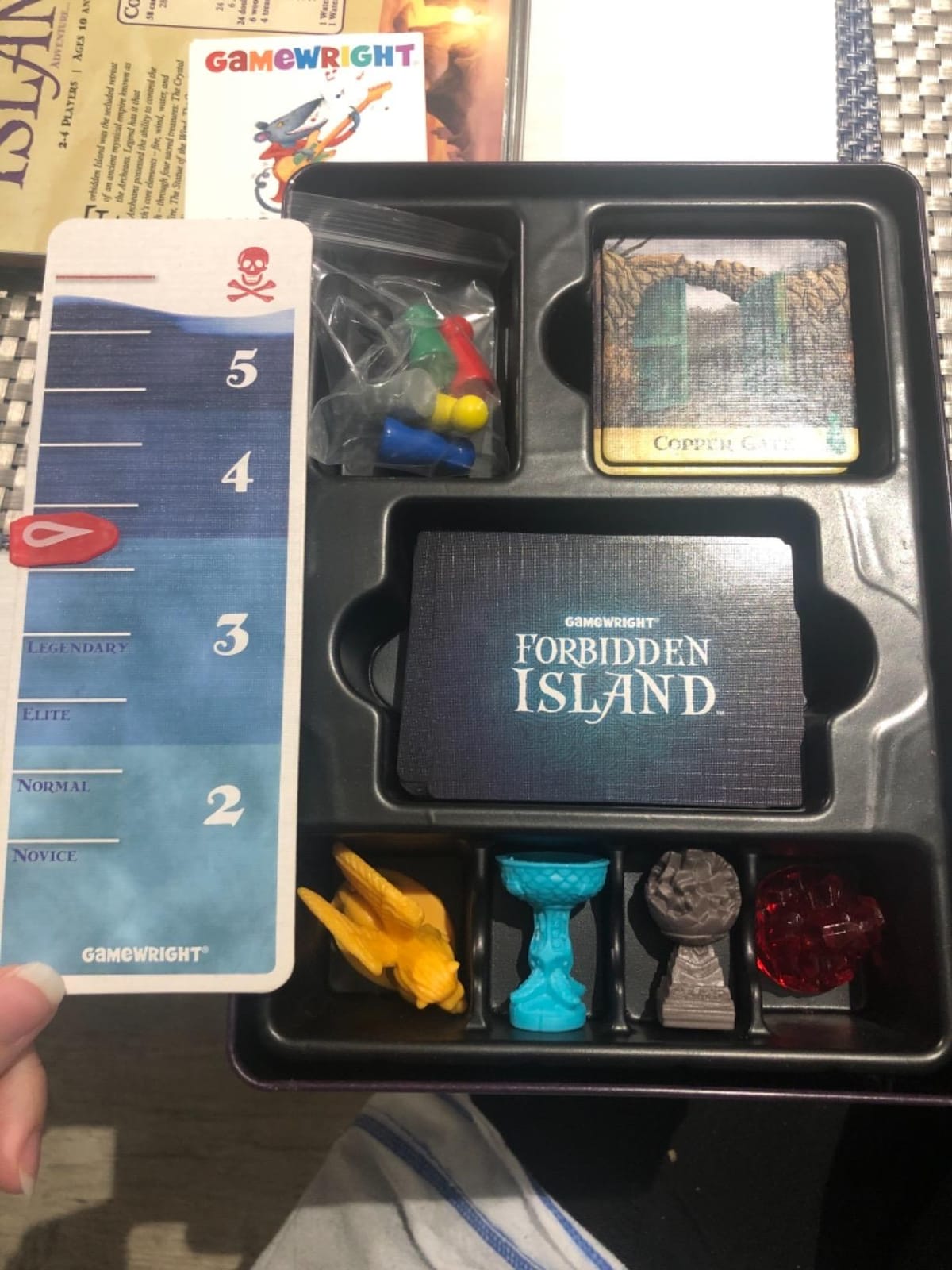
What makes it the best co-op entry point is the variable difficulty. You start as novice treasure hunters and escalate through specialist roles, so the pair can tune how hard the game pushes. Reviewers describe it as one of the best introductory cooperative Euro games precisely because it is easy to teach and hard to win.
The random island setup means every playthrough feels different, and the metal tin that doubles as the game container is a widely praised practical detail. Sessions run about 30 minutes and the box is 6.5 by 8.75 by 2.75 inches.
What to check first
Check the table and check the two of you. Owners note it needs a reasonably large table to lay out the island comfortably, which is the same small-table problem that affects any game with a shared board.
Check whether losing together is something you enjoy. Winning is genuinely difficult, particularly at higher difficulty settings, and a pair that finds shared defeat corrosive will need to start on the lowest setting.
When to skip it
Skip it if the pair specifically wants a two-player exclusive. It scales to four, so it belongs in a general family shelf rather than a dedicated two-player shelf, and a couple with a regular third or fourth player will get more out of it.
Skip it if the pair wants a light game. The difficulty of actually winning is the point, and that is the opposite of what a casual evening needs.
15. Wavelength – A Party Game That Works as a Date Night
CMYK Wavelength – A Mind Reading Party Game
2 to 12 players
30 minute playtime
84 clue cards
5 second setup
Pros
- Setup takes seconds and rules teach in about a minute
- Dial mechanic produces genuinely funny exchanges
- Scales from two to a large group without rule changes
- Works with mixed ages including children and grandparents
- Playable straight from the box with invented prompts
Cons
- The default card prompts can run dry after many plays
- Works better with a talkative partner than a shy one
- Scoring is largely luck-driven rather than strategic
Wavelength is the pick I would make for a date night here, and the reason is that the game is not really the point. You turn a dial to a target position, the other player points at a card, and then the two of you argue about where the clue sits on a spectrum until one of you is right.
Hot or cold. Soft or hard. Wizard or not a wizard. It takes five seconds to set up, one minute to learn and about 30 minutes to play, and it works for groups from 2 to 12 and up without changing the core rules.
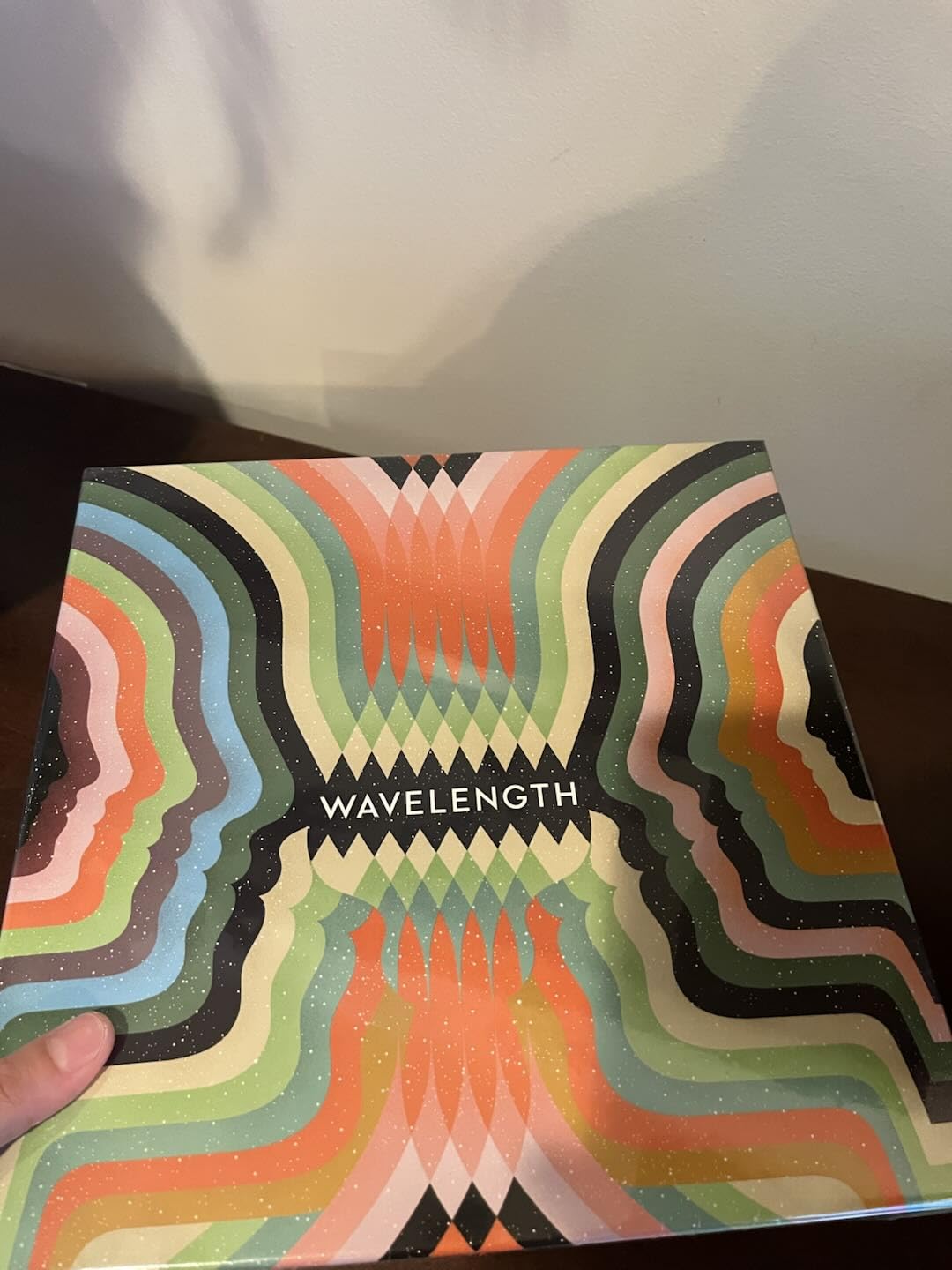
For two players specifically, the dial mechanic is doing a lot of work. Reviewers describe it as producing genuinely funny and revealing conversations, and it works just as well for two people as for a dozen. The box includes one plastic device, 84 Wavelength cards, 42 advanced cards and three scoring tokens.
It is also the most flexible game here. You can play it with two, with a group, or with a partner and guests, and owners note that you can invent your own lefts and rights without the cards at all. The recommended age is 14 for the base game.

What to check first
Check your partner’s personality. This is a talkative game, and reviewers note that quiet or shy players get less from it. It is a poor fit if one of you would rather be doing almost anything than explaining why your clue is slightly off the target.
Check the box size, because this is not a small game. At 10.25 inches square and 1.12 kg it is one of the heavier items in the list, and the plastic device is what gives it its table presence.
When to skip it
Skip it if either player wants to be good at the game. Scoring is largely luck driven rather than strategic, and a competitive player will get frustrated with a result that has little to do with how well they played.
Skip it if your pair has played it a lot. The stock card prompts can run dry and feel repetitive after many plays, which is the most common criticism in the reviews, and at that point the advanced deck is the fix.
How to Choose a Two-Player Game That Actually Gets Played
Every list like this one eventually fails the same way: the reader buys four games and plays one. The deciding factor is almost never quality. It is whether the game matches your evening, your table, and the two people sitting at it.
The first question is the one the search results keep asking. Do you want cooperative or competitive? Cooperative games produce a shared win or a shared loss, and they work when a couple wants to be on the same side. Competitive games produce a winner and a loser, and they work when you both want the tension. Buying the wrong one is the most common mistake, and it is easy to make because the boxes look similar on a shelf.
The second question is time. A two-player game has one advantage that most games lack: there is no waiting. So the box playtime estimate is closer to real than it is in a four-player game, and you can trust it. A 30 minute game is genuinely 30 minutes, which makes it ideal for a weeknight. A 60 minute game is a commitment, and the pair who buy a 60 minute game on a Tuesday are the pair that stops playing games on Tuesdays.
The third question is complexity, and the rule here is simple. Match the complexity to the less experienced player. Not the average, not the more experienced one, the less experienced one. A game one person finds easy and the other finds heavy is a game one person will keep proposing and the other will keep declining, and that asymmetry quietly ends game nights faster than a bad purchase does.
That leads to the question every forum thread asks, so here is a progression. Start with a game that teaches in under three minutes: Othello, Onitama or Connect 4. Move up to a game with a real decision but a shallow ruleset, and Jaipur is the right next step. After that come the duels with genuine depth, 7 Wonders Duel and Splendor Duel, where the second play is much better than the first. Save games like Rivals for Catan for when both players already want them. The ladder works in both directions, and moving down a rung is not a failure.
For travel and small tables, the criteria are different and much stricter. Skeletons, Onitama and Fox in the Forest are all small enough for a laptop sleeve or a jacket pocket, and Jaipur, Splendor Duel and Patchwork Americana all fit in a small bag. Check the footprint against your actual table, because a 10.51 inch square board like Stratego’s is a real constraint in a small apartment even though it is a modest board by game standards.
Then there are the games to rule out. Several famous games become glorified solitaire at two players, which means both people are doing separate puzzles in the same box with a shared box lid between them. The signs are always the same: turns where neither player reacts to the other, and a final score that was decided five turns before the end. Patchwork Americana is the honest example in this list, since much of its play is solitary placement even though the patch supply is shared.
Also rule out any game where one player is eliminated or knocked out early. Elimination is a disaster at two players, because it turns a contest into a spectator sport and there is no third player to pick up the slack. The best two-player games on this list have no elimination, which is not a coincidence.
One last filter: play before you commit on a big evening. Every game on this list has a rulebook that is shorter than you expect, but the iconography still takes one round to decode, and a throwaway game is much better than a confusing one. A dedicated two-player shelf, built slowly over a few years, will outlast any single purchase, and starting with 7 Wonders Duel and Jaipur covers almost every situation a pair of people actually has.
If you are building a wider collection, our guides to games like Celeste, 12 games like Unpacking, games like Octopath Traveler, games like Hades and games like Vampire Survivors cover the video game side of the shelf, for the nights when the plan is screens rather than a table.
Frequently Asked Questions
What is the best two-player co-op board game?
Forbidden Island is the best starting point for a pair, because it scales to two, teaches in one round and has adjustable difficulty so you can start easy. It runs about 30 minutes. If you want a co-op built strictly for two, the closest options in this roundup are shorter and more abstract, so buying a dedicated co-op alongside it is worth it for most couples.
What are the top 10 board games for couples?
In order: 7 Wonders Duel, Jaipur, Patchwork Americana, Forbidden Island, Wavelength, Onitama, Splendor Duel, Othello, Fox in the Forest and BOOP. The first three cover competitive depth, card play and a quiet puzzle, while the rest range from a two minute teach to a genuinely competitive gem battle. Playtime across the ten runs from 5 to 30 minutes.
What are some good board games for two players?
7 Wonders Duel is the strongest all-round pick, a 30 minute engine builder with three ways to win and a hidden card pyramid. Jaipur is the best value option, teachable in minutes with a 30 minute round. Othello and Onitama are the easiest entry points, and Onitama finishes in about 10 minutes. For cooperative play rather than competitive, Forbidden Island is the pick.
What are some good board games for couples?
The best couples games are the ones you can play while talking rather than in silence. Wavelength is the strongest example, since the conversation is the entire game. Jaipur, Fox in the Forest and Onitama also allow conversation without costing you a turn. Match the complexity to the less experienced player, and avoid elimination, which turns a two-player contest into a spectator sport.
Are two-player board games less fun than the same game with more players?
Games designed for two are usually better, not worse, because the designer removed the waiting. The problems appear with games that merely scale down to two, where turns stop interacting and both players end up solving separate puzzles. Tell the difference by asking whether every turn is a direct response to what the other player just did. If it is, the two-player version is the intended experience.
The Verdict: Best Board Games for Two Players in 2026
If you only buy one, buy 7 Wonders Duel. It is the benchmark dedicated two-player game in 2026, it finishes in 30 minutes, and it is the one on this list that reviewers most often call the best two-player game in their collection.
Add Jaipur for a card game that fits in a bag and teaches in minutes, and Forbidden Island if you want to win together instead of against each other. Those three cover competitive depth, portable card play and cooperative play, which is close to the full map of what a two-player shelf needs.
Beyond that, pick by constraint rather than by hype. Short evening means Onitama or Fox in the Forest. Mismatched experience means Jaipur or Othello. Conversation matters means Wavelength. A long slow night with proper table space means 7 Wonders Duel or Mandala, and nothing else on the list needs that much room or that much attention.