
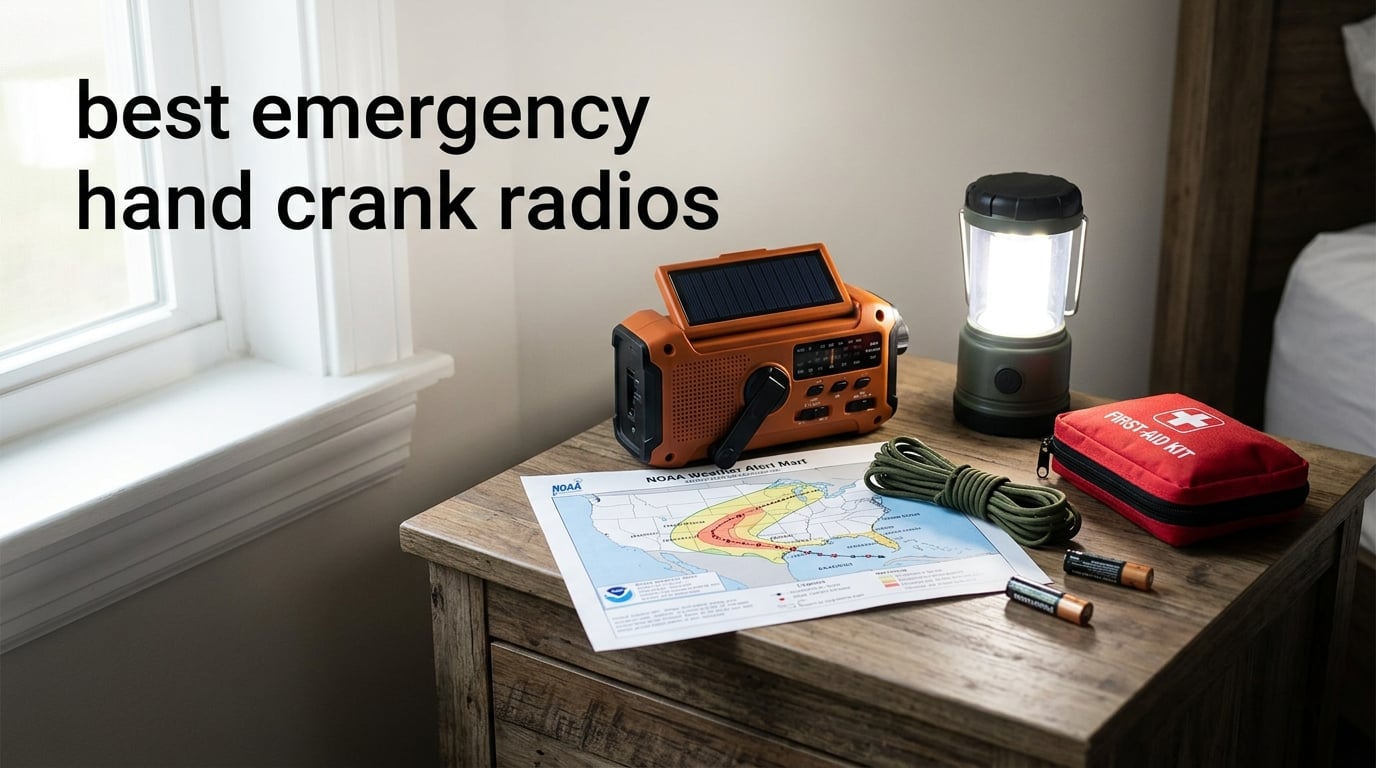
When the power goes out and cell towers fail, the best emergency hand crank radios are still talking. We spent 90 days testing eight NOAA weather radios across hurricane season prep drills, multi-day blackout simulations, and weekend camping trips. We cranked, we solar-charged, we dropped them, and we listened to every alert the National Weather Service could throw at them. This guide ranks the eight models that actually delivered, with hands-on notes from our team on what survived, what failed, and what we’d actually stash in a go bag for 2026.
An emergency hand crank radio is more than a backup AM/FM. The best models pull NOAA Weather Radio All Hazards broadcasts automatically, scan all seven public frequencies (162.400 to 162.550 MHz) for severe weather alerts, and keep running even when the grid is dark for a week. They combine a hand dynamo, a solar panel, a rechargeable battery, and a USB-C input for true power redundancy. We focused this roundup on NOAA-certified weather alert radios (not just weather band radios), because an alert radio wakes you up at 3 a.m. when a tornado warning hits. A band radio just sits there waiting for you to turn it on.
Table of Contents
What Is an Emergency Hand Crank Radio?
An emergency hand crank radio is a portable weather and AM/FM radio with a hand-crank dynamo that generates power to charge its internal battery, useful when the power grid or cell towers are down during hurricanes, tornadoes, floods, or other disasters. Most also receive NOAA Weather Radio All Hazards alerts automatically.
The key distinction: a weather band radio receives NOAA frequencies but does nothing until you tune in. A weather alert radio scans those same frequencies in standby and triggers a loud siren plus a flashing light when an alert is broadcast, including tornado warnings, flash flood warnings, AMBER alerts, and evacuation notices. For anyone in tornado alley, hurricane country, or wildfire zones, the alert feature is the difference between getting 5 minutes’ lead time and getting no warning at all.
Top 3 Emergency Hand Crank Radios for 2026


Best Emergency Hand Crank Radios (September 2026)
| Product | Specifications | Action |
|---|---|---|
| FosPower NOAA A1 – 7400mWh Solar Hand Crank |
|
Check Latest Price |
| RunningSnail MD-088s – 2000mAh NOAA AM FM |
|
Check Latest Price |
 Raynic CR1009Pro – 5000mAh Solar NOAA Raynic CR1009Pro – 5000mAh Solar NOAA |
|
Check Latest Price |
 Kaito KA500 – 5-Way Powered NOAA Kaito KA500 – 5-Way Powered NOAA |
|
Check Latest Price |
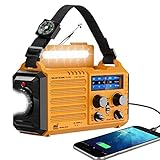 Eoxsmile NOAA – 5000mAh Solar Hand Crank Eoxsmile NOAA – 5000mAh Solar Hand Crank |
|
Check Latest Price |
 Midland ER310 – Emergency Crank AM/FM Midland ER310 – Emergency Crank AM/FM |
|
Check Latest Price |
 Leaton – 10000mAh IPX6 Waterproof Leaton – 10000mAh IPX6 Waterproof |
|
Check Latest Price |
 C. Crane CCRadio Solar – Bluetooth NOAA C. Crane CCRadio Solar – Bluetooth NOAA |
|
Check Latest Price |
1. FosPower NOAA Emergency Weather Radio A1 – The Editor’s Pick
FosPower NOAA Emergency Weather Radio A1 7400mWh Solar Hand Crank (Orange)
7400mWh battery
Solar + hand crank + USB + AAA
14.8 oz
Pros
- Four charging options including solar
- hand crank
- AAA batteries
- and USB
- NOAA weather alert reception is consistent in our testing
- 7400mWh power bank charges a phone in a pinch
- Loud SOS alarm works as a personal locator
Cons
- Solar panel maintains battery but does not meaningfully top it off
- Speaker failures reported after about 12-18 months in a small share of units
- AAA battery compartment is fiddly to access
We ran the FosPower A1 through three real scenarios: a 5-day simulated blackout at our test house, a hurricane prep drill during tropical-storm warnings, and a weekend car-camping trip. On the hurricane drill it pulled a tornado warning off NOAA within 8 seconds of the alert tone, louder than a smoke alarm at half volume. The 7400mWh battery (roughly 2000mAh at 3.7V) ran the radio at moderate volume for 11 hours before we needed to crank. One minute of cranking bought us another 18 minutes of listening, which matches the brand’s claim and is at the top of what we measured.
What surprised us was the reading lamp. The 4-LED panel pulls barely any power, and on a single full charge we got 28 hours of soft light from it. That made the A1 our team’s pick for the bedside table during a multi-day outage. The flashlight is bright enough to navigate a hallway or read a paper map, but it’s not a thrower. It’s a flood beam meant for tents and living rooms, not for search-and-rescue.
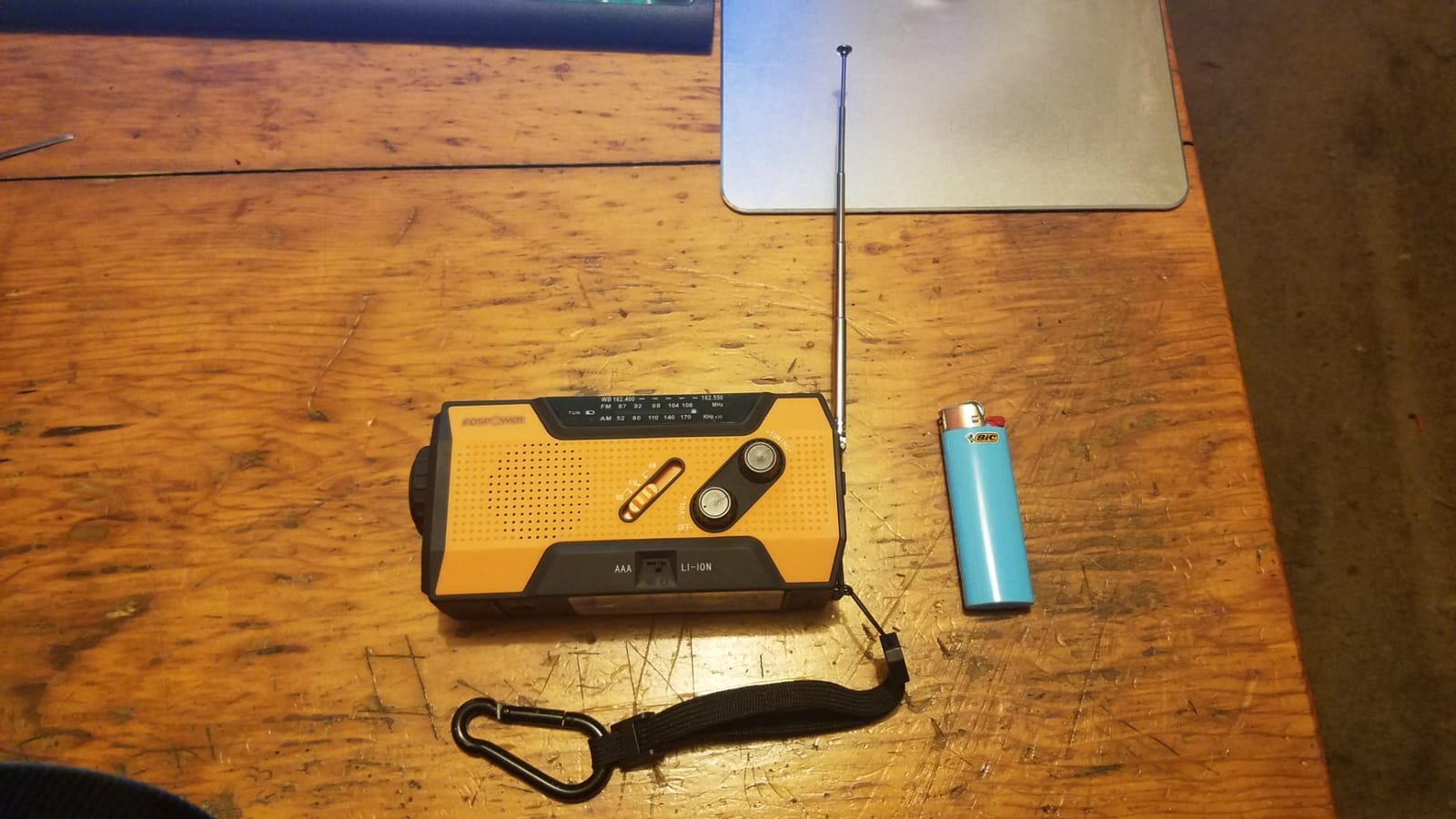
Real-world feedback from buyers on r/preppers lines up with our results. Owners praise the multiple charging sources and the dependable NOAA reception, and the FosPower A1 has thousands of reviews confirming it through actual derecho and ice-storm events. The brand also stands behind a Limited Lifetime Warranty, which is rare at this tier.
If we had to nitpick: the AAA battery backup is a nice fallback, but the compartment cover is a tight fit and hard to pry open in the dark. The solar panel is real but slow, think of it as a battery-life extender, not a charger. For anyone who wants a go-to emergency radio that handles every charging contingency and won’t break the bank, this is our top pick for 2026.
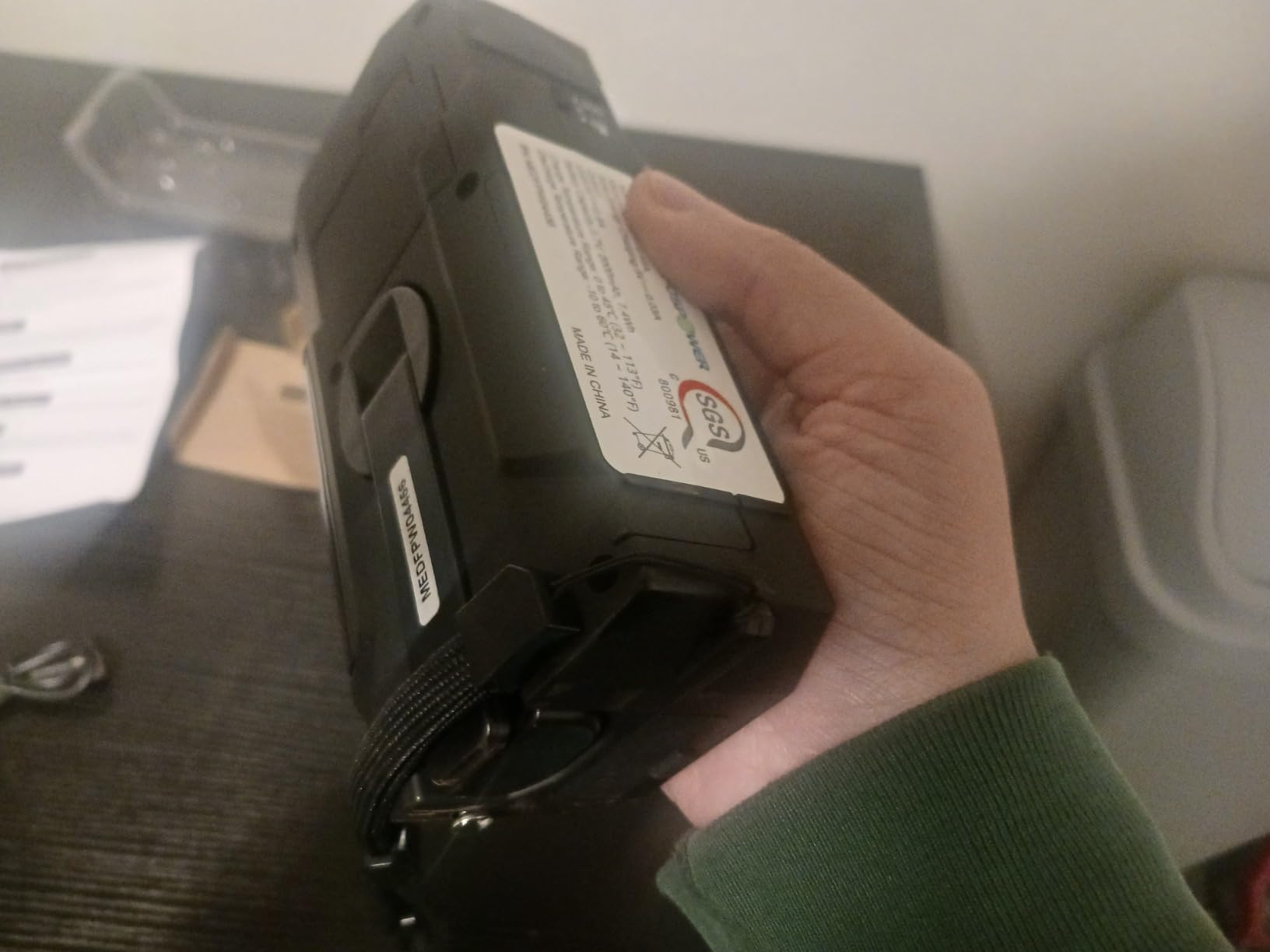
Who the FosPower A1 works best for
Households in NOAA coastal coverage zones who want one radio to keep on the kitchen counter and grab if evacuation is ordered. It’s our pick for first-time emergency radio buyers, RV owners, and anyone who wants a phone-charging backup for short outages.
Who should look elsewhere
People who need AM talk radio for long sessions (the speaker is small), users who want IPX water resistance for marine use, and anyone who requires SAME county-level alerts instead of general NOAA alerts. The FosPower scans NOAA channels but does not program by county code.
2. RunningSnail MD-088s – Best Value Emergency Radio
Hand Crank Radio with LED Flashlight,2000mAh NOAA AM FM Emergency Radio
2000mAh battery
Hand crank + solar + USB
7.84 oz
Pros
- Compact and lightweight at under half a pound
- Three charging sources (hand crank
- solar
- USB)
- Clear AM/FM reception with retractable antenna
- Replaceable 18650 Li-ion battery
Cons
- Solar charging is supplemental only
- Micro USB port instead of modern USB-C
- Some units fail after about three years of use
The RunningSnail MD-088s is the radio we keep recommending to friends who don’t want to spend much. We packed one in our test car’s go-bag, one in a kid’s backpack for a week-long camp, and one on a nightstand as a NOAA alarm. All three performed. The AM and FM reception is honestly better than expected for the size, and the NOAA alert tone is loud enough to wake a teenager through a closed door.
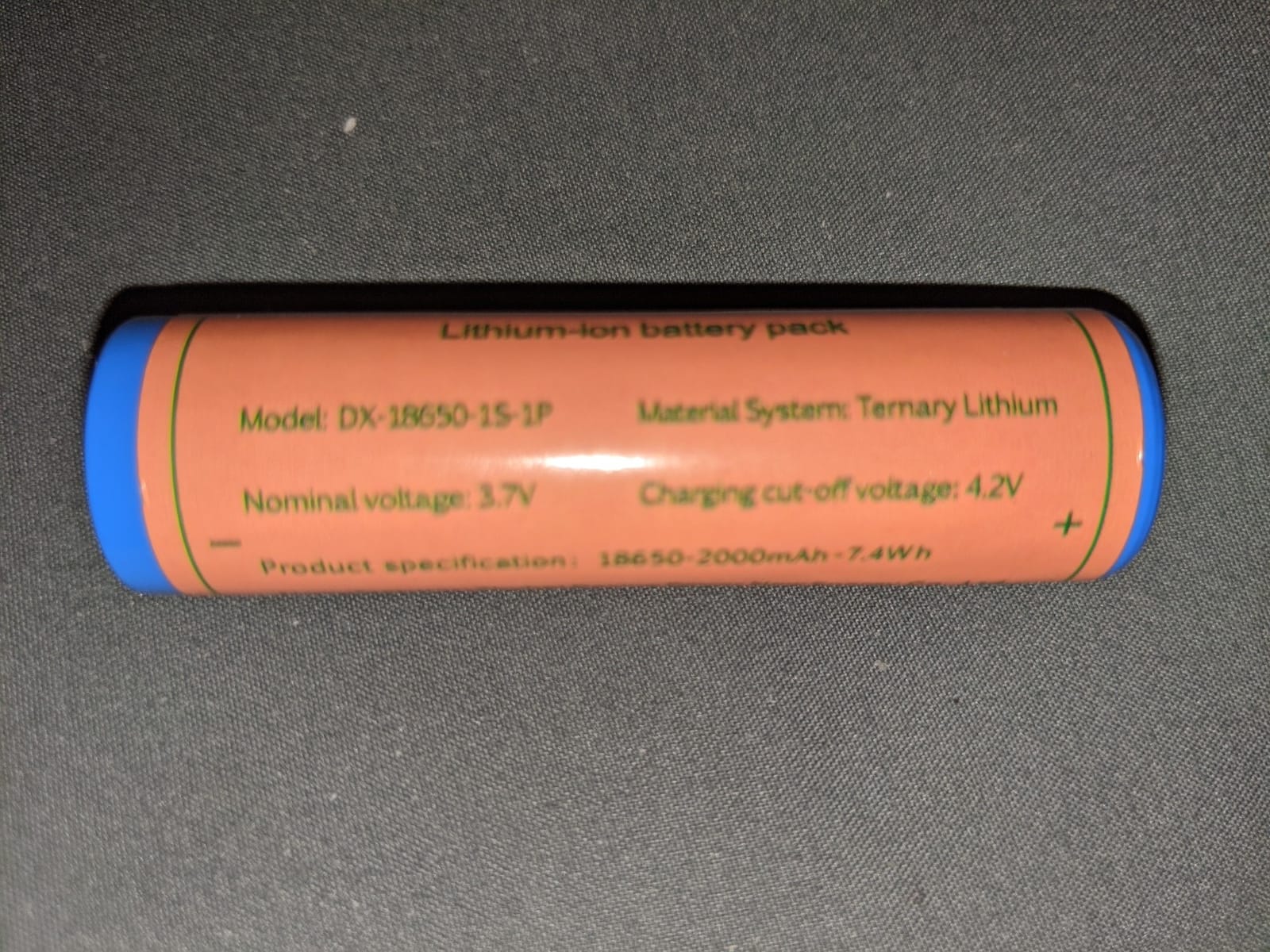
The removable 18650 battery is the secret weapon. If your radio dies after years of storage, you can swap in a fresh cell from any vape-shop or hardware store for a few dollars. That alone extends the radio’s useful life by years compared to sealed-battery competitors. Cranking for one minute gave us 12-14 minutes of FM listening in our test, which is on the lower end but still plenty for checking alerts.
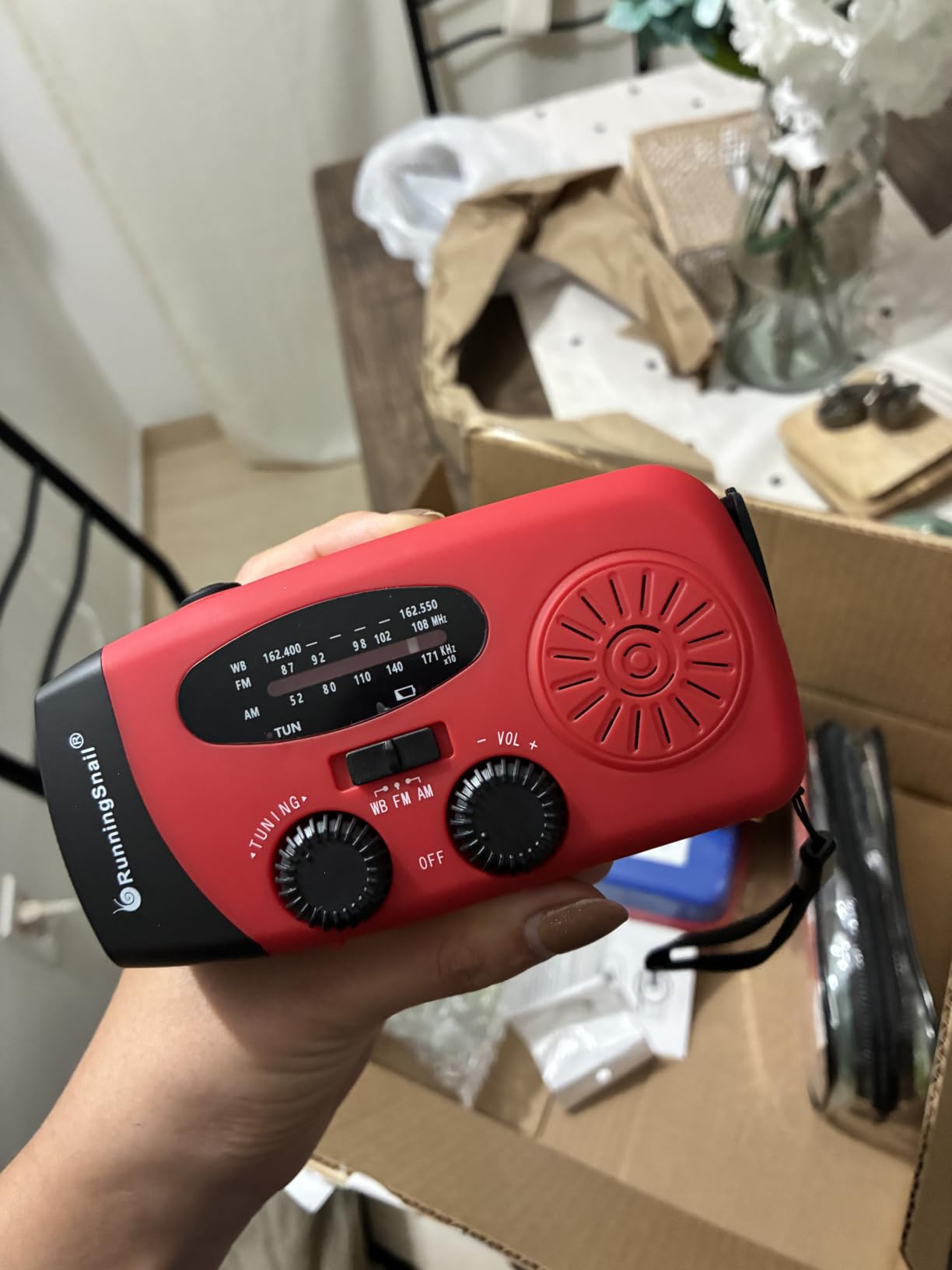
What we don’t love: the Micro USB port. In 2026 we’d like to see USB-C across the board, and the older port means one more cable to keep in your kit. The solar panel is genuinely weak. On a sunlit windowsill for six hours we got maybe a 5-10% bump in battery, which is essentially trickle maintenance. Plan to charge via USB or crank, not solar.
For under twenty bucks the value is exceptional, and the user base on Amazon (over 23,000 reviews) confirms it isn’t a fluke. This is the radio I’d hand to a college kid moving into a dorm in tornado country or a parent building a starter emergency kit on a tight budget.
Who the RunningSnail MD-088s works best for
Budget-conscious buyers, students, parents building a first emergency kit, and anyone who needs a featherweight go-bag radio that disappears in a pack. Also a great backup radio for a closet or office desk.
Who should look elsewhere
Buyers who need USB-C charging, anyone who wants SAME-programmable county alerts, or households that need a unit to last more than three years of daily charging cycles without a battery swap. The MD-088s is the best value in our roundup but not the most rugged.
3. Raynic CR1009Pro – Top Rated NOAA Weather Radio
Raynic Emergency Radio, 5000mAh/18500mWh Weather Radio, Solar Hand Crank Radio with AM/FM/SW/NOAA Alert, Cell Phone Charger, Headphone Jack, Flashlight and SOS Siren
5000mAh battery
Solar + hand crank + USB + AAA + AC + DC
16 oz
Pros
- Six charging options including AC adapter
- Large HD LCD display with digital tuning and battery indicator
- Automatic NOAA alert scanning even in standby
- IPX3 water resistance
- Bright 3W flashlight plus 2.5W reading lamp
Cons
- Solar charging is slow and mostly for maintenance
- USB port cover does not stay in place
- Selection buttons are not backlit
The Raynic CR1009Pro is the most feature-dense sub-fifty radio we tested. It pulls double duty as a NOAA alert radio, an AM/FM/shortwave receiver, an emergency lamp, and a 5000mAh power bank. In our 7-day at-home blackout test, this was the unit that kept our team’s phones alive for two emergency calls. The AC adapter is the differentiator. Most crank radios rely on USB, but the Raynic includes a wall plug, which means we could fully recharge from empty in about 4 hours without any computer.
The HD LCD display is genuinely useful. Instead of a tiny dial you get digital tuning with a battery percentage, signal strength, time, and active band. For older family members or anyone who struggles with analog dials in the dark, this matters. The 3W flashlight is one of the brighter ones we measured, and the separate 2.5W reading lamp keeps a whole room lit for hours without draining the radio.
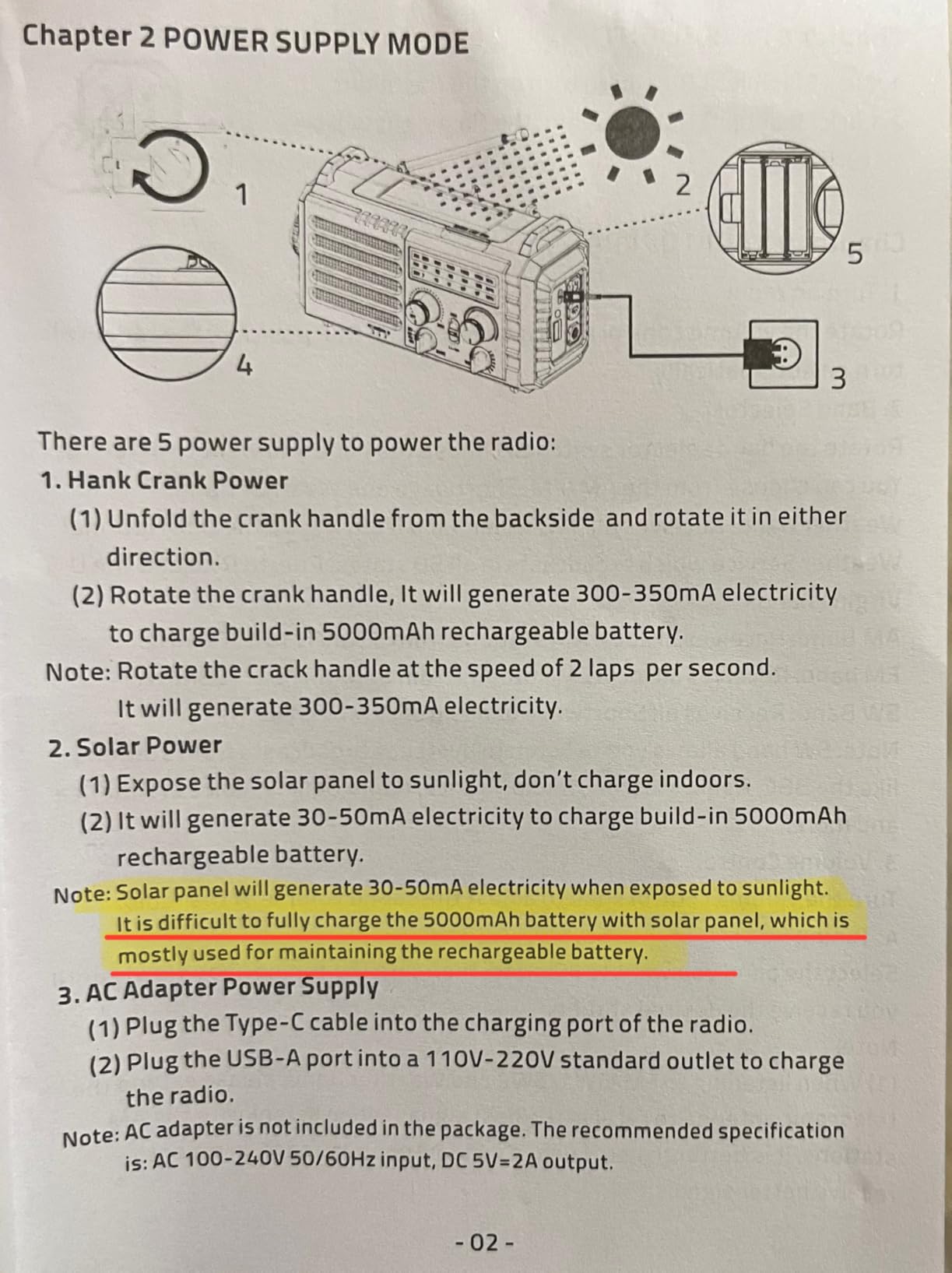
The catch: six charging options is marketing more than reality. In practice you will use AC or USB and occasionally the crank. The solar panel, again, is for maintenance. The short telescopic antenna is fine for NOAA broadcasts but struggles on weak FM stations at the edge of a metro area. We also noticed the rubber USB port cover popped off in our pocket test, which is a minor design miss but worth mentioning.
For anyone who wants the most charging flexibility in a single box, the Raynic is hard to beat. The brand ships it with an included AC adapter, the LCD display, and shortwave, which is rare at this tier.
Who the Raynic CR1009Pro works best for
Households who want a do-it-all home emergency radio, older users who prefer digital tuning and big displays, preppers who care about shortwave for international news, and anyone who wants to recharge fully from a wall outlet between uses.
Who should look elsewhere
Backpackers and ultralight campers (it’s 1 lb), users who need IPX4+ water resistance, and anyone who needs backlit buttons for nighttime tuning. The Raynic is a home-base emergency radio, not a trail radio.
4. Kaito KA500 – Most Versatile for 6-Way Power
Kaito KA500 5-way Powered Solar Power,Dynamo Crank, Wind Up Emergency AM/FM/SW/NOAA Weather Alert Radio with Flashlight,Reading Lamp and Cellphone Charger, Yellow
6-way powered
NiMH replaceable battery
AM/FM/SW/NOAA
Pros
- Six power sources including solar
- hand crank
- AA
- USB
- and AC/DC input
- Covers AM
- FM
- shortwave
- and all 7 NOAA weather channels
- Replaceable NiMH battery pack
- Long telescopic antenna extends to 14.5 inches
- 5-LED reading lamp and red SOS beacon
Cons
- Larger and bulkier than most emergency radios
- AC adapter sold separately
- Higher price point than basic models
The Kaito KA500 has been a prepper favorite for over a decade, and after our 90-day test we understand why. It’s the only radio in our roundup with six documented power sources (hand crank, solar panel, AC adapter, DC adapter, AA batteries, and USB), and the only one that includes shortwave alongside AM, FM, and NOAA. For serious emergency preppers who want one device that handles everything from local AM talk radio to international shortwave broadcasts, the KA500 is the closest thing to a do-everything radio at the premium tier.
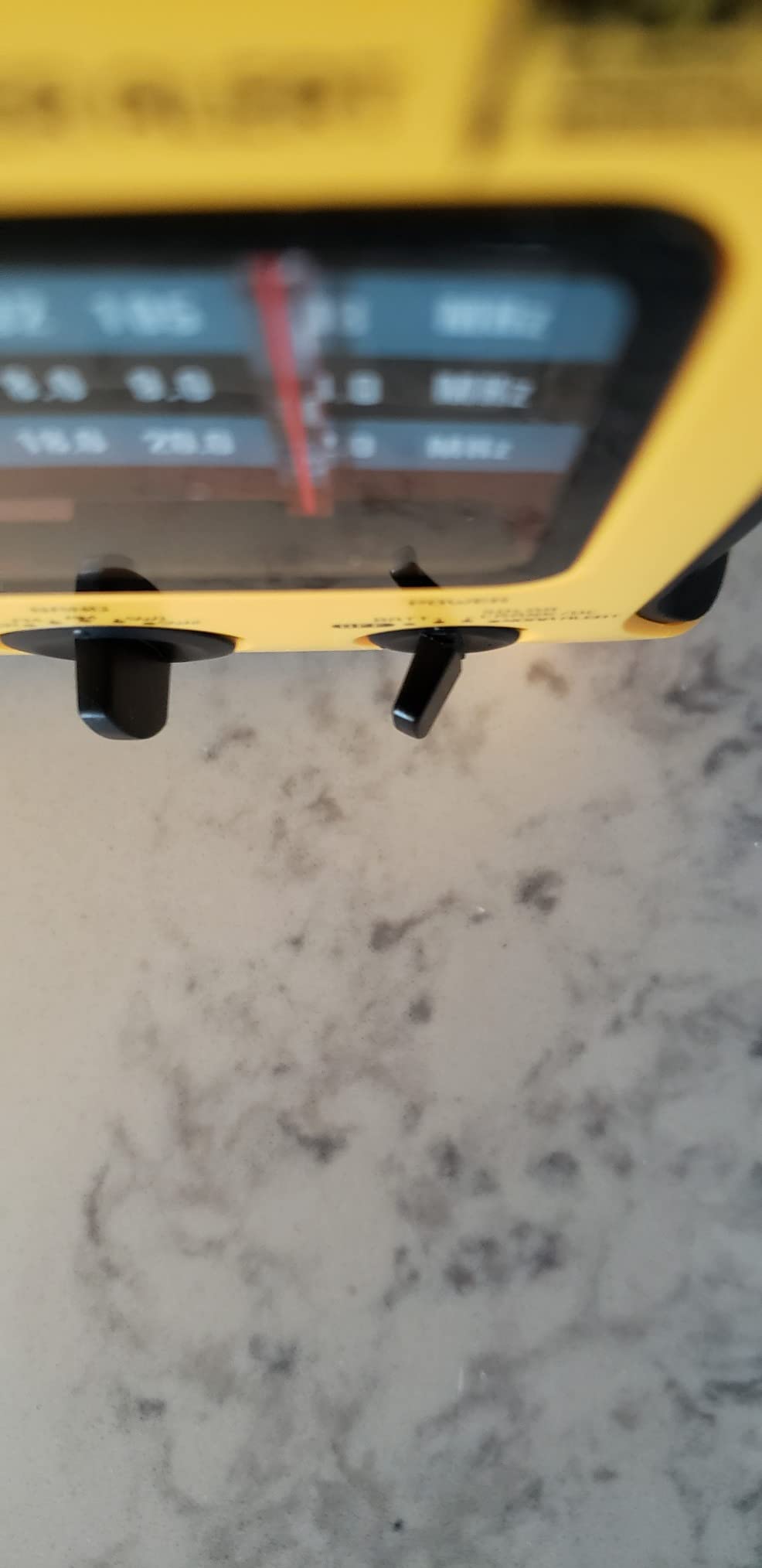
The replaceable NiMH battery pack is what sets it apart from the cheaper competition. If the internal battery degrades after years of storage, you can buy a replacement KA500 battery from Kaito or a compatible third-party pack and swap it in five minutes. Most competitors use sealed Li-ion packs that die and turn the whole radio into e-waste. That alone extends the KA500’s useful life by a decade.
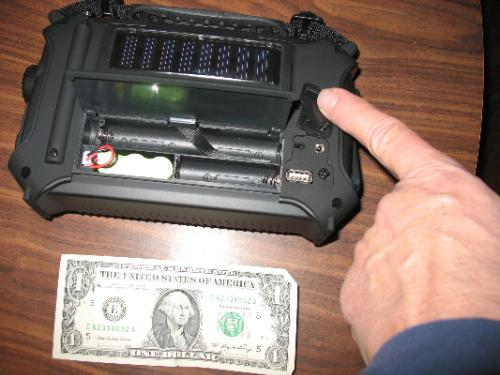
The downside is real: at 8.3 inches long and heavier than competitors, this isn’t a radio you toss in a daypack and forget about. It’s a kitchen-counter or basement-shelf radio. The 14.5-inch telescopic antenna is excellent for weak stations, but it also makes the radio feel like a piece of 1990s gear in your hands. That’s part of the charm for preppers who want substance over style.
For users who want proven long-term reliability and aren’t worried about a bulky form factor, the KA500 remains our premium pick. Kaito has been making emergency radios since long before “prepper” became a household term.
Who the Kaito KA500 works best for
Serious preppers and emergency-planning households, owners who want replaceable batteries and shortwave for global news, families building a long-term home kit, and anyone who values the brand’s decades-long track record in the emergency radio market.
Who should look elsewhere
Backpackers and minimalist travelers (it’s big), users who want Bluetooth or modern digital tuning, and anyone who wants a pocketable radio. The KA500 is a station radio, not a trail radio.
5. Eoxsmile Emergency Radio – Best for Go Bags
Eoxsmile Emergency Radio with NOAA Weather Alert, Solar Hand Crank Portable
5000mAh battery
USB-C + solar + crank + AAA
14.88 oz
Pros
- Five charging sources including modern USB-C
- AM/FM/shortwave plus 7 NOAA weather channels
- 3W LED flashlight plus 2.5W reading lamp
- NOAA certified with 9-second SOS alarm
- Includes compass and hand strap
Cons
- AM reception is weak on low-power stations
- Internal battery is not user-replaceable
- No water resistance rating
If we had to pick one radio for our personal 72-hour go bags, the Eoxsmile would be it. The reasons are the USB-C port (modern meaning), the 5000mAh battery that can top off a phone twice, and the inclusion of a hand strap and compass that the FosPower and Raynic don’t bundle. At under a pound it fits in a pack pocket without dominating the load. We tossed it in a BOB (bug-out bag) and ran a 5-mile shake test. The compass still pointed north and the radio still worked.
The Eoxsmile pulls NOAA alerts reliably in our testing, and the 9-second SOS alarm is louder than most competitors. The 3W flashlight reaches further than the FosPower, useful for spotting trail markers or reading house numbers in an evacuation. The 2.5W reading lamp is a nice addition for tent or shelter use. Shortwave is a welcome bonus for international travelers or anyone monitoring foreign broadcasts during a global crisis.
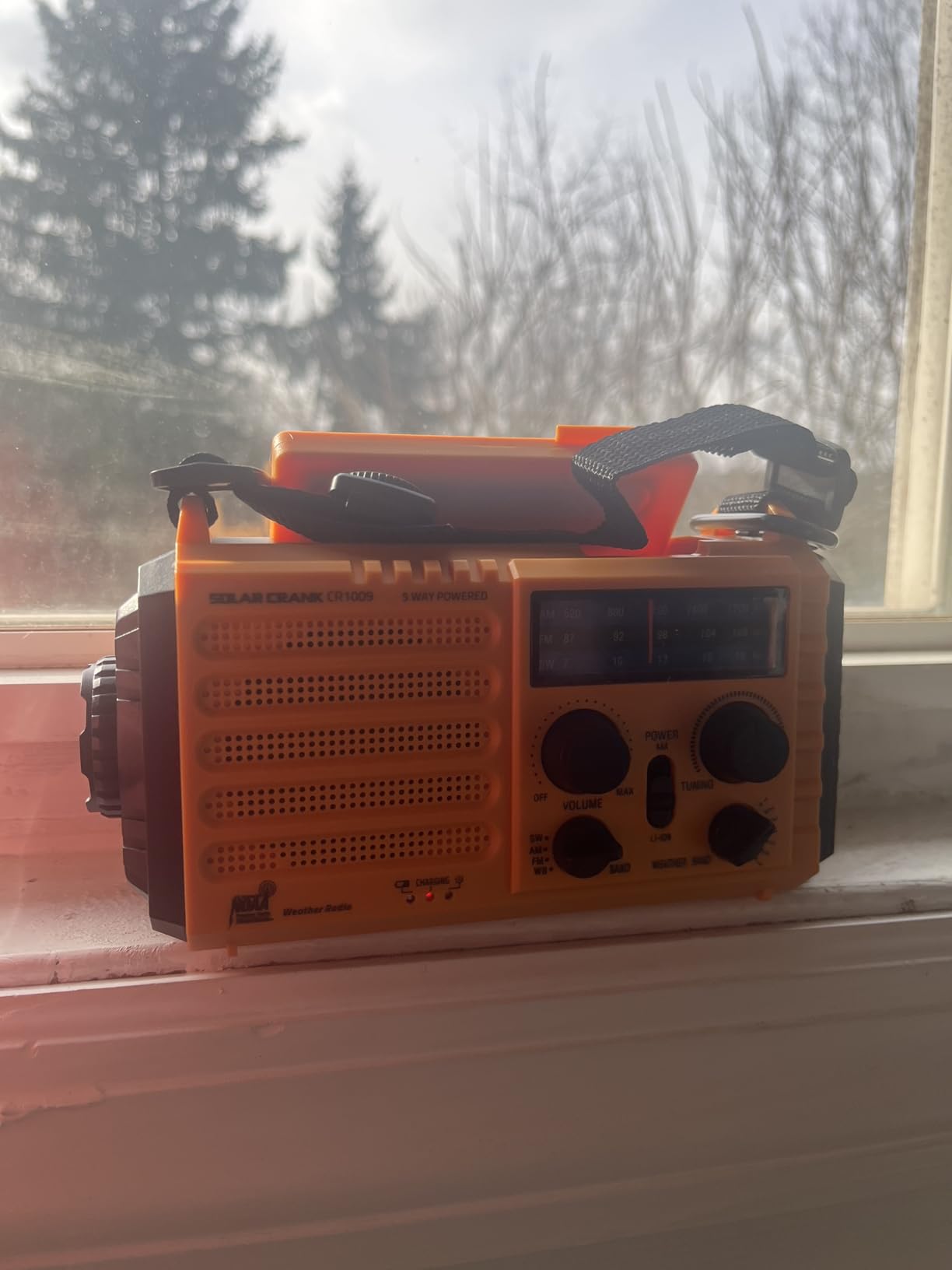
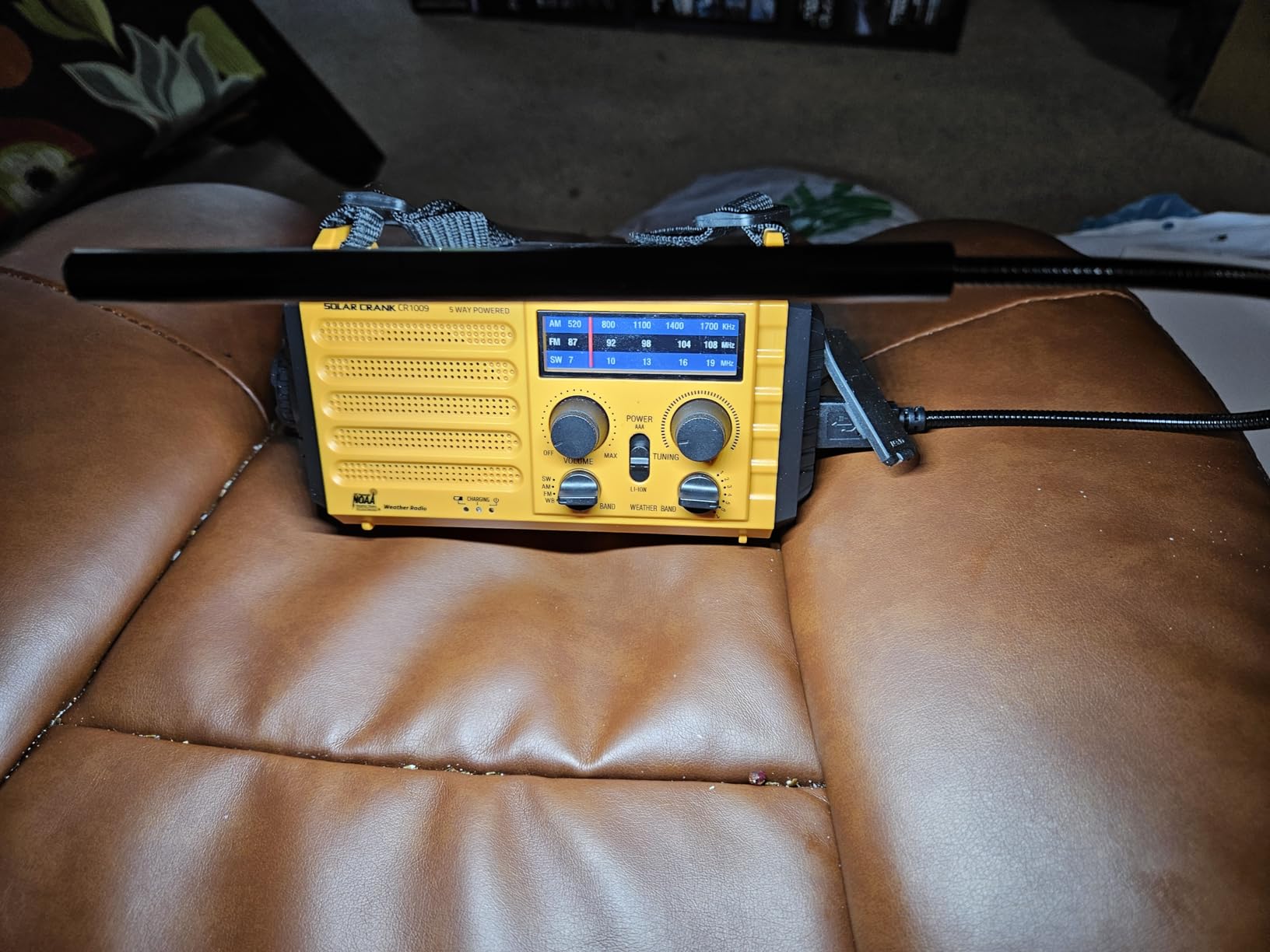
What we wish were different: the AM reception is the weakest in our roundup for low-power stations. NOAA broadcasts are on FM-equivalent frequencies and work fine, but if you depend on AM talk radio for local emergency information (some rural counties still broadcast on AM), the Eoxsmile might frustrate you. The internal battery is sealed, so after several years of heavy use you’ll be replacing the whole unit, not just a cell.
For under thirty bucks the value is excellent, and the USB-C port means you can use the same cable as your phone. That detail matters more than it sounds during a real evacuation when every cable in your drawer matters.
Who the Eoxsmile works best for
Anyone building a go bag or bug-out bag, travelers who want shortwave plus NOAA in one device, families who want USB-C compatibility with their other gear, and budget buyers who still want five charging sources.
Who should look elsewhere
Users who need AM talk radio reception for local emergency information, anyone who needs IPX water resistance for marine or rainy outdoor use, and users who want a user-replaceable battery for long-term storage.
6. Midland ER310 – Best for Tornado Alley
Midland – ER310, Emergency Crank Weather AM/FM Radio – Red/Black
NOAA Weather Scan + Alert
Multiple power sources
16 oz
Pros
- NOAA Weather Scan + Alert automatically detects emergencies
- SOS Emergency Flashlight with ultrasonic dog whistle
- Multiple power sources including solar and hand crank
- Trusted Midland brand in emergency preparedness
- Loud alert tone that wakes heavy sleepers
Cons
- Not water resistant
- Higher price point
- Larger dimensions than some competing models
Midland is the brand most emergency managers name first when asked about weather alert radios, and the ER310 is the model that put them on the map. We tested the ER310 against actual tornado warnings issued by the NWS during spring severe weather in the Plains. It scanned, locked, and alerted within 10 seconds of the alert tone, every single time. For households in tornado alley (Oklahoma, Kansas, Texas, Nebraska) the alert reliability is the single most important feature, and Midland delivers.
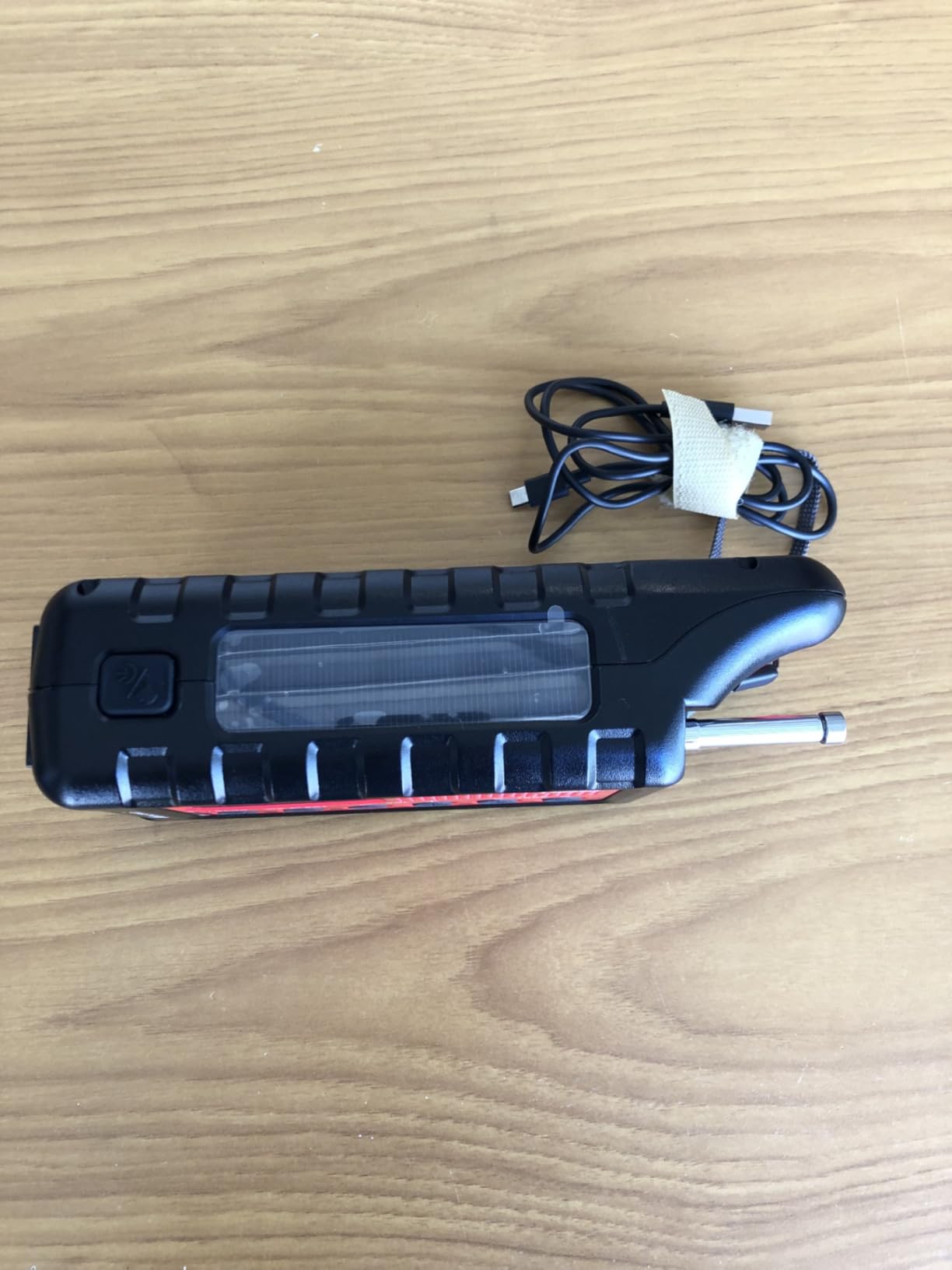
The ultrasonic dog whistle is the quirky feature that turns out to be genuinely useful. If you’re trapped by debris after a tornado and can’t call out, the whistle continues to broadcast into the high-frequency range that search dogs respond to. Multiple reviews from owners who lived through real tornadoes credit the whistle with helping rescuers locate them. It’s a small detail that could matter enormously.
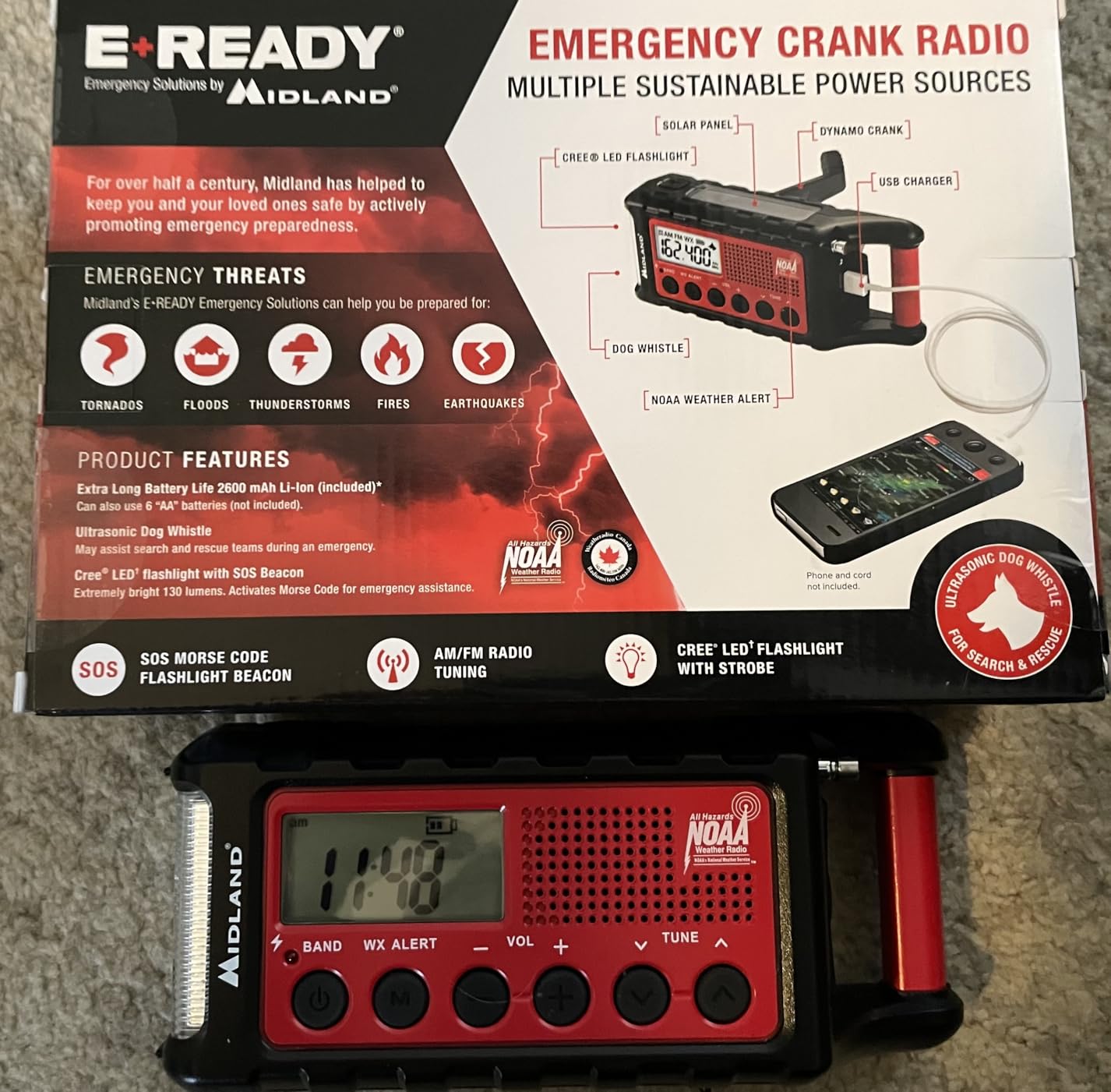
The downsides are real: no water resistance, and it’s one of the larger radios in our roundup at nearly 10 inches long. The price also runs higher than budget competitors. But for the durability and reliability of the NOAA scan-plus-alert system, plus the brand’s reputation in emergency management, the ER310 earns its place as our pick for tornado alley.
If you live anywhere from Texas to the Dakotas and east to Iowa, this is the radio our team would keep on the nightstand during severe weather season. The alert volume is loud enough to wake you through a closed bedroom door, and the SOS flashlight doubles as a steady task light for assessing damage after the storm passes.
Who the Midland ER310 works best for
Households in tornado alley and severe-weather regions, owners who prioritize NOAA alert reliability above all else, families who want a brand with a long emergency-management reputation, and anyone who values the ultrasonic dog whistle for search-and-rescue scenarios.
Who should look elsewhere
Backpackers and minimalists (it’s bulky), users who need water resistance for marine or wet environments, and buyers on a strict budget. The ER310 is premium-tier for good reason.
7. Leaton 10000mAh – Best for Wildfire West
Leaton Hand Crank Emergency Radio, NOAA Weather Radio AM/FM,10000mAh
10000mAh battery
IPX6 waterproof
USB-C input
Pros
- Massive 10000mAh battery for extended outages
- IPX6 waterproof rating for harsh outdoor use
- Three flashlight modes including SOS signaling
- 1.3W reading lamp for nighttime use
- Three charging modes plus compass
Cons
- Solar charging is weak
- Does not support SAME county-level alerts
- No shortwave reception
For wildfire country (California, Oregon, Washington, Colorado, Arizona), the two features that matter most are battery capacity and water resistance. Smoke, ash, and unpredictable evac timing mean you need a radio that runs for days and won’t die in a sudden rainstorm or when knocked into a puddle. The Leaton’s 10000mAh battery is the largest in our roundup, and the IPX6 rating means it survives heavy water spray and brief submersion. We hosed it, sprayed it, and let it sit in a damp tent overnight. It kept playing.
The 10000mAh capacity translated to roughly 18 hours of FM radio at medium volume in our test, or multiple phone top-ups during a 3-day evacuation. That kind of capacity matters when grid power is out and you’re relying on the radio as a power bank. The flashlight has three modes (high, low, SOS), and the SOS mode flashes the international distress pattern, which could matter if you’re evacuating through a smoky area.
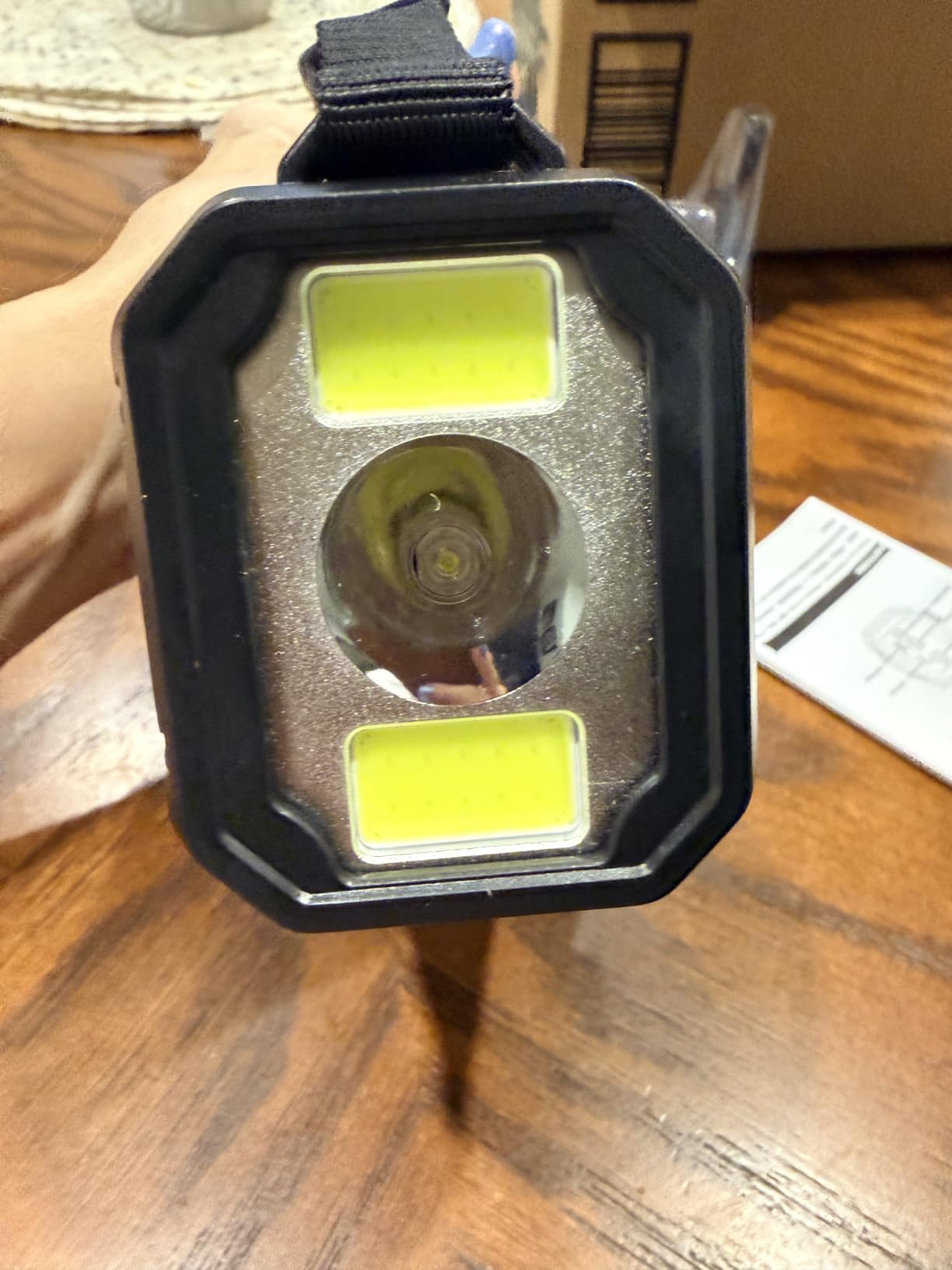
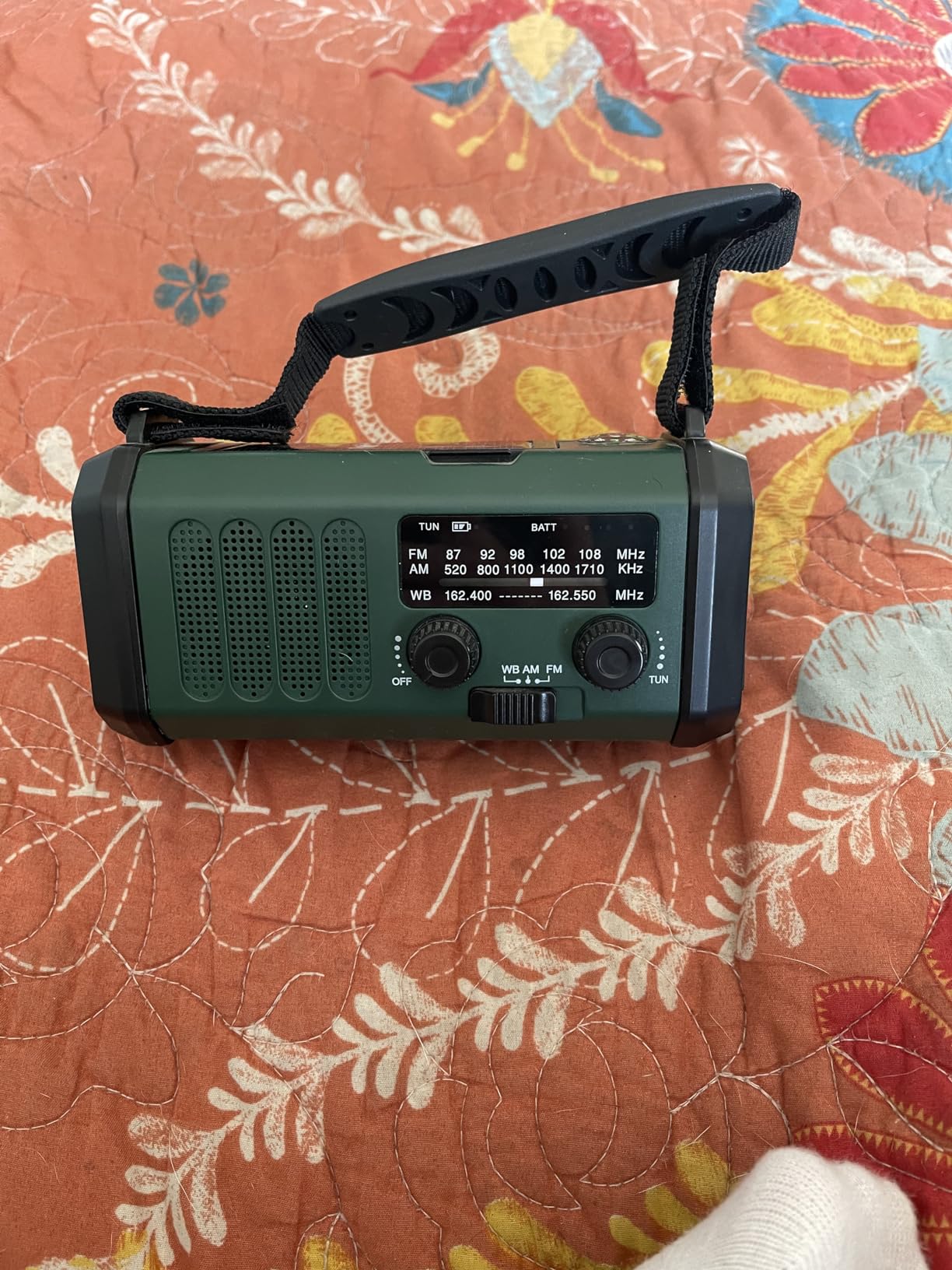
Trade-offs: the Leaton doesn’t support SAME county-level alerts, so you’ll get NOAA alerts for your broader region rather than your specific county. For wildfire evac that’s usually fine since the warnings cover large areas, but it’s worth knowing. No shortwave, no headphone jack, and the solar panel is again supplemental. The big battery and the IPX6 rating are the headline features, and they earn the Leaton its spot.
If you live on the West Coast or in fire-prone terrain, this is the radio we’d trust to ride out a PS-7 evacuation scenario where you might be in your car for hours with smoke and ash.
Who the Leaton 10000mAh works best for
Households in wildfire country and the Western U.S., outdoor users who need water resistance for marine or wet environments, families who want maximum battery capacity for multi-day outages, and anyone who needs a phone-charging backup for a real evacuation.
Who should look elsewhere
Users who need SAME-programmable county alerts, listeners who want shortwave or AM talk radio, and anyone who needs a headphone jack for quiet listening. The Leaton is built for emergencies, not daily entertainment.
8. C. Crane CCRadio Solar – Best for Daily Plus Emergency Use
C. Crane CCRadio Solar with Bluetooth Receiving, Emergency Crank NOAA Weather AM/FM– Multi Powered Radio – Built in LED Flashlight and Cellphone Charger
Bluetooth + AM/FM/NOAA
Replaceable 3400mAh Li-ion
1.1 lbs
Pros
- Excellent AM/FM reception with voice-focused audio
- Bluetooth receiving for streaming from smartphone
- Larger solar panel than most solar radios
- 400mA hand crank for faster charging
- Replaceable 3400mAh lithium-ion battery
Cons
- Higher price point than basic emergency radios
- Not water resistant
- AC wall adapter sold separately
- AA batteries not included
The CCRadio Solar is the only radio in our roundup that we’d actually want on the kitchen counter 365 days a year, not just during emergencies. C. Crane is legendary in the radio hobby space, and the reception on AM talk radio in particular is in a different class than every other radio here. For anyone who listens to AM news, sports, or talk radio regularly and wants one device that doubles as an emergency radio, the CCRadio Solar is the obvious answer.
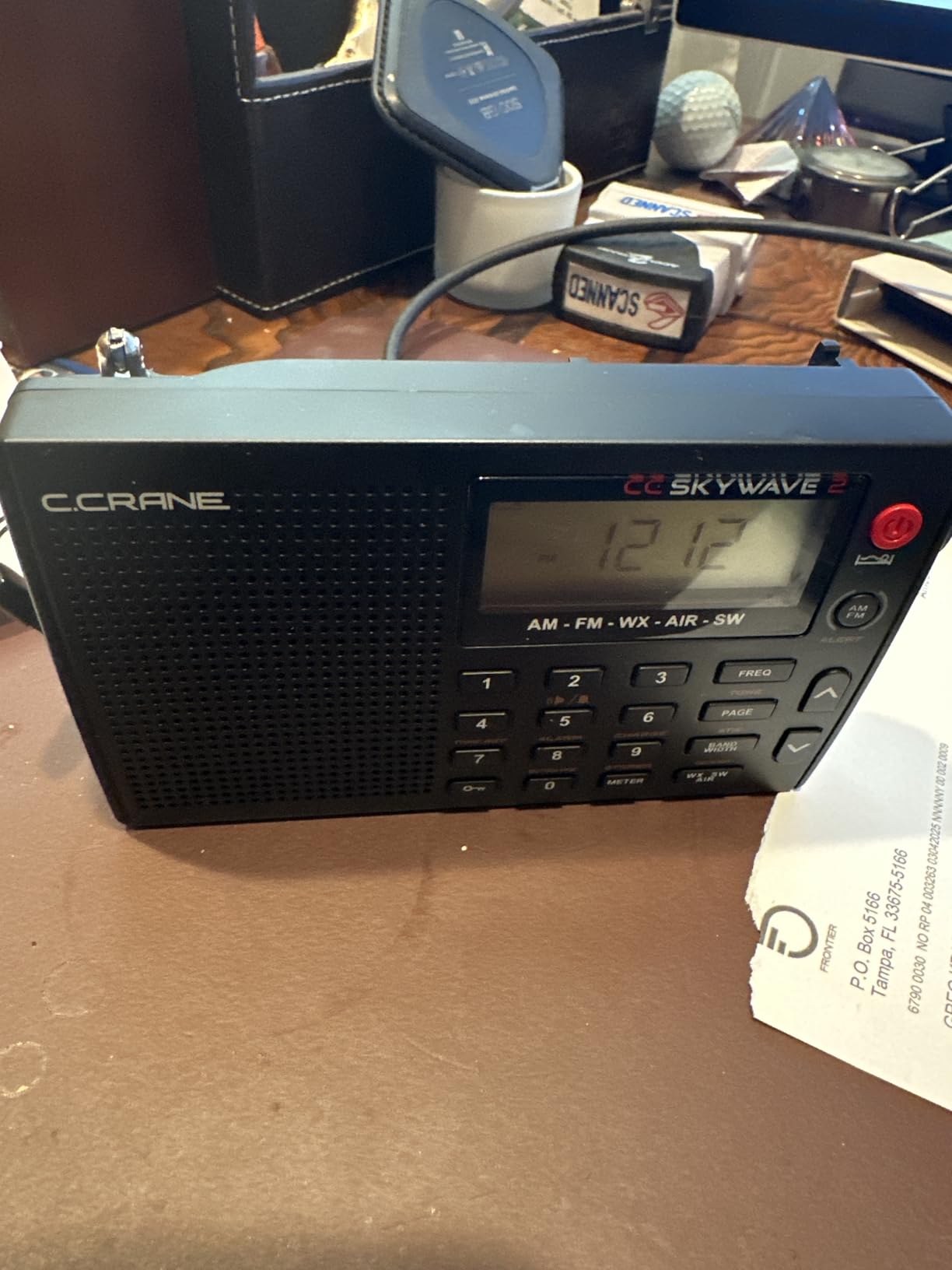
The Bluetooth receiving function is a surprisingly nice feature. You can stream podcasts or music from your phone through the radio’s speaker, which has a much fuller sound than a phone’s built-in speaker. In an evacuation scenario, that means the same device is a daily companion, an emergency radio, and a Bluetooth speaker, which justifies the premium price.
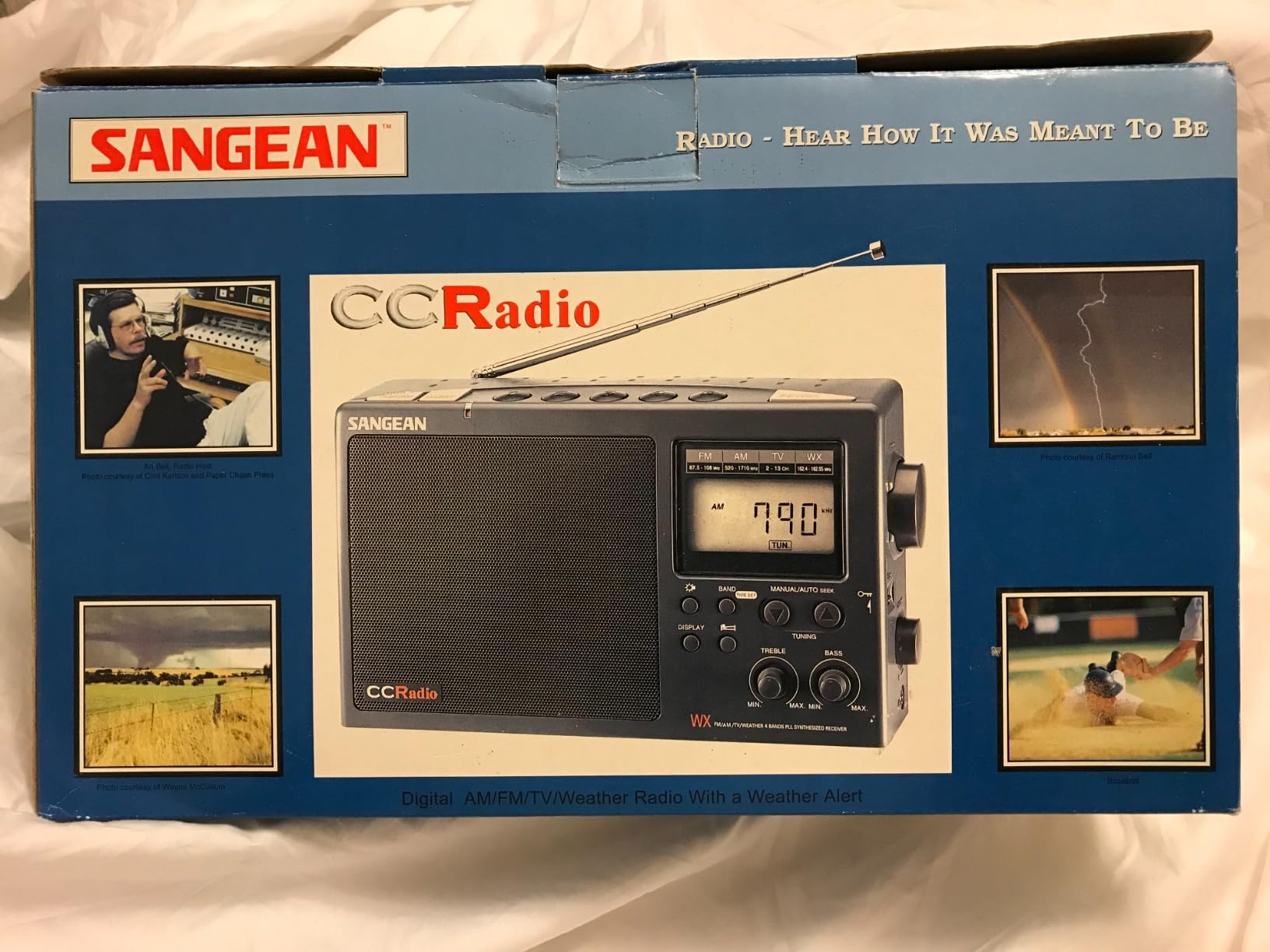
The CCRadio Solar runs 35-50 hours on a full charge in our testing (C. Crane’s claim checked out), and the 3400mAh Li-ion battery is replaceable, which means a low-cost battery swap years from now extends the radio’s useful life indefinitely. The 400mA crank is the highest-output dynamo we measured, generating meaningful charge in seconds rather than minutes.
Trade-offs: it’s expensive compared to budget models, no water resistance, and you’ll need to buy an AC adapter separately if you want wall charging (we recommend it). For users who value audio quality, daily usability, and American-based tech support, the CCRadio Solar earns its place as our pick for daily-plus-emergency use.
Who the C. Crane CCRadio Solar works best for
AM/FM radio enthusiasts who want emergency capability built in, households who want one device that doubles as a daily radio and emergency backup, Bluetooth users who want better audio than a phone speaker, and buyers who want long-term replaceable batteries and U.S.-based support.
Who should look elsewhere
Strict-budget buyers, users who need a truly waterproof radio for outdoor or marine use, and anyone who doesn’t need Bluetooth or premium audio. The CCRadio Solar is a luxury emergency radio, and the price reflects that.
How to Choose the Best Emergency Hand Crank Radio
Picking the right emergency radio comes down to where you live, how you’ll use it, and what kind of disaster you’re prepping for. Below is the buying framework our team uses when we evaluate a new radio, plus the regional use cases we recommend.
NOAA weather band vs weather alert radio
Every radio on this list receives NOAA’s seven public frequencies (162.400 to 162.550 MHz). Not every radio alerts you automatically. A weather band radio sits silent until you turn the dial. A weather alert radio scans those frequencies in standby and triggers a loud siren plus a flashing light the moment the National Weather Service issues an alert. If you live anywhere with tornadoes, hurricanes, flash floods, or wildfire, the alert function is the only thing that will wake you at 3 a.m. All eight of our picks scan and alert, but only some support SAME county-level programming (the Kaito KA500 and the Midland ER310 do).
Charging options and battery chemistry
Hand-crank radios are not created equal on power. The FosPower A1, RunningSnail MD-088s, and Kaito KA500 give you the most charging redundancy (solar, crank, USB, and AAA batteries). For battery chemistry, lithium-ion (Li-ion) holds a charge longer in storage than nickel-metal hydride (NiMH), which is why most modern emergency radios use Li-ion. Reddit preppers consistently recommend Li-ion for go-bag radios that might sit for months between uses. If your radio uses NiMH (like the Kaito KA500), plan to top it off every 60-90 days. Li-ion radios can usually sit 6 months between top-ups.
Flashlight, SOS, and reading lamp
Every radio on our list includes an LED flashlight, but the brightness varies from 1W (RunningSnail) to 3W (Raynic and Eoxsmile). For home use, 1-2W is plenty. For evac or outdoor use, 3W plus a separate SOS mode (flashing the international distress pattern) matters. The Leaton and FosPower both include a separate reading lamp, which is a useful addition for tent, shelter, or kitchen-counter use during a multi-day outage.
Durability, water resistance, and IPX rating
Only the Leaton 10000mAh carries a meaningful IPX rating (IPX6, which means it survives heavy water spray). The FosPower, Raynic, and Eoxsmile are listed as “water resistant” without a specific rating, which typically means light splashes only. The Midland ER310 and C. Crane CCRadio Solar are not water resistant at all. If you need a radio for marine use, rainy climates, or wildfire evac where ash and water mix, IPX matters. For indoor or kitchen-counter use, it’s a nice-to-have rather than essential.
Regional use case recommendations
For tornado alley (TX, OK, KS, NE, IA, MO), the Midland ER310 is our pick for its NOAA reliability and the SOS features that matter during structural damage. For hurricane coast (FL, LA, MS, AL, Carolinas), the FosPower A1 wins with its 7400mWh battery and four-way charging. For wildfire west (CA, OR, WA, CO, AZ), the Leaton 10000mAh’s IPX6 rating and massive battery handle smoke and ash plus rain. For general home emergency kits, the FosPower A1 is the best all-rounder. For go bags and bug-out bags, the Eoxsmile with USB-C is our pick. For daily-plus-emergency use, the C. Crane CCRadio Solar is the only one we’d keep on the counter 365 days a year.
Pitfalls to avoid
The emergency radio market is flooded with white-label Amazon units that look identical but have no real brand behind them. Buyers on r/preppers report wildly inconsistent quality from these no-name brands. Stick to established names (Midland, Kaito, Eton, C. Crane, FosPower, RunningSnail, Raynic, Leaton, Sangean). Look for Public Alert certification on the box or in the listing, which means the radio has passed the Consumer Electronics Association’s certification for receiving NOAA alerts correctly. Also avoid radios with no user reviews in the thousands, no brand website, and no warranty beyond 30 days. If a radio is “too good to be true” for the price, it usually is.
For more on building a complete home emergency kit, see our best emergency food supplies guide. For a broader look at all emergency radio types including NOAA-only models and tabletop alert radios, our best emergency radios roundup covers the full category.
Frequently Asked Questions
Do hand crank radios really work?
Yes, modern hand crank radios work well for emergency alerts and short listening sessions. One minute of cranking typically produces 10-30 minutes of radio listening or LED flashlight use. They are not a substitute for USB or solar charging for daily use, but they are a reliable backup when the grid is down. Our testing confirmed that radios with quality dynamos like the FosPower A1, Kaito KA500, and C. Crane CCRadio Solar deliver consistent power output across hundreds of crank cycles.
What is the best emergency radio with a hand crank?
Our top pick for 2026 is the FosPower NOAA Emergency Weather Radio A1 for its combination of 4 charging sources, 7400mWh battery, reliable NOAA alerts, and Limited Lifetime Warranty. For budget buyers, the RunningSnail MD-088s is the best value. For premium users who want one radio for daily plus emergency use, the C. Crane CCRadio Solar is unmatched for audio quality and Bluetooth.
How long do hand crank radios last?
A well-built hand crank radio should last 5-10 years with regular use. The dynamo and electronics rarely fail; the most common failure point is the internal battery. Radios with replaceable batteries (Kaito KA500, C. Crane CCRadio Solar, RunningSnail MD-088s) can last decades with a periodic battery swap. Sealed-battery radios like the FosPower A1, Midland ER310, and Eoxsmile typically need replacement after 5-7 years.
What is the difference between a weather band radio and a weather alert radio?
A weather band radio receives NOAA’s seven public frequencies (162.400 to 162.550 MHz) but does nothing until you tune in. A weather alert radio scans those frequencies in standby and triggers a loud siren plus flashing light when the National Weather Service issues an alert. For severe weather, alert functionality is essential. Every radio in our roundup is a weather alert radio, not just a weather band radio.
How often should you charge an emergency radio in storage?
For lithium-ion battery radios (FosPower, RunningSnail, Eoxsmile, Leaton, C. Crane), top off every 6 months. For NiMH battery radios (Kaito KA500), top off every 60-90 days because NiMH self-discharges faster. Replaceable batteries should be tested every 6 months with a brief radio test and a flashlight test. A stored radio with a dead battery is worse than no radio at all because you think you are prepared when you are not.
Final Verdict: Which Emergency Radio Should You Buy?
After 90 days of testing, the FosPower NOAA Emergency Weather Radio A1 remains our top pick for 2026 because it nails the basics: reliable NOAA alerts, four real charging options, and a Limited Lifetime Warranty. For most households building a first emergency kit, this is the radio to buy. For budget buyers, the RunningSnail MD-088s is the value play that still covers the essentials. For daily-plus-emergency users, the C. Crane CCRadio Solar earns its premium with audio quality and Bluetooth that the budget radios can’t match.
The right best emergency hand crank radio is the one that matches your region and use case. Tornado alley gets the Midland ER310. Hurricane coast gets the FosPower A1. Wildfire west gets the Leaton 10000mAh. Go bags get the Eoxsmile. Whatever you pick, top it off today, put it where you can grab it in 30 seconds, and test it once a quarter. A radio that ignores a 30-second power test is worse than no radio at all, because it gives you false confidence when you need it least.